![What is a Fender Bender? [A Guide on How To Handle Them]](https://westcoasttriallawyers.com/wp-content/uploads/2025/01/Fender-Bender-car-damage-blog-1024x576.webp)
A fender bender can happen to anyone and anywhere, because all it takes is one moment of distraction in traffic or one misjudged distance in a crowded parking lot. While most fender benders are minor car accidents, the decisions you make in the minutes and hours that follow can make all the difference for your health, your wallet, and your legal rights.
Quick Guide: What to Do Immediately After a Fender Bender
While most minor car accidents typically involve cosmetic vehicle damage that shouldn’t impact a vehicle’s performance, a fender bender is still considered as a car accident under the law. As such, it is important for drivers to treat it seriously for safety, legal, and insurance reasons.
In fact, here is a quick checklist every driver should do in the event of a fender bender:
- Check for injuries among yourself, passengers, the other driver and if anyone is hurt call 911.
- Turn on hazard lights immediately to alert oncoming traffic.
- Move vehicles to a safer location if no injuries occur and both cars are drivable.
- Exchange contact and insurance information with the other driver, including names, phone numbers, and license plate number details.
- Document the scene with photos of all vehicles involved, road conditions, and damage from multiple angles.
- Notify your insurance company as soon as possible after the accident.
- Avoid admitting fault at the scene, because even casual apologies can be misinterpreted by an insurance company later.
What are Fender Benders?
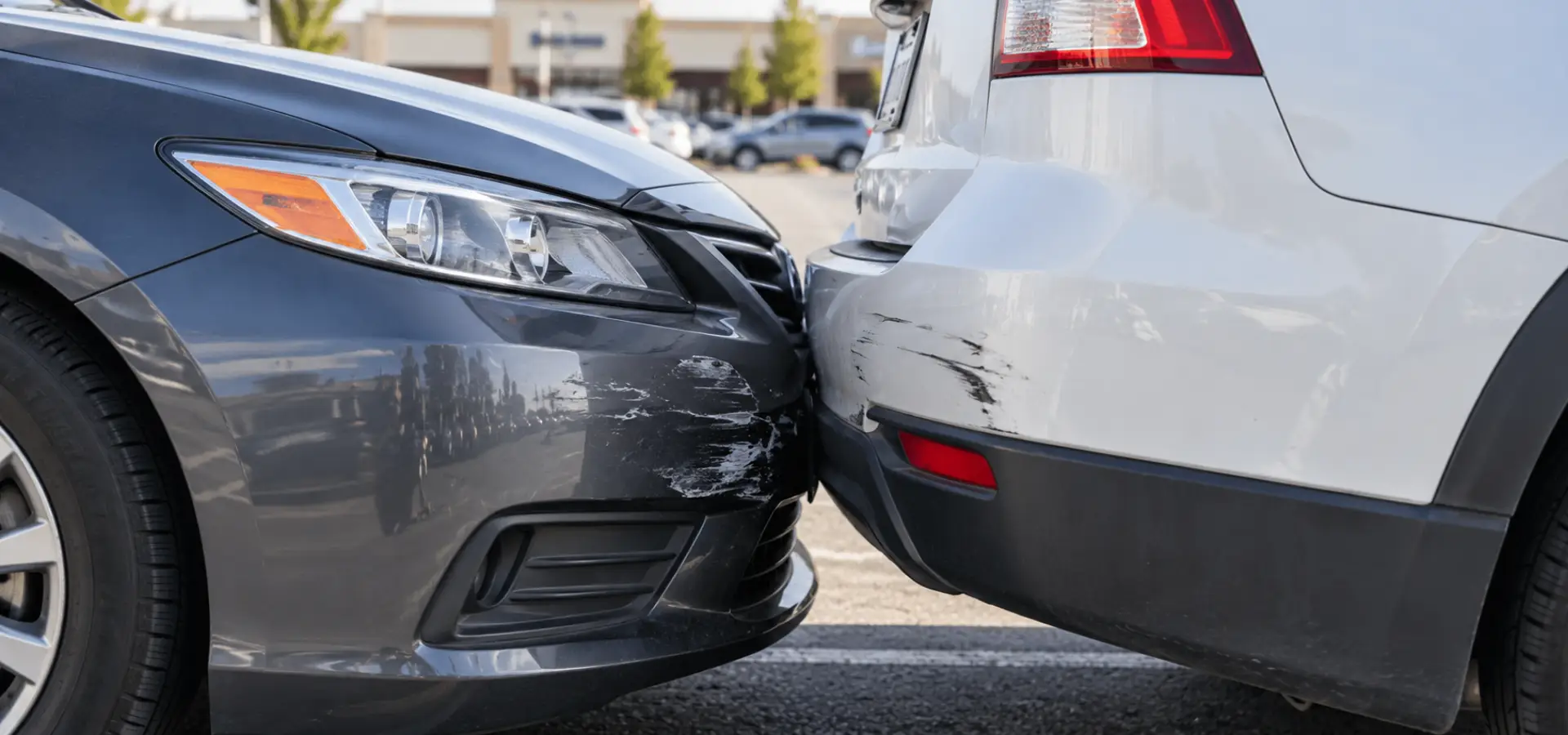
A fender bender is a low speed car accident-typically occurring between 3 and 10 mph-that results in minor property damage. Fender benders usually happen in everyday scenarios like stop and go traffic at red lights, busy intersections, school pickup lines, and congested parking lot areas and typically result in cosmetic damage like scratches or small dents to bumpers, fenders, or paint.
Fender benders are legally considered full car accidents and they should be treated as any other accident because no matter how “minor” an accident is, it does not always mean its harmless. While you may not need a lawyer for every small collision, you should still document the crash, exchange information, report it when required, get medical attention if you feel pain, and understand how your state’s accident laws may affect your claim.
Common Causes of Fender Benders
Fender benders often happen during ordinary driving situations where one small mistake can cause a collision. In fact, according to the National Highway Traffic Safety Administration, roughly 87% of rear-end crashes are attributed to driver distraction and this can range from a driver looking down at their phone for a second to someone backing out of a parking space and not seeing a pedestrian, cyclist, or car passing behind them.
As most fender benders share a handful of common causes rooted in driver inattention and traffic conditions, understanding these common causes can help drivers change habits and lower their personal fender bender count over time.
- Distracted driving– texting, adjusting GPS, or scrolling in-car screens. Distracted driving is a leading cause of fender benders across every age group.
- Following too closely– tailgating reduces reaction time and can lead to rear-end collisions when the car ahead brakes.
- Sudden stops in traffic– rush-hour congestion and stop-and-go conditions create constant braking situations that cause fender benders.
- Misjudging distance– backing out of tight spaces in shopping center parking lots or merging into narrow gaps.
- Failure to yield– rolling through stop signs or improperly merging at neighborhood intersections.
Step-By-Step: What to Do at the Scene
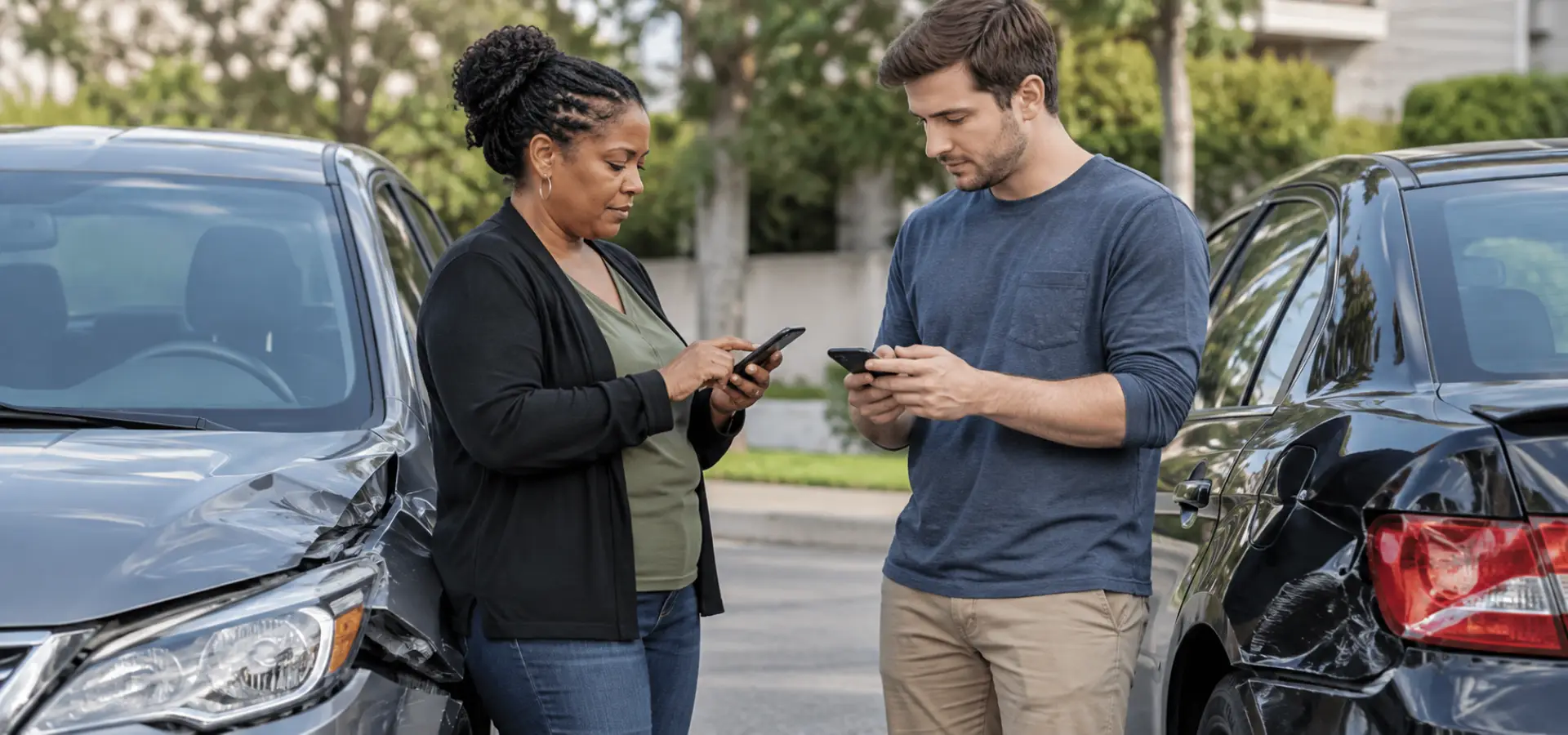
After a fender bender, your actions in the first 15–30 minutes after a minor collision can strongly affect your safety and the strength of any future claim. Even if the other driver wants to “just handle it privately,” you should protect yourself in case the damage or injuries turn out to be more serious than expected. Here is what matters most:
- Check for injuries- Assess yourself, your passengers, and people in the other vehicle. Call 911 if anyone is experiencing pain, dizziness, or visible physical injuries.
- Move to safety- It is important to move vehicles to a safe location after a fender bender. Pull to the shoulder or a nearby parking lot and turn on hazard lights to stay visible to traffic.
- Contact police if needed- Fender benders typically do not require an official police report unless specific conditions are met such as injuries or state-mandated reporting thresholds. However, filing a police report creates useful documentation.
- Exchange information- Calmly share names, phone numbers, license plate numbers, driver’s license details, and insurance provider and policy numbers with the other driver. Stick to objective facts-do not admit fault or speculate about causes.
- Document everything- Take clear photos of all vehicles, close-ups of damage, wider shots showing lane positions, traffic signs, and weather conditions. Good documentation is essential for any claim.
- Collect witness details- Gathering witness details can provide support in case of disputes after a fender bender. Politely ask bystanders if they saw the car accident and are willing to share contact information.
Can You Be Injured in a Fender Bender?
Many fender benders seem harmless at first-you feel fine, the dent looks small, and both drivers walk away, but hidden injuries and concealed vehicle damage can surface days later. Low-speed collisions can cause the body to move suddenly and unnaturally and, as a result, the head, neck, shoulders, back, and spine are especially vulnerable under such circumstances.
If you hit your head, feel dizzy, experience numbness, develop worsening pain, or notice symptoms after the crash, it is vital to seek medical care as soon as possible. Because early medical documentation can help connect your injuries to the accident and prevent the insurance company from arguing that your symptoms came from something else.
Should You Report a Fender Bender to Insurance?

In many cases, it is recommended to report a fender bender to your insurance, because your insurance policy may require you to report an accident promptly, even if the crash seems minor. Failing to report the crash can create problems if:
- The other driver later files a claim
- Your pain develops days later
- Vehicle damage is worse than expected
- The other driver changes their story
- You need collision, MedPay, uninsured motorist, or rental coverage
- The repair shop finds hidden damage
- The other driver was uninsured or underinsured
Furthermore, that does not mean you should give a recorded statement without understanding your rights. When speaking with an insurer, keep your statement factual and do not guess about speed, fault, injuries, or vehicle damage.
Can a Fender Bender Raise Your Insurance Rates?
A fender bender can affect insurance rates, but it depends on the state, the policy, who was at fault, the amount of damage, your driving history, and whether a claim is filed. If you caused the crash, your insurer may raise your premium at renewal, but if the other driver caused the crash, your own rates may not be affected in the same way. However, multiple fender bender claims in a short period of time may also make an insurer view you as higher risk.
State-by-State Fender Bender Rules
What Compensation Can You Recover After a Fender Bender?
If another driver caused the crash, you may be able to pursue compensation for the losses connected to the accident. Even minor car accidents can generate multiple types of financial loss beyond a simple bumper fix. You can seek compensation after a fender bender accident for several categories of damages:
- Vehicle repairs
- Vehicle replacement value
- Diminished value
- Towing and storage
- Rental car costs
- Medical bills
- Physical therapy
- Chiropractic care
- Lost wages
- Reduced earning capacity
- Pain and suffering
- Out-of-pocket expenses
However, it is important to note that the value of the claim depends on the severity of your injuries, the repair costs, the available insurance coverage, the evidence of fault, and whether the insurance company argues that you were partly responsible.
What If There Is No Visible Damage?
If there is no visible damage on your car, it does not always mean there is no claim. Modern vehicles are built with bumpers, sensors, cameras, brackets, and internal safety components that may hide damage beneath the surface. With that in mind, a bumper cover may pop back into place while the underlying structure remains cracked or misaligned.
The same is true for injuries, because adrenaline can mask symptoms at the scene and conditions like neck pain, back pain, headaches, and stiffness may not appear until the next morning. No matter what kind of fender bender you have been involved in, it is still smart to exchange information, take photos, document the scene, and monitor your symptoms.
What If the Other Driver Wants to Pay Cash?

While it may seem easier to avoid insurance and let the other driver pay cash, but this can create problems. For instance, you may not know the full repair cost until a shop inspects the vehicle and the other driver may later deny responsibility, refuse to pay, or claim that you caused the crash.
If you choose to handle a very minor property-damage issue privately, get everything in writing and do not sign a release until you know the full extent of the damage and injuries. If anyone is hurt or the damage may exceed your state’s reporting threshold, follow the reporting rules.
When Should You Call a Lawyer After a Fender Bender?
You may not need a lawyer for every small scratch or bumper tap, but legal help may be important if the crash caused injuries, significant repairs, or if an insurance company is undervaluing the claim. With that in mind, consider speaking with a car accident attorney if any of the following things has occured:
- You have neck, back, head, or shoulder pain
- The other driver denies fault
- The insurance company blames you
- Your car has hidden or expensive damage
- You missed work because of the crash
- The other driver was uninsured or unlicensed
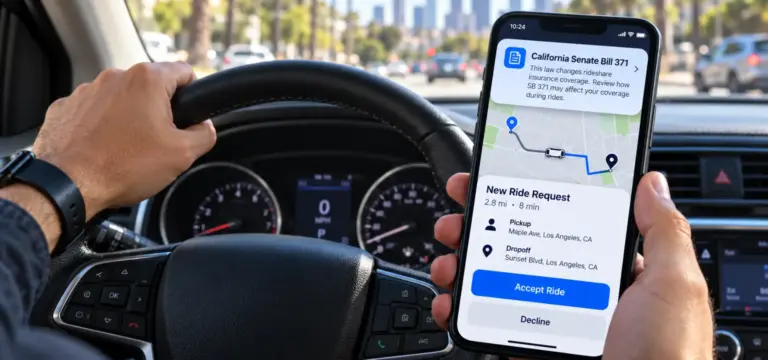
- The crash involved a rideshare, commercial, or government vehicle
- The insurer offers a quick settlement before you know your damages
- You are being asked to give a recorded statement
While it is not mandatory to hire a lawyer for a minor car accident, they can help preserve evidence, communicate with insurance companies, calculate damages, review medical records, and push back against unfair fault arguments. Attorneys in personal injury cases often work on a contingency fee basis as well, meaning they do not collect any legal fees until they win your case.
Injured After a Fender Bender?
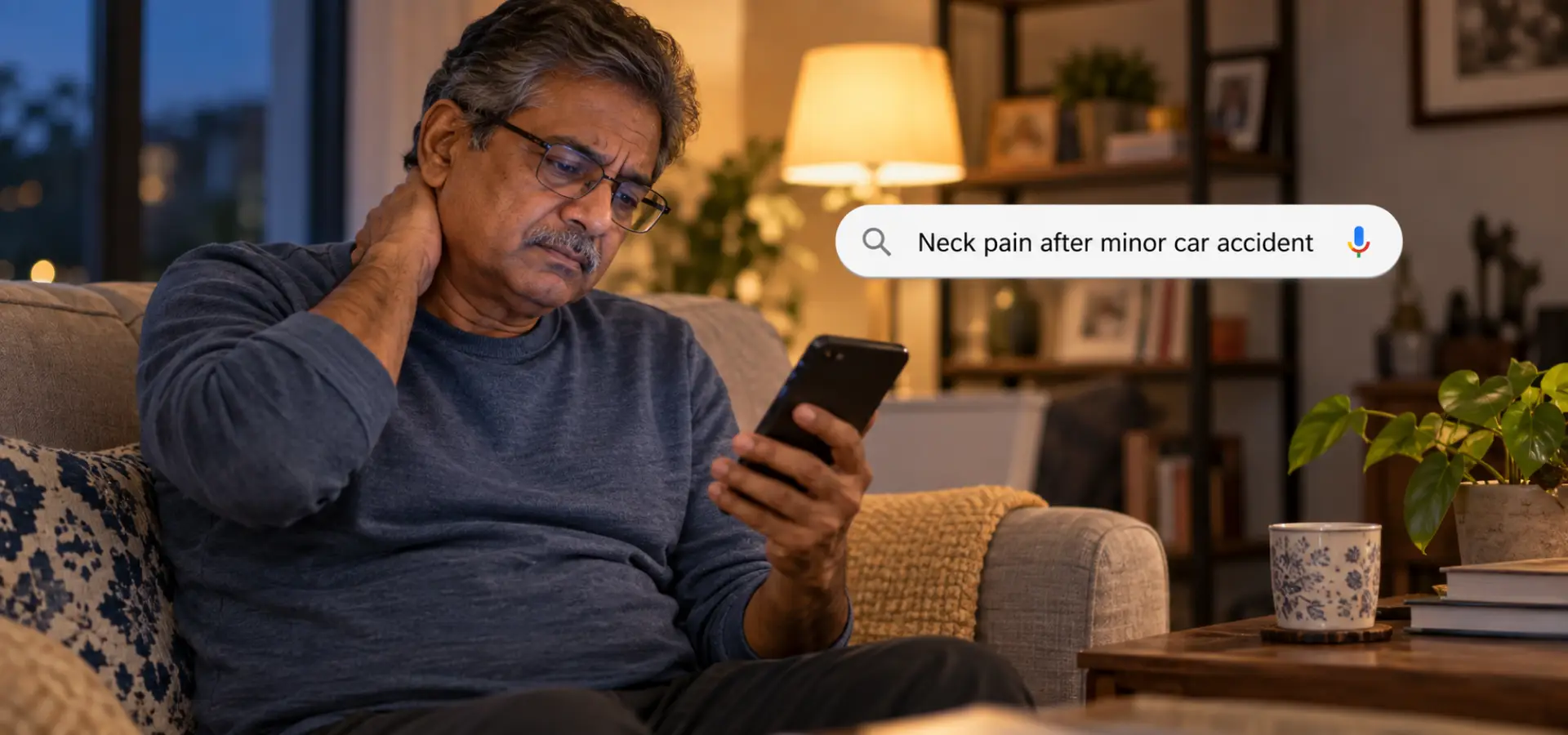
A fender bender may look minor at first, but the consequences can become more serious once pain, repair estimates, insurance disputes, and missed work enter the picture. If you were injured in a fender bender caused by another driver, West Coast Trial Lawyers can help investigate the crash, deal with the insurance company, and pursue compensation for your losses.
Call (213) 927-3700 or use our online contact form to speak with our legal team.