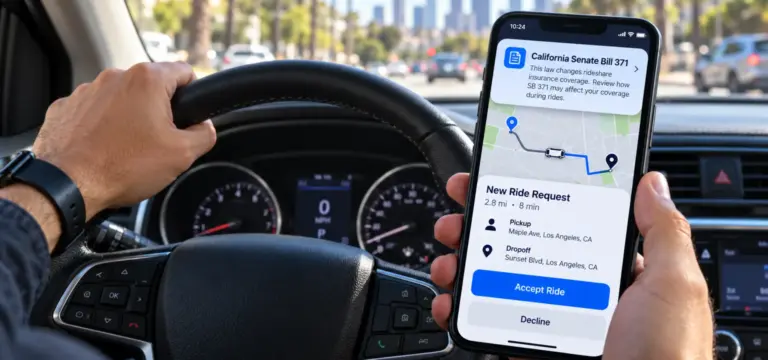
Rideshare services, like Uber and Lyft, have made it easier for people to travel, whether it is going to work, meeting up with friends, or heading home after a night out. But for many women, stepping into a stranger’s vehicle may feel intimidating.
Personal safety, especially during late hours or in unfamiliar areas, can be a valid concern. While most trips are safe, it is important for women to remain cautious to protect themselves against potential harm. This article focuses on practical Uber and Lyft safety tips for women and how they can stay safe in the event of trouble.
How Safe Are Uber and Lyft Services for a Female Passenger?
The vast majority of Uber rides end without incident, but women face more than their fair share of risk compared with male riders. According to Uber’s latest U.S. safety report, covering 2021–2022, the company documented 2,717 incidents of serious sexual assault reports, with 92% of accused individuals being rideshare drivers. Lyft also released data covering sexual assault cases, specifically between 2020 to 2022, with the company reporting a total of 2,651 instances of the most serious categories.
How Often Do Women Experience Uncomfortable or Dangerous Encounters in Rideshares?
Beyond assault, the everyday friction is more common than most people realize, although both rideshare companies did not indicate the gender of the victims, statistics provided by expert health organizations support the claim that women are the most affected individuals of sexual assault:
- National Sexual Violence Resource Center (NSVRC): 81% of women in the United States experienced some form of sexual harassment and/or assault in their lifetime.
- Rape, Abuse, and Incest National Network (RAINN): Women ages 16 to 19 are more likely than the general population to be victims of sexual assault.
- Centers for Disease Control and Prevention (CDC): Over half of women experience sexual violence involving physical contact throughout their lives.
Even though Uber and Lyft have established safety guidelines to reduce the likelihood of sexual assault, it is not entirely effective as cases continue to occur. Additional surveys show that 23% of women reported uncomfortable encounters with Uber drivers, while 15% of women reported uncomfortable encounters with Lyft drivers.
These range from unsolicited flirting and inappropriate comments to drivers ignoring route preferences or contacting riders after the trip. While these numbers are small compared to the billions of completed rides, they can erode trust, and women should adjust habits accordingly.
Is Uber or Lyft Safer for Female Riders?
It is difficult to claim that Uber or Lyft are safer for female riders, because both companies have reported sexual assault cases, and individual experiences will differ from one another. While both services offer core safety features-driver profiles, GPS tracking, trip sharing-but the depth differs:
- Lyft’s Women+ Connect: Women and nonbinary drivers can provide rideshare services solely to other women and nonbinary riders. How often you match will depend on the proximity of the other drivers and the number of ride requests from women and nonbinary people at that given time.
- Uber’s Women Rider Preference: Uber or Lyft drivers who identify as women or nonbinary to can choose to only pick up women users. However, keep in mind, the rideshare company does not guarantee that you will be matched with one once requested. If the driver does not match the expected profile or ride details, you can cancel without getting charged.
- Uber and Lyft Safety Features: Both rideshare companies have established safety guidelines to make trips comfortable for all users. This includes GPS tracking (if something happens during a trip), Share My Trip (showing where you are in real time to friends and family), and emergency help (giving riders access to contact 911 through the app).
Ultimately, safety on both Uber and Lyft depends on how consistently riders use available safety features.
Should I Sit in Front or Back of Uber/Lyft?

As a woman user in an Uber or Lyft, it is generally recommended to sit in the back. This will give you your own personal space, allowing you to exit out of either side of the vehicle when necessary. The backseat is usually considered the safest and most comfortable option, especially for solo riders.
7 Safety Tips Every Woman Should Do for Their Next Rideshare Trip
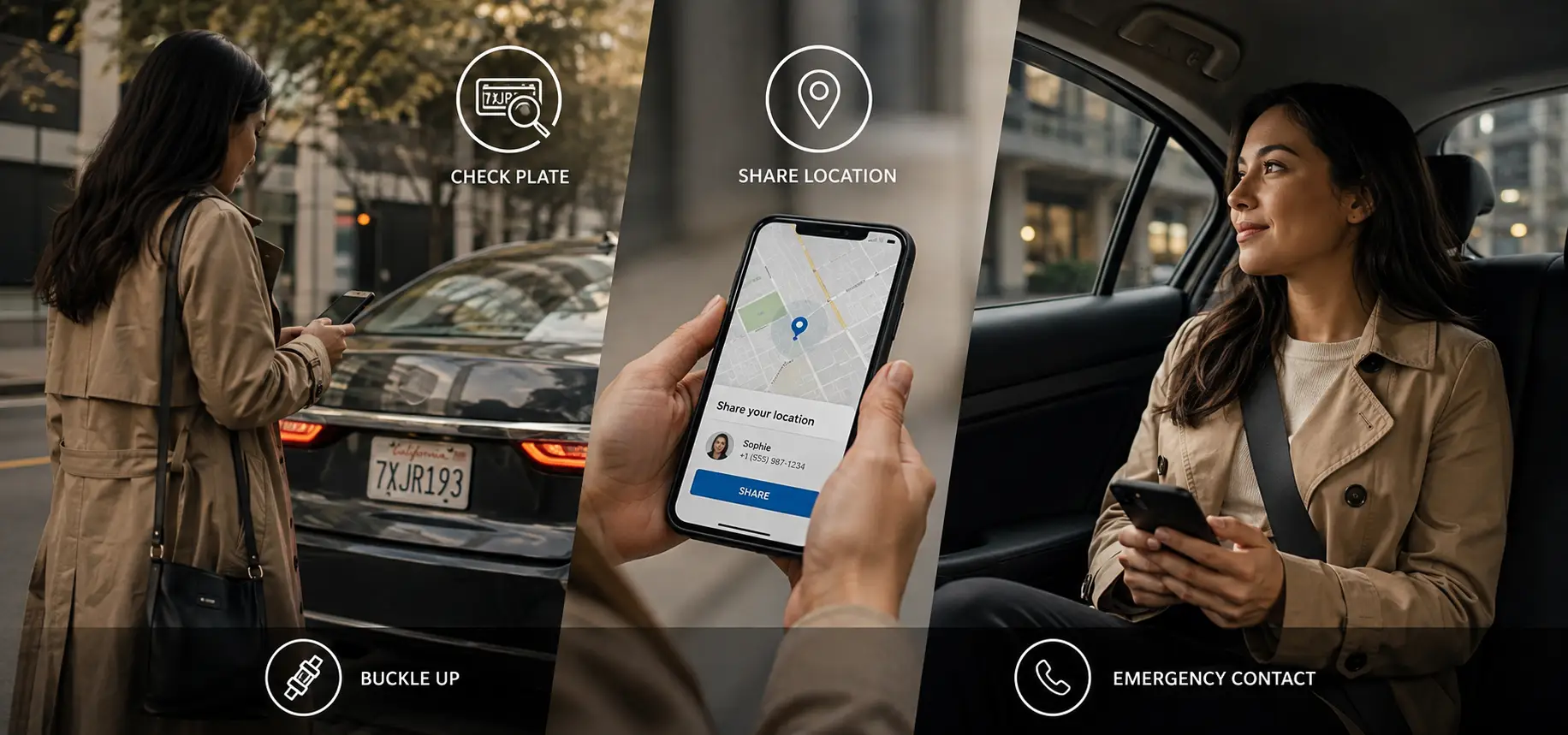
- Wait indoors or in a well-lit, public area for an Uber or Lyft.
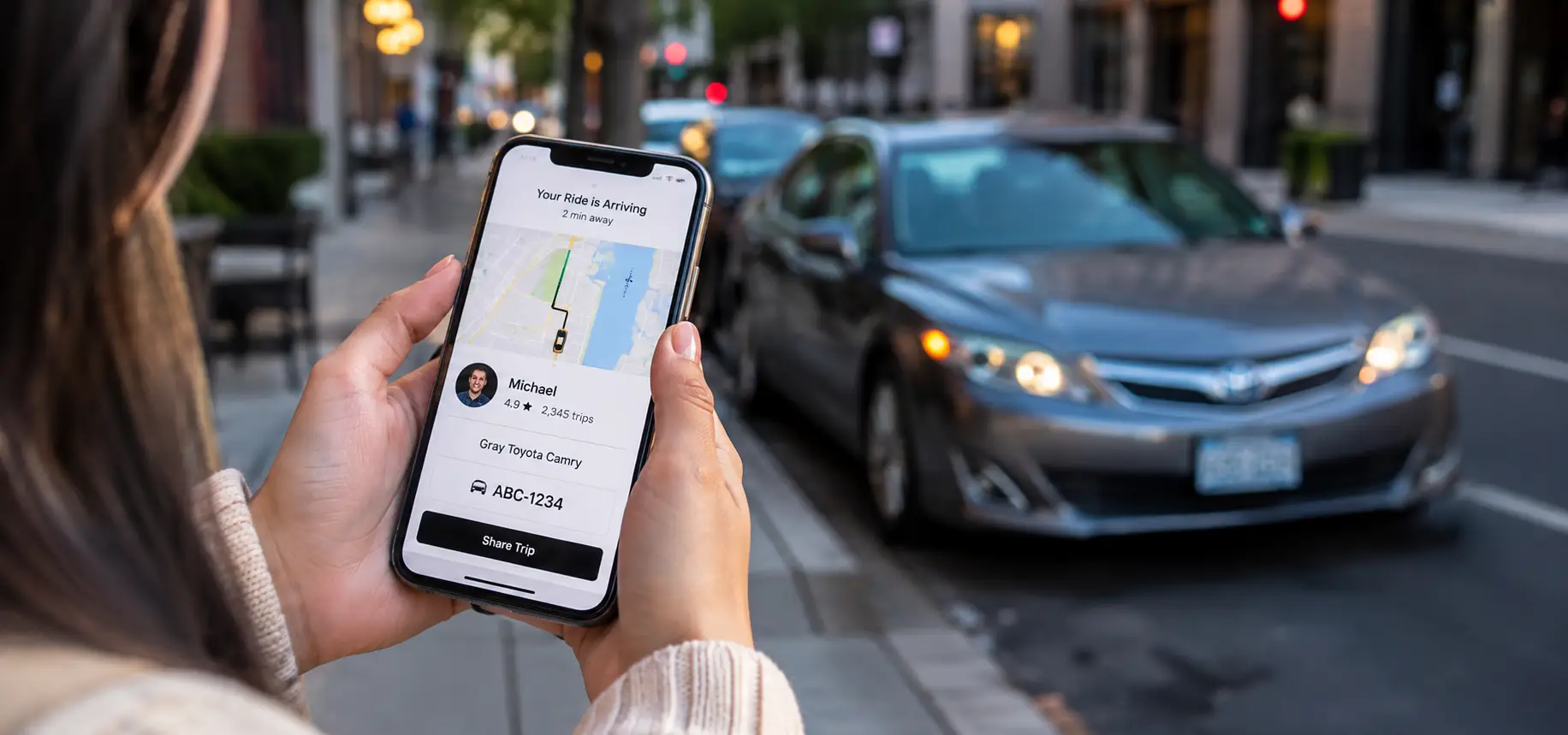
- Be sure to verify the rideshare driver’s name, photo, and license plate before entering the vehicle.
- Sit in the back seat to give yourself distance and an easy exit, if needed.
- Share your trip with friends and family.
- Remain alert of your surroundings at all times.
- If you believe your safety is at risk due to dangerous activity, you can use the emergency feature in the Uber or Lyft app for quick 911 access.
- If you were unsafe, uncomfortable, or experienced inappropriate conduct, you can share your experience through the rating system to ensure you do not get paired with the same driver again in the future.
More Tips On How to Stay Safe in an Uber as a Woman from the Women of West Coast Trial Lawyers
What to Do If You Have Experienced Sexual Assault During an Uber Trip
What women riders do after experiencing sexual assault on a rideshare can protect both themselves and other riders on the platform. While it is understandable to feel shaken up, it is vital to get to somewhere safe with loved ones and take the following steps to ensure your legal rights are protected.
- Report immediately: Use the Uber app’s “Help” menu to flag unsafe behavior, harassment, inappropriate comments, or off-route driving. Do it while trip details are fresh.
- Save evidence: Screenshot the trip map, driver details, license plate, and any suspicious messages. These are critical if you pursue a complaint or legal claim.
- Report to law enforcement: Threats, sexual assault, or stalking should be reported to local police immediately and seek medical and legal support as needed. Some law firms and advocacy organizations specialize in helping female passengers understand their rights after being harmed during a rideshare service.
- Voice your feedback: Every report helps the platform identify dangerous rideshare drivers and improve safety for other women. Uber’s Industry Sharing Safety Program ensures that drivers deactivated for serious misconduct can’t simply move to another platform.
Your concerns are valid, and reporting isn’t just about your own case-it’s about protecting the next rider.
West Coast Trial Lawyers Is Here To Help

No rideshare service is 100% safe, but women riders can significantly reduce risk by combining smart habits with built-in safety features. However, if you were involved in a rideshare accident as a passenger in an Uber or Lyft or suffered ill-intentioned misconduct from a rideshare driver, West Coast Trial Lawyers will help establish fault and hold those responsible accountable for their actions.
To book a FREE case evaluation, you can reach out to our 24/7 legal team by calling (213) 927-3700 or completing our easy online contact form.