Location
Location
Practice Areas
Practice Areas
(213)-927-3700
(213)-927-3700
Menu
Menu
  • Home /
  • What Black Box Data Can Prove in a California Truck Accident
What Black Box Data Can Prove in a California Truck Accident

What Black Box Data Can Prove in a California Truck Accident

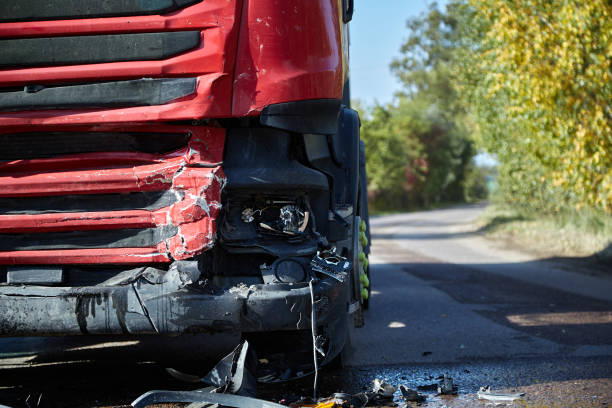
In the event of a commercial truck accident, trying to find and establish credible evidence can be a difficult process due to the amount debris and damage around the accident scene. However, most modern commercial trucks are equipped with black boxes, which are heavily protected recording devices to track speed, braking, location, driver activity, and other events pertaining to a collision.  Understanding what each system records can help provide a better picture of what happened in a truck black box accident and whether the at fault driver may have contributed to the outcome. 

What Electronic Records Can Exist on a Commercial Truck?

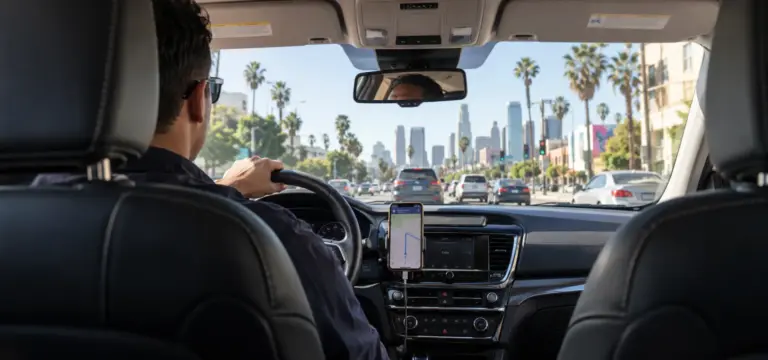
A truck driver with a modern setup.

Commercial trucks can produce and maintain a range of electronic records before, during, and after a truck accident. Trucking companies may have access to GPS information, driver logs, camera footage, and other black box information that can help show what happened and provide important details about the vehicle, driver, and events surrounding the incident.

Electronic Logging Device Records

Electronic logging devices (ELDs) record information about a truck driver’s driving activity and hours-of-service. Federal regulations require certain commercial truck drivers to use ELDs to take note of their time behind the wheel (49 CFR § 395.8). These records store information on whether a driver followed required rest periods or if driver fatigue may have been a contributing factor to a truck accident.

Engine or Event Data Recorder Information

An event data recorder (EDR), also referred to as a vehicle’s “black box,” can get information about vehicle performance before and during impact. Black box data may include vehicle speed, steering input, throttle position, brake usage, seat belt status, airbag deployment, and vehicle roll angle. The car black box record can record multiple data points in the moments leading up to a crash, providing details about what happened before and during the incident.

Telematics and GPS

Telematics and GPS systems can share information about the location and movement of vehicles involved in an accident. Depending on what type of system is being used, records may show where a truck traveled, how fast it was going, and whether it went over the posted speed limit. Such details may also help identify the vehicle owner and records maintained by vehicle manufacturers or companies that provide connected-vehicle services.

Dashcam or Inward/Outward-Facing Camera Systems

Truck camera systems can have visual evidence of what occurred before, during, and after the impact. Outward-facing cameras may capture surrounding traffic whereas inward-facing cameras can document the truck driver’s actions and activity taking place inside the cab. This surveillance footage can be valuable when specialized equipment is needed to get recordings from a commercial truck.

Dispatch and Fleet-Management Records

Dispatch and fleet-management systems can contain electronic records about how a truck and its driver were monitored before a collision. These records may keep note of instructions, communications, schedules, routes, and other information shared between trucking companies, dispatchers, and drivers. Reviewing these details can provide further context about the circumstances leading up to a truck accident and help demonstrate what the driver was expected to do.

What Can an ELD Show After a Truck Accident?

A maintenance worker examining truck accident data.

After a motor vehicle accident, an ELD can provide information about a truck driver’s hours-of-service and duty status. Under federal regulations, ELDs automatically record details, like the date, time, location, engine hours, vehicle miles, and driver and vehicle identification (49 CFR § 395.26). These can help investigators determine whether the driver followed the applicable hours-of-service requirements around the time of the crash.

ELD records may also include documented edits and annotations, giving investigators the ability to review corrections to original entries. However, ELD data on its own does not establish the cause of a truck accident or who was at fault. Unlike ELDs, a truck’s electronic control module (ECM), EDR, or telematics system may capture vehicle-performance information, such as speed and braking. Investigators may compare these records with GPS data, dispatch logs, and dashcam footage to better understand the elements surrounding the collision.

What Can Engine or Event Data Show?

Engine or event data may provide details about a vehicle’s operation during the moments of a collision. Based on the system used, available parameters can include vehicle speed, throttle position, braking activity, steering input, and other findings recorded shortly before or after a collision occurs. Some systems may capture data from only a few seconds of a triggering event while others may record a more extensive range of vehicle conditions.

For instance, impact brake application timing may help show when a brake application occurred in relation to the crash and whether it happened prior to the impact. When accurately interpreted, these records can provide valuable evidence for understanding how the vehicle was operating and what may have taken place shortly before the accident.

How Are Telematics and GPS Different From an ELD?

A man examining truck accident data.

Telematics and GPS systems primarily have information covering a truck’s location, route, movement, and other elements of fleet behavior whereas an ELD focuses on a driver’s hours-of-service and duty status. Unlike an ELD, telematics may track a vehicle’s position along a route and provide details about travel patterns, stops, and other fleet activity. Some systems may also share specifics pertaining to vehicle performance. But keep in mind that the type and amount of data available can vary by system.

To access black box data, the process is different from obtaining telematics or GPS records since each system gathers and maintains various types of details. While modern cars and commercial trucks may use connected technology to collect extensive vehicle data, GPS records usually cannot show every action a driver takes or every part of a truck accident. The available records will depend on the specific technology installed, the vehicle, and the service provider. Investigators may need to review multiple data sources to figure out what actually happened.

Can Truck Camera Footage Help Prove Fault?

Data recorded through truck camera footage can help investigators determine how a collision occurred and whether a driver’s actions contributed to the crash. Forward-facing cameras may be able to capture traffic conditions, road hazards, and other vehicles whereas cab-facing cameras can show the truck driver’s actions, including whether the driver was aware of their surroundings and had their hands on the steering wheel. Fleet video systems may also get additional footage from cameras positioned around the truck.

Camera recordings may have short retention periods, meaning that footage can be overwritten as new recordings are being created. Because of this, it is important for parties investigating a truck accident to act quickly to identify and acquire relevant footage. The availability and benefits of the video will depend on the camera system, its settings, and how long the trucking company or service provider maintains the recordings.

Why Do Dispatch and Fleet Records Matter?

Two truck workers talking to each other.

Dispatch and fleet records can give useful context during accident investigations by showing how the truck, driver, and the delivery were being managed and coordinated moments before a collision. During crash investigations, these may help reveal the driver’s assigned route, instructions, schedule, communications, and other circumstances pertaining to the accident. Insurance companies may also review this material when evaluating insurance claims while the same records can become notable evidence in personal injury cases involving questions about how the accident occurred.

Delivery or Route Instructions

Delivery and route instructions show where a truck driver was expected to be and what tasks they were required to complete. These may include assigned destinations, delivery requirements, route changes, or other directions given before a collision. In some cases, this documentation may become beneficial during legal proceedings when determining the circumstances pertaining to a truck accident.

Driver Communications

Communications between a truck driver, dispatcher, and fleet personnel can give extra context about what took place prior to an accident. Messages, calls, or other forms of communications may also document changes in instructions, reported road conditions, delivery issues, or concerns shared by the driver. Such documentation may be beneficial when figuring out what factors were involved in the collision.

Scheduling and Workload Context

Scheduling and workload records can help show the demands put on a truck driver before a crash. When reviewing possible driver fatigue, investigators may look into certain factors, like assigned schedules, delivery deadlines, available rest periods, and the length of a driver’s typical workday. The information available can vary depending on the fleet-management system and the records kept by the trucking company.

How Long Are Truck Electronic Records Kept?

A woman taking photos of a commercial truck accident scene.

The length of time electronic truck records are maintained in California may vary based on the type of record, the system involved, and the requirements that apply to the trucking company. Under applicable federal laws, motor carriers that are subject to the ELD requirements must retain electronic records of duty status and supporting documents for six months (FMCSA 49 CFR § 395.8(k)). Furthermore, 49 CFR § 395.22(i) requires a backup copy of ELD records to be saved on a separate device within the same period.

Other records used in a California truck accident, including black box records, telematics data, GPS information, and camera footage, may have unique retention periods based on the technology, company policies, or service provider. Some systems can record multiple data points about a truck’s operation.

The amount of time a record remains available can depend on the evidence, the system used, and the company’s retention practices. Since certain types of records can be overwritten or become unavailable, parties investigating a truck accident should act quickly to preserve evidence that may be critical to a personal injury claim.

How Can Electronic Truck Evidence Be Preserved?

In the aftermath of the accident, electronic truck evidence should be identified and obtained as soon as possible. Parties involved in accident investigations may be able to send an early preservation request asking the trucking company, vehicle owner, or other record holder to keep electronic documentation and avoid altering or destroying them. Acting quickly can be heavily important since some of these files and reports may be automatically overwritten after a certain period of time has passed.

Such a request may cover ELD records, camera footage, GPS data, telematics records, and other types of electronic evidence that could be helpful to a personal injury case. If there is any concern over documentation being lost or destroyed, a court order may be sought to require the records to be maintained and produced. A California truck accident attorney may also send a formal spoliation notice requesting that supporting evidence be preserved.

Does Electronic Data Automatically Prove Negligence?

Accident scene investigators measuring skid marks.

Electronic data does not automatically prove negligence because the records must be evaluated together along with the circumstances surrounding the crash. Accident reconstruction specialists may compare electronic data with witness statements, physical evidence, vehicle damage, and other records to determine what the data shows.

Insurance companies may also review electronic records when assessing a truck accident claim. However, the data is only one part of the evidence. An experienced truck accident lawyer can evaluate the records that are available alongside applicable traffic laws, safety requirements, and other details to determine whether they strengthen or challenge a negligence claim. 

How Can You Recover Compensation After a Truck Accident?

Injured victims may be entitled to recover compensation after accidents involving semi-trucks, tractor-trailers, delivery trucks, and other commercial vehicles if another party’s negligence contributed to the incident. Depending on the case, liable parties may include the truck driver, trucking company, vehicle manufacturer, or maintenance provider.

Under the state’s pure comparative negligence system (established in Li v. Yellow Cab Co. (1975)), affected individuals may receive pay even if they were partially responsible for the incident, however, it will be reduced based on their percentage of fault. For instance, if someone sustains $100,000 in damages and is found 20% responsible for a collision, potential recovery would be reduced to $80,000.

Protect Your Rights After a California Truck Accident

Neama consulting with two clients.

Electronic records can provide important insight into what happened before, during, and after a California truck accident. These records may become critical when combined with physical evidence, witness statements, and other details regarding a truck collision. Accident reconstruction experts can examine the available information when proving liability, and legal representation can help secure black box data through court orders.

In the aftermath of the incident, truck accident victims should prioritize seeking medical care and taking steps to protect their legal rights. At West Coast Trial Lawyers, our California truck accident attorneys can help identify at fault parties, acquire notable evidence, assess the factors surrounding the collision, and explain what legal options are available to pursue.

To book a FREE consultation, we welcome you to reach out to us by calling (213) 927-3700 or completing our easy online contact form.

This article is for informational purposes only and does not constitute legal advice. Always consult an attorney about your specific situation.

Free Case Evaluation

Let's Connect