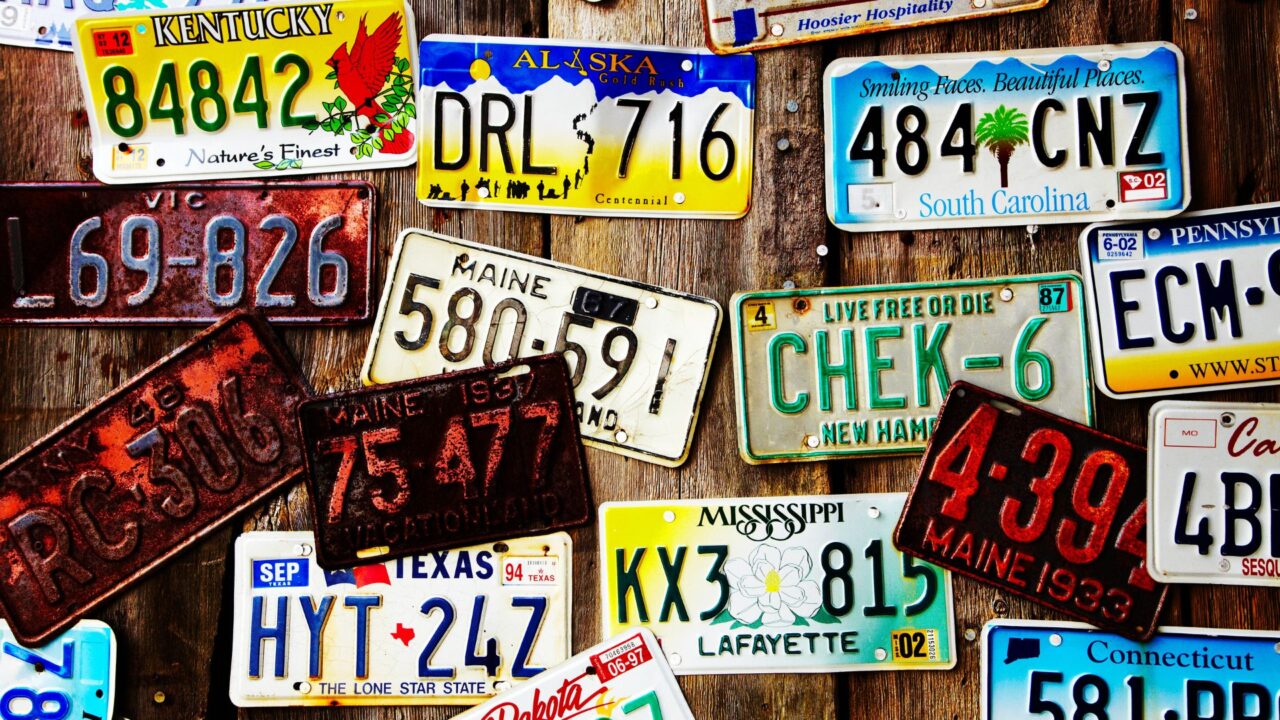
License plate customization is a popular way to further customize your car to tailor your overall tastes and style. However, with new cars featuring a sleek and futuristic design to the latest models, many car enthusiasts are opting to utilize a vinyl license plate wrap to maintain the aesthetic integrity and shape of the car.
A license plate wrap is a reflective vinyl overlay designed to replicate the appearance of a traditional license plate while offering theft protection, customization, and simplified mounting. Whether you’re a car enthusiast looking to streamline the look of a sports car or an electric vehicle owner exploring alternatives to drilling into a bumper, license plate wraps have emerged as a popular modification and a legally complex one.
Quick Answer to License Plate Wraps
A license plate wrap is a scannable, reflective vinyl covering that replicates the metallic look of traditional plates. It is made from reflective vinyl, is non-permanent, and removes cleanly. However, altering or applying unapproved vinyl over a state-issued license plate is illegal in most jurisdictions, making it essential to check your state’s laws before purchasing or installing one.
What Are License Plate Wraps?
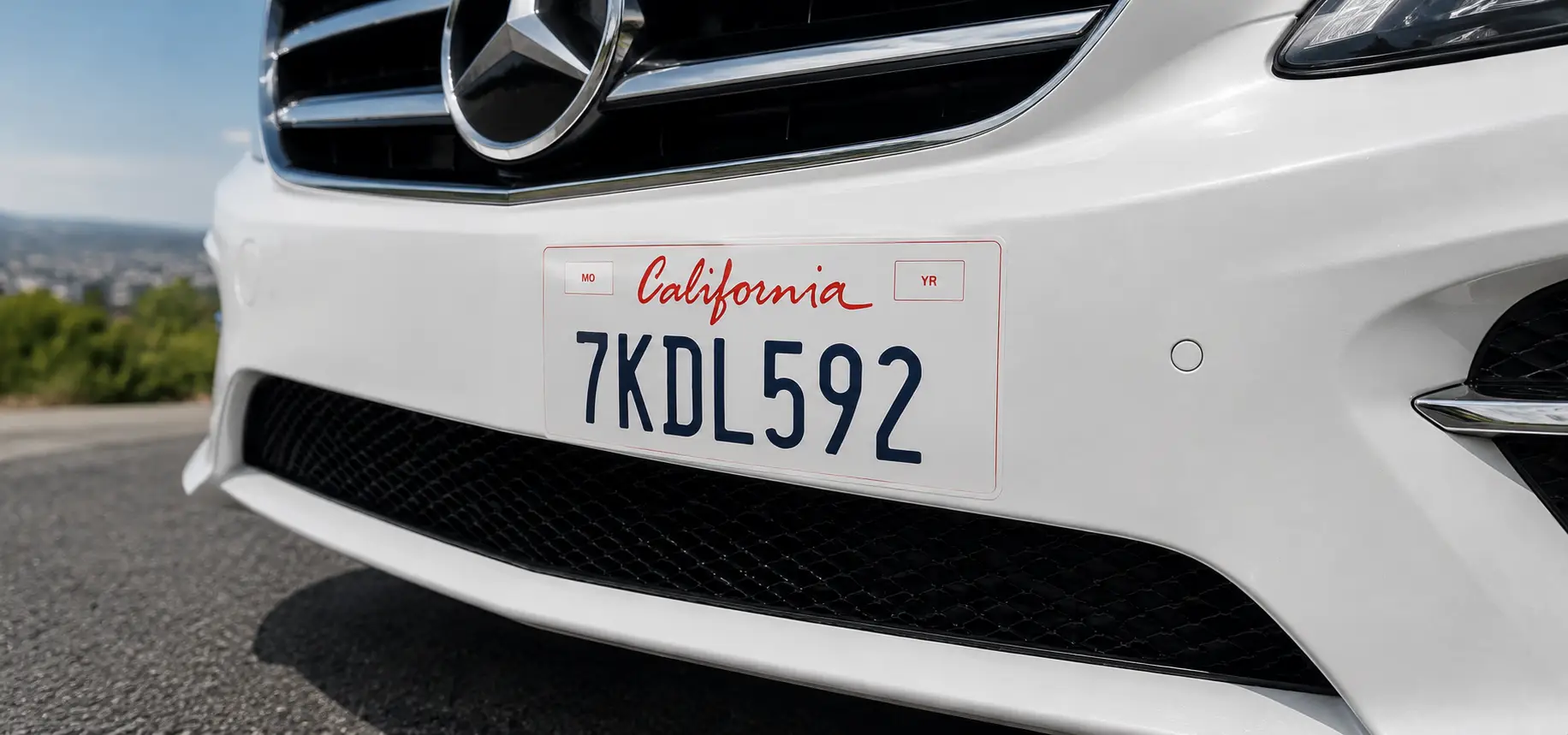
License plate wraps are semi-permanent adhesive vinyl products that serve as an alternative to traditional metal plates. They feature reflective properties engineered to maintain visibility under headlights and camera systems, and they carry your license plate number in a format designed to be scannable by automated readers.
Their appeal is straightforward: they’re lightweight, eliminate the need for drilling holes into a bumper for mounting, and are designed to improve vehicle aesthetics without protruding components. It also serves as an alternative for drivers who are concerned having their license plates stolen and for those who are focused on their car’s aesthetics.
Types of License Plate Wraps and Applications
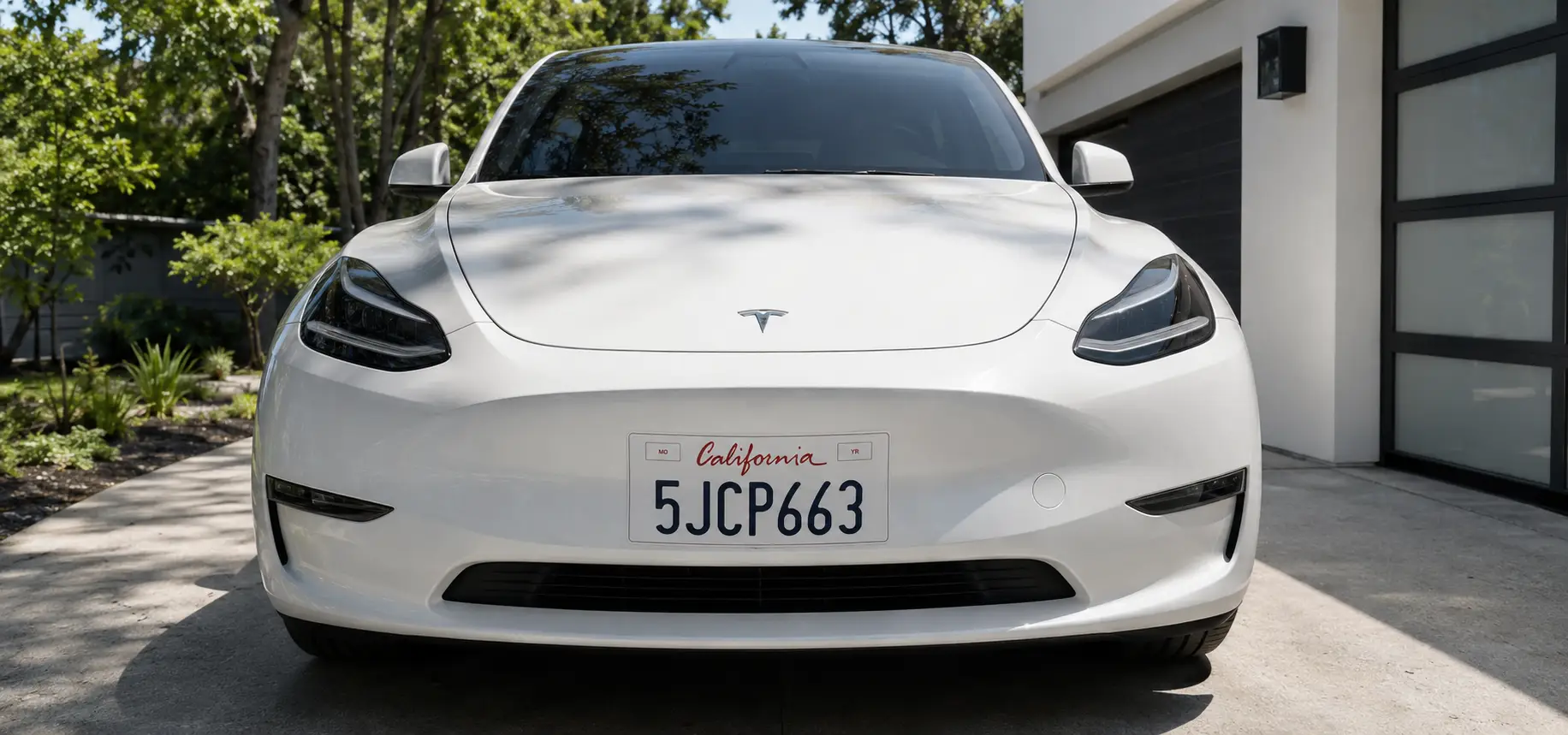
Building on the material and performance foundations above, license plate wraps fall into distinct categories, each with different use cases, legal exposure, and installation requirements.
Standard Replica Wraps
Standard replica wraps attempt to precisely replicate the state’s official plate design – same color scheme, font, layout, and registration details. A license plate wrap in this category replicates the metallic look of traditional plates using reflective vinyl layered over a flexible substrate.
While there is no state that explicitly permits vinyl wrapping of license plates as a general rule – though California legalized vinyl license plate wraps in 2022 under specific conditions. The critical detail: altering the color of a license plate wrap is illegal in California, and the wrap must conform to strict appearance and readability standards.
Custom Design Wraps
Custom design wraps go beyond replication, because they incorporate unique color schemes, graphics, or stylized layouts. These are the wraps most commonly sought by car enthusiasts looking to match a vehicle’s paint scheme or brand identity. However, legality issues are magnified significantly. State laws broadly prohibit “alteration of original appearance,” and custom wraps change the plate’s appearance.
Installation Process and Legal Compliance
With wrap types and quality benchmarks established, it is important to follow the practical steps for installation and the legal conditions before applying any product to your plates.
Step-by-Step Installation
For readers in jurisdictions where wraps are accepted, or for those applying wraps to display plates (show cars, off-road vehicles), here is the standard process:
- Clean the plate surface thoroughly– Remove all grease, oxidation, and road film using isopropyl alcohol or a dedicated vinyl prep solution. Any contaminant trapped under the wrap will cause bubbles and adhesion failure.
- Apply the wrap using heat gun technique– Position the vinyl from center outward, using a heat gun at low setting (around 180°F) to soften the adhesive and conform the material to any embossed characters. Work slowly to avoid stretching.
- Trim excess material precisely– Use a sharp blade to cut along plate edges, leaving approximately 1mm of wrap to fold over edges for a sealed finish. Unsealed edges are the primary point of failure.
- Test reflectivity and readability– Stand 50 feet from the installed wrap under direct light and verify all characters are legible. If possible, photograph the plate with a flash at night to simulate camera conditions.
Is A License Plate Wrap Legal in California?
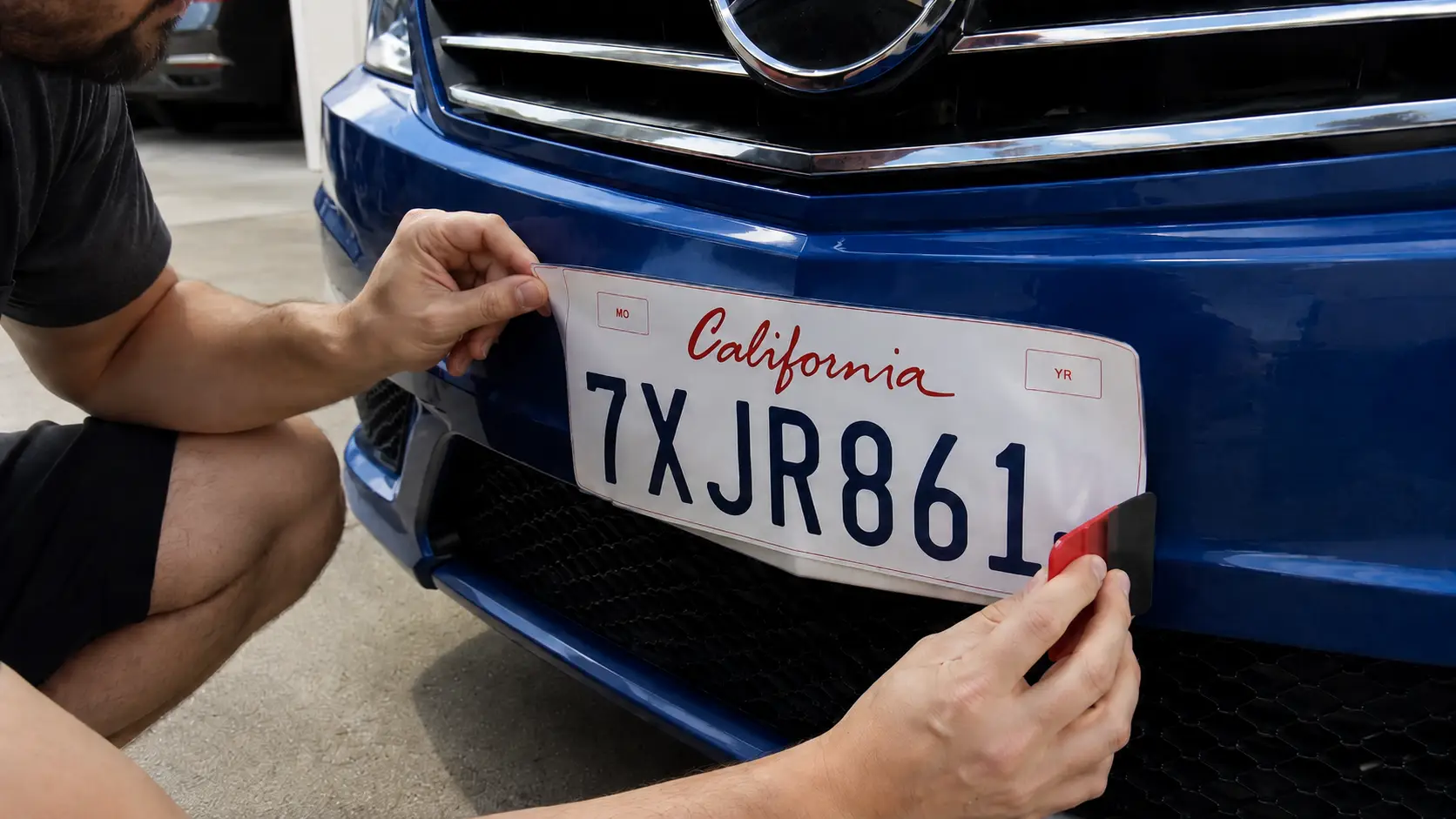
California is the first state to legalize vinyl license plate wraps for vehicles and they currently serve as an alternative option to the traditional license plate. The legalization was passed in 2022 through Assembly Bill 984 and it was passed as a means to lower the potential theft of license plates and registration stickers. However, license plate wraps are not street legal in California in the way many enthusiasts assume because its legality operates under specific conditions.
Is It Illegal to Change the Color of Your License Plate Wrap in California?
It is illegal to change the color of your license plate, according to California’s Vehicle Code 4464, a vehicle owner cannot alter the original markings of an issued license plate whether it is a traditional plate or a plate wrap. The only way to change the color and/or design of your license plate is unless you request one of the preapproved designs from the DMV and fill out the proper paperwork for it.
If you alter the color of your license plate illegally, an officer may pull you over for this infraction and issue you a fix-it ticket to correct it. If the fix-it ticket is not paid and resolved by the driver within 20 days, then according to California Vehicle Code Section 40310, the fine of the fix-it ticket is subject to a 50% upcharge. So if you are looking to further customize your license plate, it is important that you take all of the necessary steps to do so.
Can You Use a License Plate Wrap in Other States
As license plate wraps are still relatively new, their legality varies by state, and the differences are substantial.
Common Legal Challenges and Solutions
Every wrap installation, regardless of jurisdiction, faces practical challenges that affect compliance. Many vehicle owners receive a fix it ticket or citation after installing a wrap without researching their state’s specific laws.
The actionable solution to this is by searching your state’s vehicle code for terms like “license plate,” “covering,” “coating,” “wrap,” and “film.” If your state passed an assembly bill or statute update in 2023–2025, the language likely now explicitly addresses wraps. For instance, digital license plates are accepted in states like California, Arizona, and Michigan and they represent a legally sanctioned alternative that allows customizable display when parked while maintaining compliance when driving.
How Much Is the Ticket For Not Having a License Plate In California?
Whether you are using a traditional license plate or a vinyl wrap version, not having a license plate in general will result in fines and further legal punishment depending on the nature of your situation. According to California Vehicle Code 5200, any failure to display license plates onto your vehicle will result in a $197 fine plus additional court costs. Any failure to pay these will result in the court suspending or taking away your license.
What Should I Do If I Receive a Ticket For Not Having a License Plate?
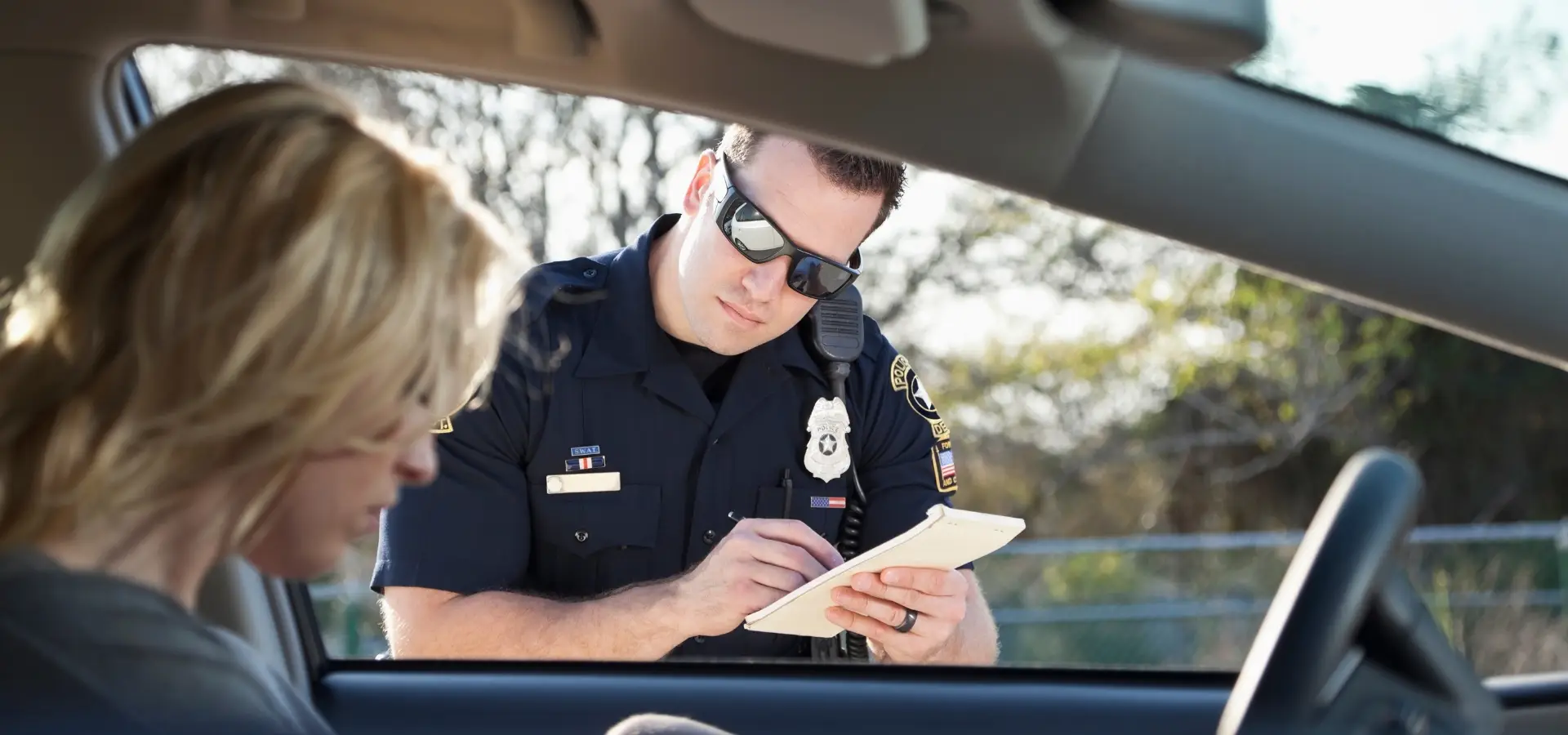
License plate wraps offer a lightweight, drill-free alternative to traditional metal plates, with legitimate applications in theft prevention, aesthetic customization, and simplified mounting. However, the legal landscape regarding its legality is still in the process of adjusting to this new alternative. If you have received a ticket for it, address the ticket and make the proper adjustments to your license plate before additional fees and punishment applies.
However, if you are subjected to an accident that has resulted with an injury or death and would like to seek legal representation of the matter, contact us today by calling (213) 927-3700 or filling our contact form to schedule a free consultation with our compassionate and talented legal team.