Most minor car crashes resolve without a lawyer. If no one was hurt, fault is clear, the vehicles have little damage, and the insurance company is handling the claim fairly, you may be able to resolve it on your own.
But a “minor” crash can become more serious than it first appears. Injuries may show up days later, the other driver may change their story, or the insurance company may deny you coverage or shift the blame entirely on you and increase your rates. When that happens, you may want to reconsider the thought of not hiring a car accident lawyer, because depending on how other people treat this accident, it can become costly.
Quick Takeaway
You should consult with a car accident attorney after a minor crash if you have experienced any of the following things:
- You have pain, soreness, headaches, dizziness, numbness, or limited mobility
- The other driver denies fault or gives a different version of events
- The insurance company is delaying, denying, or undervaluing your claim
- The crash involved a rideshare driver, delivery driver, commercial vehicle, uninsured driver, or government vehicle
- You are being asked to give a recorded statement
- You were offered a settlement before finishing medical treatment
- The accident aggravated a pre-existing injury
A free consultation with an attorney can help you understand whether your claim is worth pursuing before you sign anything or accept less than you deserve.
Understanding Minor Car Crashes
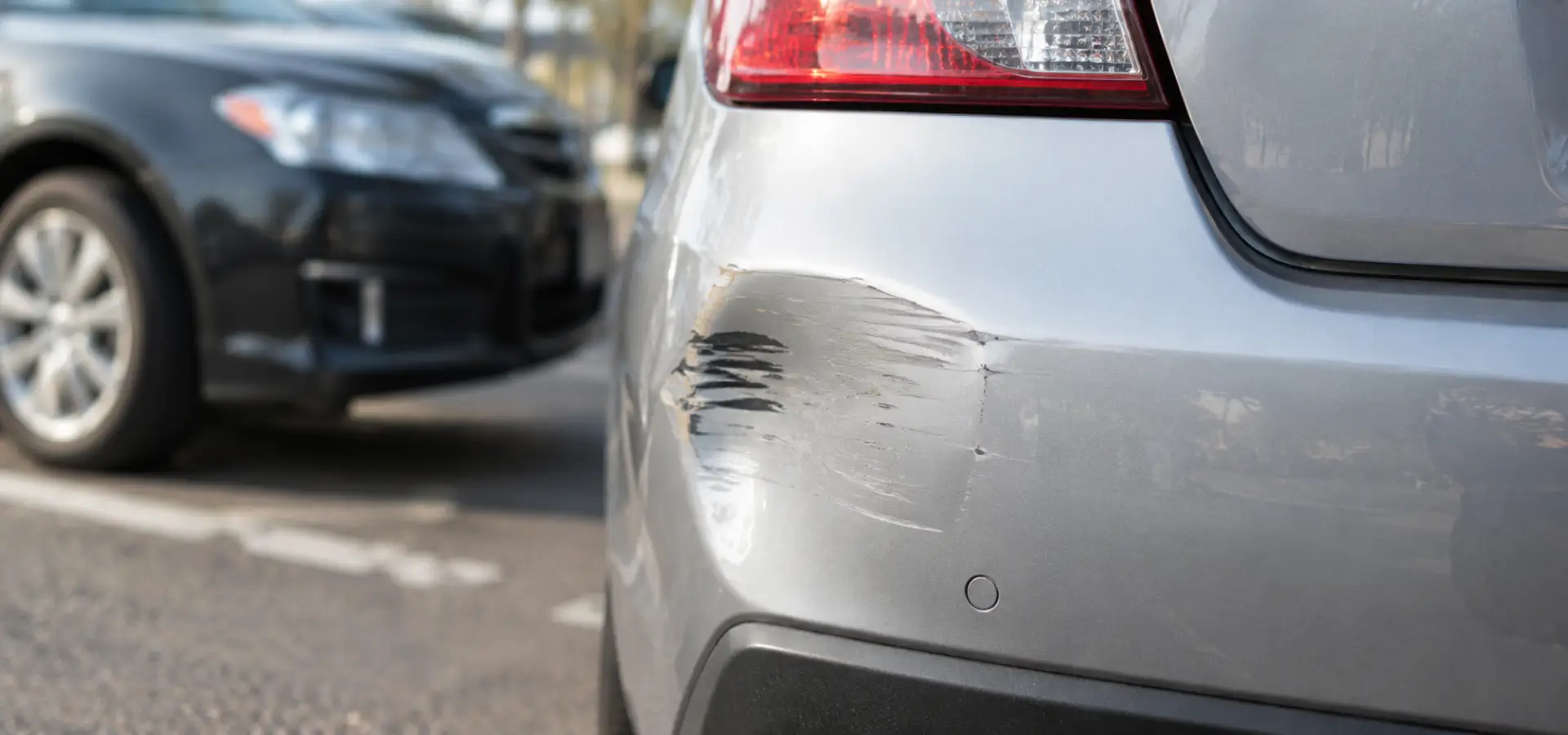
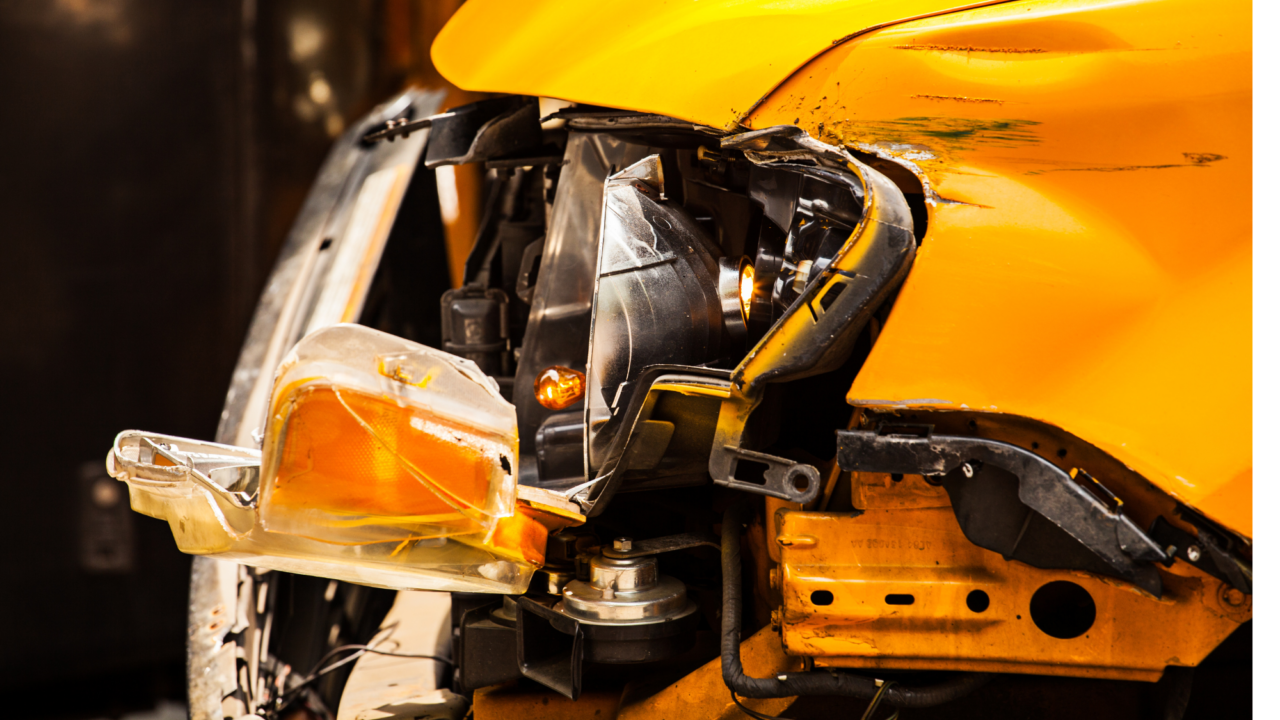
A minor car accident or typically referred to as a fender bender, involves a low-speed impact, usually under 10 mph, where airbags do not deploy and visible vehicle damage is limited to dents, scratches, or cracked bumper covers. These collisions typically happen in parking lots, at traffic lights, and during lane changes, and in most cases, people are able to resolve them quickly and for a low cost.
Why Minor Car Accidents Can Become Serious Claims
According to a study from the National Highway Traffic Safety Administration about 72% of car accidents result in only property damage, and in most of those cases the resolution is straightforward: file a claim, arrange car repairs, and resume normal life.
However, the problem is that vehicle damage does not predict injuries, because a U.S. reconstruction study of 105 minor rear-end crashes found that 113 of 151 occupants had medical complaints diagnosed within five weeks. Many of those injuries involved the lumbar and sacral spine or extremities, not just the neck. Meaning that even low speed collisions can generate cervical and lumbar injuries such as strain muscles, ligaments, and intervertebral discs.
When You Need a Lawyer for Minor Car Crashes
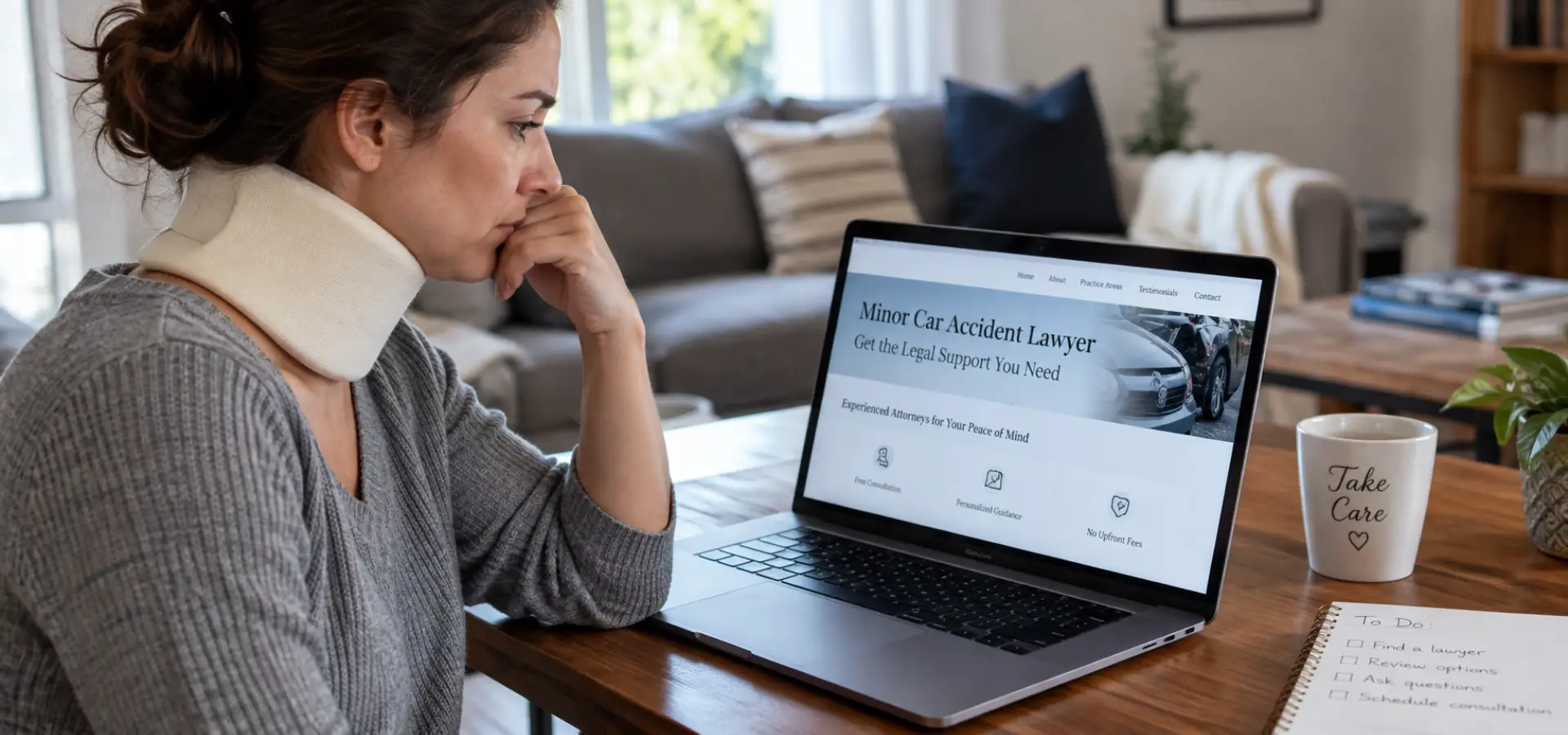
The gap between “I feel fine” after a collision and the reality of delayed injuries, claim denials, and low settlement offers is where legal help becomes necessary. Here are the specific situations.
Injury-Related Situations
Any symptom appearing hours or days after the crash warrants a medical evaluation and legal consultation. Once medical treatment goes beyond a single ER visit, the financial exposure increases, even more so when children are involved. As such, courts courts require linking symptoms to the crash through medical records and, in some cases, expert testimony and a lawyer can help document injuries that may not show immediately, connecting diagnostic findings to the collision through proper medical-legal records.
Insurance and Liability Issues
Insurance adjusters often minimize payouts for minor accidents by citing the lack of visible vehicle damage. If the other driver’s insurance company offers a quick settlement before your injuries are fully diagnosed, that offer will rarely cover future medical needs. Furthermore, if the other driver changes their story or if comparative negligence laws apply, the outcome depends on evidence and whether legal representation is involved.
Complex Circumstances
Even if the car accident is a minor one, any crashes involving commercial vehicles or rideshare drivers introduce higher policy limits and corporate legal teams that can complicate a simple accident into a complex one. This can even become even more complicated if a fender bender involves a government entity, because they invoke sovereign immunity, requiring specific legal procedures and shorter filing deadlines.
Do You Have to Report a Minor Car Accident?

Reporting requirements for a car accident usually depends on the nature and the severity of the crash. Even when a collision seems minor, you may still have to report it, especially if someone was injured, killed, or property damage exceeds a certain threshold. For example, in California, a crash involving injury, death, or property damage over $1,000 must be reported to the DMV within 10 days using an SR-1 form and to law enforcement within 24 hours as per California Vehicle Code § 20008.
What If There Is No Visible Vehicle Damage?
No visible damage does not always mean there is no claim. While modern vehicles are designed to absorb impact, but impact may damage the reinforcement bar, sensors, frame components, trunk alignment, or internal safety systems.
The same is true for the human body, but insurance companies often argue that “minor damage means minor injury”. However, the truth is the value of a claim depends on the actual vehicle damage, injury, treatment, medical records, work impact, and whether the crash caused or aggravated the condition.
How Lawyers Help with Minor Car Crash Cases
Hiring a lawyer for a minor car crash changes three things: the quality of evidence, the leverage in negotiations, and the accuracy of compensation calculations. While it is not mandatory to hire a lawyer for a minor car accident, but by doing so, it can maximize your compensation by bringing resources that can help solve any complex problems that arises.
How an Attorney Can Negotiate with an Insurance Company
Legal representation can prevent you from accepting lowball offers, because insurance companies often undervalue claims and offer quick settlements that might not cover long-term needs. Most car accident attorneys know this tactic and handle these negotiations as a core part of their practice, and the difference between a self-negotiated and attorney-negotiated resolution can be tens of thousands of dollars.
How Having an Attorney Can Impact Your Compensation
Calculating fair compensation for a minor car crash requires adding up several categories from current medical expenses to property damage that covers vehicle repairs or diminished value. Even if one side admits causing the accident, they can still dispute how much you may be able to recover depending on the evidence you present.
Spinnenweber v. Laducer (2020) is a case that serves as a perfect example, because even when a defendant admits fault for an accident, the plaintiff still has to prove that the accident caused the specific injuries and damages being claimed. This case highlights the importance of hiring a lawyer because even if one side admits fault, the discussion of how much you need to recover from the accident, no matter how minor, can become heavily disputed.
State-by-State Differences for Minor Car Accidents
Car accident claims are handled differently depending on where the crash happened. The biggest differences involve the lawsuit deadline, comparative negligence rule, and reporting requirements.
These are general rules. Claims against government agencies, public employees, public transit, dangerous roads, or city-owned vehicles may involve much shorter deadlines.
Common Mistakes After a Minor Car Accident
Many people accidentally weaken their claim because they assume the crash is too small to matter. Avoid these mistakes:
- Saying “I’m fine” before you know whether you are injured
- Leaving without exchanging information
- Failing to take photos
- Not reporting the crash when required
- Waiting too long to get medical care
- Ignoring headaches, dizziness, numbness, or back pain
- Giving a recorded statement without preparation
- Accepting a quick settlement
- Posting about the crash on social media
- Throwing away damaged parts, repair documents, or medical paperwork
Small mistakes can give the insurer a reason to reduce or deny your claim.
Speak With a Car Accident Lawyer Today
A minor car accident can still create serious problems if injuries appear later, fault is disputed, or the insurance company refuses to pay fairly. Before accepting a settlement or assuming you do not have a case, it may help to speak with an attorney.
West Coast Trial Lawyers represents car accident victims across California, Nevada, Arizona, Washington, and Colorado. Our team can review the crash, gather evidence, deal with the insurance company, and explain whether legal representation makes sense for your situation.
Call 213-927-3700 or complete our online contact form to schedule a free consultation.
Frequently Asked Questions About Minor Car Crashes
How Can a Lawyer Help in a Minor Car Accident With No Visible Injuries or Damages?
A lawyer can help navigate the complexities of insurance claims, ensure that any delayed injuries are accounted for, and provide legal advice on potential unseen vehicle damages.
What Are the Risks of Not Hiring a Lawyer for a Minor Car Accident?
Without legal representation, you might undervalue your claim, overlook long-term impacts, or miss critical legal deadlines, leading to insufficient compensation or losing the right to claim.
Can I Still Claim Compensation if I Didn’t Report the Accident Immediately?
Yes, you can still claim compensation, but immediate reporting is always advantageous. A lawyer can assist in mitigating the challenges of late reporting.
Can I Still File a Claim if There Was No Police Report?
A police report can help, but it is not the only way to prove a claim. Photos, medical records, witness statements, dashcam footage, repair estimates, and surveillance video can also support your case.
Do I Need a Lawyer if the Insurance Company Already Made an Offer?
You may want a lawyer to review the offer before accepting it. Early offers often do not account for future medical care, missed work, delayed symptoms, or pain and suffering.
Can a Minor Crash Cause a Concussion?
A concussion can happen when the head is struck or when the body is jolted suddenly. Symptoms may include headache, confusion, dizziness, nausea, light sensitivity, memory issues, or sleep problems.
What if the Other Driver Says There Was No Damage?
Vehicle damage is only one part of the claim. A professional inspection may reveal hidden damage, and medical records may show injuries even when the cars do not look severely damaged.