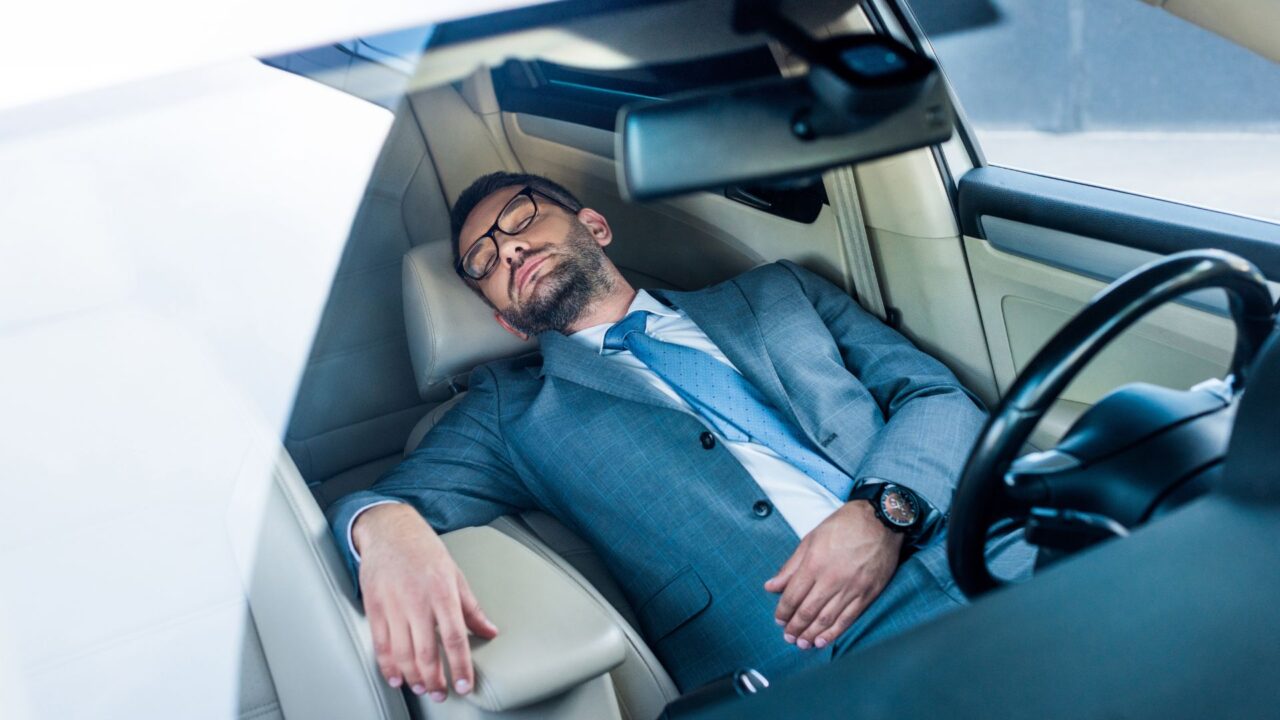
Whether you are on a cross-country road trip, pulling a late shift, or living out of your vehicle, many drivers wonder if it is illegal to sleep in your car, while the answer may seem straightforward if you are particularly tired, but it is more complicated than a simple yes or no. This guide breaks down the laws, risks, and practical tips you need to know before you recline that seat.
Quick Answer: When Is It Illegal to Sleep in Your Car?
Sleeping in your car is not inherently illegal under federal or most state laws. Instead, it is local laws and private property policies that determine whether you can legally sleep in your vehicle on any given night. The legality of this rule tends to change drastically depending on local ordinances, so the same nap could be perfectly fine in one city and ticket-worthy in the next.
Factors that Can Determine When its Illegal
In most states, sleeping in your car is not automatically a crime, but you can still run into legal trouble based on:
- Where you park- a rest area, a public street, a parking lot, or someone else’s property all carry different rules.
- When you park- many cities enforce overnight parking bans between roughly 10 p.m. and 6 a.m.
- Why police contact you- officers may investigate for trespassing, loitering, DUI, or violations of camping bans.
Before you settle in for the night, always check local regulations and posted signs in the exact city, county, or land management area where you plan to park. Five minutes of research can make all the difference between a restful night and an unwanted wake-up call from a police officer.
Why Is Sleeping in Your Car Sometimes Illegal?
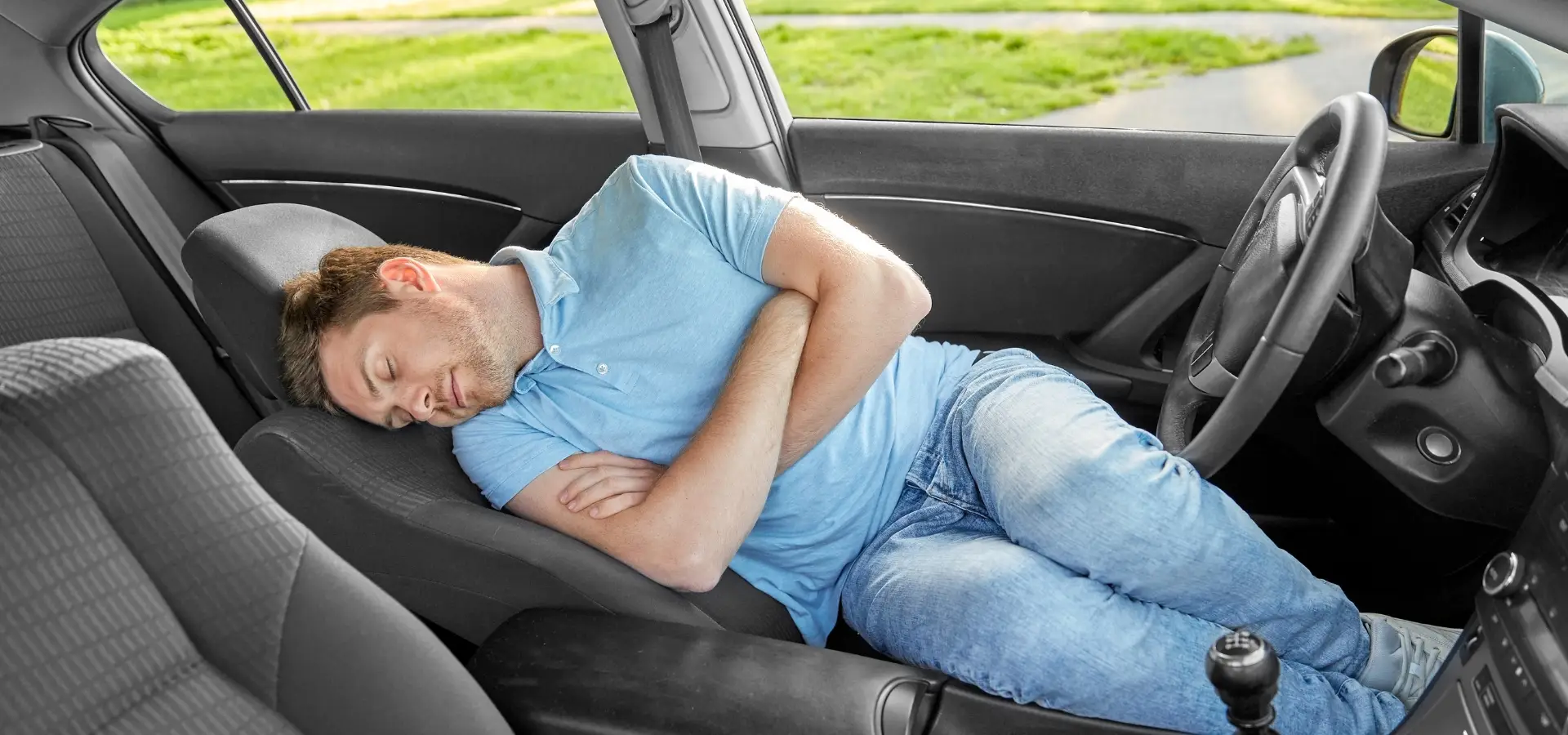
City and county governments use local ordinances to regulate behavior that affects neighborhoods, businesses, and public spaces. More than 100 U.S. cities have enacted specific ordinances restricting sleeping in vehicles, and enforcement of local laws can vary significantly across jurisdictions. Here is why lawmakers impose these restrictions:
- Camping in vehicles on city streets can block traffic flow, reduce available parking for residents, and create sanitation concerns when waste accumulates.
- Overnight parking on public property near schools, playgrounds, or residential areas raises safety concerns for local residents.
- Vehicle habitation bans may classify sleeping in a vehicle as illegal camping, treating long-term car dwelling differently from a driver resting for a few hours during a trip.
- Lawmakers cite public safety, sanitation, loitering, and business access as primary reasons to restrict car sleeping in certain areas or time windows.
- DUI and public intoxication laws create risk for anyone who sleeps in the driver’s seat with keys accessible. Many states define impaired “actual physical control” broadly enough to include a parked, engine-off vehicle.
As local municipalities have enacted specific anti-camping or vehicle habitation laws to precisely combat against safety concerns, the act of sleeping in a car can be legal at a highway rest stop but illegal one block away on a residential side street.
What States Make It Illegal or Difficult to Sleep in Your Car?
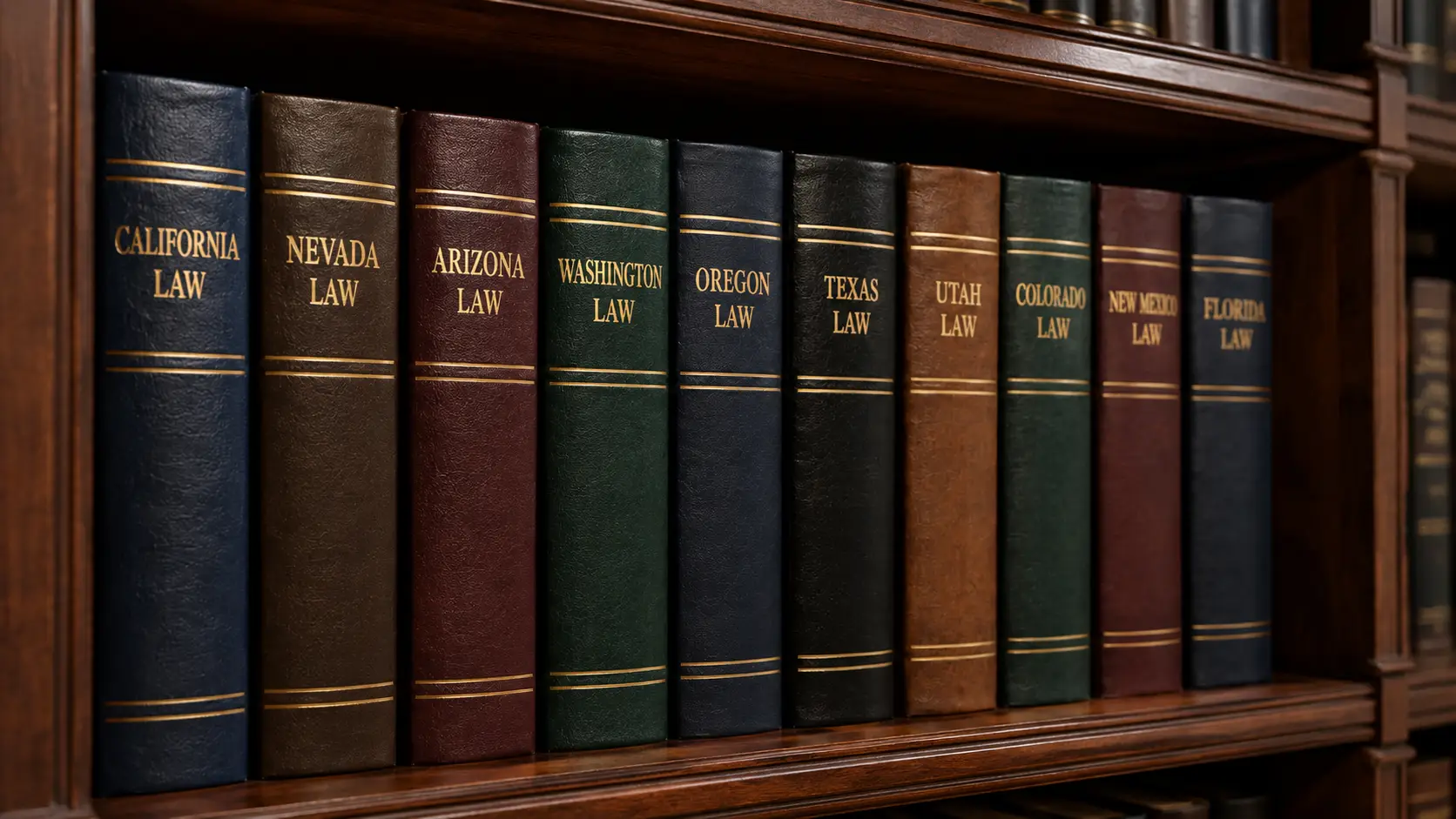
No U.S. state has a universal statewide ban that says “you cannot sleep in your car anywhere.” However, several states and tourist regions impose tight restrictions on where a car can legally park overnight, making it effectively illegal depending on location.
State Examples: How Car Sleeping Laws Differ Across the U.S.
Understanding how state laws play out in practice requires looking at specific examples. Always verify the local rules in the exact town or county before relying on state-level guidance.
California
California has no statewide ban on car sleeping and rest stops in the state allow sleeping in cars for up to eight hours under California Code of Regulations Title 21, Section 2205. However, California cities can set their own rules about sleeping in cars, and many California cities issue fines from $25 to $500 for illegal sleeping – particularly near homes, schools, and parks in Los Angeles, San Diego, and San Francisco.
Florida
Florida passed a broad public camping ban in 2024 (HB 1365), but the law explicitly exempts people sleeping in registered, insured vehicles that are parked legally. Despite this, local laws in the Florida Keys make car sleeping nearly impossible outside registered campgrounds. The contrast between mainland rules and Keys enforcement is stark.
Texas
Texas has no statewide law against sleeping in cars. However, cities like Austin and Dallas rely on public camping and nuisance ordinances to regulate overnight stays in vehicles. Rest areas along Texas highways have time limits, and ignoring signs can result in citations.
Virginia
As of 2026, Virginia’s Administrative Code bans sleeping in vehicles at state rest areas and prohibits overnight parking at those facilities entirely. With this new law in affect, it pushes tired drivers toward private truck stops or motels and it signals to everyone that laws related to car sleeping can change frequently.
Missouri
Missouri broadly allow resting in your car at specific service plazas or welcome centers for defined periods. Missouri’s §67.2300 makes unauthorized sleeping on state-owned lands a class C misdemeanor but focuses enforcement on warnings first, showing how you can often legally sleep in your car overnight when rules are followed.
Can I Sleep for a Night in My Car?
If you are extremely tired or are not able to safely operate a vehicle, you can sleep in your car for a night, however, depending on where you live and where you are, it is highly recommended to prioritize safety above all else. Should an officer approach you about it, be completely honest about the reason and they will either understand the reason or help you navigate to a safer and more lawful spot.
Do You Have to Crack a Window When Sleeping in Your Car?
You do not need to crack open a window when sleeping in your car, but it may be recommended if you require a source of air flow and to cool down the car’s interior. However, if the area you parked your car in is not safe, then it is recommended that you do not crack open a window, as it may invite the possibility of carjackers from taking advantage of the situation. Whatever you decide on, it is important to consider all of the possible factors that can occur in the area before you choose to sleep in your car.
Is It Illegal to Live in Your Car?
There are no federal laws that inherently prohibit people living in their car, however, there are local laws and restrictions that prohibit people from living in their car in certain locations such as residential neighborhoods, streets, and businesses.
While states like California has enacted the Right to Rest Act, which allows people to occupy and utilize public spaces to rest and relax without discrimination, this is more meant to prohibit class-based discrimination and harassment for those who do not have a private place to rest. However, the act does state a person can occupy a motor vehicle for any purpose, if the vehicle is legally parked on public and/or private property with permission.
Special Considerations: Homelessness, Vehicle Dwelling, and Public Land
Many people sleep in their cars not by choice but because they lack housing. This reality shapes how cities write and enforce their ordinances, and it deserves an honest, empathetic discussion. The U.S. Supreme Court ruling in City of Grants Pass v. Johnson supports local enforcement of anti-camping laws, giving municipalities clearer authority to cite or remove vehicle dwellers from public spaces.
As a result, some cities have passed ordinances specifically targeting vehicle habitation, and for those who need help, many nonprofits and local governments operate safe parking programs or shelter referral systems. Contacting local 2-1-1 or city services can connect you with updated resources in your area.
Where Can You Legally Sleep in Your Car?
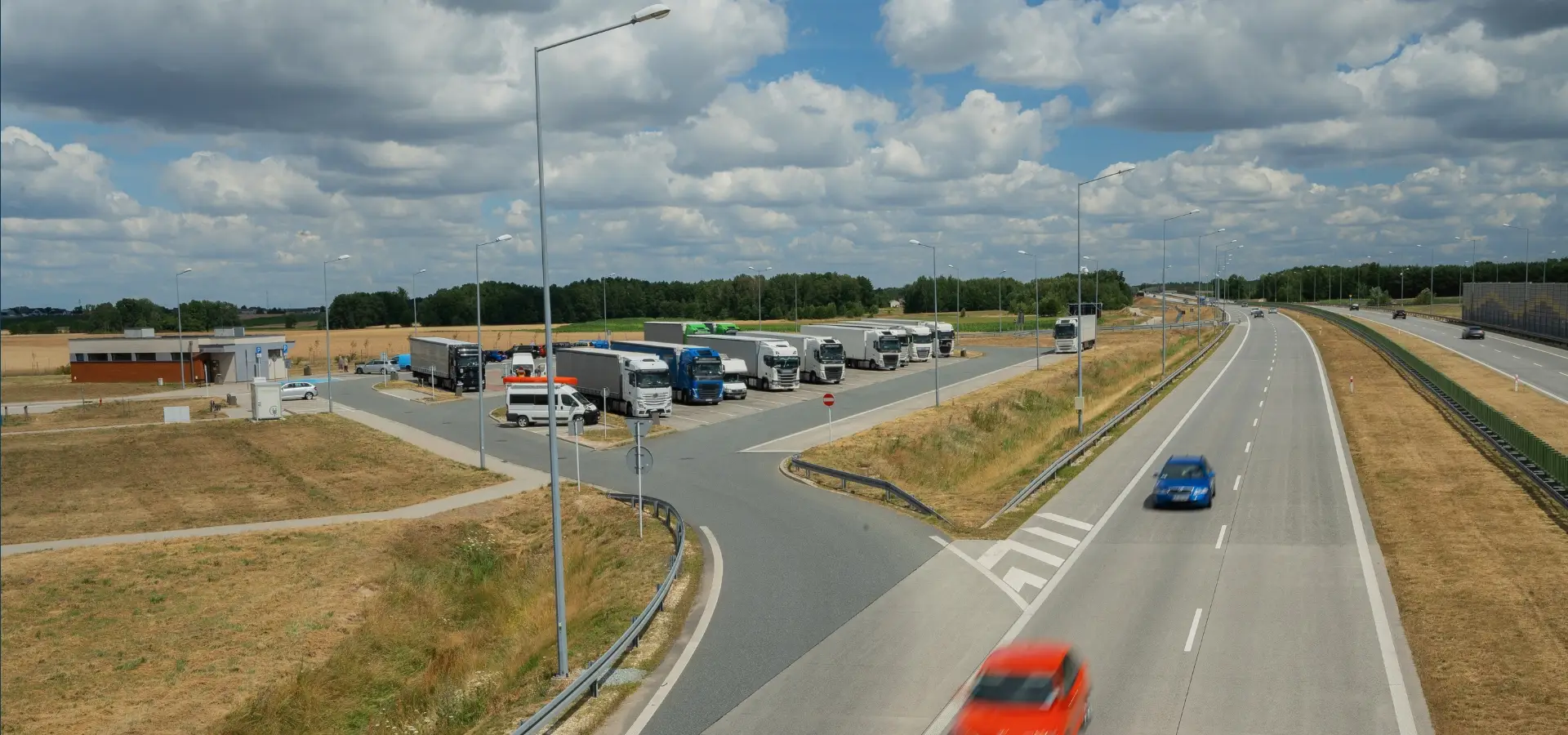
When it comes to sleeping in your car, the legality often turns less on the act of sleeping and more on where the car is parked. The distinction between public property and private property is critical, and private property rules govern sleeping in commercial parking lots entirely.
- Public streets and city lots: Typical overnight parking bans, meter rules, and “no overnight parking” or “no camping” signs can make car sleeping illegal even if the car is otherwise parked correctly. Check for signs before settling in.
- State-owned highway rest areas and designated rest areas: Most allow short-term rest (2 to 24 hours depending on the state), but prohibit camping setups like tents, chairs, or grills outside the vehicle.
- Private business parking lots: Policies at places like Walmart parking lots, 24-hour gyms, and casinos are controlled by the property owner and can change store by store. Some Walmart stores permit overnight parking with manager’s permission, but not all do – always ask. Trespassing on private property can lead to citations or removal.
- Residential driveways and private land: Sleeping in your own car on your own property is generally legal, but HOA rules and city codes sometimes regulate visible vehicle dwelling.
- Churches, nonprofits, and safe parking programs: These are often the safest and most clearly legal options for people who need to stay in vehicles for more than one night. Safe parking programs in cities provide secure spaces for vehicles, sometimes with security, restrooms, and wi-fi access.
If you are on someone else’s property without explicit permission and refuse to leave when asked, you can face criminal trespass charges. Remaining in a parking lot or on private land after a warning escalates what might have been a minor issue into serious trespassing issues.
When Does Sleeping in a Car Turn Into a Legal Problem
Most car sleeping encounters with law enforcement end uneventfully, but certain conditions can push the situation into real legal consequences.
- Parking violations: Overnight parking restrictions can result in citations. Fines for sleeping in restricted areas range from $25 to $500 depending on the jurisdiction.
- Trespassing: Remaining on private property after being warned is a common path to charges. What starts as a request to move can become a criminal citation.
- Camping in vehicle citations: Cities with vehicle habitation ordinances can issue specific illegal activity citations for using a car as a dwelling.
- DUI / DWI risks: Being in the driver’s seat with keys in the ignition can lead to DUI charges even if the engine is off. In State v. Sims (2007), a New Mexico court found “actual physical control” when the driver was asleep with keys on the passenger seat. Anyone who has been drinking should sleep in the back seat and store keys out of reach.
- Disorderly conduct and loitering: Complaints from neighbors or businesses about noise, litter, or public urination can prompt police to investigate and issue citations unrelated to sleeping itself.
- Long-term vehicle dwelling: Staying in the same public spot night after night often triggers enforcement, towing, or orders to move. Ignoring warnings can lead to vehicle towing or impoundment.
Repeated offenses can result in higher fines and penalties. Most first-time contacts end with a warning, but ignoring repeat offenses dramatically increases your risk.
How Law Enforcement Typically Responds
Officer responses vary by jurisdiction, time of night, and whether the contact stems from a welfare check or a neighbor’s complaint. In most cases, police may issue tickets or arrest for related violations, but the initial approach is usually casual.
For example, officers may conduct welfare checks by knocking on your window to confirm you are safe, sober, and not in medical distress. However, if you are on private property without permission or in a posted no-parking area, police or security will usually ask you to leave first, if not they may issues tickets or tow your vehicle.
If contacted by a police officer, keep hands visible, stay calm and polite, provide license and registration when required, and avoid arguing on the roadside. You generally do not have to consent to a vehicle search without a warrant or probable cause, but any refusal should be calm and respectful.
What To Do If You’re Cited or Arrested for Sleeping in Your Car

Car sleeping cases range from a minor parking ticket to serious DUI or trespassing charges and how you respond matters. However, if you believe you were subjected to unlawful treatment by local law enforcement or a third party, you may be eligible to seek compensation regarding the matter.
Contact us today by calling (213) 927-3700 or by filling our contact form to schedule a free consultation with our compassionate and talented legal team.
FAQs About Sleeping in Your Car
Is It Illegal to Sleep in Your Car in a Parking Lot?
It depends on the property owner’s policies and posted signs. Store policies, trespass laws, and local ordinances govern whether you can legally sleep in your car in that lot. Some Walmart stores allow it with permission; many business parking lots do not.
Can You Sleep in Your Car at a Rest Area?
Many states allow limited-time rest at designated rest areas, but others – like Virginia – ban overnight sleeping entirely. Check local regulations before counting on it.
Can I Get a DUI for Sleeping in My Car?
Yes, in many states. If you are intoxicated and in the driver’s seat with keys accessible, you can be charged under “actual physical control” statutes even if the engine is off and the car is not moving.
Where Is the Safest Place to Sleep in My Car?
Designated rest areas, truck stops, RV parks that accept vehicles, campgrounds, and official safe parking lots are your best bets. Look for well lit areas with regular foot traffic.
Can I Sleep in My Car on Public Land?
Often yes, particularly on BLM or national forest land where overnight camping is permitted. Stay limits (often 14 days) and fire restrictions apply. Always check with the specific land management office.