If you’ve ever had someone slam on their brakes in front of you for no apparent reason, you’ve experienced what’s called brake checking. It’s dangerous, it’s infuriating, and it raises a question drivers ask constantly: is brake checking illegal? Here’s everything you need to know about the law, who’s at fault, and how to protect yourself.
Quick Answer: Brake Checking is Illegal
Brake checking is illegal in every jurisdiction across the United States. While almost no state has a statute that literally uses the phrase “brake checking,” the behavior is classified under reckless driving and aggressive driving laws that exist in all 50 states.
Is it illegal to slam on your brakes if someone is tailgating you? Absolutely. Intentionally slamming your brakes to punish, scare, or “teach a lesson” to a trailing driver can lead to traffic citations, fines, and points on your driver’s license, and in serious brake checking cases, criminal charges and civil liability. What surprises many drivers is that brake checking is illegal even when there’s no brake checking accident, because deliberately creating a road hazard is itself unlawful.
What Is Brake Checking?
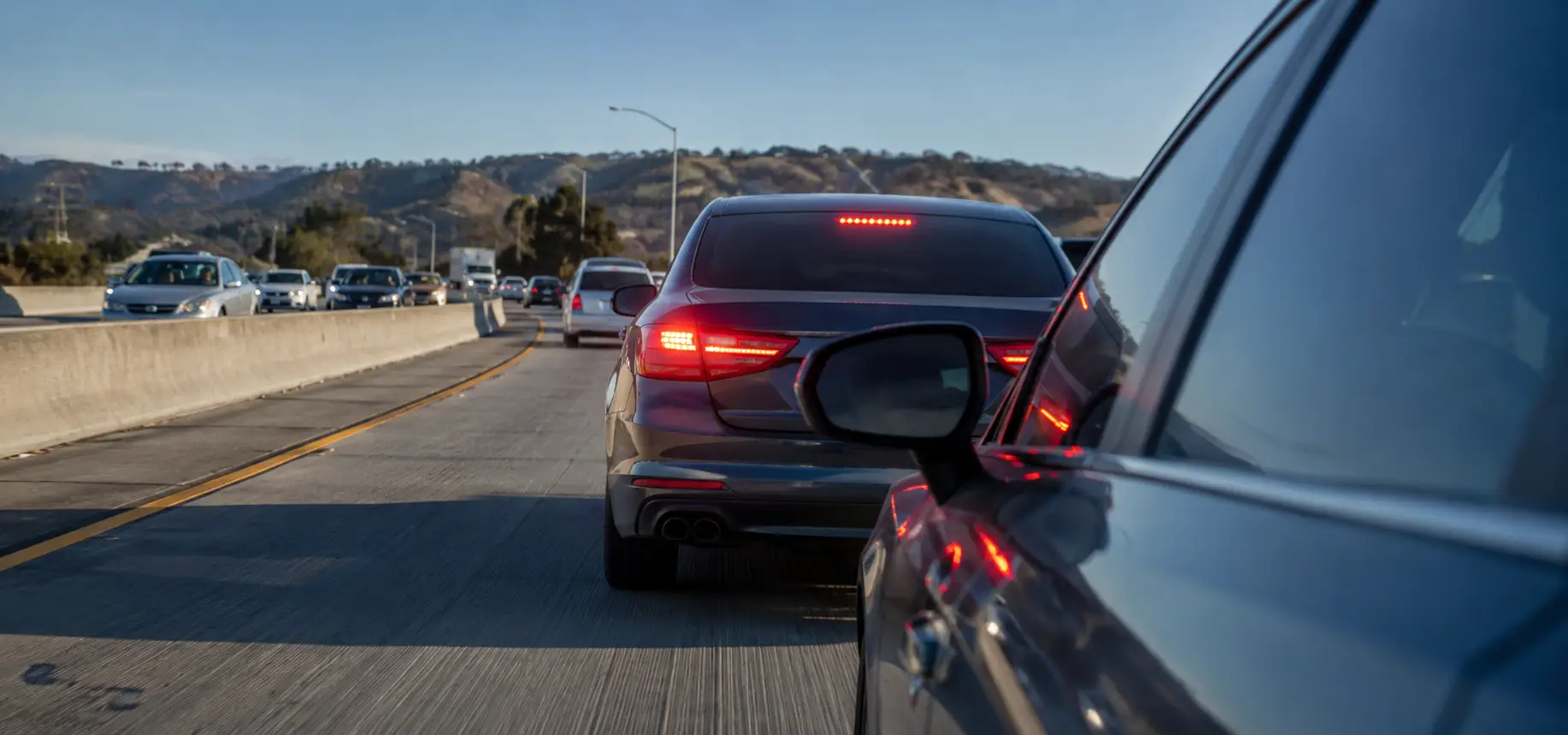
Brake checking is the intentional, sudden use of brakes by the lead driver to startle, intimidate, or provoke the driver behind them. It’s fundamentally different from normal or emergency braking because the goal isn’t hazard avoidance; it’s retaliatory behavior.
Why Would a Driver Brake Check Someone?
While brake checking someone can be an attempt to enrage the driver behind for their reckless or negligent driving behavior, there are other reasons why someone would do them:
- Highway tailgating: when someone is tailgating at 65–75 mph, the lead driver brakes suddenly to “send a message.”
- Road rage after lane changes: being cut off or receiving hostile gestures leads to impulsive brake checks.
- City stop-and-go traffic: frustrated drivers test distracted or overly aggressive trailing drivers with sudden braking.
- Crash-for-cash schemes: some brake checking incidents are planned insurance fraud, especially targeting commercial trucks.
- Spontaneous anger: a driver simply slams on their brakes in the heat of the moment, with no hazard present.
The distinction between each scenario matters a lot legally, because the intent is what separates a dangerous behavior from a legitimate reaction. For example, the courts and insurance companies would examine the intent differently if a driver brake checks someone versus braking for a wandering child in middle of the road.
Is Brake Checking Illegal in the U.S.?
Most states don’t have a law titled “brake checking.” Instead, the conduct violates broader reckless or aggressive driving statutes that prohibit driving with wanton disregard for safety. Here’s how key states handle it:
In several of these states, police and courts treat brake checking as illegal even when no crash occurs, because the conduct creates an unreasonable traffic hazard. Penalties range from fines and points to license suspension and, where serious injury results, charges like aggravated assault or vehicular homicide.
Can Brake Checking Send You to Jail?
Brake checking is usually charged as a traffic offense or misdemeanor, but serious brake checking cases can absolutely lead to jail or prison time. One of the most prominent examples of criminal brake checking is Anderson v State (2021), where video evidence of chasing and brake checking led to convictions for aggressive and reckless driving.
While every car accident claim can be disputed in a number of ways, however, evidence is can determine whether the brake checking incident is civil or criminal. Even a single moment of anger can trigger a major car crash with life-changing legal consequences.
Who Is at Fault in a Brake Checking Accident?
Determining fault in brake checking collisions is more complex than the standard “rear driver is always to blame” rule. While the trailing driver in rear end collisions is often presumed at fault for following too closely, intentional brake checking by the lead driver can shift or share liability.
Here’s how it works:
- If the lead driver had no legitimate reason to stop suddenly, the driver who performs the brake check is usually found at fault for any resulting rear-end collision.
- When one driver was tailgating and the other brake checked, both drivers can share responsibility. Brake checking can shift liability from the rear driver to the lead driver depending on the evidence.
How Does Liability Differ from State to State?
In the event of a brake checking accident, liability can be split depending on the nature of the incident and which state you live in can dramatically affect your chances of recovering compensation. Here is how different fault systems affect outcomes dramatically:
Rear end collisions from brake checking account for roughly 30% of accidents, according to industry research. Evidence of the brake checking driver’s intent is often decisive in overcoming the standard rear-end presumption of fault.
How to Get Evidence After a Brake-Checking Accident
Proving an intentional brake check is often the single most important factor in winning disputed fault cases, because without evidence, insurers default to blaming the rear driver. As such, any of the following evidence can be extremely useful to utilize in a brake checking accident:
- Dash cam footage- One of the most critical evidence in brake checking cases. dash cam footage can show the timing and severity of sudden braking relative to traffic conditions, capture hostile gestures or lane weaving before the incident, and undercut false claims that the lead driver braked for a legitimate hazard.
- Witness statements- Whether it is from other drivers, passengers, or staff at a nearby business, witness statements can provide unbiased accounts of brake checking incidents, confirming road rage behavior or repeated brake checks.
- Police reports- Officers may note signs of aggressive driving, tailgating, or admissions of anger. Citations for reckless driving or following too closely can strongly influence liability assessments. Police reports can help establish liability in brake checking accidents.
- Traffic camera footage– This type of footage can be used to prove brake checking behavior near intersections, highway ramps, or parking lots.
What to Do If Someone Brake Checks You?
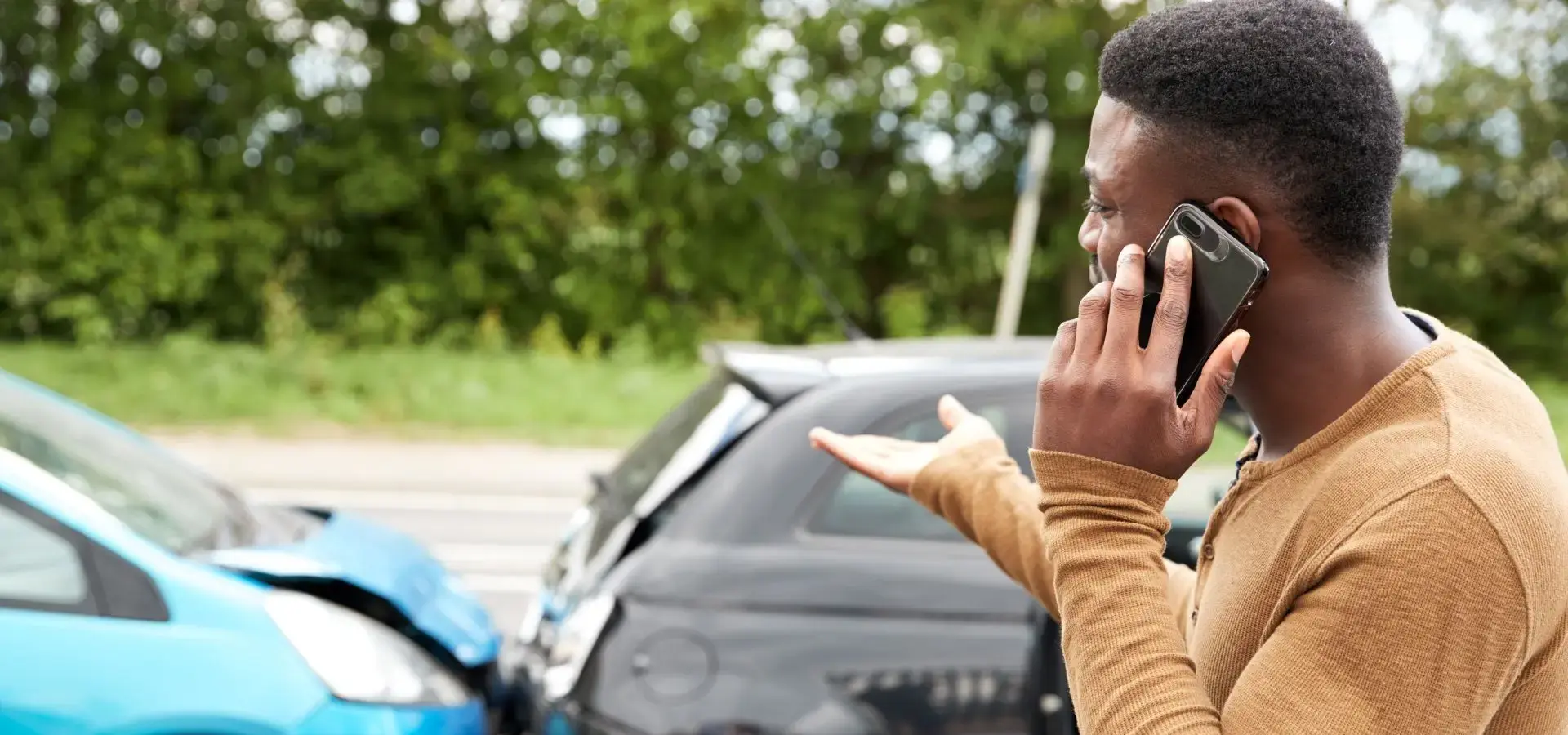
Safety and de-escalation should be your priority when confronted with an aggressive driver who suddenly slams on their brakes.
If Someone Brake Checks You but You Avoid a Collision
- Maintain a safe distance and a reasonable distance behind the other driver and do not retaliate.
- Change lanes or safely pull off the road to let the aggressive driver move away.
- If the behavior escalates, stay calm and call 911 with your location, the vehicle description, and license plate. Use turn signals and drive predictably and most importantly, do not chase the other driver.
After a Brake Checking Accident
- Move vehicles to safety if possible. Check for injuries and call 911 for any serious injury or heavy damage.
- Do not admit fault or accuse the other driver at the scene. Exchange insurance information calmly.
- Gather evidence: take photos and video of vehicle positions, skid marks, and traffic signs. Preserve any dash cam footage.
- Ask witnesses for names, phone numbers, and any video they captured.
- Speak with a personal injury lawyer experienced in brake checking cases before giving recorded statements.
Call West Coast Trial Lawyers if You are Involved in a Brake Checking Accident

No matter how infuriating tailgating or rude driving may be, using your brakes as a weapon is never justified. It’s a reckless act with consequences that far outweigh any momentary satisfaction. However, if you get brake checked and rear-end someone as a result, it is important to document the accident as much as possible and hire a car accident attorney to help you with your case.
At West Coast Trial Lawyers, our legal team can help you with your personal injury claim and provide you with legal assistance to ensure justice is rightfully served.
Contact us today by calling (213) 927-3700 or by filling our contact form to schedule a free consultation with our compassionate and talented legal team.