If you’ve ever sat in the back of a ride wondering whether your Uber driver should be chatting away on a call, you’re not alone. Phone usage behind the wheel is one of the most common safety concerns among riders and one of the most misunderstood rules among drivers. Here’s what you need to know about the laws, platform policies, and etiquette around this topic.
Quick Answer: Can Uber Drivers Talk On The Phone During a Ride?
The short answer is that Uber drivers are not allowed to hold or manually use their cell phone while driving. In nearly every jurisdiction, holding a phone while driving is illegal and Uber drivers must follow local hands-free driving laws, and Uber expects compliance as a condition of staying on the platform.
However, it is important to note that brief, hands-free phone calls related to the next Uber ride may be acceptable depending on where you drive. But continuous personal phone calls lasting the whole ride are discouraged by Uber and can violate distracted driving laws in most states. As such, safety and compliance with local law always override driver preference or passenger convenience.
What Do Distracted Driving Laws Say About Phones While Driving?
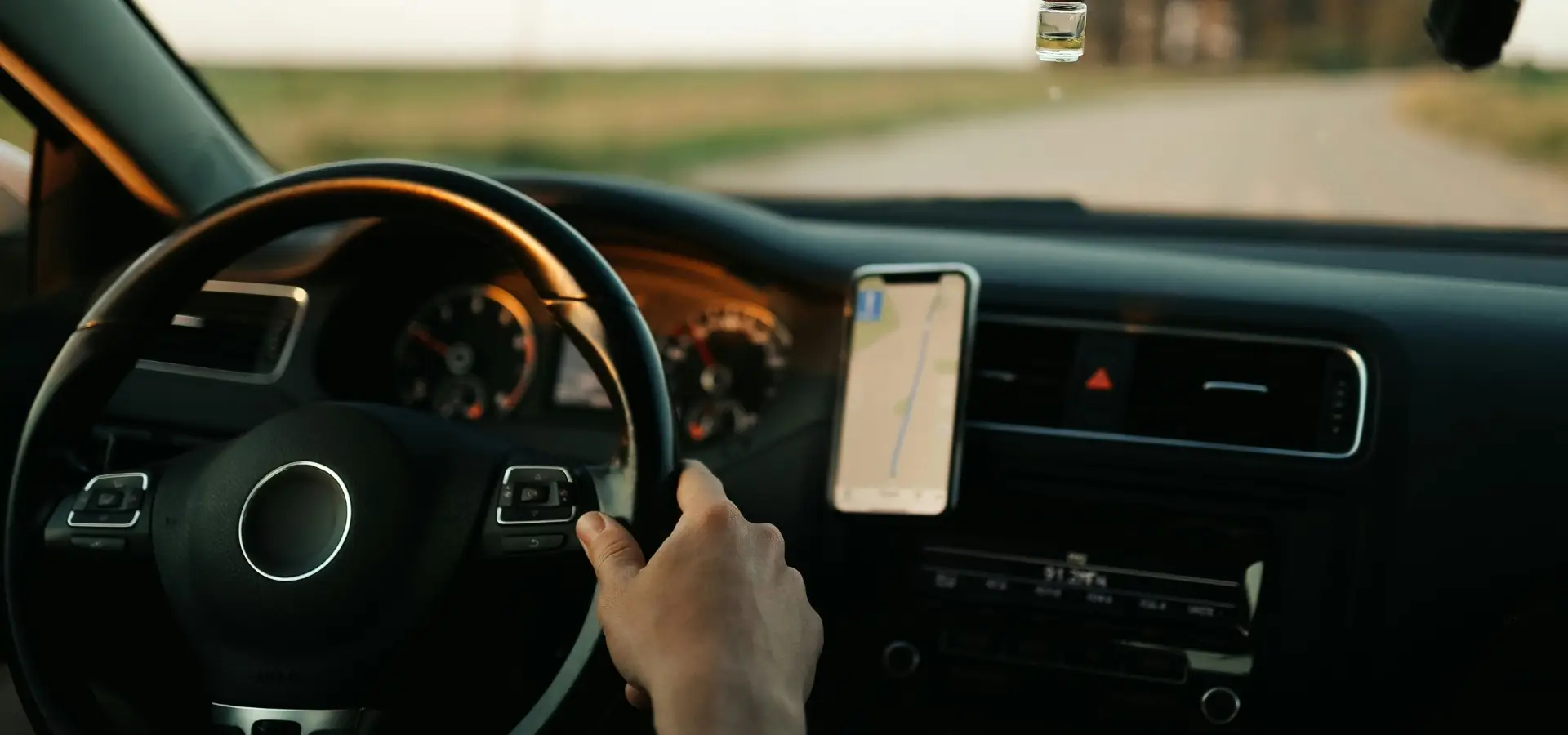
Distracted driving means any activity that takes your eyes, hands, or focus off the road when operating a vehicle. Using a phone while driving is one of the most dangerous and commonly cited forms and this includes texting, scrolling social media, dialing numbers, or holding a phone to your ear.
Many jurisdictions have mandatory hands-free or “no-touch” laws affecting driver behavior. For example, California Vehicle Code §23123.5 bans drivers from holding and operating a handheld device when they are driving. If drivers want to use their phone, they must use a hands-free mount. However, in most regions, drivers cannot touch a phone even when stopped at a red light, because it incentivizes continued usage even if it is “for a moment”.
As a result, distracted driving laws apply broadly to phone use and can lead to fines, points, and insurance consequences. Stricter rules often apply to commercial and professional drivers, which can include any Uber and Lyft driver.
Uber’s Official Policy on Drivers Using Their Phone
Uber requires all drivers to obey traffic laws regarding mobile phone use. The company’s Dangerous Driving Policy explicitly defines distracted driving to include phone handling, texting, and similar behavior.
Here’s what Uber expects:
- Uber encourages the use of proper dashboard mounts to avoid distractions. Phones should be in a fixed mount, not held in the driver’s hand or resting on their lap.
- Uber emphasizes that safe phone use minimizes distractions and is crucial for driver safety.
- Uber states that their app is designed for minimal interaction from audio navigation, single-tap trip acceptance to even voice commands.
- Uber tracks driver interactions with the app to monitor for distracted driving behaviors. The company uses phone sensor data, GPS, and rider reports through tools like the Driving Insights Dashboard.
- Using other apps while driving violates state or local distracted driving laws, and Uber discourages personal calls and non-essential app use while online.
- Repeated complaints about talking on the phone, unsafe driving, or app misuse can lead to temporary suspension or permanent deactivation from the Uber platform.
Lyft’s Policy and How It Compares to Uber
A Lyft driver faces nearly identical expectations. The company also requires compliance with all local cell phone and distracted driving laws, discourages personal calls during trips, and expects drivers to use a phone mount with built-in navigation and voice prompts.
Here’s how the two compare:
Both companies define distracted driving to cover phone usage, and both can penalize drivers who receive multiple safety complaints. Uber stands out with more explicit use of sensor data for detecting dangerous driving, while Lyft may rely more heavily on rider feedback and periodic audits. Regardless, an Uber driver and a Lyft driver face the same core expectation: keep the phone out of your hands and your focus on the road.
Are Uber Drivers Allowed To Use Their Phone for GPS and the App?
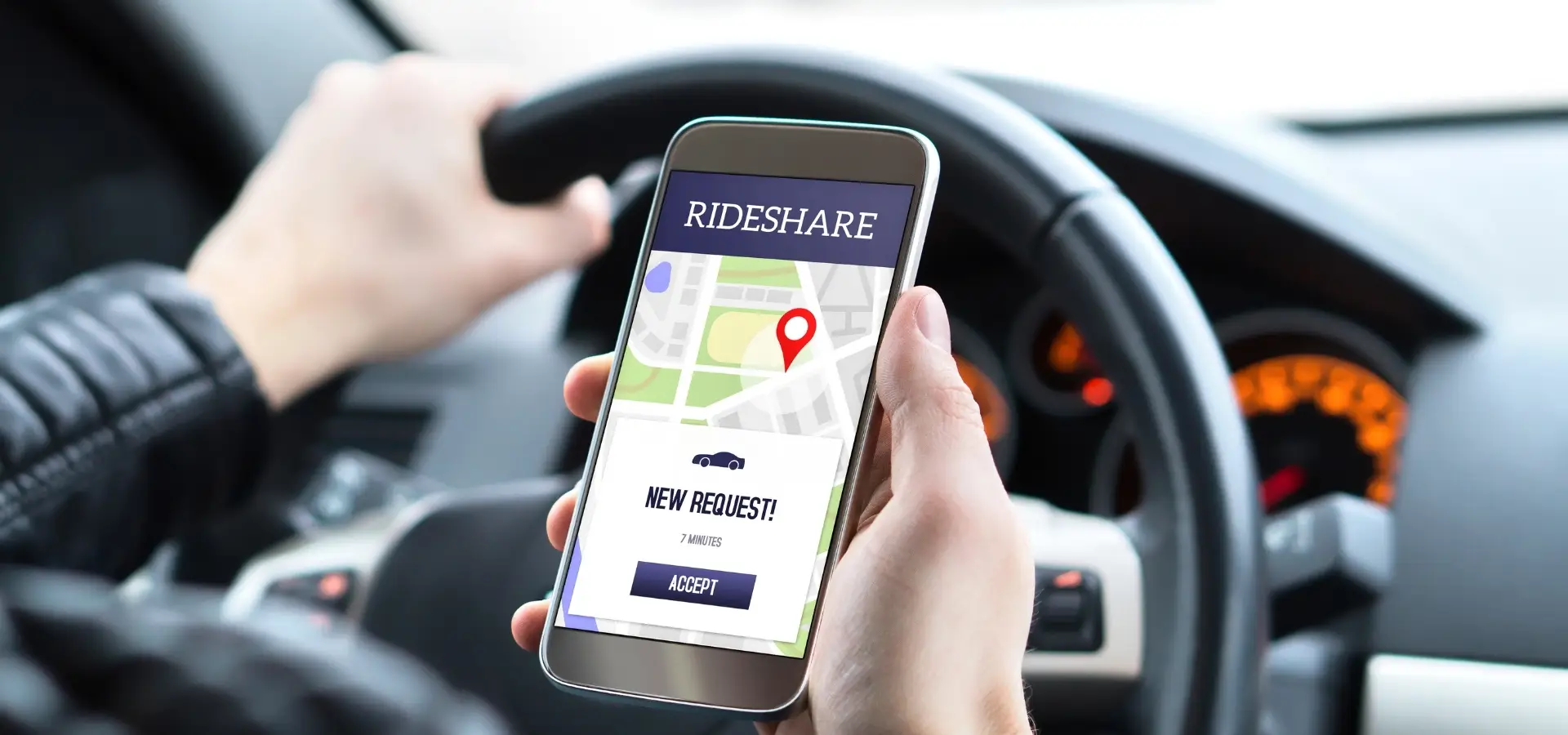
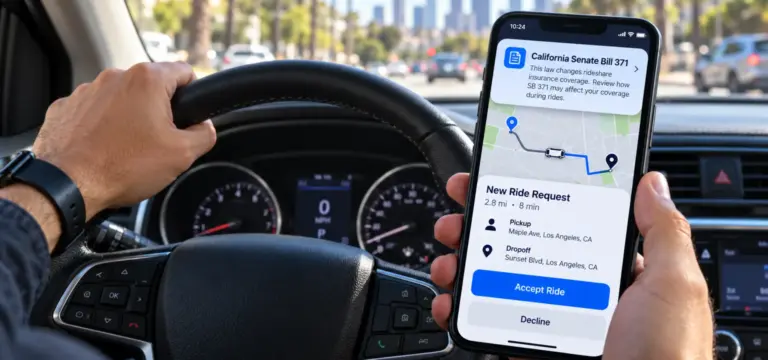
Uber drivers are expected to use their phone for the Uber app, GPS, and trip management. Using GPS on a phone is legal for Uber drivers in virtually every jurisdiction, provided it’s done safely. However states like California have updated their distracted driving law in 2025 by adding a “No Touch” rule meaning even holding a phone to look at GPS will be in violation of California Vehicle Code §23123.5.
Here’s how Uber and Lyft drivers are expected to stay compliant:
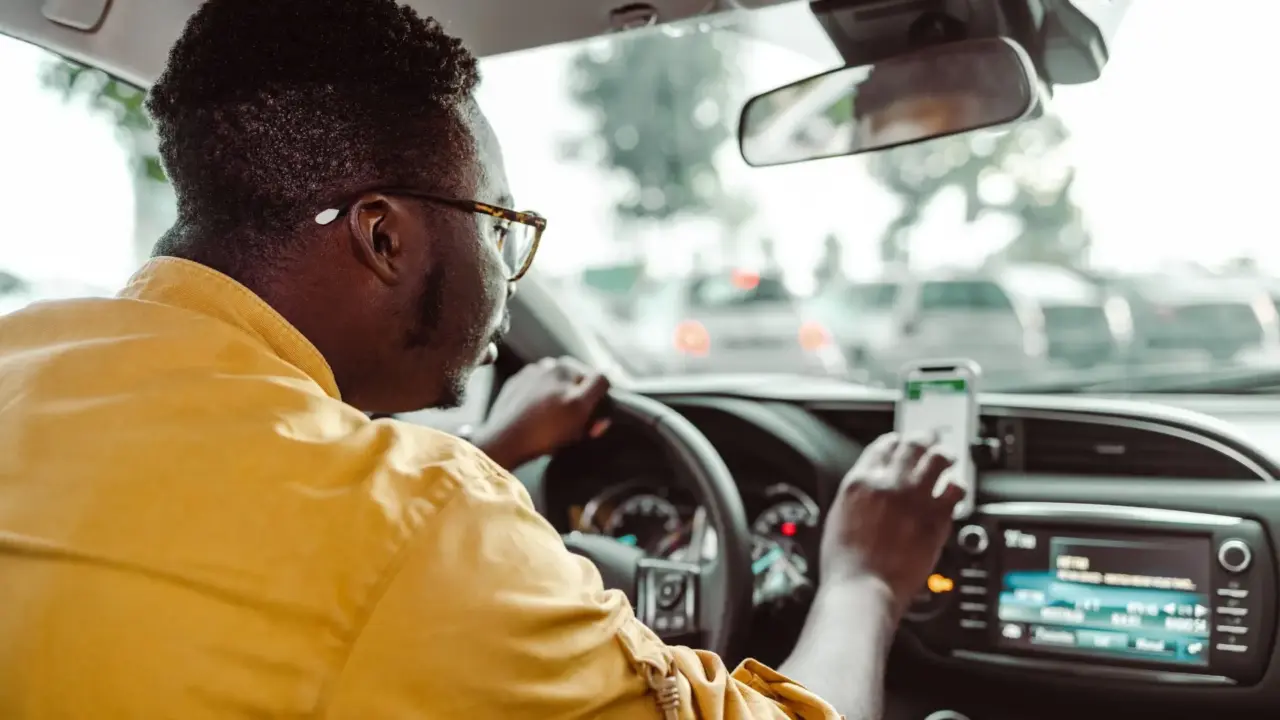
- Drivers must use hands-free mounts for phone use, whether it is a sturdy dashboard or windshield mount that doesn’t block the driver’s view is essential.
- Navigation apps must be set up before the vehicle is in motion and drivers are expected to pre-program their destination and route before pulling away.
- Single-tap and voice commands for accepting trips are allowed while driving, keeping manual interaction to an absolute minimum.
- Do not hold the phone in your hand, rest it on your lap, or type addresses while moving. Even brief hand-held use may count as illegal phone while driving behavior
The only time you should be touching your phone while driving is a single swipe or tap on a securely mounted device to accept or end a trip.
Personal Phone Calls vs. Work-Related Calls
There’s a meaningful difference between personal calls and work-related calls for rideshare drivers. Work-related calls include contact with Uber support, communication with a rider via the masked number, or urgent navigation issues.
Due to the nature of ridesharing, communication with passengers should occur through the Uber app using in-app features whenever possible to ensure safety in the event of an incident. Meanwhile personal phone calls cover chatting with a friend, family member, or handling unrelated business.
Is It Rude or Unprofessional for Drivers to Talk on the Phone?
Most passengers expect their driver to focus on driving and the trip and not to spend the ride engaged in a loud conversation with someone else. Even when the call is on a hands free device and technically legal, constant talking can feel rude and annoying to a paying customer who can hear every word. In short, a professional driver treats each ride like a service encounter, not background noise for a personal call.
What Should Passengers Do If Their Driver Is On the Phone?
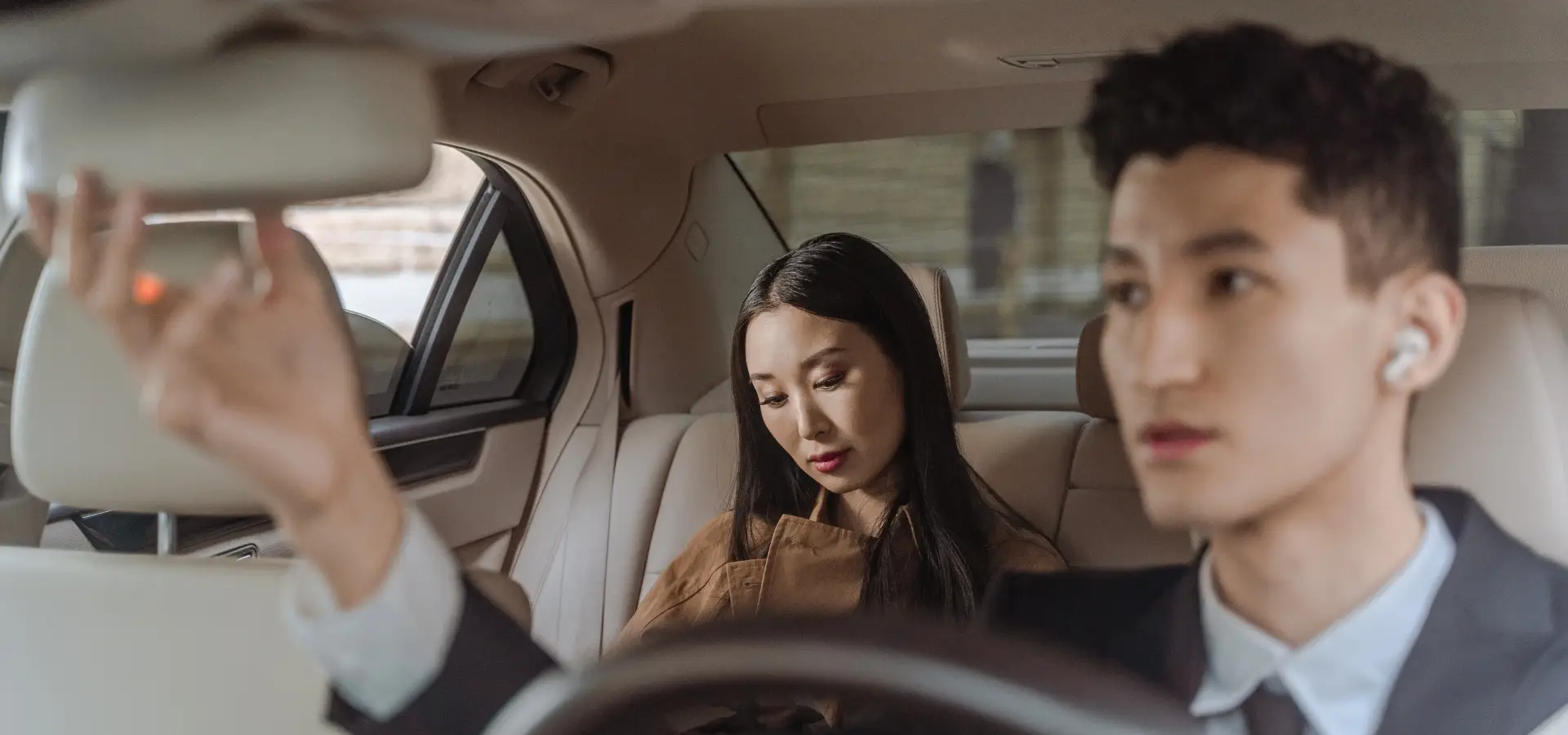
If you’re a rider and you feel like your driver’s phone use is a safety issue, you have every right to speak up.
- Calmly ask the driver to end or lower the call. Try something like: “Excuse me, would you mind finishing the call after the ride? I’d feel safer if you could focus on driving.”
- If the driver doesn’t respond or refuses, you can adjust your destination in the app or end the ride early at a safe location.
- Don’t spend the ride in silence if you feel unsafe. Passengers talk about bad experiences, and your feedback matters.
- After the trip, leave honest feedback through star ratings and written comments. This is the most effective way to flag a pattern.
How to Report Unsafe Phone Use to Uber or Lyft
Both Uber and Lyft make it straightforward to report a distraction or safety concern after your ride.
- Open the app and go to “Your Trips” or the “Help” section. Select the specific ride and choose a safety-related reporting option.
- Include specific details: time, location, type of phone use (texting, video call, long personal calls), and how long it lasted. The more detail you provide, the more actionable the report.
- For serious concerns, you can also contact Uber or Lyft through their official websites or safety hotlines. Don’t guess about whether it’s worth reporting. If it felt unsafe, report it immediately.
- Both companies claim zero-tolerance for dangerous behavior. Documented complaints can trigger investigations and potential driver deactivation.
Accidents, Liability, and Legal Options After Distracted Rideshare Driving

If an Uber driver or Lyft driver causes an accident while on their phone, that behavior can serve as strong evidence of negligence in a lawsuit. In 2024, there were approximately 3,208 deaths in crashes involving distracted drivers in the US alone, meaning the chances of getting involved in a rideshare accident is never zero.
Despite the odds, it is important to know that during an active trip, Uber and Lyft provides liability insurance coverage just in case of accidents, but when rideshare driver is using a phone in a way that violates both law and company policy can complicate claims and affect coverage. However, if a rider is injured in a rideshare accident, they still retain rights in order to recover any damages.
What Rights Do Rideshare Passengers Have?
Injured passengers may seek compensation for any out-of-pocket costs such as medical bills, lost wages, and trying to manage their pain and suffering. If you’re hurt in a crash involving a driver who was visibly on their phone, it is vital to document everything: time, location, what you observed, and any dashcam or witness evidence. Furthermore, it is highly recommended to contact a qualified personal injury lawyer who can provide further legal insight to your situation.
Should Uber Drivers Be On the Phone While Driving?
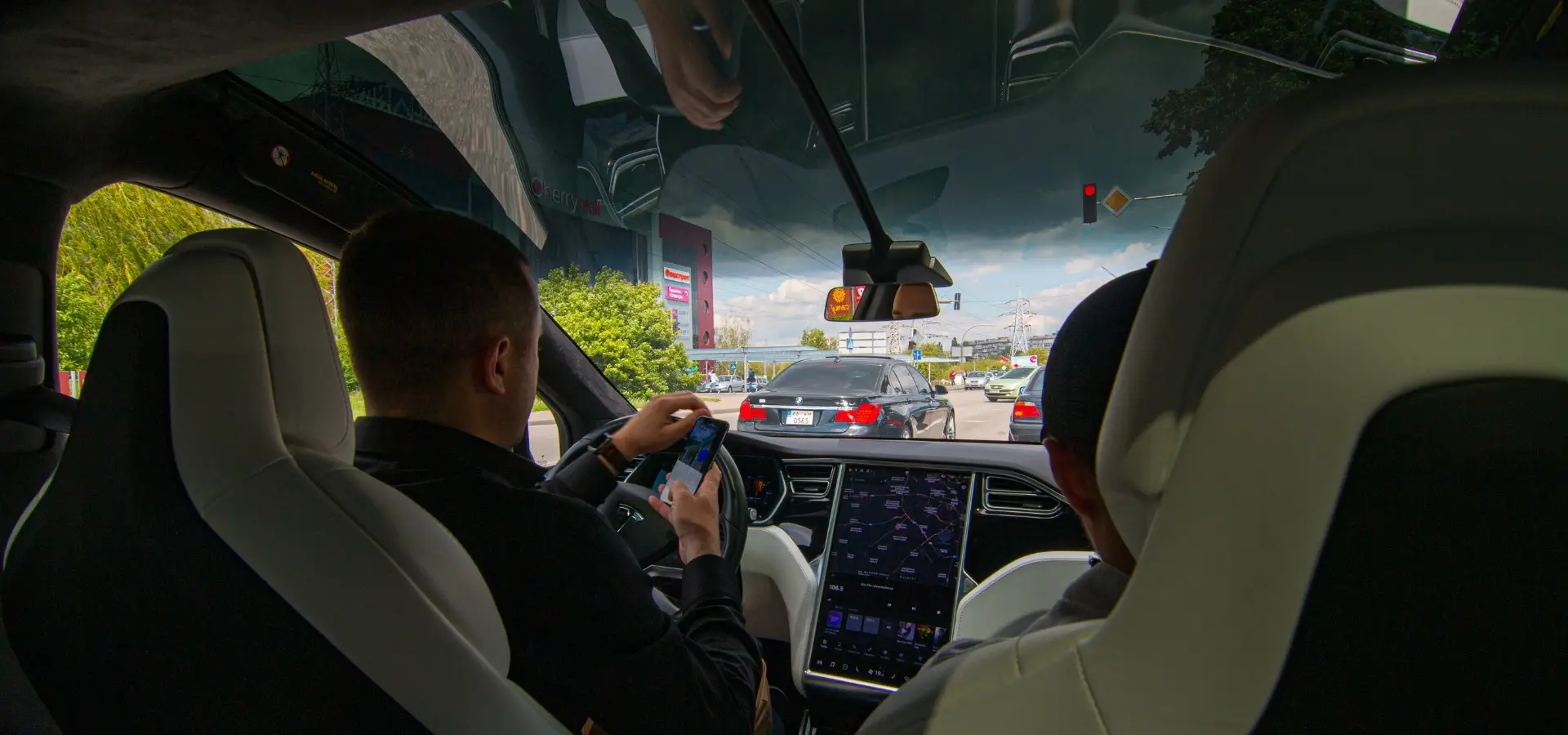
Phones are the most vital tool for an Uber driver and without it they are not able to efficiently pick up and drop off passengers. However, rideshare drivers should only be on the phone when they are at a complete stop and should not use their phone while driving as it can potentially lead to car accidents, fines, and citations.
If you have been involved in an Uber or Lyft accident and are seeking legal representation, then contact West Coast Trial Lawyers today by calling (213) 927-3700 or by filling our contact form to schedule a free consultation with our experienced and talented legal team.