
We trust lifeguards with the most basic promise a swimming facility can make: that someone trained is watching the water and will act if a swimmer is in trouble. Most of the time, that promise holds. But when a lifeguard looks away at the wrong moment, is poorly trained, or simply is not where they should be, the consequences can be catastrophic and permanent. The hard question for a grieving family afterward is whether the drowning was a tragic accident or the result of negligence that the law recognizes.
How Often Drowning Occurs in the U.S
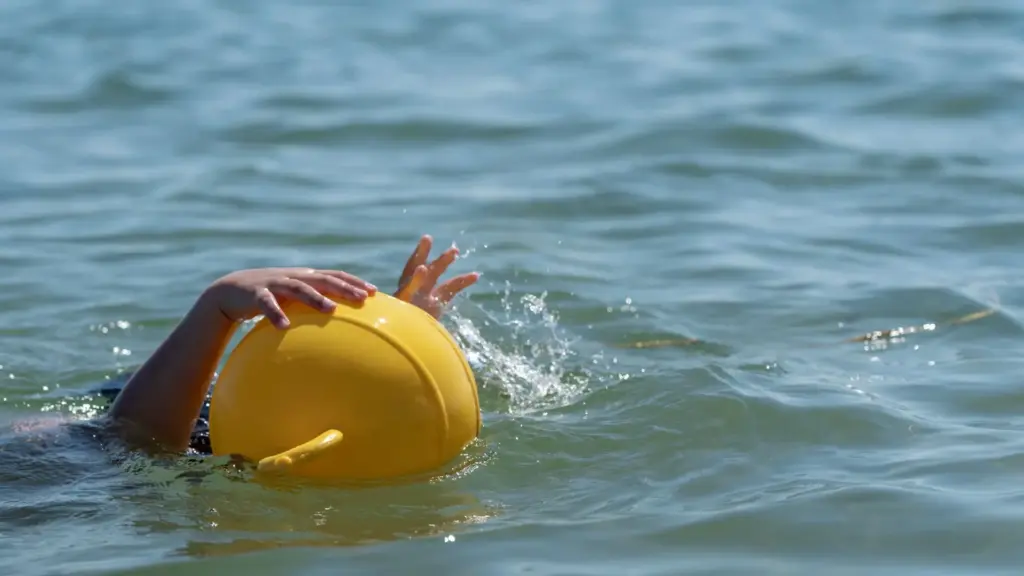
Drowning is far more common than most people realize, because according to the Centers for Disease Control and Prevention about 4,000 people die from unintentional drowning in the United States every year, which is roughly 11 deaths every day.
As a result, drowning is the leading cause of death for children ages one to four and at the same time, lifeguards prevent an enormous number of tragedies as reported by the United States Lifesaving Association stating that lifeguards rescue more than 100,000 people from drowning each year.
Those two facts sit at the heart of every lifeguard negligence case, because competent lifeguarding saves lives at scale, and a lifeguard’s failure to meet that standard can be so devastating, and legally significant.
The Legal Duty of a Lifeguard
A lifeguard is not a casual bystander. They are a hired, trained professional, and the law holds them to a professional standard of care toward the swimmers under their watch. Anyone using a supervised pool, beach, or aquatic facility has a reasonable expectation that the lifeguard on duty will do their job competently.
That duty generally includes:
- Actively monitoring the water and surrounding area, continuously scanning for swimmers in distress
- Recognizing the signs of a drowning or struggling swimmer, which are often silent and subtle
- Responding promptly and competently to an emergency, including performing rescues and CPR
- Enforcing safety rules that prevent injuries in the first place
- Maintaining their certification and required training
When a lifeguard meets this standard, even an unavoidable accident is not their fault, but when they fall below it and someone is hurt, the law may treat that failure as negligence.
What Constitutes as Lifeguard Negligence
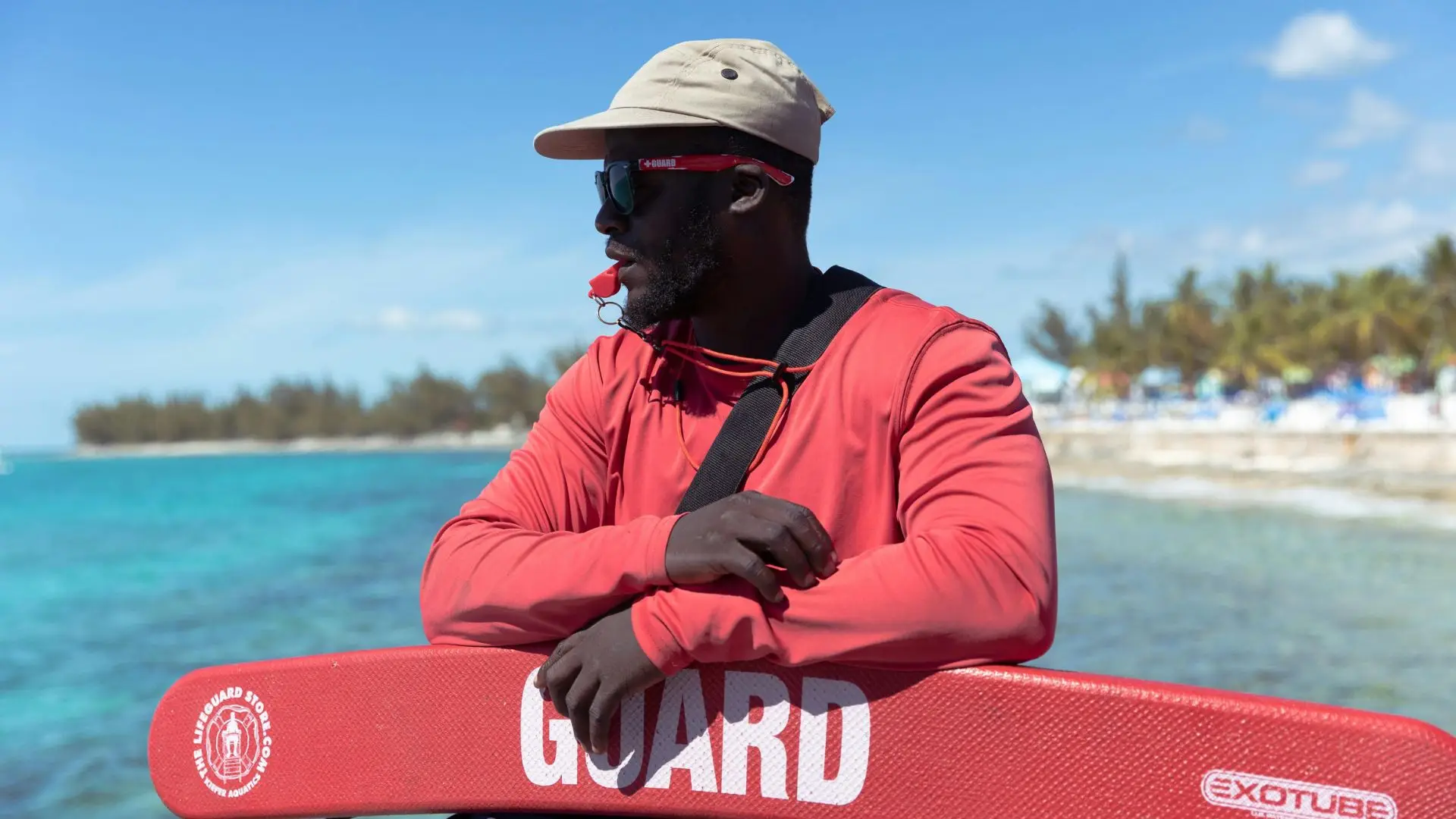
Like any negligence claim, a lifeguard negligence case rests on four elements that the injured person or their family must prove:
- Duty: the lifeguard owed a duty of care to the swimmer
- Breach: the lifeguard failed to meet the professional standard of care
- Causation: that failure caused or worsened the drowning or injury
- Damages: the victim suffered real harm as a result
Breaches of a lifeguard’s duty can take many forms, including:
- Looking at a phone, talking with friends, or otherwise being distracted
- Leaving the stand or the premises while on duty
- Falling asleep or being impaired
- Failing to scan assigned zones or maintain proper sightlines
- Not recognizing a swimmer in obvious distress
- Delaying a rescue or performing it improperly
- Inadequate or outdated CPR and first aid
Can a Negligent Lifeguard be Instantly Held Accountable for All Drownings?
A critical point that surprises many people is that liability is not automatic just because a lifeguard was on duty when someone drowned. The hardest element to prove is usually causation, the family must show that the lifeguard’s failure actually caused the death or injury, not merely that the lifeguard was present.
Courts have dismissed cases where a swimmer went under so suddenly that even a perfectly attentive lifeguard could not have prevented it. This is exactly why these cases require careful investigation rather than assumptions. Additionally, people sometimes assume Good Samaritan laws shield lifeguards, but they do not, because those laws protect volunteer bystanders who choose to help, not professionals who have an affirmative duty to act, like an on-duty lifeguard.
Other Parties Who May Be Liable
In many drowning cases, the lifeguard is not the only, or even the primary, party at fault. Depending on the severity of the injury and the nature of the incident, liability may extend to:
- The facility or employer- Pools, gyms, hotels, apartment complexes, camps, and water parks can be liable for negligent hiring, inadequate training, understaffing, poor lifeguard-to-swimmer ratios, or failing to maintain safe conditions. Under the principle of vicarious liability, an employer is often responsible for its employee’s on-the-job negligence.
- The property owner- Owners owe a duty to keep their premises reasonably safe, which can include functional barriers, signage, and equipment.
- A pool management company- Many facilities outsource aquatic operations to third-party companies that can bear responsibility.
- Equipment manufacturers- A defective drain cover, a faulty pool alarm, or broken rescue equipment can shift liability toward a manufacturer.
Identifying every responsible party matters, because it often determines whether there is enough insurance coverage to fully compensate a catastrophic loss.
Sovereign Immunity at Government-Owned Facilities

Many pools and beaches are run by cities, counties, school districts, or state governments, and that changes the legal landscape significantly. Under the doctrine of sovereign immunity (also called governmental immunity), government entities and their employees are traditionally shielded from many lawsuits.
However, most states have enacted tort claims acts that partially waive immunity and allow certain negligence claims against government bodies, but these come with strict and often unforgiving conditions:
- Short notice deadlines- You may have only a matter of months, sometimes as little as 60 to 180 days, to file a formal notice of claim, far shorter than the normal statute of limitations.
- Procedural requirements- Specific forms, recipients, and content rules must be followed precisely.
- Damage caps- Recovery against a government entity is often capped at a statutory limit.
- Immunity exceptions- Some governmental functions, particularly “discretionary” decisions, may remain immune even when a tort claims act otherwise applies.
Because immunity rules vary so much by state and the deadlines are so short, a drowning at a public facility is one of the situations where getting legal advice quickly is most important.
What If Someone Dies Under a Lifeguard’s Watch?
When a drowning is fatal, the law allows certain surviving family members to bring a wrongful death claim. The eligible parties vary by state but typically include a spouse, children, and parents. A wrongful death claim can seek compensation for losses such as:
- Medical and funeral expenses
- Loss of the deceased’s financial support and services
- Loss of love, companionship, guidance, and care
- The family’s emotional suffering
In many states, a separate “survival action” can also recover for the pain and suffering the victim endured before death. These claims cannot undo a loss, but they can hold the responsible parties accountable and provide for a family’s future.
The Evidence These Cases Require

Proving lifeguard negligence demands the right evidence, and much of it can disappear quickly if no one acts to preserve it. Key categories include:
- Incident and accident reports prepared by the facility
- Surveillance and video footage, which is often overwritten within days or weeks
- Eyewitness statements from other swimmers, parents, and staff
- The lifeguard’s certification, training, and employment records
- Staffing schedules and lifeguard-to-patron ratios at the time of the incident
- Pool maintenance, inspection, and safety logs
- Expert testimony from aquatic safety and lifeguarding professionals
- Medical records and autopsy findings establishing the cause and timing of harm
The burden of proof falls on the family, by a “preponderance of the evidence,” meaning it is more likely than not that the defendant’s negligence caused the harm. Meeting that burden takes prompt investigation and the preservation of evidence before it is lost.
Hold the Right People Accountable for a Drowning That Shouldn’t Have Happened
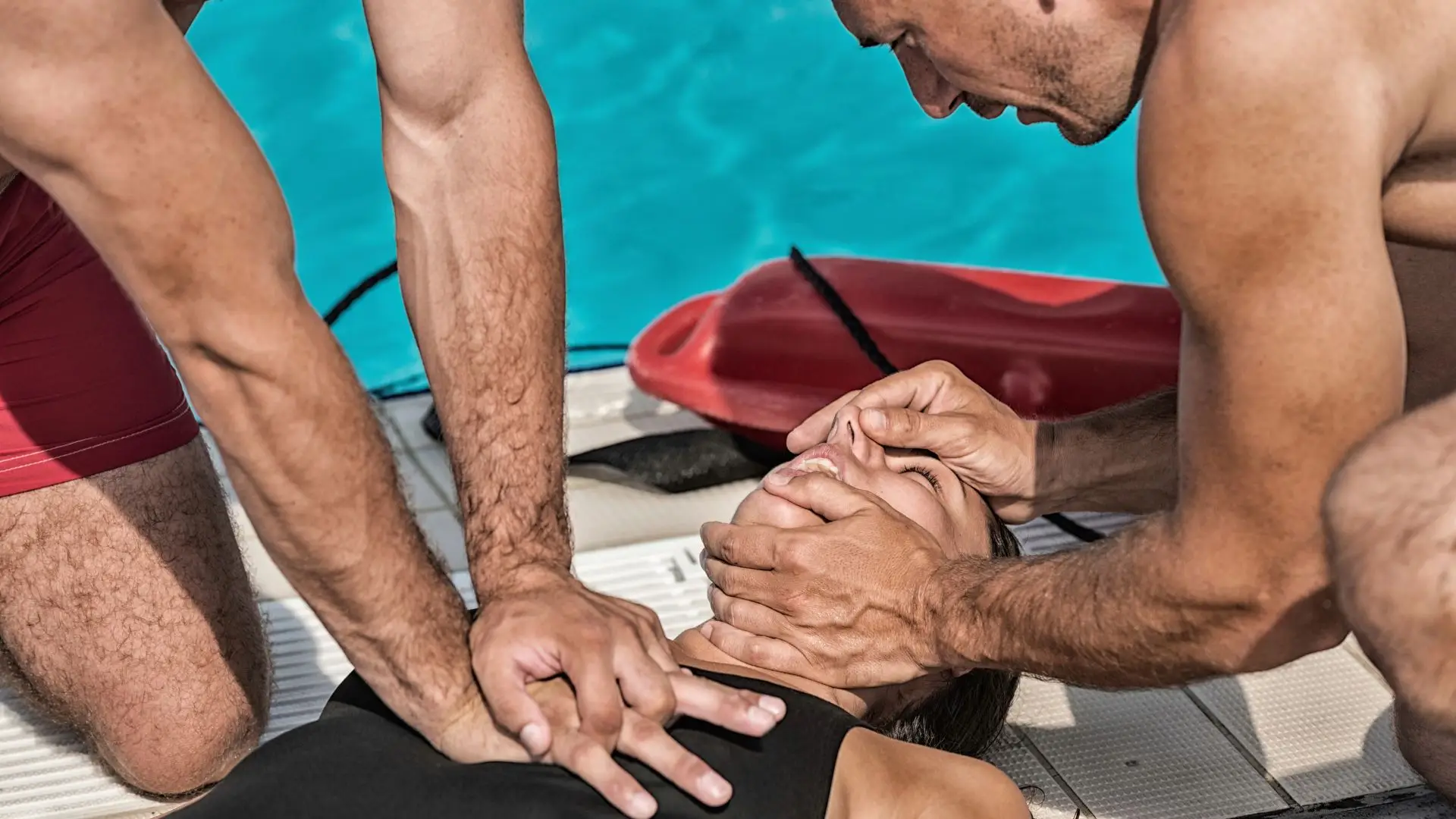
Losing someone to a drowning that a watchful, well-trained lifeguard could have prevented is a particular kind of heartbreak, and the facilities and insurers involved often move quickly to protect themselves rather than the family. Surveillance footage gets overwritten, reports get filed away, and government deadlines start running almost immediately. The sooner someone investigates, the better the chance of getting real answers.
If you lost a loved one or someone you love was seriously injured in a drowning, call (213) 927-3700 for a free, compassionate consultation. On top of it all, we operate on a contingency-fee basis meaning, there is no fee unless we win.