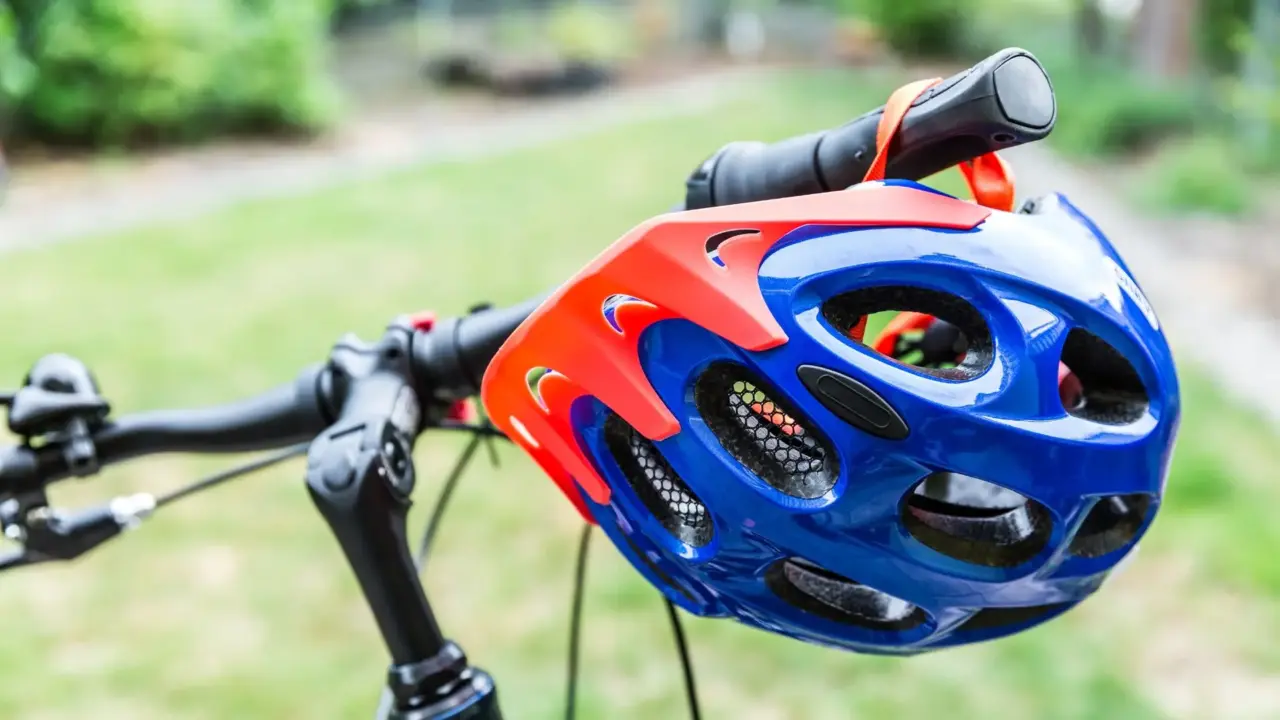
California does not require every bicyclist to wear a helmet, but for most people riding a bicycle, the rule depends on age. Riders under 18 must wear a properly fitted and fastened bicycle helmet, while adults 18 and older are generally not subject to a statewide helmet requirement.
Although an adult may legally ride a standard bicycle without a helmet, that decision can still become an issue after an accident. An insurance company may try to argue that the lack of a helmet contributed to a head injury, even when a negligent driver clearly caused the collision. Whether that argument succeeds depends on the injuries, the medical evidence, and whether the insurer can connect helmet non-use to the damages being claimed.
What Does California’s Bicycle Helmet Law Require?
Under California Vehicle Code § 21212, a person under 18 may not operate or ride as a passenger on a bicycle unless they are wearing a properly fitted and fastened helmet that meets an approved ASTM or United States Consumer Product Safety Commission standard.
The statewide requirement applies when the minor is riding on a street, bikeway, or other public bicycle path or trail. It also covers children riding in bicycle seats or trailers attached to a bicycle and applies to minors using nonmotorized scooters, skateboards, roller skates, and in-line skates in covered public areas.
What Happens if a Minor Rides Without a Helmet?
A violation of California Vehicle Code § 21212 is an infraction punishable by a fine of up to $25. A parent or legal guardian who has custody or control of an unemancipated minor may be jointly responsible for paying the fine.
California law also provides opportunities to resolve a helmet citation without the matter moving forward like a typical traffic penalty. A first charge may be dismissed under the conditions stated in the statute. In other circumstances, the citation may be addressed if the parent or guardian provides proof within 120 days that the child obtained an approved helmet and completed an available bicycle safety course.
The citation is separate from any injury claim that may arise from an accident. If a driver runs a stop sign and strikes a child who was not wearing a helmet, the child’s helmet violation does not automatically make the child responsible for causing the crash. Liability still depends on how the collision happened and whether the driver, cyclist, or another party violated applicable California right-of-way laws.
Are There Any Exceptions to the Bicycle Helmet Rule?
While adults 18 and older generally do not have to wear a helmet, the lack of a statewide requirement does not mean riding without a helmet is risk-free or legally irrelevant after a serious crash. For instance, there are additional rules for riding an electric bicycles due to their status as a micromobility device.
Under California Vehicle Code § 21213, anyone operating or riding as a passenger on a Class 3 electric bicycle must wear a properly fitted and fastened helmet and a person under 16 is also prohibited from operating a Class 3 e-bike. Before assuming that no helmet is required, an e-bike rider should confirm the bicycle’s classification because it can ultimately affect their personal injury claim.
Do Bicycle Helmet Laws Differ in Other States?

Bicycle helmet requirements differ significantly across the country, and some cities or counties have rules that are stricter than statewide law. For example, Arizona and Nevada do not impose the same statewide helmet rule on riders of traditional bicycles, although local requirements and e-bike laws may still apply.
Meanwhile, Washington State does not have a single statewide bicycle helmet mandate, but local rules may affect riders in certain areas. Additionally, the law governing an injury claim also depends on where the accident occurred. Our guides to Arizona comparative negligence and Nevada comparative negligence explain how fault can affect compensation in those states.
What if a Driver Hits a Cyclist Who Was Not Wearing a Helmet?
Drivers continue to owe cyclists a duty of reasonable care whether or not the cyclist was wearing protective equipment. Under California Vehicle Code § 21200, a person riding a bicycle generally has the same rights and is subject to many of the same rules as the driver of a vehicle. As such, drivers must still watch for cyclists, yield when required, maintain a safe passing distance, and avoid maneuvers that put people in bike lanes at risk.
A driver may be liable for a bicycle accident caused by:
- Turning across a bike lane without checking
- Opening a vehicle door into a cyclist’s path
- Running a red light or stop sign
- Failing to yield at an intersection
- Driving while distracted
- Speeding or following too closely
- Passing a cyclist without sufficient space
- Entering a bike lane when it is unsafe to do so
The defense cannot erase negligent driving simply by pointing out that the cyclist lacked a helmet. The central question remains whether the driver’s conduct caused the collision and resulting injuries.
Can Not Wearing a Helmet Affect a Bicycle Accident Claim?
Not wearing a helmet does not automatically prevent an injured cyclist from recovering compensation, because it also does not prove that the cyclist caused the collision.
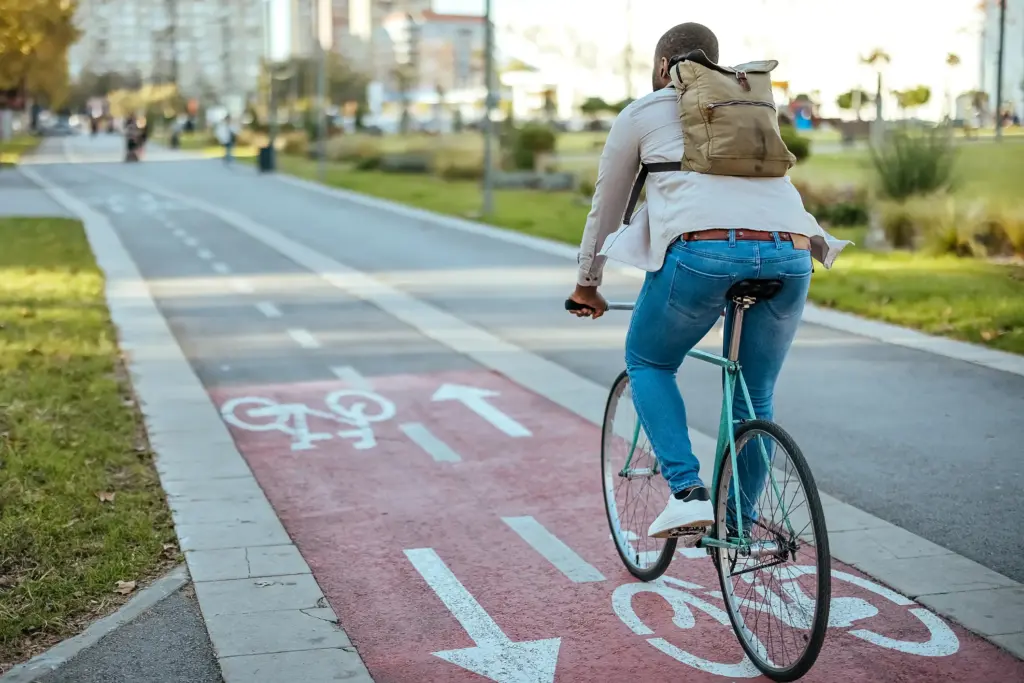
For example, if a driver turns across a marked bike lane without checking and hits an adult cyclist, the driver’s unsafe turn may have caused the collision regardless of whether the cyclist was wearing a helmet. If the cyclist suffers a broken leg, road rash, or shoulder injury, helmet use may have little or no connection to those damages.
However, the issue can become more complicated if the cyclist suffers a concussion, skull fracture, or traumatic brain injury. The driver’s insurance company may argue that a helmet could have reduced the severity of the head injury and the discussion would be focused on whether a particular helmet would probably have changed the outcome.
Our guide to brain injury symptoms that affect a California claim explains why prompt diagnosis and detailed documentation matter after head trauma.
Can Helmet Non-Use Affect a Fatal Bicycle Accident Case?
In a fatal bicycle accident case, the defense may argue that the lack of a helmet contributed to the rider’s death, but hat argument does not automatically relieve a negligent driver of responsibility.
As some bicycle impacts are not survivable even with a helmet, but in other cases fatal injuries may involve multiple parts of the body rather than isolated head trauma. The defense must therefore support a helmet argument with evidence specific to the accident instead of relying on a general assumption. Families considering legal action can learn more from our guide to wrongful death lawsuits in California.
What Compensation Can an Injured Cyclist Recover?
The value of a bicycle accident claim depends on the severity and permanence of the injuries, the available insurance coverage, the strength of the liability evidence, and whether the insurer can establish any valid comparative-fault argument. A cyclist injured by someone else’s negligence may be able to pursue compensation for the full physical, financial, and personal impact of the accident.
For instance, recoverable economic damages may include emergency treatment, hospitalization, surgery, rehabilitation, medication, damaged bicycle equipment, lost wages, reduced earning capacity, and future medical care.
In addition, an injured cyclist may also seek compensation for pain and suffering, emotional distress, disfigurement, physical limitations, and loss of enjoyment of life. These losses are often referred to as non-economic damages.
What Should You Do After a California Bicycle Accident?
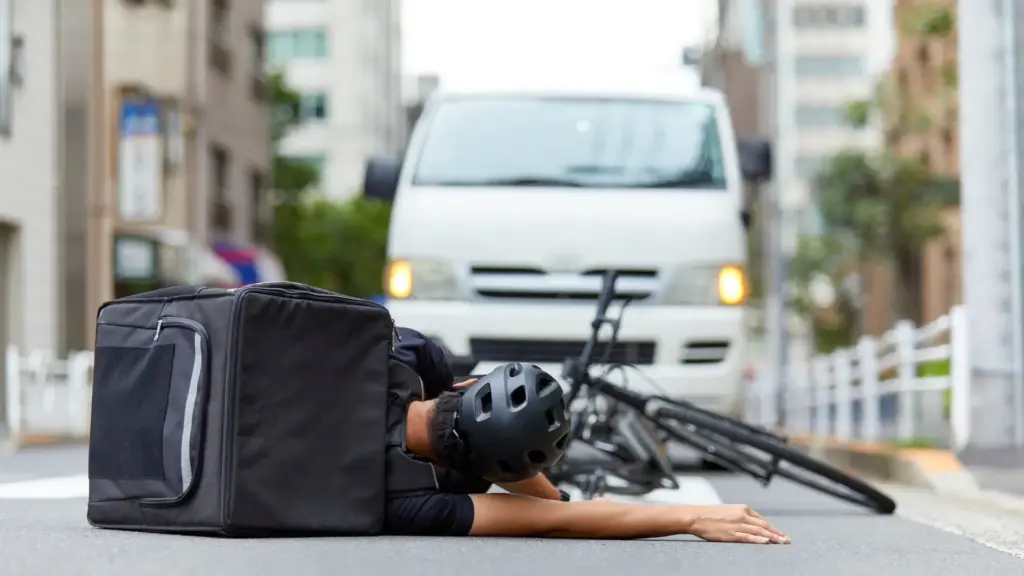
The aftermath of a bicycle crash can be chaotic, particularly when the rider has been thrown from the bicycle or suffered a possible head injury. The steps taken at the scene can affect both medical recovery and the strength of a later claim.
- Call 911 when anyone is injured and request an official accident report.
- Photograph the vehicle, bicycle, roadway, bike-lane markings, traffic signals, visible injuries, damaged clothing, helmet, and surrounding conditions.
- Obtain the driver’s insurance information and contact details from anyone who witnessed the crash.
- Seek medical attention even if you initially feel alert, because concussion symptoms and internal injuries may not be obvious immediately after impact.
- Avoid making statements that minimize your symptoms before you have been properly examined.
- Preserve the bicycle, helmet, clothing, lights, and other equipment in their post-accident condition.
- Do not repair or dispose of them before an attorney or qualified expert has had an opportunity to inspect them.
Our guide on what to do after an accident in California provides additional information about protecting evidence and communicating with insurers. You can also review how to get a copy of a California police report after law enforcement investigates the collision.
Frequently Asked Questions About California Bicycle Helmet Laws
Does a Child Riding in a Bicycle Trailer Need a Helmet?
Yes. California Vehicle Code § 21212 extends the helmet requirement to a person under 18 riding in a restraining seat attached to a bicycle or in a trailer towed by one.
Do Adults Have to Wear Helmets on Electric Bicycles?
It depends on the e-bike class. Anyone operating or riding as a passenger on a Class 3 electric bicycle must wear a helmet under California Vehicle Code § 21213.
Can I Still Sue if I Was Not Wearing a Bicycle Helmet?
Yes. Not wearing a helmet does not automatically eliminate your right to file a claim. Liability and damages will depend on how the accident occurred, the injuries involved, and whether the defense can establish that helmet non-use actually contributed to those injuries.
Can a Driver Blame Me for Not Wearing a Helmet?
The driver’s insurer may raise the issue, particularly in a claim involving head trauma. But the lack of a helmet does not excuse the driver’s negligence or prove the cyclist caused the collision.
Contact a Bicycle Accident Lawyer at West Coast Trial Lawyers Today
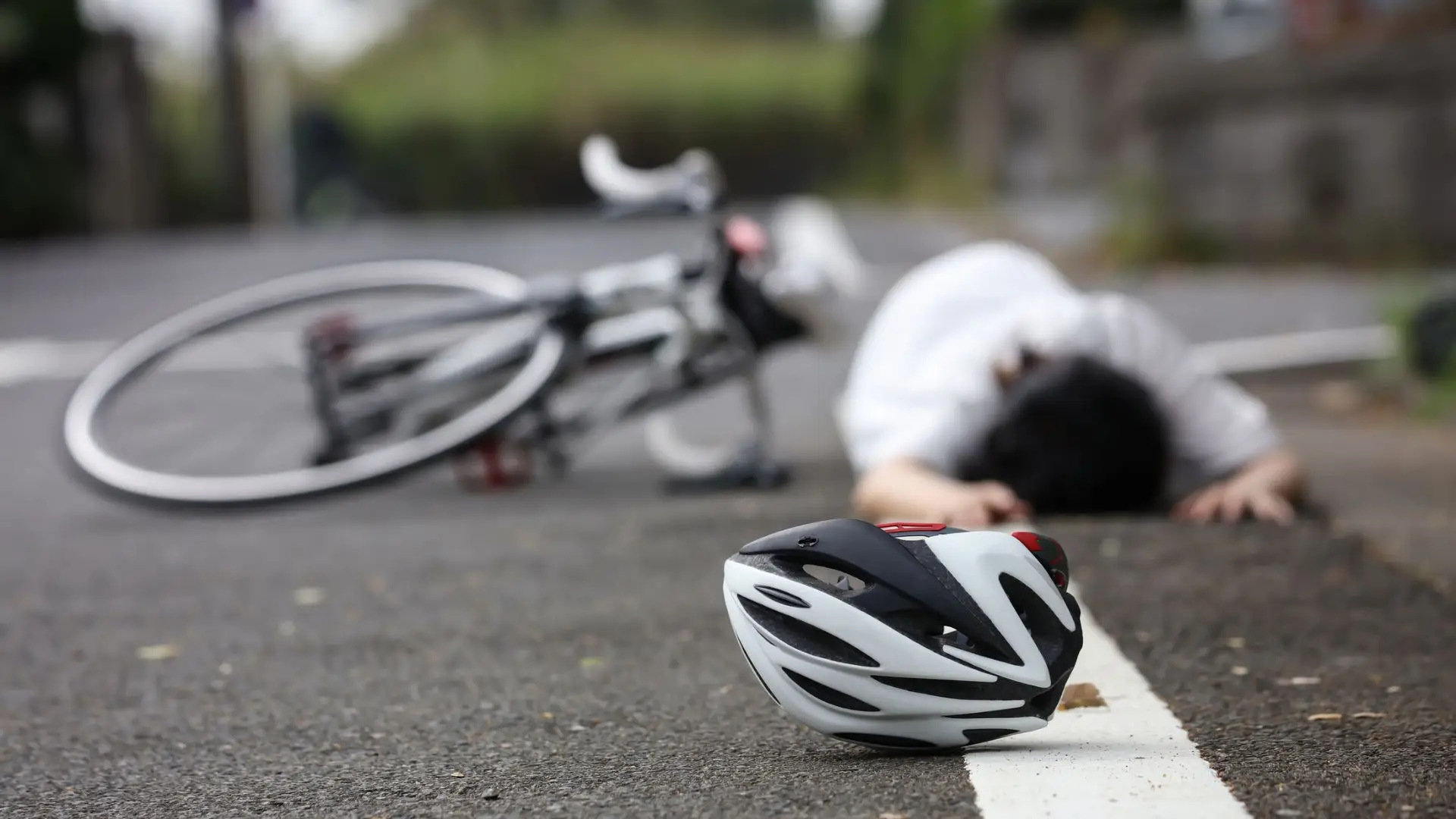
While adults can ride their bicycles without a helmet, but if they were injured in an accident and weren’t wearing one, their injury claim may be faced with a variety of arguments by opposing parties and insurance companies.
If you were injured while riding a bicycle and need assistance filing a personal injury claim, West Coast Trial Lawyers can investigate the collision, respond to unfair comparative-fault arguments, and identify the compensation available to you.
Call (213) 927-3700 or contact us online to speak with an experienced California bicycle accident attorney today.