


PHONE
(213) 293-3350
LOCATION
1147 South Hope Street, Los Angeles, California 90015

PHONE
(949) 207-9619
LOCATION
2955 Main Street, Suite 110 Irvine, California 92614

PHONE
(909) 787-2178
LOCATION
1762 North Waterman Avenue, Suite A San Bernardino, California 92404

PHONE
(562) 396-9874
LOCATION
111 West Ocean Boulevard, Suite 400 Long Beach, California 90802

PHONE
(415) 326-8794
LOCATION
One Sansome Street, Suite 3500 San Francisco, California 94104

PHONE
(818) 514-9423
LOCATION
20016 Ventura Boulevard Woodland Hills, California 91364

PHONE
(949) 822-9593
LOCATION
20301 SW Acacia St #150, Newport Beach, CA 92660

PHONE
(916) 378-1479
LOCATION
2450 Venture Oaks Way, Suite 200 Sacramento, CA 95833

PHONE
(310) 919-5962
LOCATION
315 S. Beverly Dr. Suite 320, Beverly Hills, California, 90212

PHONE
(626) 412-8157
LOCATION
16 North Marengo Avenue Pasadena, California 91101

PHONE
(858) 283-5917
LOCATION
225 West Plaza Street, Suite 102 Solana Beach, California 92075

PHONE
(408) 549-9737
LOCATION
1900 Camden Ave, San Jose, CA 95124

PHONE
(661) 299-7554
LOCATION
7850 White Lane, Suite 3J Bakersfield, California 93309

PHONE
(951) 393-1299
LOCATION
4199 Flat Rock Rd suite 123, Riverside, California 92505

PHONE
(213) 927-3700
LOCATION
6222 N First St, Suite 102, Fresno, CA 93710

PHONE
(909) 455-9205

PHONE
(619) 377-9850
LOCATION
1223 Cleveland Ave Suite#218, San Diego, CA 92103

PHONE
(714) 909-2033
LOCATION
1524 Brookhollow Dr Suite A100, Santa Ana, CA 92705

PHONE
(714) 930-2408
LOCATION
112 E Amerige Ave #210, Fullerton, CA 92832

PHONE
(559) 702-8956
LOCATION
525 W Main St. Suite 120, Visalia, CA 93291

PHONE
(661) 461-8323
LOCATION
25350 Magic Mountain Pkwy Suite 300, Valencia, CA 91355

PHONE
(626) 790-5953
LOCATION
1050 Lakes Dr Suite 225, West Covina, CA 91790

PHONE
(760) 606-4488
LOCATION
777 E Tahquitz Canyon Way Suite 205, Palm Springs, CA, 92262

PHONE
(818) 839-8800
LOCATION
311 North Verdugo Road Glendale, California 91206
If you were injured due to someone else’s negligence in California, you may have the right to pursue compensation for any out-of-pocket expenses you have accrued as a result of the accident. Whether you have been involved in a car accident or a slip and fall incident, it is vital to take immediate action because insurance companies may dispute liability or attempt to assign you part of the blame in an effort to reduce what they pay.
At West Coast Trial Lawyers, our California personal injury lawyers represent accident victims throughout the state and are prepared to represent you and fight for the compensation you deserve. With over 25 years of experience, our firm has handled a variety of accident claims and as a result of our hard work and dedication, we have recovered over $2 billion on behalf of our clients.
We also handle eligible personal injury cases on a contingency fee basis, meaning you do not pay upfront attorney fees, and attorney fees are collected only if compensation is recovered on your behalf. Call us today at (213) 927-3700 or fill out our online contact form for a free case consultation.
Why Hire a California Personal Injury Lawyer?
While it is not mandatory to hire an attorney to represent an accident case, it can provide injury victims professional support and a peace of mind especially when dealing with accidents that makes it difficult to process on your own. Furthermore, an insurance company may begin investigating your accident before you fully understand the extent of your injuries and will try to come up with ways to dispute the accident and reduce the payout you need to make a full recovery,
When that happens, it is best to hire a personal injury attorney for your claim so you can have somebody who is responsible for protecting the legal side of your recovery and presenting the facts of the accident, who was responsible, and what financial and personal losses resulted from the accident.
Why Choose West Coast Trial Lawyers for a California Personal Injury Case?
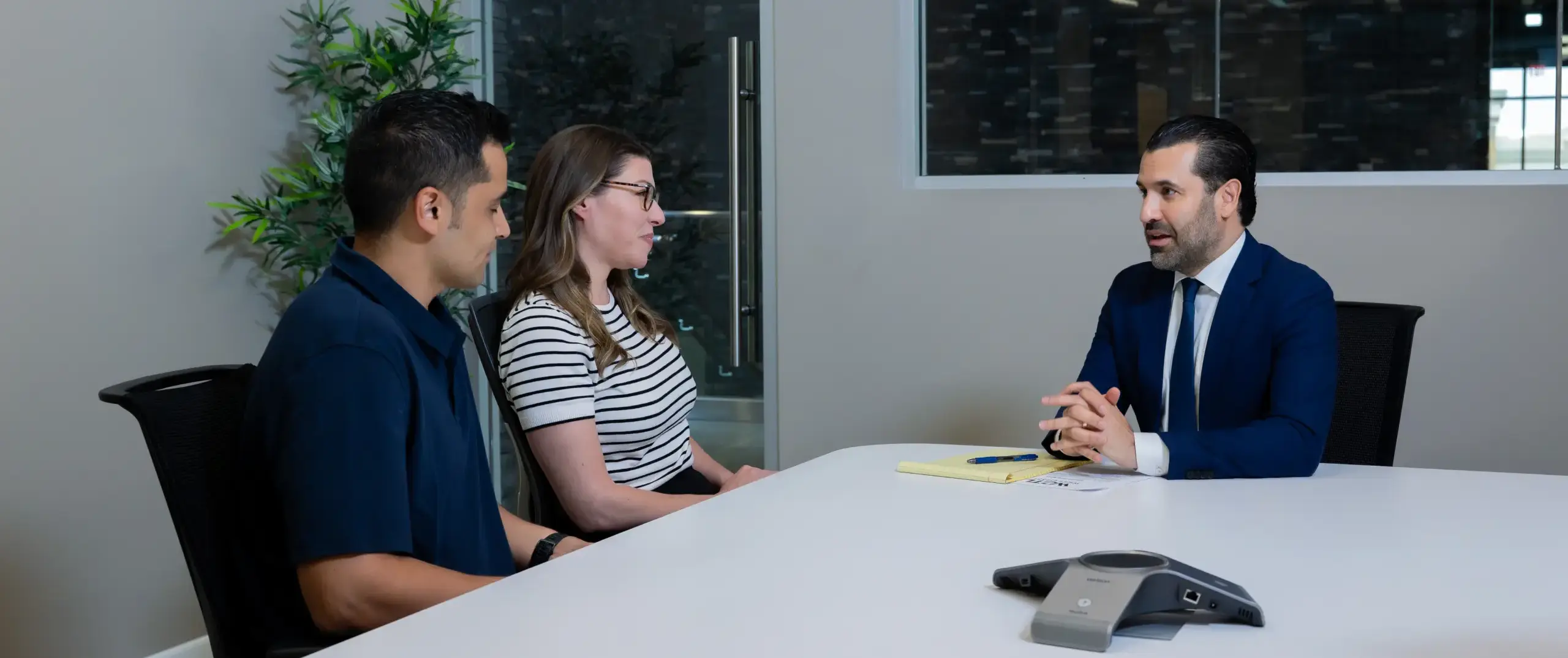
California personal injury cases can involve powerful defendants, including national insurance carriers, trucking companies, rideshare companies, and government entities. When your claim involves powerful defendants, you want to hire a law firm with not only a track record of success, but with the resources and the know-how to take on these defendants.
At West Coast Trial Lawyers, our firm has experience representing clients against large corporations like Marriott, Disney, and even against government agencies in California and beyond. With a growing presence throughout the west coast, our team of attorneys understand California law, local court rules, and how a sudden accident can change a person’s life in an instant and are committed to handle every case with the utmost care and respect that it deserves.
What You Get When You Hire West Coast Trial Lawyers
- An In-House Trial Team– Our attorneys prepare cases with litigation in mind and are ready to take a claim further when a reasonable settlement cannot be reached.
- Direct Access to Your Legal Team– Clients receive access to the attorneys and legal professionals responsible for handling their case.
- Experience Handling Complex Injury Claims– Our team handles serious cases involving major insurers, corporations, commercial defendants, and other well-resourced parties.
- Offices Throughout California– West Coast Trial Lawyers maintains locations throughout Northern and Southern California, the Inland Empire, Central Valley, and other parts of the state.
Personal Injury Cases We Handle Across California
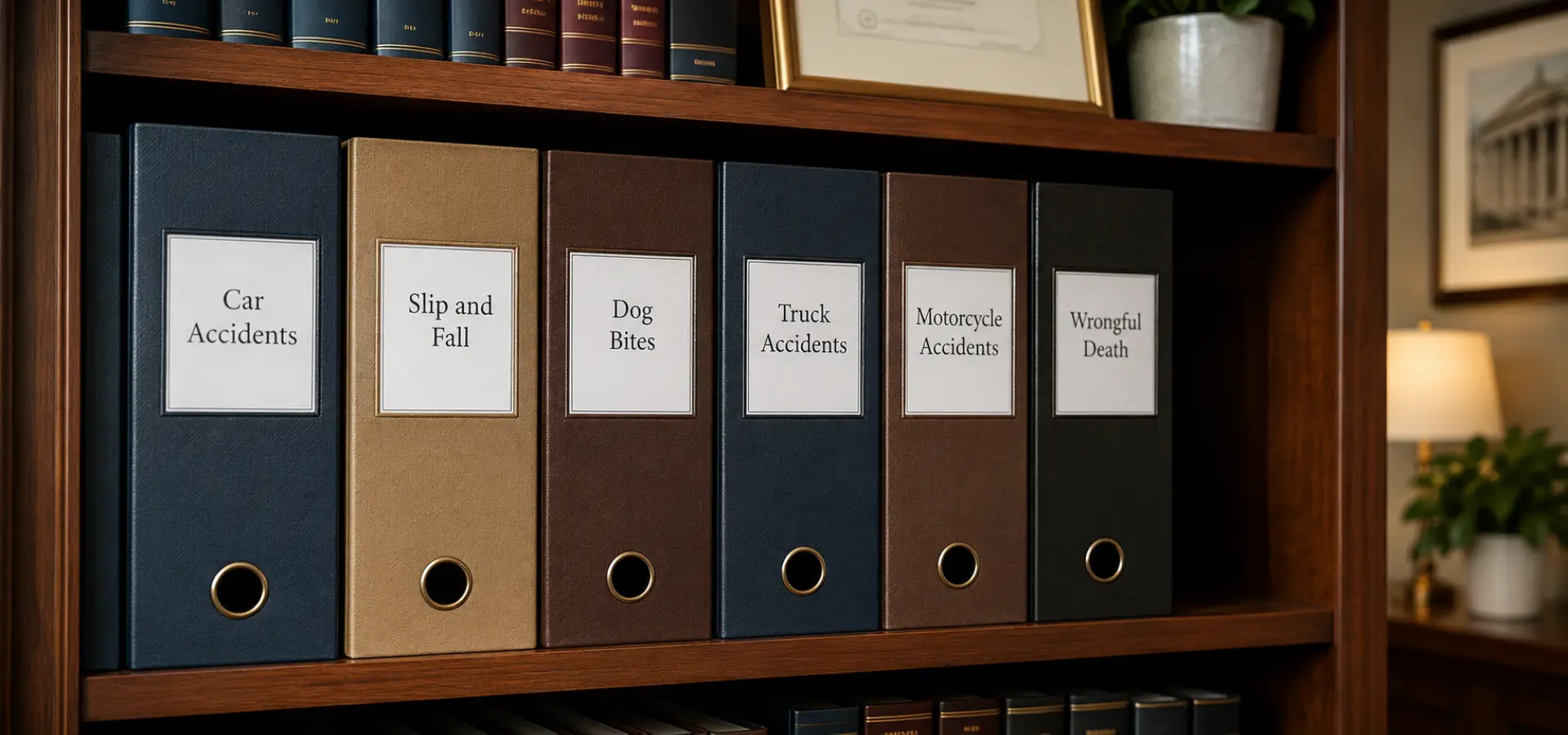
Personal injury law encompasses many different accidents and forms of negligence. As a result, our firm covers a range of accident and injury claims and are licensed to handle them under California law. If you do not see an accident type that is relevant to your claim, call our firm to learn more about your options and see what we can do for you.
- Car accidents
- Motorcycle accidents
- Truck accidents
- Rideshare accidents
- Bus accidents
- Bicycle accidents
- Wrongful death claims
- Scooter accidents
- Dog bite claims
- Pedestrian accidents
- Premises liability claims
- Brain injury claims
- Burn injury claims
- Spinal cord injury claims
- Food delivery accidents
- Self-driving car accidents
What Should You Do After an Accident in California?

No matter what kind of accident you have been involved in, your health should come first after an accident. Seek appropriate medical treatment and follow any recommendations that were provided by your healthcare professionals, because some injuries may become more noticeable after the shock and adrenaline of an accident have subsided.
If you are physically able, document what happened as this can serve as the basis of your personal injury claim. Potential evidence can include things like photographs of your injuries, vehicle or property damage, dashcam or surveillance footage, police reports, and records showing how the accident affected you.
Additionally, it is recommended to be cautious when speaking with another party’s insurance company, because any statements made shortly after an accident may later be compared with medical records, photographs, or opposing testimony when liability or damages are disputed.
How Do You Prove a Personal Injury Claim in California?
Most California personal injury claims are based on negligence and requires the injured person to present evidence that shows how another party owed a duty to exercise reasonable care, failed to meet that duty, caused or contributed to the injury, and caused compensable damages. What proves those elements depends on how the accident occurred.
For example, a car accident may involve collision reports, vehicle photographs, surveillance footage, dashcam video, cellphone records, or electronic vehicle information. Furthermore, the strength of a personal injury claim will depend on more than the severity of the injuries, because there must be evidence connecting another party’s conduct to the harm suffered.
How Common Are Serious Traffic Accidents in California?

Traffic collisions continue to cause thousands of deaths and serious injuries throughout California. The California Office of Traffic Safety’s statewide report shows that 4,061 traffic fatalities in 2023, and while that happens to be an 11% decrease from 2022, the fact that there are still thousands of traffic related fatalities on an annual bases demonstrate the continuing impact serious traffic accidents have throughout California.
Where Are California Personal Injury Lawsuits Filed?
California does not have one courthouse that handles every personal injury lawsuit, instead California’s Superior Courts operate at the county level, so the proper filing location generally depends on factors such as where the accident happened, where the defendant resides, and the applicable venue rules.
For example, a qualifying car accident case in Santa Ana may proceed through Orange County Superior Court, while a dog bite claim in Downtown Los Angeles may be processed through Los Angeles County Superior Court. However, it is important to note that hiring an attorney does not mean your claim will automatically go to trial, because many personal injury cases tend to resolve through insurance negotiations, settlement discussions, or litigation before a jury trial becomes necessary.
How Working with a California Personal Injury Lawyer Typically Works

People often hesitate to call a lawyer because they do not know what happens next. Here is the process from first contact to resolution.
Step 1: Free Consultation and Case Evaluation
During a free initial consultation, your attorney listens to the details of your accident, reviews any evidence you have (photos, police reports, medical records, insurance correspondence), and evaluates whether California law supports your claim. Clients should assess a lawyer’s communication style during initial consultations to make sure the relationship is a good fit.
Additionally, clients should review contingency fee terms so they understand expense handling and what happens if the case is lost are all spelled out in a written agreement required by California Rules of Professional Conduct.
Step 2: Investigation, Medical Care, and Negotiation
Your lawyer obtains the full police report, interviews witnesses, secures surveillance footage, and arranges independent medical evaluations if needed. Communication with insurance adjusters is a key task for personal injury lawyers; your attorney handles every call and letter so you do not say anything that undermines your claim.
Once your medical condition stabilizes, the lawyer assembles a demand package: itemized medical bills, wage loss documentation, expert opinions on future care, and a detailed account of non-economic harm. Negotiation follows, with counteroffers going back and forth until a fair settlement is reached or it becomes clear that filing suit is necessary.
Step 3: Filing Suit if Needed and Securing Compensation
About 95% of personal injury cases settle without going to trial, but when an insurer refuses to offer fair compensation, your lawyer files a complaint in California Superior Court. When that happens, the case moves through discovery (interrogatories, document requests, depositions), mediation, and if still unresolved, trial. Should the case conclude after trial or negotiations, the lawyer distributes settlement or verdict funds, negotiates down medical liens, and ensures that you receive the maximum net recovery.
What Kinds of Compensation Can California Injury Victims Seek?
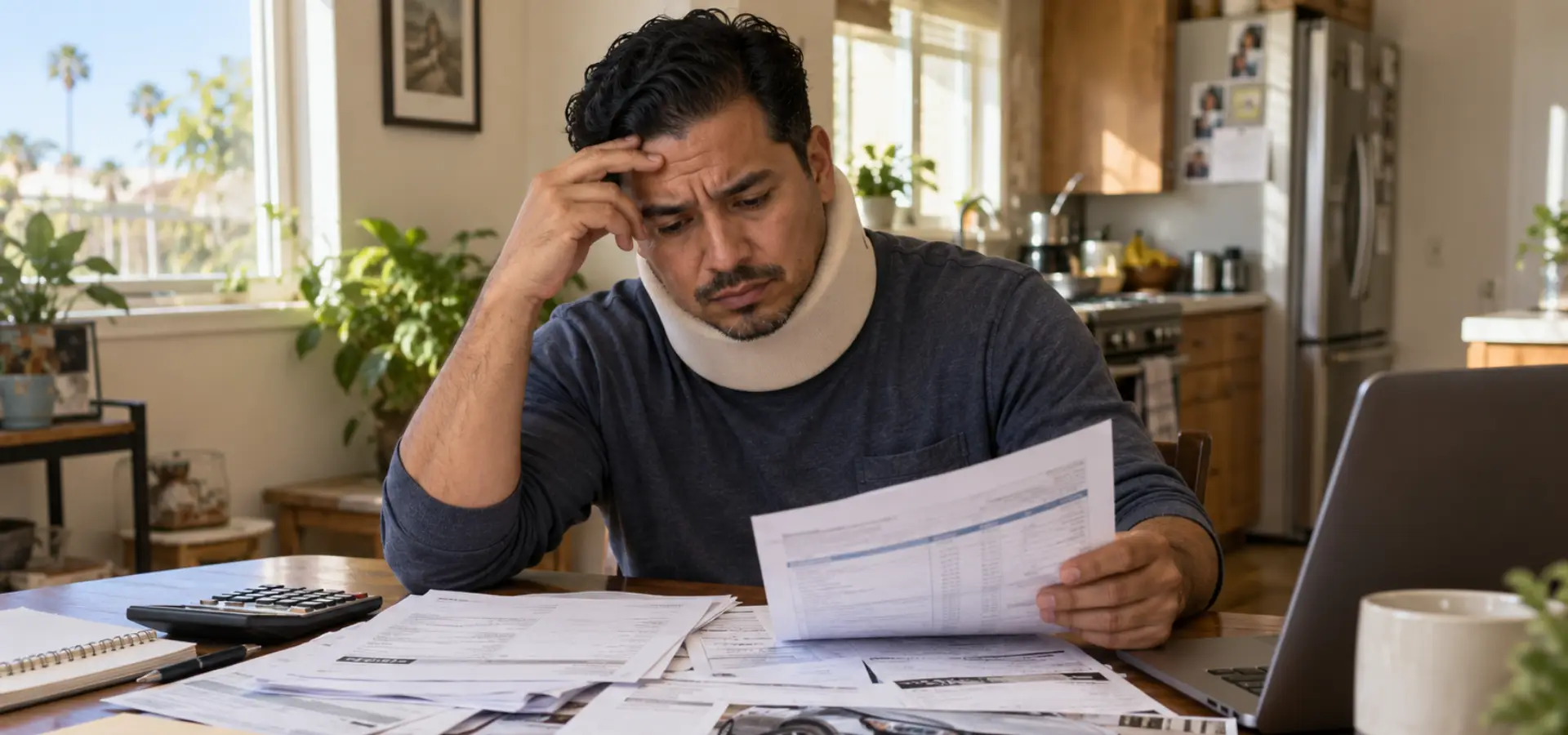
California law allows injury victims to recover several categories of damages. Compensatory damages include economic and non-economic awards, and in rare cases, punitive damages may apply. While the specific amount depends on the severity of injuries, the quality of evidence, and the impact on daily life, a California personal injury lawyer can provide an accurate evaluation rather than a generalized settlement average from a personal injury calculator.
Economic Damages
Economic damages cover verified financial losses and these include costs such as:
- Ambulance, emergency room, surgery, and hospitalization costs
- Physical therapy, prescription medications, and assistive devices
- Home modifications (wheelchair ramps, grab bars)
- Lost wages and reduced future earning capacity
- Vehicle repair or replacement and damaged personal property
You can seek damages for medical expenses and lost wages with proper documentation such as bills, receipts, pay stubs, employer letters, and repair estimates. As such, every dollar amount an injury victim wishes to recover in an accident must be backed by a record.
Non-Economic Damages
Non-economic damages compensate for the physical pain and emotional suffering an accident victim has suffered as a result of the accident in question. As such, damages such as pain and suffering, emotional distress, loss of enjoyment of life, disfigurement, and loss of consortium are all common examples of non-economic damages and due to the subjective nature of these damages, their compensation value will vary on a case-by-case basis.
These damages are supported with evidence like pain journals, therapist notes, testimony from family and friends, and medical records documenting ongoing limitations. Furthermore, there is no statewide cap on non-economic damages in personal injury cases and the MICRA cap of $250,000 only applies to medical malpractice claims.
Punitive Damages
Punitive damages are designed to punish negligent parties for their reckless and malicious actions and deter any similar accidents in the future. Under California Civil Code § 3294, accident victims require proof that the defendant acted with malice, oppression, or fraud. Common examples include a driver with a very high BAC who causes fatal accidents or a corporation that covers up a known product defect.
Furthermore, public entities are immune from punitive damages, and wrongful death claims do not permit them. With that in mind, your lawyer will advise whether punitive damages are realistically available based on the facts of your case.
How California Law Affects Your Personal Injury Claim

California has specific rules that directly determine how much you can recover in a personal injury lawsuit and how your accident claim must be handled.
California’s Pure Comparative Negligence Rule
In the event of an accident with varying disputes of liability, California applies a pure comparative negligence rule where compensation is reduced by the plaintiff’s fault. If a jury finds you 20% responsible for your accident and your total damages are $100,000, you recover $80,000. This is designed to ensure no single party is unjustly responsible for covering all damages, but insurance companies tend to exploit this rule by inflating your share of blame in order to reduce their costs.
Statute of Limitations and Government Claim Deadlines
In California, all personal injury claims have a two-year statute of limitations under CCP § 335.1 and claims against government entities carry a six-month deadline to file a written claim form. Any failure to file a claim on time will result in the automatic forfeiture of your claim and ability to pursue compensation. These deadlines are strictly enforced and courts only grant extensions in narrow and specific circumstances.
Medical Liens and Health Insurance Reimbursement
In many accidents, injury victims are not able to pay for sudden medical expenses and when that happens, hospitals, health insurers, and Medi-Cal place medical liens on a personal injury settlement, meaning they claim reimbursement from your recovery before you receive your share. A personal injury lawyer will negotiate these liens down in order to increase your net payout. As such, it is vital to not ignore medical bills while a claim is pending and not to pay large sums out of pocket without legal advice.
How Much Is a California Personal Injury Case Worth?

Due to the nature of personal injury claims, there is no reliable average settlement that determines what an individual California personal injury claim is worth. As two people can experience similar accidents and suffer very different injuries, expenses, and long-term consequences, the value of a personal injury claim will vary on a case-by-case basis.
However, common factors that can indicate the overall value of a personal injury claim will be dependent on the severity of the injuries suffered, the scale of the accident, the number of responsible parties, and impact on everyday life. While there are personal injury settlement calculators that can give rough estimates, consulting with a personal injury lawyer about your claim and give better insight to your situation.
Speak With a California Personal Injury Lawyer Today

A serious accident can create problems that extend far beyond the initial injury and change your life for the worse. Whether you are dealing with outstanding medical bills, transportation problems, or uncertainty about what happens next, you deserve justice and hold those responsible accountable for their actions.
At West Coast Trial Lawyers, our attorneys understand how impactful sudden accidents are and are committed to providing top tier legal representation to those in need. With over 25 years of experience fighting for people’s rights, our firm has recovered over $2 billion of financial compensation on behalf of our clients throughout California.
Call us today at (213) 927-3700 or fill out our online contact form for a free case consultation.
Past results do not guarantee a similar outcome.
Frequently Asked Questions About California Personal Injury Claims
Do I Really Need a Lawyer, or Can I Handle My California Injury Claim Alone?
For a minor fender-bender with no injuries and only property damage, you may handle the insurance claim yourself. However, once you have suffered physical injuries requiring medical treatment, time off work, or ongoing therapy, the calculation changes and accident victims should consider seeking legal representation because they are more likely to win 3.5 times more compensation than those who negotiate directly with insurers.
How Long Will My California Personal Injury Case Take?
Simple cases with clear liability and moderate injuries may settle within a few months, but cases involving serious injuries, disputed fault, or a lawsuit often take one to three years. Lawyers typically wait until your medical condition stabilizes before pursuing a final settlement and settling too early risks underestimating future medical expenses and lost earning capacity.
Will My California Personal Injury Case Go to Trial?
Filing a lawsuit does not mean you will end up in a courtroom because many cases tend to resolve through negotiation or mediation even after a suit is filed. Trial becomes more likely in high-value cases, wrongful death cases, or when liability is heavily disputed. Having trial attorneys who are prepared and willing to go to verdict often produces better settlement offers because the insurance industry knows the case cannot be cheaply dismissed.
What if the At-Fault Driver Does Not Have Enough Insurance?
If the at-fault driver does not have enough insurance to cover damages, an attorney may investigate other potential sources of compensation. Depending on the accident, those sources could include uninsured or underinsured motorist coverage, another responsible driver, a vehicle owner, employer, trucking company, commercial policy, or another defendant.
Can I Recover Compensation if an Accident Made an Existing Injury Worse?
Having a pre-existing condition does not automatically prevent someone from pursuing compensation when a new accident aggravates or worsens that condition. Medical records from before and after the accident may become particularly important when determining what changed and can help prove that the accident made an injury worse than it was.
Can I File a Claim if the Person Who Injured Me Was Working?
When someone causes an accident while performing job duties, their employer may also become relevant because they may have been partially responsible in allowing or causing the accident to occur. This can arise in crashes involving delivery drivers, commercial vehicles, service technicians, construction workers, sales representatives, and other employees traveling for work.
What if Several Drivers Are Blaming Each Other for My Injuries?
In such instances, providing evidence like photographs, vehicle damage, witness testimony, surveillance footage, dashcam recordings, collision reports, and accident reconstruction may help determine who is at fault. It can also prove how fault should be divided in the event where multiple parties share responsibility.
Can the Insurance Company Use My Social Media Against Me?
Any public photographs, videos, posts, comments, and location information on social media may be reviewed when an insurance company investigates whether someone’s activities are consistent with the injuries being claimed. As such, accident victims should be cautious about what they post while a claim is pending and should avoid destroying potentially relevant material.
What Happens if My Injuries Get Worse After I Accept a Settlement?
A final settlement commonly requires the claimant to release covered parties from further liability arising from the accident. Once an enforceable settlement and release have been completed, discovering that an injury is more serious than expected generally does not mean additional compensation can simply be requested. Before accepting a settlement, it is vital to consider any and all future medical treatment and lost earnings that may occur.