A car accident involving an unlicensed driver can raise questions that do not usually come up in a standard crash. Was the unlicensed driver automatically at fault? Does insurance still apply? Can the vehicle owner be held responsible? What happens if you were the one driving without a valid license?
The issue is becoming more relevant as fewer young people are getting licensed. According to USA Today’s analysis of Federal Highway Administration data, the share of 16-year-olds with a driver’s license has dropped sharply over the last several decades. Other factors, including vehicle costs, insurance prices, rideshare use, and driving anxiety among non-driving teens, have also changed how younger drivers approach car ownership and licensing.
Still, an unlicensed driver accident is not decided by license status alone. The outcome depends on who caused the crash, who owned the vehicle, whether the driver had permission to use it, what insurance applies, and which state’s laws control the claim.
Does Insurance Cover an Unlicensed Driver?
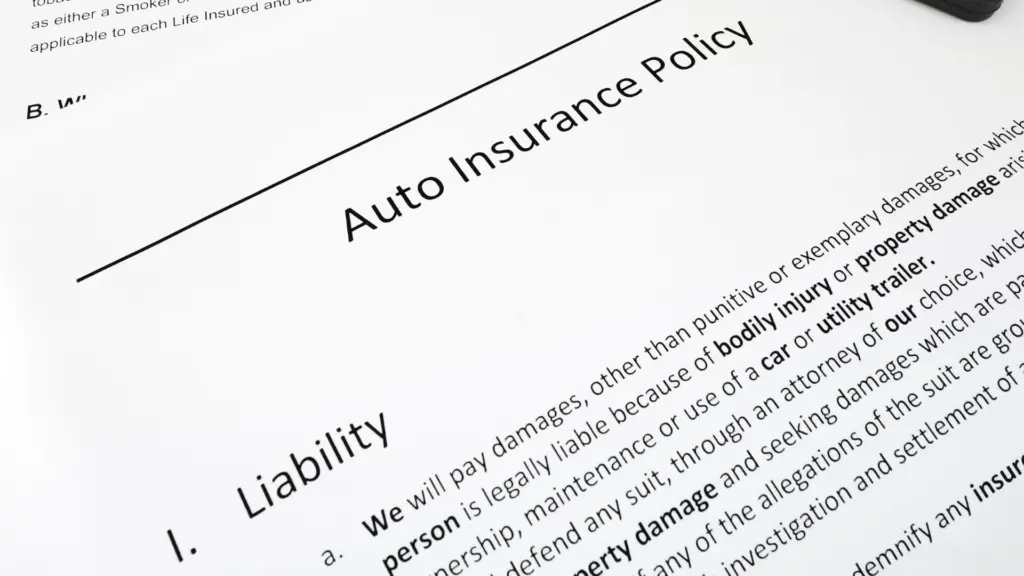
In many car accident cases, insurance follows the vehicle rather than the driver. This means the vehicle owner’s insurance policy may still apply if someone else was driving the car with permission.
That does not mean coverage is guaranteed. Some insurance policies contain exclusions for unlicensed drivers, excluded household members, unauthorized drivers, or people using the vehicle without permission. If the insurance company believes an exclusion applies, it may deny coverage or investigate the claim more aggressively.
This is why one of the first questions after an unlicensed driver accident is not just “Who was driving?” but also “Whose car was it, and did the driver have permission to use it?”
Is an Unlicensed Driver Automatically at Fault?
Driving without a license is a separate issue from causing the crash. Establishing fault is still based on negligence and in order to prove liability, the injured person generally has to show that the other driver acted carelessly, caused the accident, and actual damages.
For example, if an unlicensed driver is stopped at a red light and gets rear-ended, the unlicensed driver is not automatically responsible for the crash. They may still receive a citation for driving without a valid license, but the rear driver may be legally responsible for causing the accident.
That said, license status can still become part of the case. An insurance company may argue that the unlicensed driver lacked the skill, training, or legal authority to drive safely. That argument does not win by itself, but it can create disputes over fault, credibility, and damages.
When Can the Vehicle Owner Be Liable?
If the vehicle owner allowed an unlicensed or unsafe driver to use the car, the injured person may have a negligent entrustment claim. Negligent entrustment generally means the owner gave someone access to a vehicle when the owner knew, or reasonably should have known, that the person was not fit to drive.
This issue may come up when the borrower did not have a valid license, had a suspended or revoked license, had a known history of reckless driving or DUIs, was visibly intoxicated, was an inexperienced minor, or had a known medical condition that made driving unsafe.
A negligent entrustment claim can matter because the unlicensed driver may not have meaningful assets or insurance of their own and the vehicle owner and their insurance policy may be a more realistic source of recovery.
How Unlicensed Driving Accidents Are Handled from State to State
California
California generally follows an at-fault system with pure comparative negligence, meaning fault can be divided between the parties, and an injured person’s compensation may be reduced by their percentage of responsibility.
While driving without a valid license violates California Vehicle Code § 12500, but that violation does not automatically prove the unlicensed driver caused the crash. California also has a major rule that can affect injury claims involving uninsured drivers which is called Proposition 213.
Codified under California Civil Code § 3333.4, Proposition 213 ensures that uninsured drivers are barred from recovering non-economic damages after a car crash. This rule is especially important because many unlicensed drivers are also uninsured and if Prop 213 applies, an injured driver may only be able to recover economic damages.
California also has a permissive use rule under California Vehicle Code § 17150, where a vehicle owner may be held responsible when someone causes a crash while driving the owner’s car with permission.
Nevada
Nevada uses a modified comparative negligence rule under NRS 41.141. Meaning, if you are more than 50% at fault, you may be barred from recovering compensation, but if you are 50% or less at fault, your recovery may be reduced by your share of responsibility.
That makes fault disputes especially important in Nevada, because if one driver was unlicensed, the insurance company may try to use that fact to push more blame onto them. But the lack of a license does not replace the need to prove who actually caused the crash.
Nevada does not have a California-style Prop 213 rule, so that means an uninsured driver is not automatically barred from recovering non-economic damages solely because they were uninsured. However, license status, insurance coverage, and fault can still affect how the claim is handled.
Nevada also has a meaningful uninsured-driver problem, with approximately one in ten drivers operating without insurance. If an unlicensed driver was using someone else’s car, the vehicle owner’s knowledge becomes important, because a negligent entrustment claim may be filed with an experienced and local car accident attorney.
Arizona
Arizona follows a pure comparative negligence system under A.R.S. 12-2505. Meaning, an injured person’s compensation can be reduced by their percentage of fault, but partial fault does not automatically eliminate the claim.
Driving without a valid license is addressed under A.R.S. 28-3473. However, as in other states, being unlicensed does not automatically prove the driver caused the crash. Arizona requires drivers to carry minimum liability coverage of $25,000 per person, $50,000 per accident, and $15,000 for property damage under A.R.S. 28-4009. However, insurance coverage can become complicated when an unlicensed driver is behind the wheel.
Some Arizona auto policies may contain exclusions that limit or deny coverage when the policyholder knowingly allows an unlicensed driver to use the vehicle. If the insurer denies coverage, the injured person may need to look at other recovery options, such as their own uninsured or underinsured motorist coverage, or a direct lawsuit against the unlicensed driver.
A direct lawsuit against the unlicensed driver may be possible, but it is not always practical if the driver has no insurance, income, or assets. Our Arizona team based in Phoenix handles unlicensed driver accident cases throughout the state.
Washington
Washington also follows a pure comparative fault system under RCW 4.22.005 and much like California and Arizona, if an injured person shares some responsibility for the crash, their recovery may be reduced by their percentage of fault.
Driving without a valid license is addressed under RCW 46.20.005, but license status is still separate from civil fault, because a driver can be cited for being unlicensed while another driver remains responsible for causing the collision.
Washington claims may also involve negligent entrustment when a vehicle owner allows an unlicensed, inexperienced, or unsafe driver to use the car. This can be especially important when the unlicensed driver is a minor, household member, or someone the owner knew was not supposed to be driving.
For broader rules that apply to Washington injury claims, our Washington car accident laws guide explains fault, deadlines, and recovery options in more detail.
What to Do If You Are Hit by an Unlicensed Driver
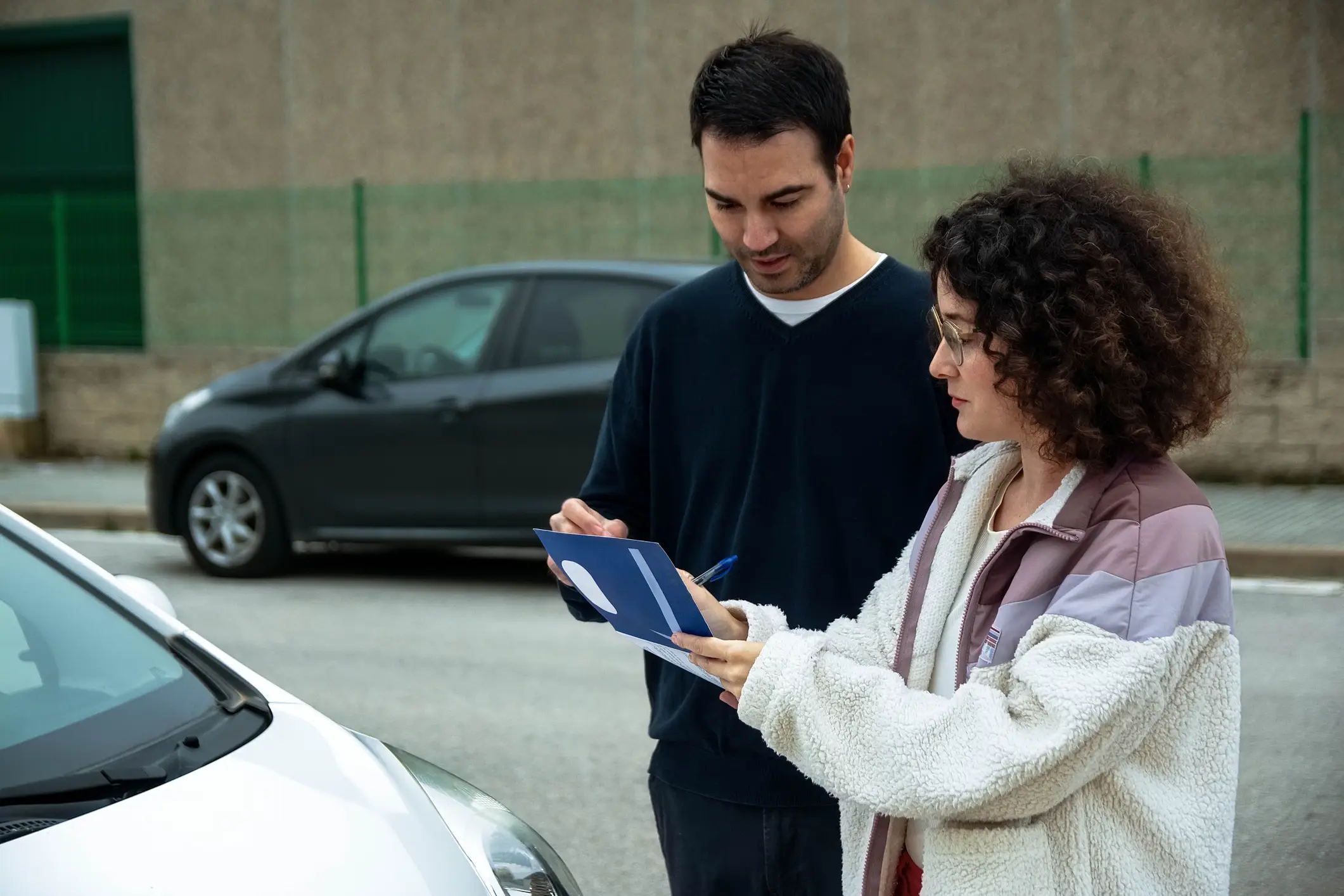
If you are hit by an unlicensed driver, treat the crash seriously from the beginning. License and insurance issues can make the claim harder to resolve, especially if the driver refuses to cooperate or disappears after the accident.
The basic steps are similar to any accident, but a few additional moves matter when the at-fault driver is unlicensed:
- Call 911 and request a police report- A police report becomes critical when the at-fault driver may try to disappear or dispute fault later
- Photograph everything- The scene, both vehicles, license plates, road conditions, and any visible injuries
- Get the unlicensed driver’s full information even if they refuse a license. Name, date of birth, address, phone, vehicle registration, the vehicle owner’s name if different
- Identify the vehicle owner- This is often the more important party for recovery purposes
- Get witness contact information- Independent witnesses often make the difference in disputed cases
- Notify your own insurance company promptly- Especially if you carry UM/UIM coverage, which may be your primary path to recovery
- Avoid recorded statements to the unlicensed driver’s insurance company until you have spoken with a lawyer
- Get medical attention even if you feel okay- Soft tissue and head injuries often surface a day or two later and need to be documented
What If You Were the Unlicensed Driver?
Being unlicensed does not automatically mean you caused the accident. You may still have a claim if another driver was responsible for the crash. However, driving without a license can complicate your case, because you may face a citation or other penalties separate from the injury claim.
Additionally, the insurance company may also try to use your license status to argue that you were unsafe, inexperienced, or partly responsible. With that in mind, your ability to recover damages may also depend on whether you had insurance and what state you live in.
If you were unlicensed and injured in a crash, speak with an attorney before giving a recorded statement. The way you explain what happened can affect liability, coverage, and the value of your claim.
What If the Unlicensed Driver Was Driving Someone Else’s Car?
When an unlicensed driver crashes a borrowed, rented, or company vehicle, the claim may involve more than one potential source of recovery. Depending on the facts, the responsible parties may include the unlicensed driver, the vehicle owner, the owner’s insurance company, a rental car company, an employer if the driver was working at the time, or a parent or guardian if the driver was a minor.
These cases can become complicated quickly. The key issue is usually whether the driver had permission to use the vehicle and whether the owner knew, or should have known, that the driver was not licensed or safe to drive.
Driving Without a License Does Not End the Case
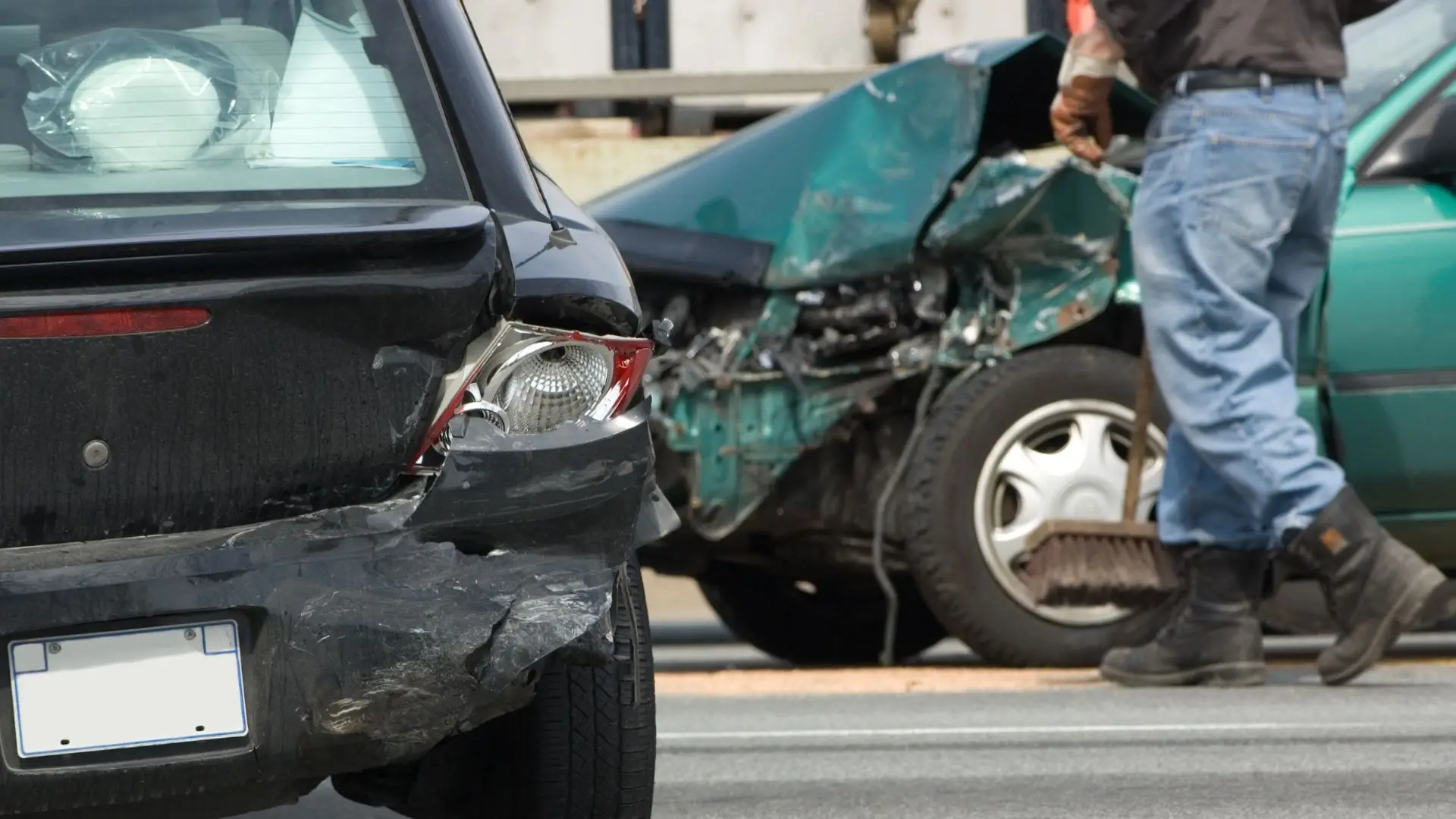
A driver’s license status is important, but it does not answer every legal question after a crash. The outcome depends on who caused the accident, what insurance applies, who owned the vehicle, whether the owner gave permission, and whether state-specific rules limit recovery.
If you were involved in an accident with an unlicensed driver in California, Nevada, Arizona, or Washington, West Coast Trial Lawyers can review the facts, identify available insurance coverage, and explain your legal options.
Call us directly:
- California: (213) 293-3350
- Nevada: (702) 935-4275
- Arizona: (602) 962-9251
- Washington: (206) 222-8860
You can also send a message online to speak with a member of our team for a free case consultation!