
A spinal cord injury can alter nearly every part of your daily life, especially when the incident was caused by someone else’s negligence. Under such circumstances, you may be entitled to take legal action for ongoing medical costs, changes in mobility, and uncertainty over how the injury will continue to affect you moving forward.
While these challenges progressively arise, having legal guidance can help you understand what steps you should take next. At West Coast Trial Lawyers, our spinal cord injury attorneys are readily available to assess your situation, identify the losses you endured, and determine how you should proceed while building a claim that accurately reflects what you have been through.
To schedule a FREE case evaluation, we invite you to connect with us by calling (213) 927-3700 or filling out our easy online contact form.
Why Choose Our Legal Team For Your Spinal Cord Injury Claim

With more than 20 years of experience in personal injury law and over $1.7 billion in settlements recovered, our law firm manages spinal cord injury cases with focus and consistency. We handle the details, stay on top of the legal process, and make sure nothing critical is overlooked while your case develops.
Our personal injury lawyers bring together multilingual support, 24/7 availability, and have top-tier legal education, including Harvard, to manage spinal cord injury cases. We work directly with accident victims to maintain clear communication, consistency, and a system that is easy to follow from the start.
On top of it all, we also take a transparent approach to fees and case progress while handling insurance claims on your behalf, allowing you to focus on your recovery with a peace of mind.
How a Spinal Cord Injury Affects the Body and Daily Functioning
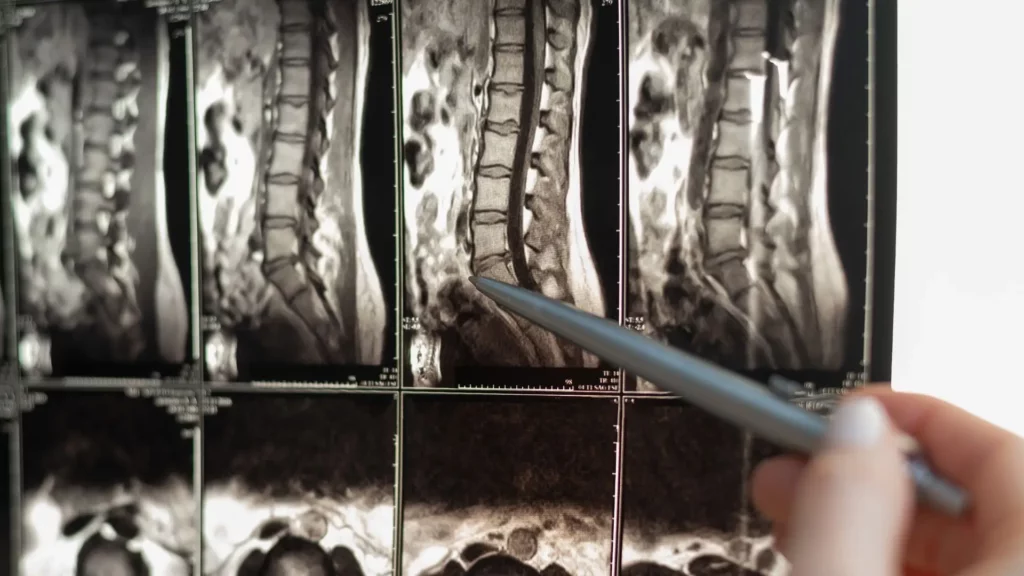
After a spinal cord injury, simple movements and sensations may be disrupted as the brain and body are no longer able to send signals the way they normally would. Depending on the extent of harm, individuals may either experience limited mobility to permanent paralysis below the injury site. These can affect everyday activities, like walking or maintaining balance and coordination.
In many cases, spinal cord injuries will be categorized as either:
- Complete spinal cord injury: Total loss of motor function and sensation below the affected area
- Incomplete spinal cord injury: Some retained movement or feeling past the affected region
The extent of these limitations is not always immediately apparent and may progress as swelling minimizes and the body starts to respond to medical treatment.
Signs of a Spinal Cord Injury You Should Not Ignore

Spinal cord trauma can affect how the brain communicates with the rest of the body. Some individuals will first notice unusual weakness in their arms or legs whereas others will experience numbness or tingling that does not go away.
In other instances, the injury could affect balance or coordination, making it difficult to do simple movements without feeling unstable. More severe spinal cord injuries could affect the pelvic organs, such as the bladder and bowel.
Some signs to look out for include loss of movement, numbness, difficulty with balance, and pressure along the spine. Since symptoms can worsen over time, it is important to seek medical attention as soon as possible. Furthermore, if the injury was caused by someone else’s negligence, consulting with a spinal cord injury attorney will help you understand your legal options moving forward.
Understanding the Severity of Spinal Cord Injuries
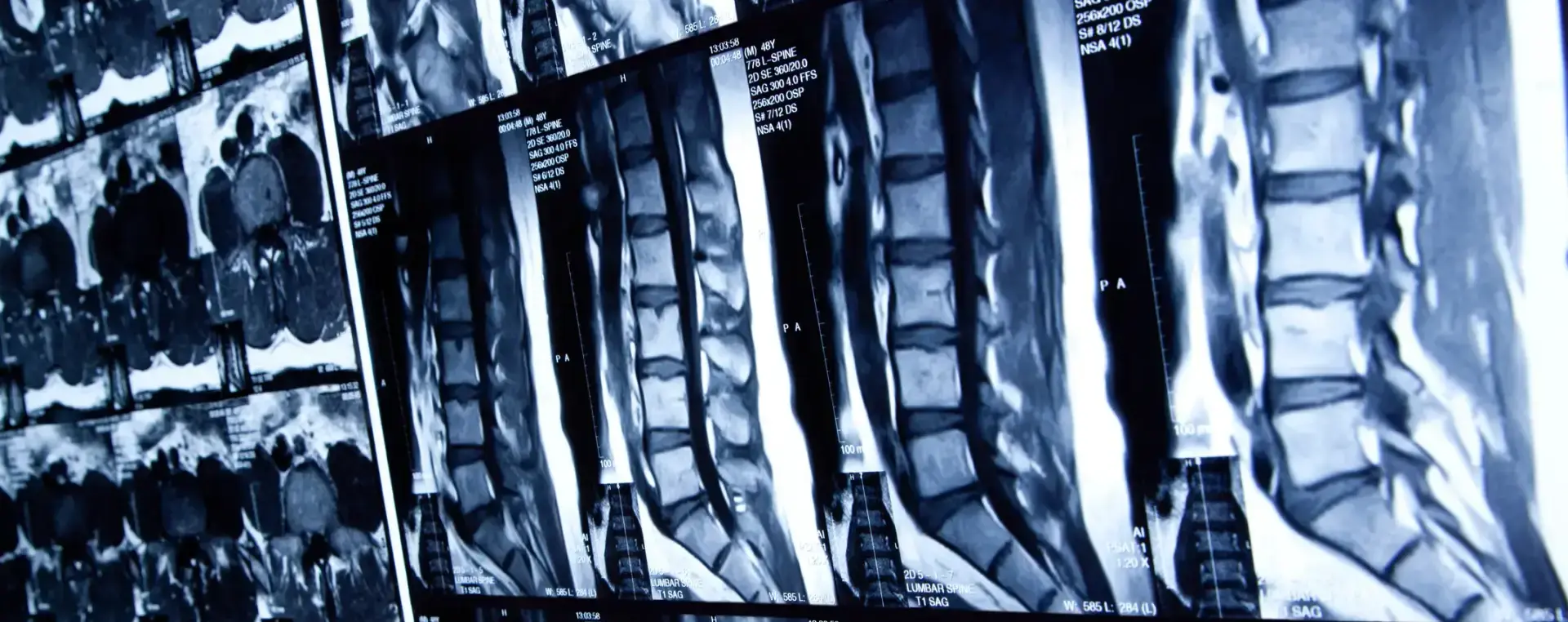
A spinal cord injury is not just about where harm was inflicted, it is about how the damage impacts the entire spinal column and the body’s ability to function after. The spine is divided into four areas: cervical, thoracic, lumbar, and sacral. They all work together to send signals between the brain and body. When one part is injured, it can affect everything below it.
Let’s take a deeper look at each section of the spine:
- Cervical spine (neck area): Injuries in the cervical region will usually be the most serious. Since this area controls signals to much of the body, damage here could affect movement in the arms and legs, and in severe cases, breathing.
- Thoracic spine (upper back): Thoracic injuries impact the chest and upper body. While arm movement is usually preserved, individuals may be met with challenges when it comes to balance, posture, and function below the chest. Depending on the extent of harm, these injuries can result in long-term limitations.
- Lumbar spine (lower back): Injuries in the lumbar region typically affect the hips and legs, limiting the ability to walk. Upper body movement, however, will generally remain unaffected.
- Sacral spine (pelvic area): Sacral injuries tend to be more localized, but can still interfere with certain functions, like bladder or bowel control, and parts of the lower body movement. Even when mobility is less affected, the lasting impact may still be significant.
The extent of blunt force trauma will come down to how it affects a person’s life, independence, and long-term needs. In more intense circumstances, such harm can be classified as a catastrophic injury due to the ongoing impact it can have on the individual’s ability to work and live independently.
What the Data Shows About Spinal Cord Injuries
Research shows that spinal cord injuries have affected thousands of individuals each year. There are roughly 18,000 new cases annually and an estimated 255,000 to 390,000 people currently living with a SCI in the United States. These cases stem from accidents and can affect individuals across all age groups. However, they are more commonly reported amongst young to middle-aged adults.
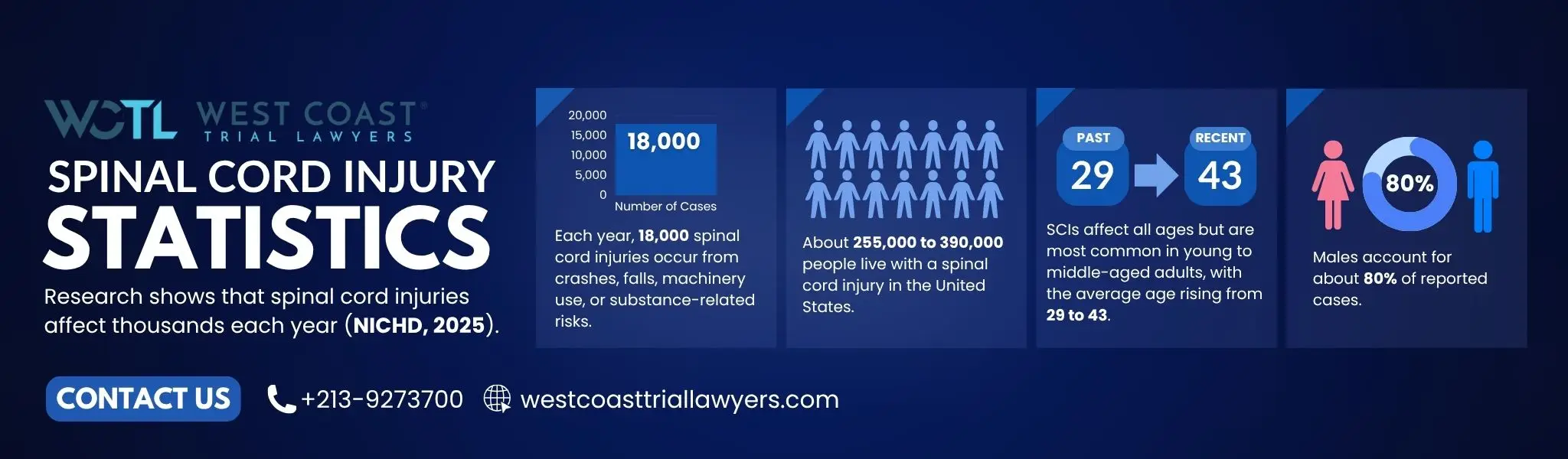
The average age at injury used to be 29, but increased to 43 in more recent years. Specific risk factors can raise the likelihood of sustaining such harm. This includes:
- Motor vehicle involvement
- Unsafe operation of machinery
- Falls from ladders
- Use of drugs or alcohol while performing high-risk activities
Males (80%) account for a significant portion of reported cases.
Accidents That Commonly Lead to Spinal Cord Injuries

Spinal cord damage usually happens when sudden, high-impact events inflict extreme force to the back. These injuries can happen in everyday situations. However, they are often linked to cases where the body endures direct trauma, rapid movement, or heavy pressure.
Depending on how the incident occurs, even a single moment of contact can interfere with nerve function and lead to lasting complications. Below are some common scenarios associated with spinal cord damage:
- Motor vehicle accidents, including car accidents, motorcycle accidents, and truck accidents
- Fall accidents, from heights or unsafe property conditions
- Construction accidents, for instance, heavy machinery, and hazards
- Violence, like blunt force trauma
- Sports accidents, such as high-impact activities
The Importance of Finding a Local Spinal Cord Injury Lawyer
If you suffered a spinal cord injury in an accident, working with a local attorney can make a notable difference in how your case is handled. They know specific laws, regulations, and court systems in your area, which can help strengthen your claim. In addition to their knowledge, local attorneys may also have connections with nearby experts, investigators, and resources that can support your case.
Here are some other benefits you can get of working with an area-based spinal cord injury lawyer:
- In-depth knowledge of local laws: Each state has its own nuances when it comes to handling spinal cord injury claims.
- Familiarity with local courts and judges: A locally based attorney knows the preferences and tendencies of judges and other legal professionals in the area.
- Accessibility and personalized service: Meeting your attorney in person can provide peace of mind and foster clear communication throughout the process.
If you’re looking for an experienced local spinal cord injury lawyer, we proudly serve in the following states:




Who Can Be Held Responsible for a Spinal Cord Injury?

Responsibility for a spinal cord injury will vary based on how the incident happened and who was involved in it. In a personal injury case, liability is typically tied to whether another person’s actions contributed to the harm you incurred.
Drivers can be held responsible when negligent behavior, like speeding or distracted driving, contributes to a crash that results in a spinal cord injury. Property owners may also face consequences if unsafe conditions on their premises resulted in bodily harm.
Are There Different Types of Negligence?
Depending on the nature of the accident, fault can be shared or assigned based on the type of negligence applied. In some states, pure comparative negligence will allow an injured person to recover compensation even if they were partially at fault for the incident, though their recovery may be adjusted accordingly.
Under modified comparative negligence, recovery will be limited or barred if the affected individual reaches a certain percentage (50-51%). In stricter systems, like contributory negligence, even a minor degree of accountability may prevent recovery altogether.
Since each spinal cord injury case has its own unique factors involved, liability will circulate on the specific facts surrounding the event and how the harm initially occurred. Identifying the at fault party is a major step toward securing fair compensation for the damages you endured.
What to Do After a Spinal Cord Injury

The moments following a spinal cord injury can be critical for both your immediate health and for protecting information that could later support your personal injury claim. Implementing the following steps can help make a notable difference in your recovery and the legal options you may pursue:
- Call 911 right away: Paramedics will arrive, stabilize you, and transport you to a local hospital. You will then have your condition assessed and begin the care process.
- Keep track of your medical records: Getting your diagnosis, treatment, and progress documented can help show the extent of your spinal cord injury and how it has impacted your day-to-day life.
- Gather information (if possible): If you are unable to do so, try to have a friend or family member get details out of the at fault party and any witnesses nearby.
- Consult with a spinal cord injury attorney: Once your condition is stable, speaking with an experienced attorney can help you understand your legal rights, assess your situation, and determine whether you have a valid personal injury claim.
What Compensation May Be Available After a Spinal Cord Injury
A spinal cord injury changes more than just your health, it can tamper with your ability to work, move, and ultimately manage your day-to-day life. Because of this, compensation will not only be limited to immediate medical bills. A spinal injury claim may take into account both economic and non-economic damages.
Economic Damages
Economic damages cover financial expenses spinal cord injury victims incurred as a result of someone else’s negligence. This includes ongoing medical care, like physical therapy, in addition to other costs:
- Lost wages
- Medical bills
- Loss of earning capacity
- Rehabilitation
Non-Economic Damages
Non-economic damages, on the other hand, do not have a monetary value and are meant to compensate victims for any emotional damages suffered as a result of the incident. For instance:
- Emotional distress
- Loss of consortium
- Loss of enjoyment of life
- Pain and suffering
Time Limits to File a Spine Injury Claim

Filing a spine injury claim comes with strict time limits. Deadlines will vary based on where the injury occurred. In most states across the U.S., the statute of limitations for personal injury lawsuits is usually between 1-3 years. Missing it will bar you from recovering compensation entirely regardless of how severe your spinal cord injury is.
In many cases, the clock will begin on the date of the accident, however, some states will apply the “discovery rule.” This can extend the deadline if the injury or its full impact was not immediately known.
Additionally, there are other exceptions that could shorten the deadline. Circumstances involving government entities will often require you to submit an administrative claim within a few months of the incident before a lawsuit is even filed.
Discuss Your Spinal Cord Injury Claim with West Coast Trial Lawyers Today

At West Coast Trial Lawyers, we work with accident victims to evaluate how spine damage has affected their daily life, medical needs, and ability to work. This includes assessing damages, like current and future medical expenses, lost income, and other long-term impacts the situation has had on your daily life. Our team will navigate you through each stage of the legal process, taking the steps needed to pursue justice and compensation on your behalf.
To book a FREE consultation, we welcome you to reach out to us by calling (213) 927-3700 or completing our quick online contact form.
Frequently Asked Questions About Spinal Cord Injury Claims
When Should I Speak with a Lawyer After a Spinal Cord Injury?
You should speak with a lawyer once your immediate medical needs have been handled and you have a full understanding of your overall condition. Requesting early guidance can help you avoid making mistakes that can affect the value of your claim, especially when you are communicating with insurance companies or are sharing statements pertaining to the incident.
It can also be helpful to get insight on your case if your injury involves significant medical care, lost income, or you have uncertainty over who is at fault for the losses you incurred. The sooner you understand your options, the easier it will be to gather evidence and move forward with a spinal cord injury lawsuit.
Can I Still File a Claim if My Symptoms Develop Later?
In most cases, you can still file a claim even if your symptoms did not show up immediately after the accident. Some conditions can take a certain amount of time to fully develop, especially when initial signs are masked by adrenaline.
Many states understand this through the discovery rule. Since delayed complications can raise questions from the insurers, it is important to get yourself medically evaluated as soon as you start to notice these changes. Be sure to acquire documentation of your visits, treatments, and prognosis as these can all help strengthen your claim.
Can You Fully Recover From a Spinal Cord Injury?
Recovery from a spinal cord injury will depend on the type and intensity of bodily harm endured. In circumstances where severe damage is inflicted, full recovery may be limited. However, not all spinal injuries affect the cord itself. Conditions, like herniated discs or fractured vertebrae, may improve over time with proper treatment.
Injuries caused by a traumatic accident can vary, and the outcomes will usually depend on how quickly you get treated and how your body responds to the care it is receiving. While some people will regain function, others may have to go through long-term therapy and support to maintain a quality of life.
Can a Low-Impact Accident Still Cause a Spinal Cord Injury?
A low-impact accident can still cause a spinal cord injury in certain situations. Keep in mind that the force of the impact is not always the main factor. You have to consider how the body moves during the incident and whether you have any pre-existing conditions. You may not notice symptoms right away if the injury includes soft tissue damage or irritation to nearby nerves.
As time progresses, what feels minor could turn into something more serious that can ultimately alter your movement, sensation, and overall body function. Because of this, any signs of pain or changes in mobility after an accident should be taken seriously and get evaluated by a medical professional.
What if I Delayed Medical Treatment After the Accident?
Delaying medical treatment after an accident does not necessarily mean that you cannot pursue a claim. However, it can make things a bit more challenging, because insurance companies will take note of the gaps in care and may argue that the harm you endured was either minor, unrelated, or caused by something else.
If you delay your treatment, it is important to get checked as soon as you notice symptoms progressing and you can clearly explain when and how it all started. Ongoing follow-up care and documentation will help show the timeline of the spinal cord injury, which can help support your claim.
What if the Insurance Company Says My Injury Is Not Severe?
After an accident, insurance companies will look into your claim to understand the extent of your injury and how it has impacted your daily lifestyle. As part of that process, they could try to question its severity.
They will review your medical records, treatment history, and if there are any gaps in care, which can lead to arguments over whether the injury is less serious than initially claimed. Because of this, consistent medical documentation is important to show how the injury has impacted you.
What Mistakes Should I Avoid After a Spinal Cord Injury?
After a spinal cord injury, you should avoid common missteps that can complicate treatment or weaken documentation. This includes:
- Delaying medical care
- Stopping treatment early
- Failing to document symptoms
- Speaking too openly with insurance companies
- Gathering insufficient accident information
Being aware of these errors can help you handle your situation more effectively.
When Can a Spinal Cord Injury Lead to a Wrongful Death Claim?
A spinal cord injury can lead to a wrongful death claim when it is caused by someone else’s negligence and the injured person passes away as a result of related complications. This can happen shortly after a serious collision. In certain scenarios, the affected individual may experience complications, like infections, respiratory issues, or other conditions that are linked to the original trauma.
If those complications result in death, the claim may still be connected to the incident. In these situations, a survival action may also apply (depending on the circumstances and applicable state law) to address damages endured between the injury and the time of death.