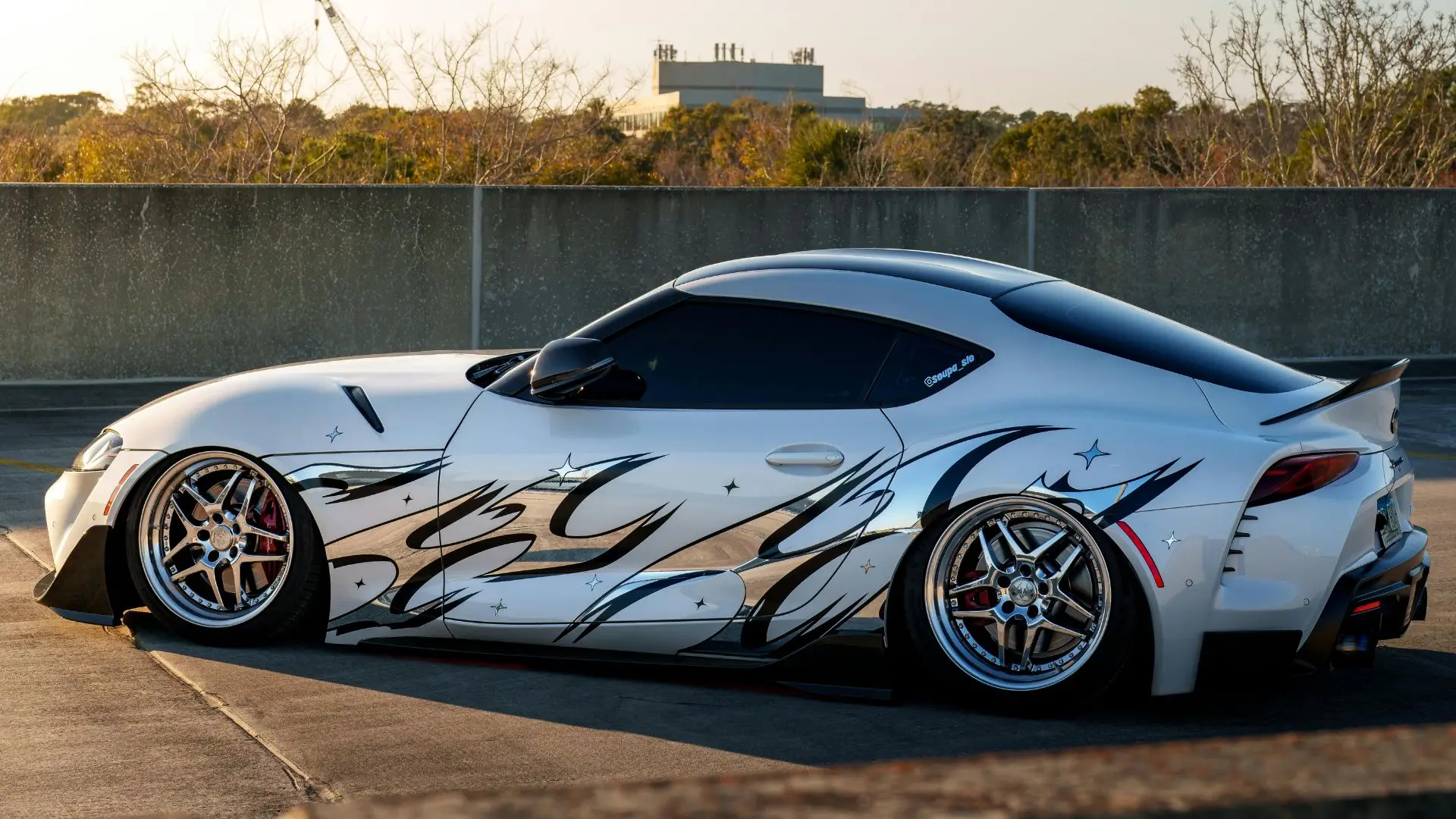
Washington has a strong car culture and, in one notable way, a relatively relaxed regulatory environment: the state ended its vehicle emissions testing program back in 2020, so there are no more trips to the emissions station here.
That leads a lot of drivers to assume Washington is loose about modifications across the board, but the state strictly enforces a detailed set of equipment laws. Depending on the type and scale of modification, federal rules may apply, which means a surprising number of popular mods are illegal on public roads even without an emissions test in sight.
Here are eight car modifications that are illegal or restricted in Washington, the specific law each one breaks, why the rule exists, and what a violation can cost you, including the way an illegal mod can quietly hurt you if you are ever in a crash.
1. Amplified Exhausts and Straight Pipes
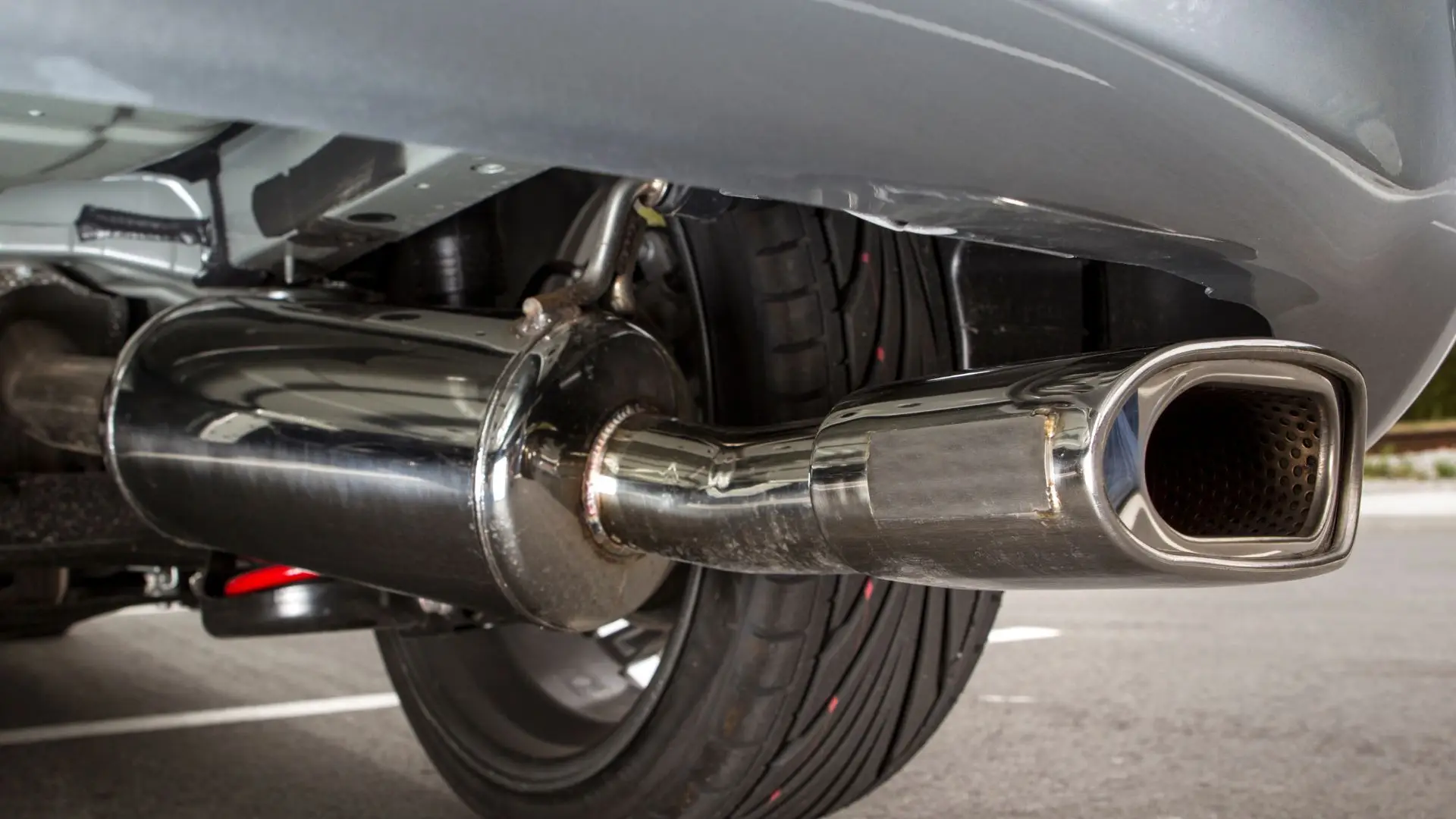
This is the most commonly cited modification in Washington, and the standard is stricter than many drivers expect. Under RCW 46.37.390, it is unlawful to modify a vehicle’s exhaust in any way that amplifies or increases the noise above what the originally installed muffler produced, and it is illegal to operate a vehicle with an amplified exhaust system. Note the standard: not a specific decibel number for cars, but “louder than stock.”
- Why it is illegal: Excessive exhaust noise disturbs communities and is associated with aggressive and unsafe driving.
- The penalty: A traffic infraction, with tickets commonly around $136, however, the statute allows a court to dismiss the infraction if there are reasonable grounds to believe the vehicle was not actually operated in violation.
2. Illegal Window Tint
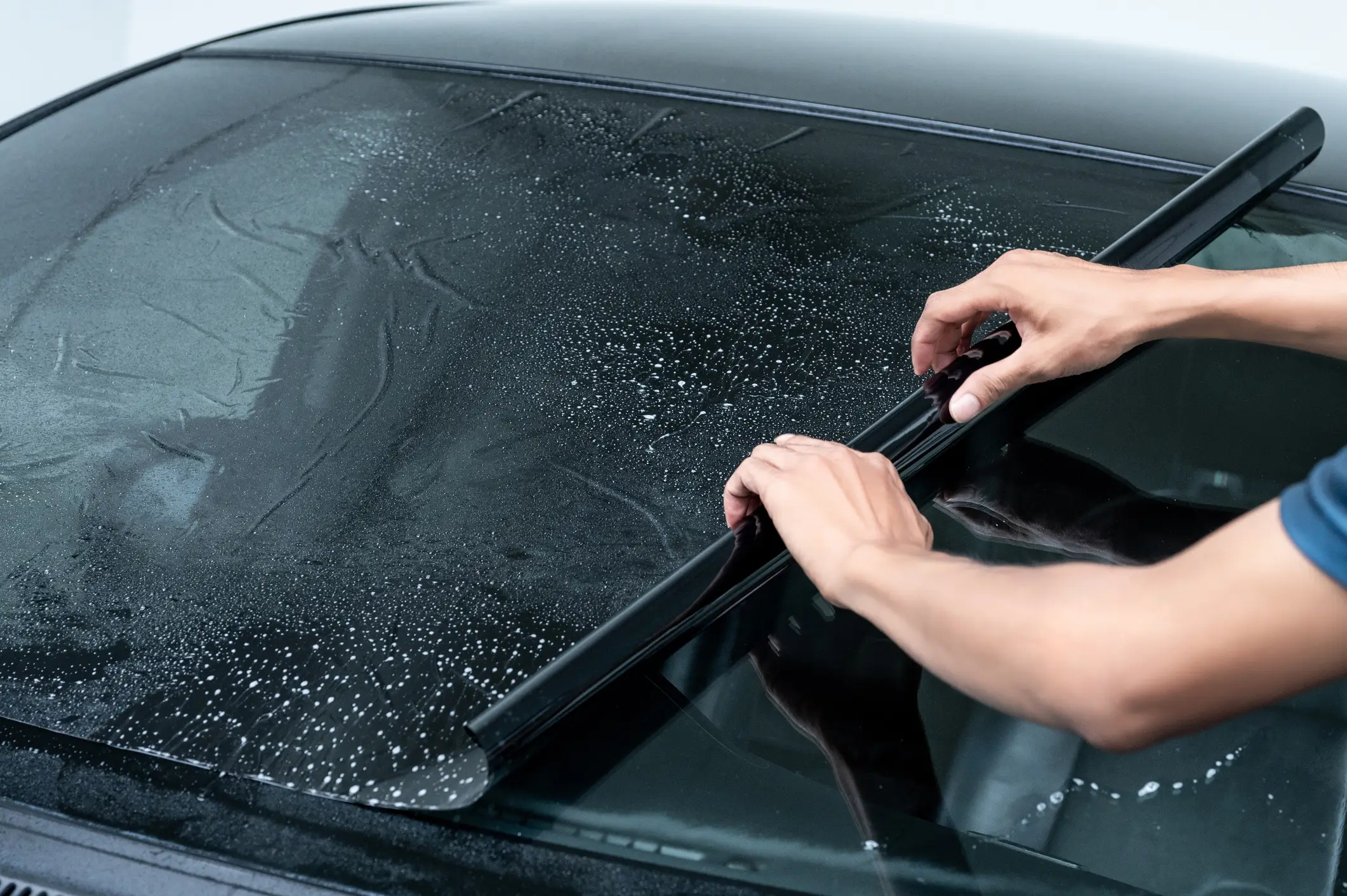
Tint is where drivers get caught most often. Under RCW 46.37.430, the front side windows on every vehicle must allow more than 24% of visible light through and the windshield may only have non-reflective tint on the top six inches.
Additionally, the rule is applied different to car types as sedans must meet the 24% rule on all windows, while SUVs, trucks, and vans can go darker on the rear side and back windows. Washington caps reflectivity at 35% and specifically bans certain tint colors and finishes, red, gold, yellow, black, and mirror-finish films are not allowed.
- Why it is illegal: Tint that is too dark reduces night visibility and keeps officers from seeing into the vehicle.
- The penalty: Traffic infraction, typically around $136, with no tolerance below the 24% line. Officers use tint meters, and you may have to remove the film and a compliance sticker is required on the driver’s window.
3. Windshield and Window Obstructions
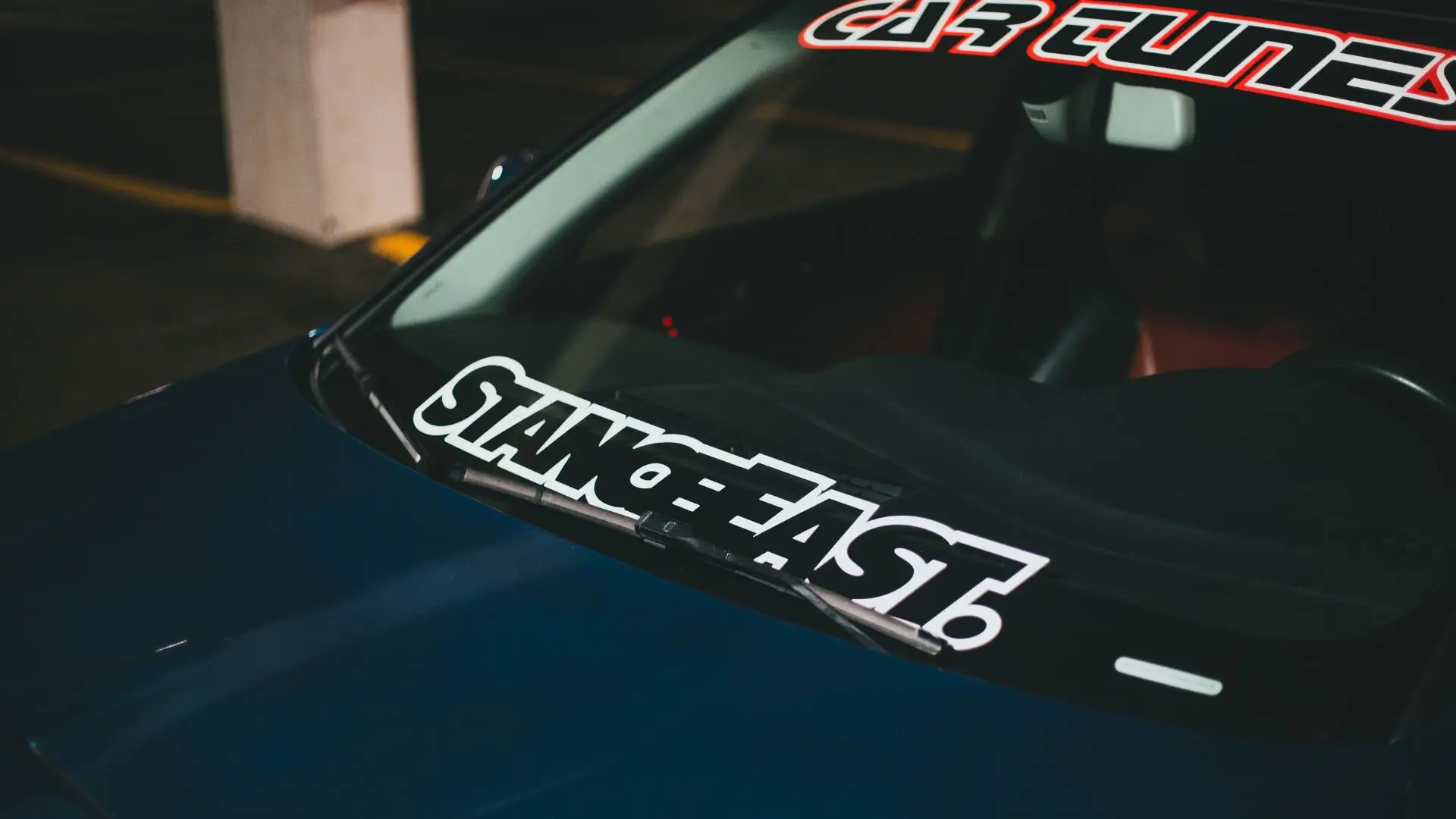
Beyond tint, Washington restricts what you can mount on or near your glass. Under RCW 46.37.410, you cannot drive with signs, posters, or other non-transparent material on the windshield or windows that obstructs the driver’s clear view. Washington also prohibits objects, other than the hood ornament and wipers, that project more than two inches above a line from the top of the steering wheel to the top of the front fenders.
- Why it is illegal: Anything blocking the driver’s sightline is a direct crash risk.
- The penalty: Traffic infraction with violation charges depending on the issuing officer.
4. Illegal Lighting Modifications
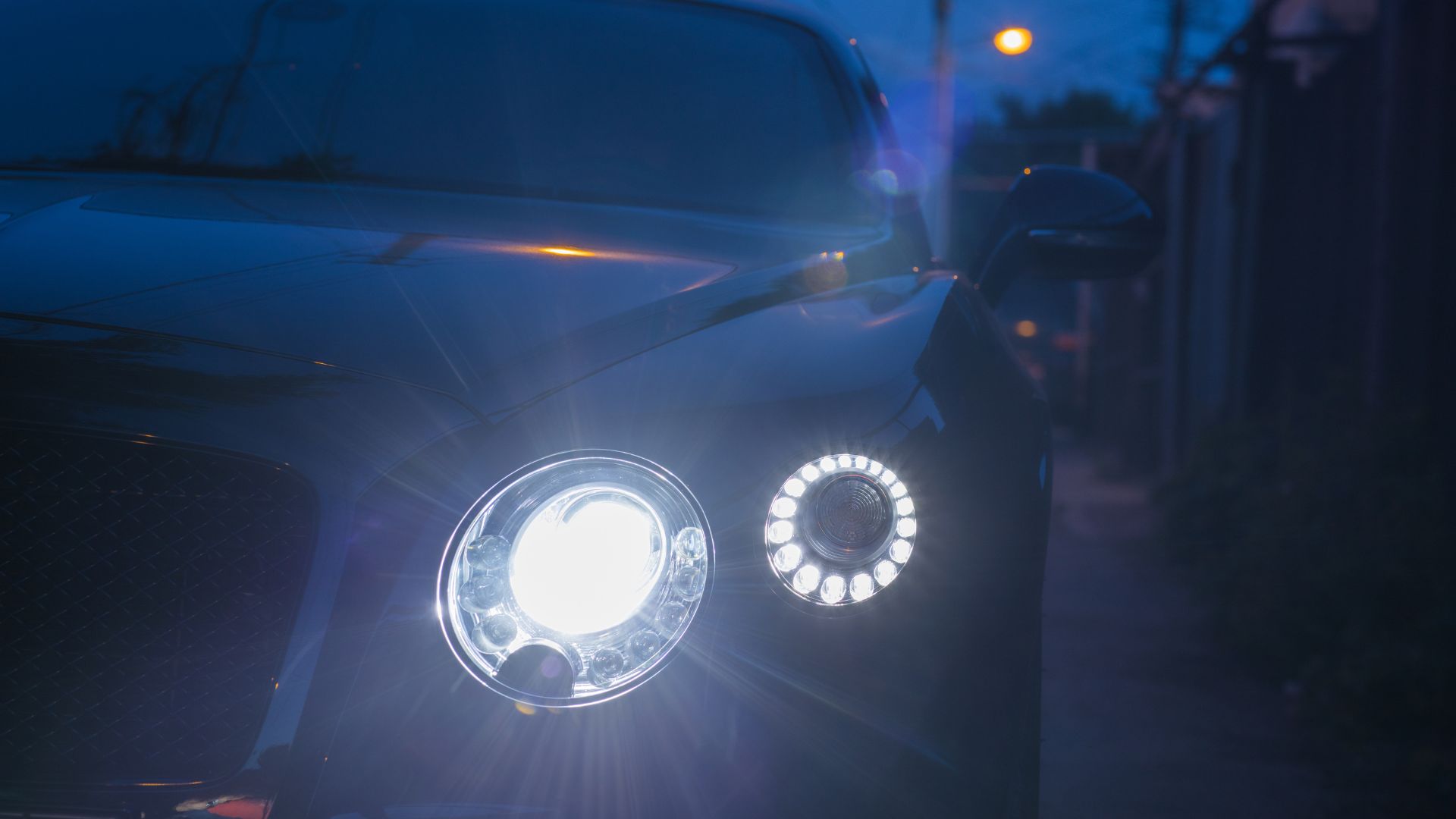
Custom lighting is a fast track to a ticket because underglow and neon kits, colored lights facing forward, flashing or strobing lights that imitate emergency vehicles, and aftermarket HID conversions that throw glare or the wrong color all violate Washington’s lighting equipment rules under Chapter 46.37 RCW. Forward-facing lights generally must be white or amber, and red or blue facing forward is reserved for emergency vehicles.
- Why it is illegal: Non-standard colors confuse other drivers and can imitate police, while misaimed aftermarket lights blind oncoming traffic.
- The penalty: Traffic infraction; imitating emergency lighting can bring more serious consequences.
5. Non-Compliant Suspension and Low Bumpers
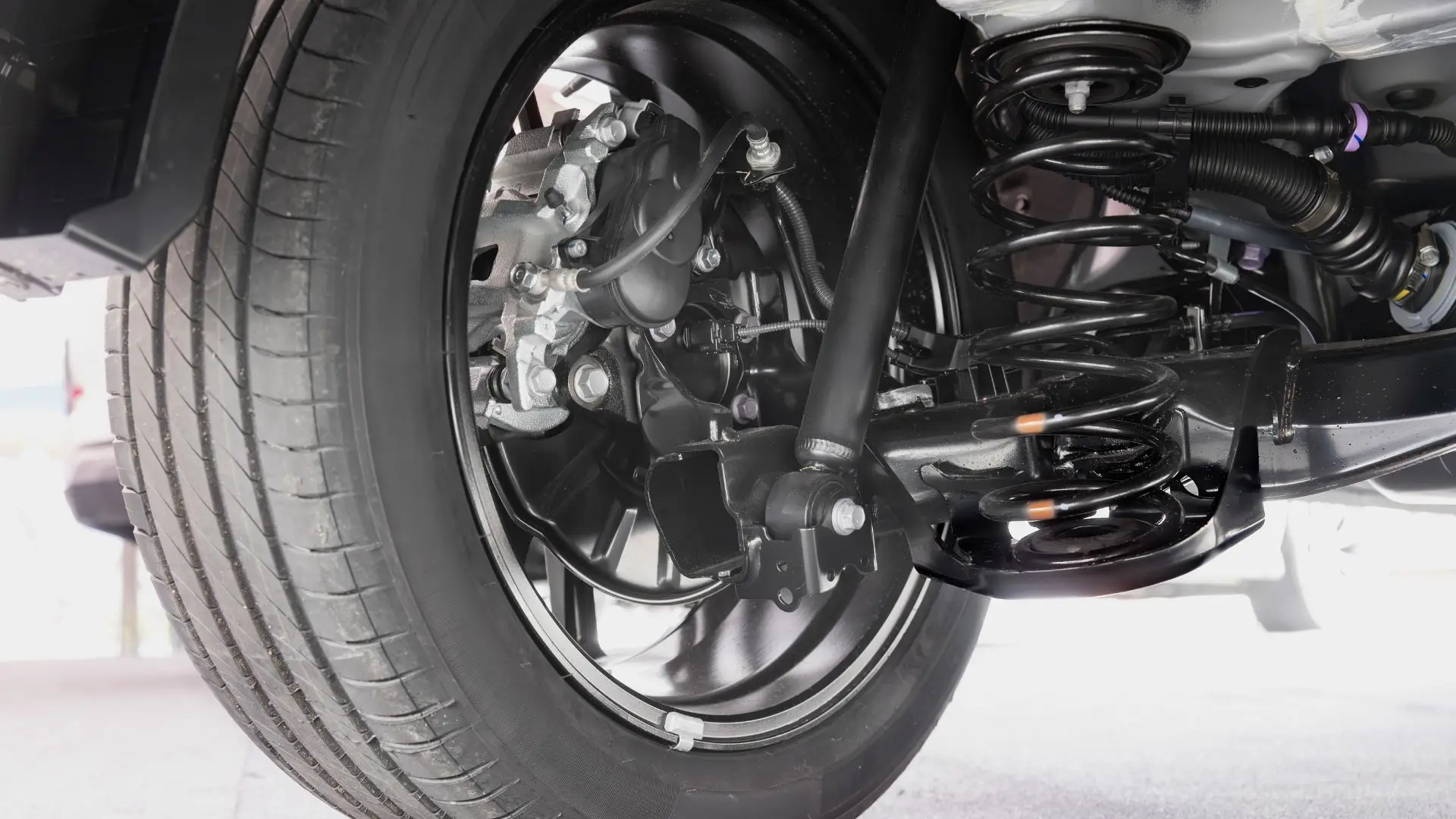
Extreme lifts and suspensions can not only lower cars but can run afoul of Washington’s equipment rules. Under RCW 46.37.513 and the related administrative standard in WAC 204-10-022, bumpers must be at least 4.5 inches in vertical height and meet mounting-height requirements measured from a level surface.
- Why it is illegal: A bumper that sits too high overrides another vehicle’s crash structure in a collision, and extreme suspension changes affect braking, handling, and headlight aim.
- The penalty: Equipment infraction, and a non-compliant vehicle can be ordered back into compliance.
6. Removed or Inadequate Fenders and Mud Flaps
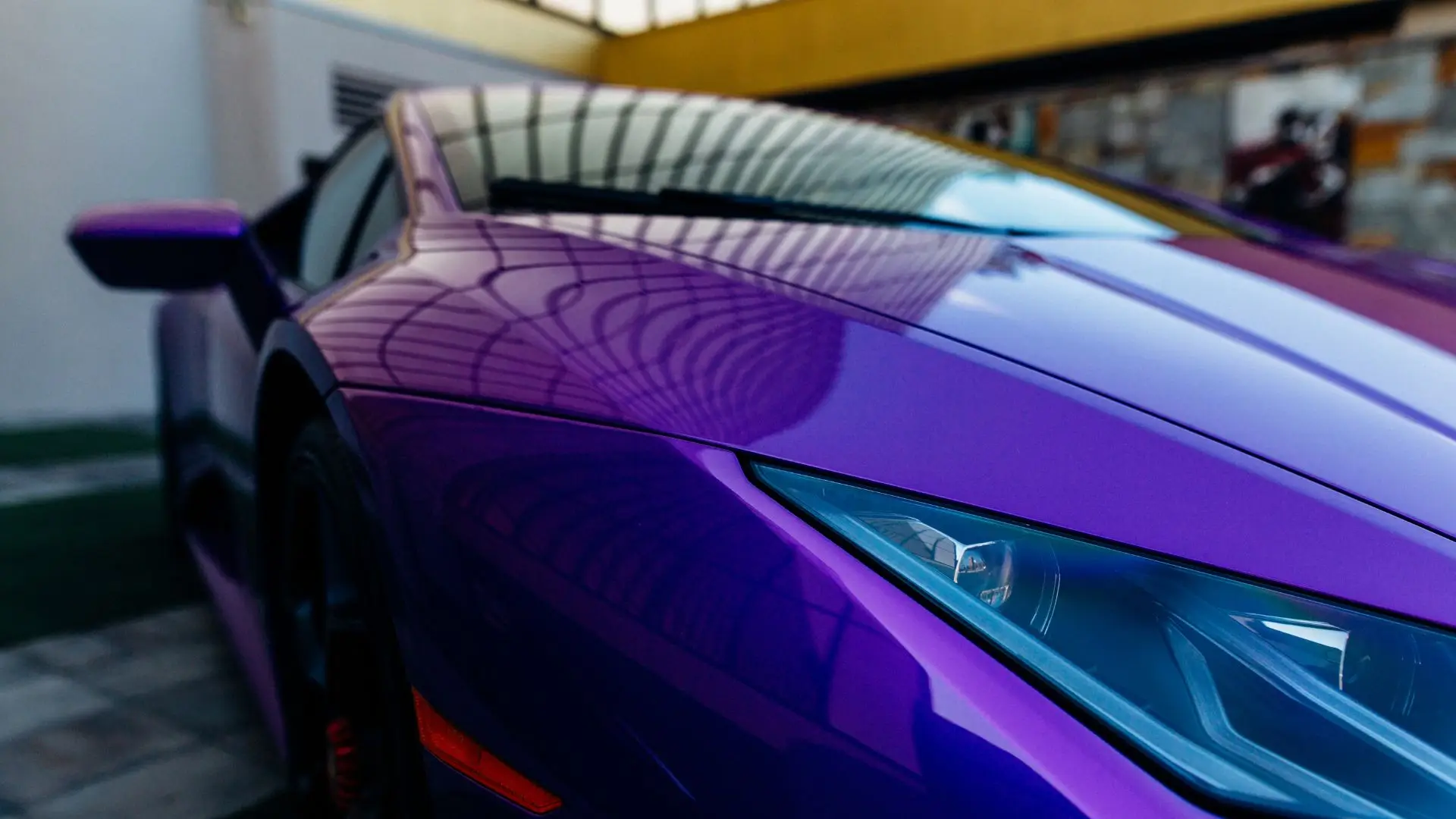
Stripping fenders or mud flaps for looks is illegal. Under RCW 46.37.050, all vehicles must have fenders, covers, flaps, or splash aprons adequate to minimize the spray of water and debris, which matters a great deal in a state as rainy as Washington.
- Why it is illegal: Uncovered wheels throw rocks and spray at the vehicles behind you, cracking windshields and reducing their visibility.
- The penalty: Traffic infraction that will be dependent on the severity of the modification and the issuing officer.
7. License Plate Covers and Obscured Plates
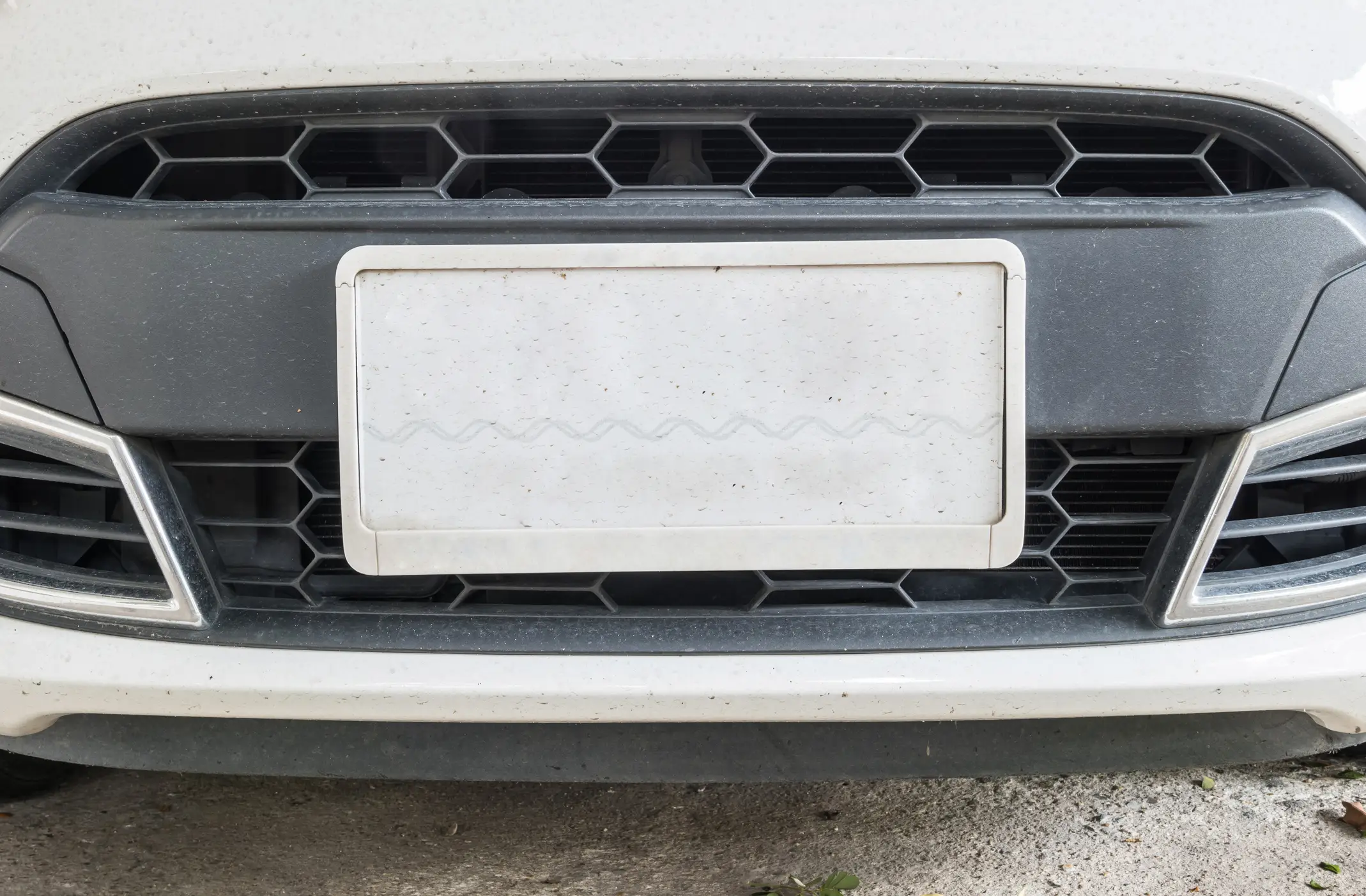
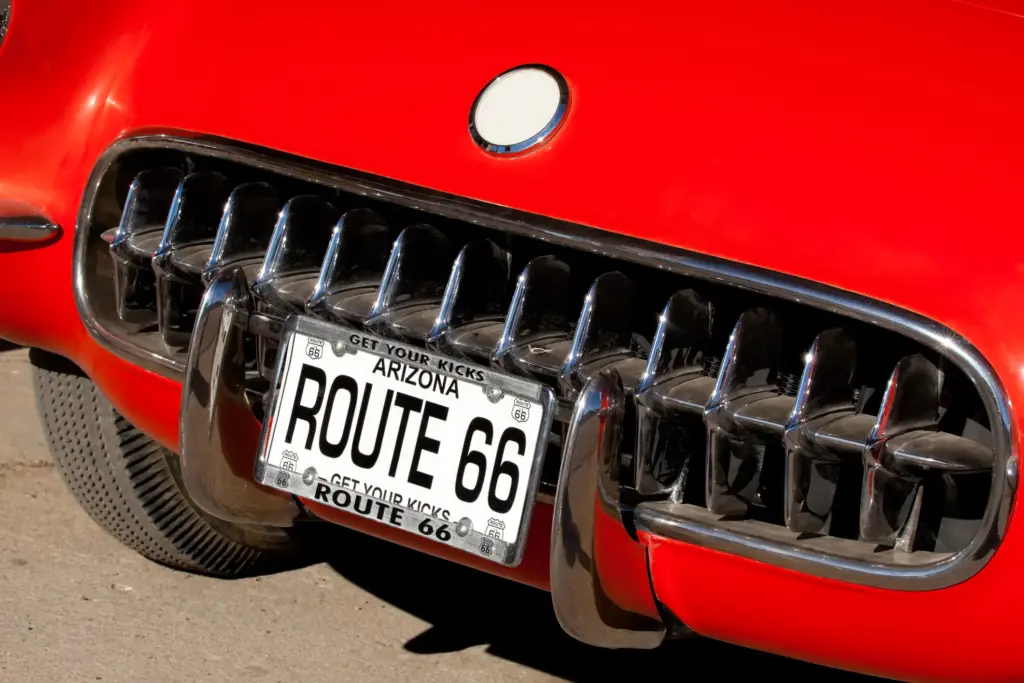
Washington does not allow license plate covers, because it affects the state’s ability to issue moving traffic violations and any other vehicular crime. As such, any attempt to use any holder, frame, or material that changes, alters, or makes the plate illegible is illegal and will be subjected to a series of violations depending on the nature of the situation.
- Why it is illegal: Covers and tinted shields interfere with law enforcement and camera systems, which is usually the entire point.
- The penalty: Traffic infraction that will be dependent on the issuing officer.
8. Emissions Tampering (Still Illegal, Even Without State Testing)
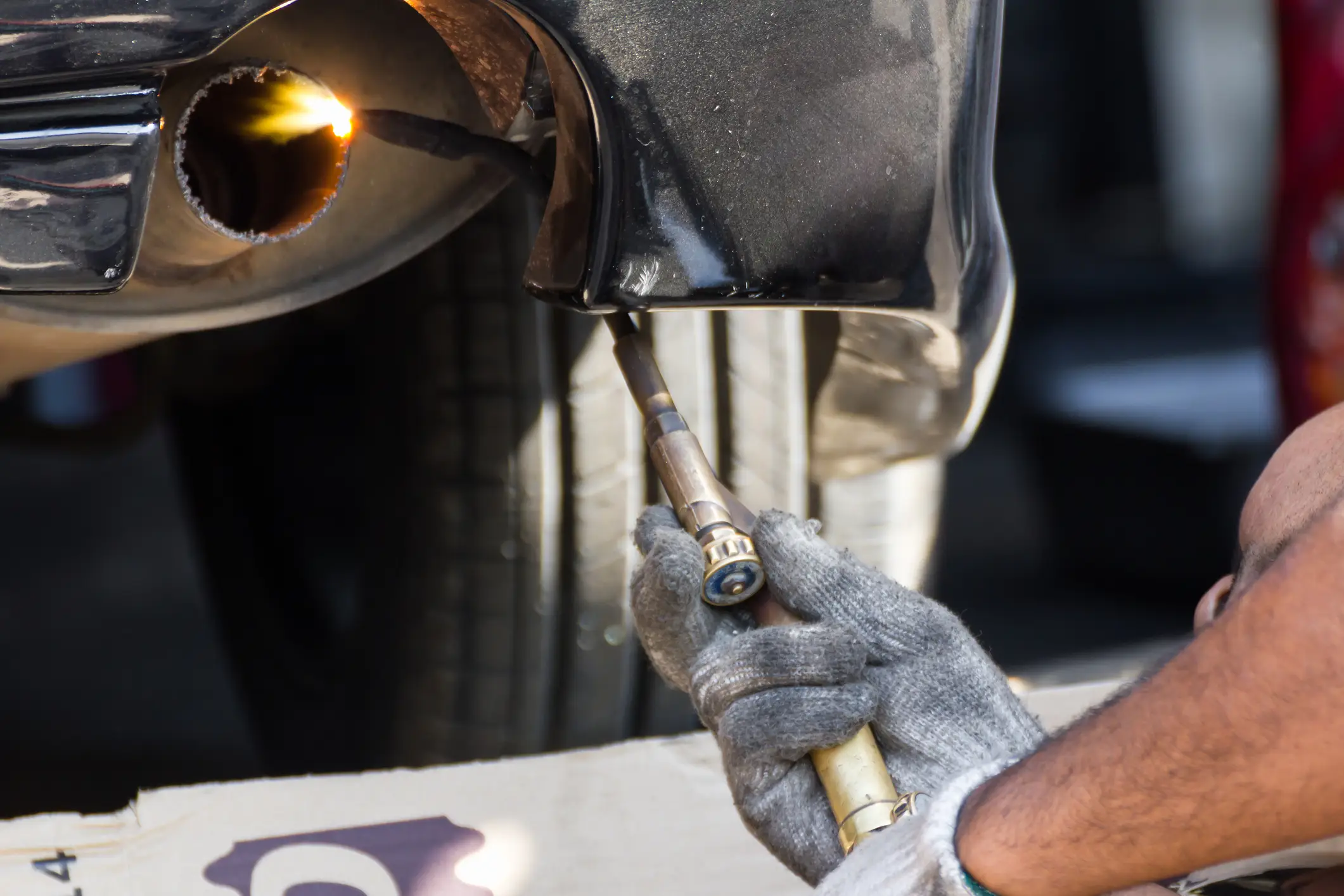
Here is the one that surprises people most. Washington ended its state vehicle emissions testing program on January 1, 2020, so there is no longer a state smog check. But that does not make emissions tampering legal. Removing a catalytic converter, installing a “delete” kit, or otherwise defeating emissions equipment remains illegal under the federal Clean Air Act, which prohibits tampering with emissions control systems on any street vehicle nationwide.
- Why it is illegal: Tampered systems dramatically increase pollution, which is exactly what the federal ban targets, regardless of whether a state runs its own testing.
- The penalty: Federal violations carrying potentially significant fines for both installers and owners.
How an Illegal Mod Can Cut Your Car Crash Recovery
Most drivers assume the worst outcome of an illegal mod is a fix-it ticket, but the bigger financial exposure shows up if you are hurt in a collision in Washington state. The state follows pure comparative negligence under RCW 4.22.005 and under this rule, you can recover damages even if you were mostly at fault, but your recovery is reduced by your percentage of fault.
In the event of a car crash where your car is heavily customized, the at-fault driver’s insurer will scrutinize your car for anything off-spec and will try to argue that it caused the accident in question. For example, insurers will claim things such as illegally dark tint kept you from seeing incoming cars, a lowered suspension that affected your braking, or even how blacked-out lighting that made you harder to see.
Every percentage point of fault they shift onto you successfully directly shrinks your payout. With that in mind, it is vital to hire an experienced car accident attorney who will examine the details and fight for your rights.
Don’t Let Your Build Become the Insurance Company’s Excuse
There is a real difference between a modification that earns a fix-it ticket and one that actually caused a wreck, but the other driver’s insurer will do everything it can to blur that line and pin the blame on your car instead of their client. After a Washington crash, the fight is often less about who hit whom and more about how much fault the insurance company can shift your way.
Our Washington car accident attorneys know how insurers try to turn a driver’s modifications into a discount on their injuries, and we know how to keep the focus on the person who actually caused the crash. If you have been hurt, call (213) 927-3700 for a free consultation. There is no fee unless we win your case.