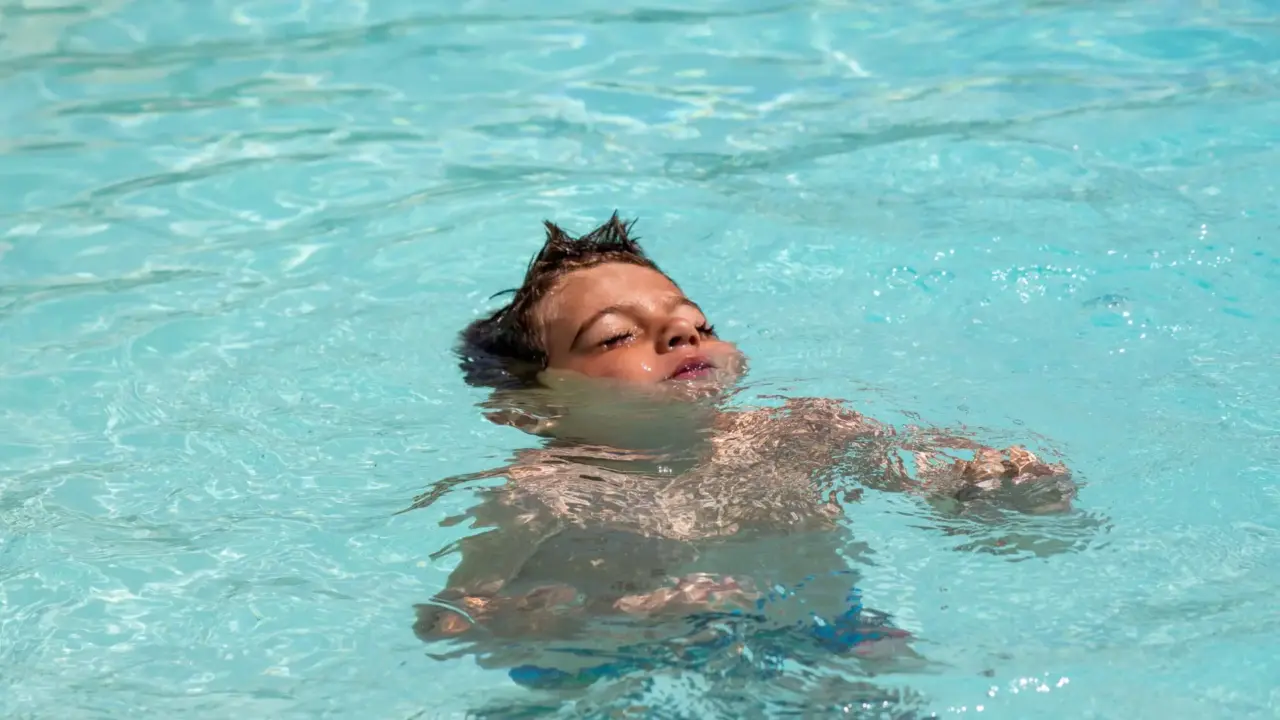
Drowning in a swimming pool is one of the most devastating accidents a family can experience because it can happen quickly and silently, especially for children. In some cases, preventable drowning may raise serious legal questions about negligence, premises liability, and whether a property owner failed to take reasonable safety precautions. Because child drowning accidents are often preventable, parents, caregivers, homeowners, landlords, and pool owners should understand how to reduce the risk of a tragedy.
Why Child Drowning Happens So Quickly

One of the most dangerous misconceptions about drowning is that it looks loud or obvious. In reality, drowning is often silent, because a child may not be able to yell, splash, or call for help because they are struggling to breathe. According to the Centers of Disease Control and Prevention (CDC), drowning is the leading cause of death for children ages 1 to 4, and more children in this age group die from drowning than any other cause of death in the United States.
The CDC also reports that the U.S. sees more than 4,000 unintentional drowning deaths each year and these numbers are why pool safety cannot rely on one single precaution. With that in mind, a locked door, a pool fence, an alarm, swimming lessons, and adult supervision all serve different purposes. If one layer fails, another may still prevent a child from reaching the water or may alert an adult in time to respond.
1. Use Multiple Layers of Protection Around Pools
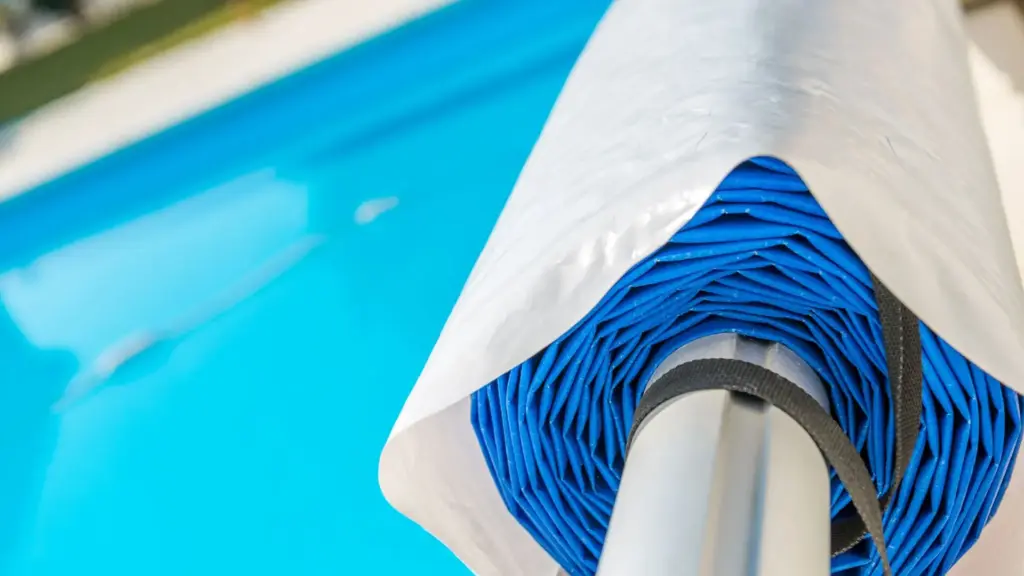
The American Academy of Pediatrics recommends “multiple layers of prevention” for children around water, including four-sided fencing around residential pools, close supervision, and swim lessons once a child is ready. A safer pool area usually includes several protective measures working together, such as:
- A secure pool fence or enclosure
- A self-closing and self-latching gate
- Door and window alarms leading to the pool area
- A pool safety cover
- Water-entry alarms
- Anti-entrapment drain covers
- Clear pool rules
- Constant adult supervision
- CPR-trained adults nearby
2. Install a Secure Pool Fence or Barrier
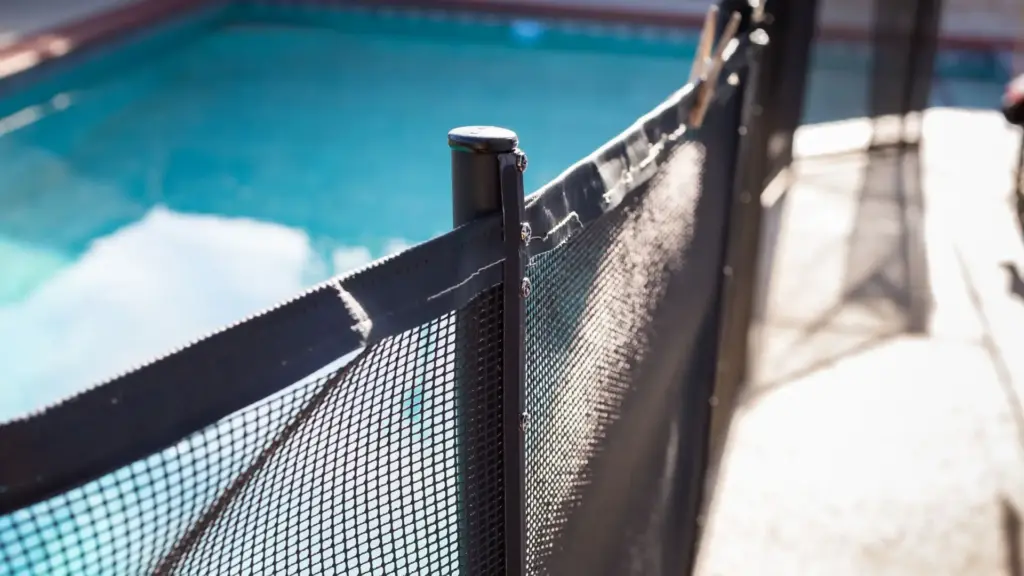
Pool fence and barrier requirements are not the same in every state. In the United States, there is no single nationwide residential pool-fence law that applies to every private backyard pool. Instead, pool barrier rules usually come from state statutes, local building codes, county ordinances, city codes, and adopted model codes.
For example, California Health and Safety Code 115923 and Nevada Administrative Code 444.136 both outline how a secure pool enclosure is defined but their respective requirements are different, which would impact how people perceive safety. From a legal standpoint, a pool owner should not assume that “having a fence” is enough, because a barrier may be too short, climbable, or broken.
If a child drowning occurs, investigators may look at whether the pool complied with applicable safety laws, whether the owner followed local building codes, whether the hazard was foreseeable, and whether reasonable precautions could have prevented the accident.
3. Keep Gates Closed, Locked, and Maintained
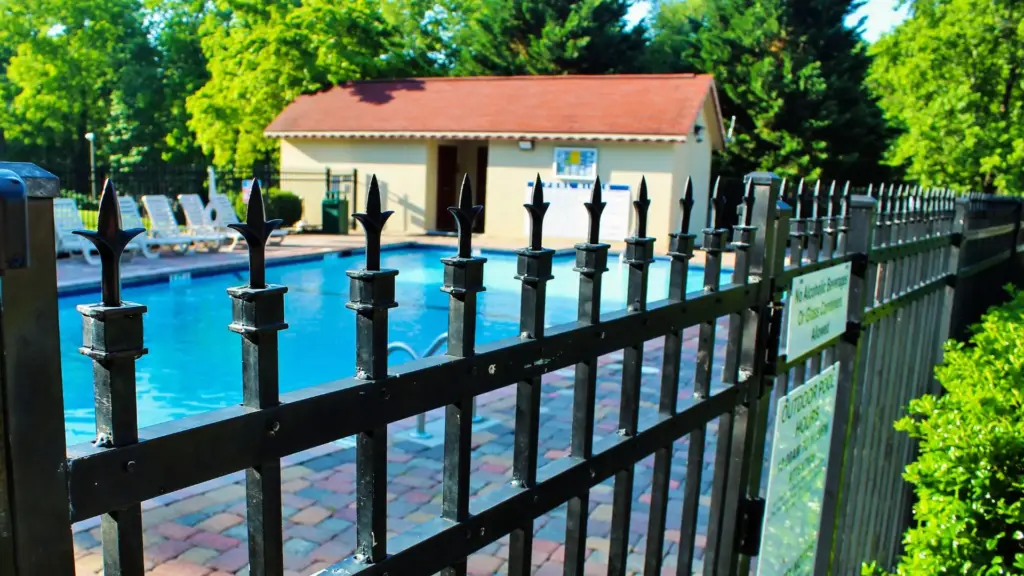
A pool gate only works if it closes and latches every time. Parents and property owners should regularly test the gate to make sure it:
- Closes on its own
- Latches securely
- Cannot be easily opened by a young child
- Does not drag, stick, or remain partially open
- Is not blocked by furniture, toys, landscaping, or pool equipment
A common drowning risk occurs when an adult briefly pops open a gate while carrying supplies, cleaning the pool, hosting guests, or doing yard work. Even a short lapse can give a child enough time to enter the pool area unnoticed.
4. Use Door and Window Alarms
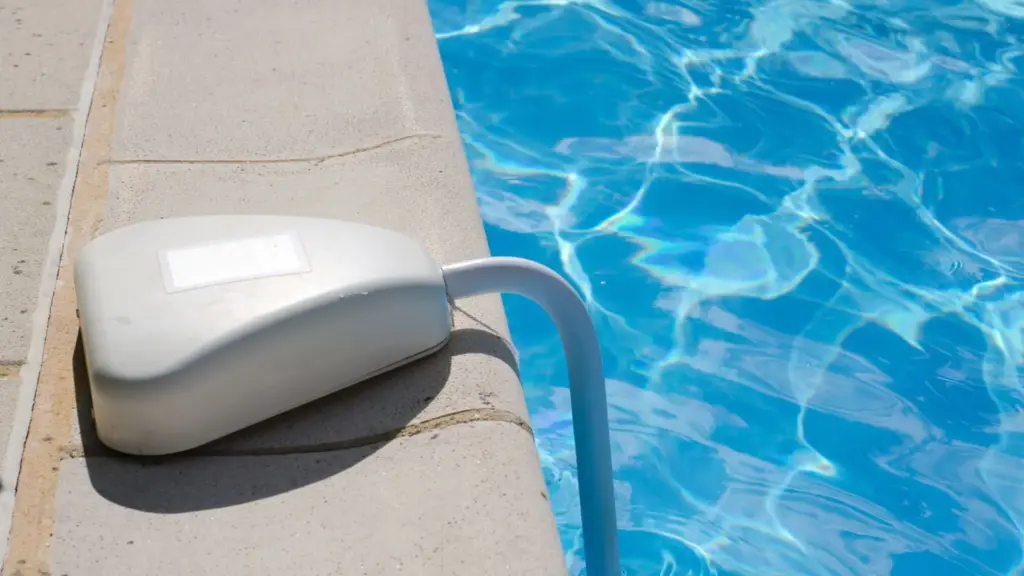
If a home has doors or windows that open toward the pool, alarms can help alert adults when a child exits the house. For instance, California law recognizes exit alarms as one type of drowning prevention safety feature when they are installed on doors and windows that provide direct access to a pool or spa without an intervening enclosure.
Pool owners should make sure these alarms are loud enough to be heard, properly maintained, and never disabled for convenience. If a child frequently visits the property, alarms should be checked before guests arrive.
5. Always Assign a Dedicated Water Watcher
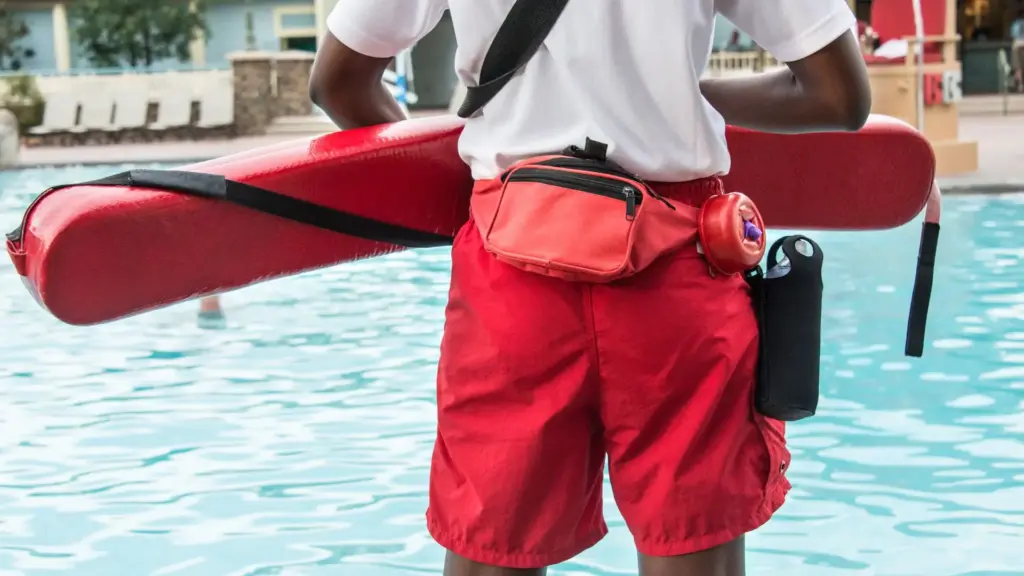
Supervision is one of the most important parts of drowning prevention, but it must be done actively. Watching children in a pool is not the same as sitting nearby while talking, grilling, drinking alcohol, texting, or checking emails. A dedicated “water watcher” should be an adult whose only job is to watch the children in and around the pool.
This person should not be distracted, and needs to be close enough to respond immediately. For young children or inexperienced swimmers, that often means staying within arm’s reach. When multiple adults are present, responsibility can become unclear. One may assume the other is watching. To avoid this, parents and hosts should clearly assign supervision duties and rotate water watchers as needed.
6. Do Not Rely on Swimming Lessons Alone
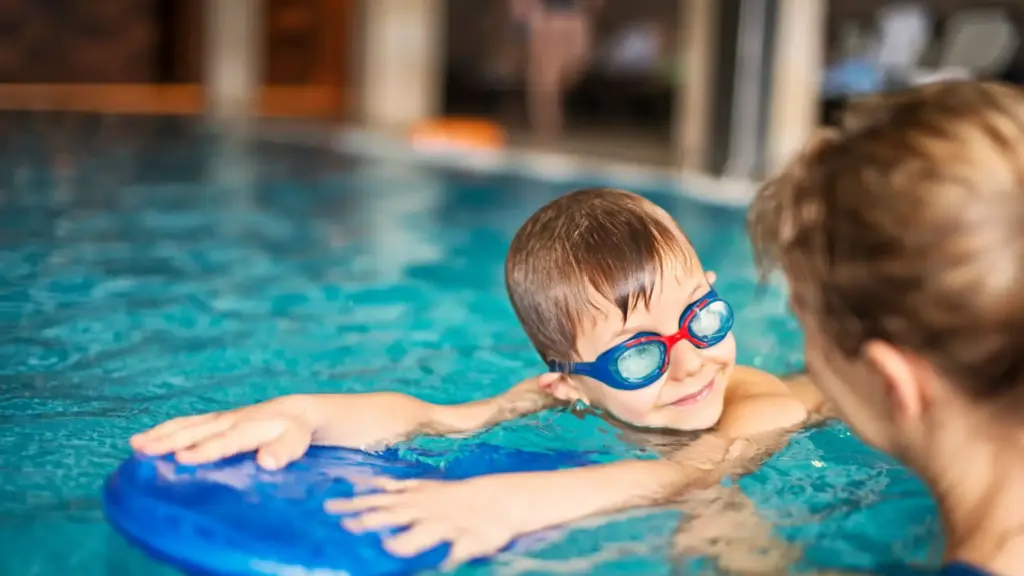
Swimming lessons can reduce the risk of drowning, but they do not eliminate the danger. A child who knows how to swim can still panic, become tired, slip, hit their head, get trapped, or struggle in deep water. The American Academy of Pediatrics recommends swim lessons once children are ready, but it also emphasizes close supervision and other layers of protection.
7. Learn CPR and Emergency Response

When a drowning or near-drowning happens, every second matters. Parents, caregivers, babysitters, lifeguards, and pool owners should learn CPR and basic water rescue procedures. The CPSC recommends learning CPR for both children and adults as part of pool safety. In addition, pool owners should also keep emergency equipment nearby, including:
- A phone to call 911
- A reaching pole
- A life ring or flotation device
- A first aid kit
- Clearly posted pool rules
- The property address posted somewhere visible for guests or babysitters
8. Keep Children Away From Pool Drains and Suction Hazards

Pool drains, pipes, and suction outlets can create entrapment hazards, because a child’s hair, clothing, jewelry, limbs, or body can become trapped by powerful suction. The CPSC warns that children should be kept away from pool drains and that pools and spas should have drain covers that comply with federal safety standards.
Pool owners should never allow anyone to swim in a pool or spa with a missing, broken, loose, or outdated drain cover as well, because it can also lead to various pool draining/suction incidents.
9. Remove Toys and Floating Objects From the Pool Area

Pool toys, floats, balls, and colorful objects can attract children to the water. After swimming, parents and pool owners should remove toys from the pool and surrounding area so children are not tempted to reach for them.
It is also important to keep chairs, tables, planters, storage boxes, or other climbable objects away from the pool fence. Even a properly built fence may become unsafe if a child can use nearby furniture or equipment to climb over it.
10. Be Extra Careful During Parties and Family Gatherings
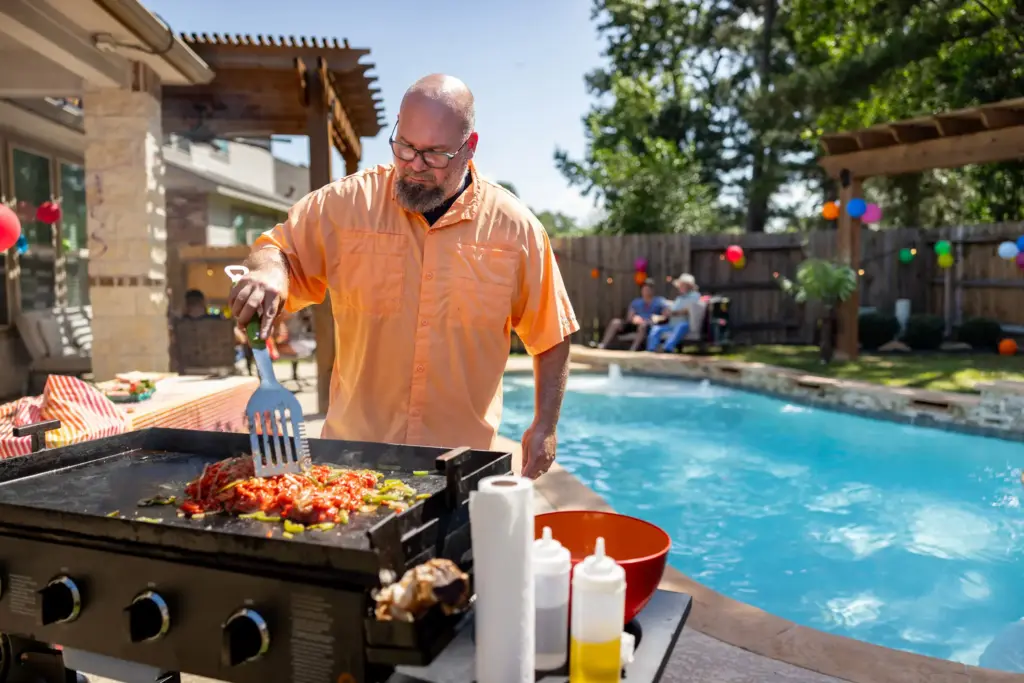
Child drownings often happen during gatherings because adults are distracted and supervision becomes unclear. During parties, barbecues, holidays, birthdays, and family events, pool owners should take extra steps to prevent unsupervised access. Before guests arrive, the host should inspect the pool area, lock gates, test alarms, remove toys, and assign a water watcher if the pool will be open.
Additionally, alcohol can also increase risk because it may reduce attention, slow reaction time, and lead adults to underestimate danger. If children are near a pool, at least one sober and responsible adult should be actively supervising.
When Can a Pool Owner Be Liable for a Child Drowning?

In the United States, premises liability is generally based on whether a property owner, occupier, or person in control of the property failed to use reasonable care. For example, a property owner, like a hotel or Airbnb owner, may face liability if a child enters an unsecured pool area through a broken gate, falls into the water, and drowns.
However, not every situation is the same. In a child drowning case, liability may depend on several additional factors, including whether:
- The pool was properly fenced or enclosed
- Gates were self-closing and self-latching
- Doors or windows leading to the pool had alarms
- The property owner knew children were likely to be nearby
- The pool had broken or missing safety equipment
- The owner failed to warn guests about a known hazard
- Supervision was promised but not provided
- The pool violated applicable safety rules or building codes
- The accident could have been prevented with reasonable precautions
What If the Child Was Not Supposed to Be Near the Pool?
Many child drowning cases happen when no one expects the child to be swimming. That does not automatically prevent a legal claim. Young children may not understand the danger of water, and property owners may still need to take reasonable steps to prevent foreseeable harm.
This is especially important when a pool is located in a place where children live, visit, play, or are likely to enter. If a pool is accessible because of a broken gate, missing barrier, defective latch, or unlocked entrance, the property owner’s failure to secure the area may become a key issue in a premises liability claim.
What to Do After a Pool Drowning or Near-Drowning Incident
After a drowning or near-drowning incident, the first priority is emergency medical care, even if a child appears to be recovering, because medical professionals can evaluate in further detail and diagnose whether the incident caused serious complications.
After the emergency response, families should try to preserve information that may help explain what happened. This may include:
- Taking photos of the pool, gate, fence, alarms, and surrounding area
- Identifying witnesses
- Saving security camera footage, if available
- Keeping medical records
- Reporting the incident to the property owner, landlord, hotel, school, daycare, or rental platform
- Documenting whether any safety device was broken, missing, or disabled
- Avoiding recorded statements to insurance companies before speaking with an attorney
A drowning case can involve complex questions about property ownership, maintenance records, building code compliance, supervision, and insurance coverage. As such, families should not have to investigate these issues alone while grieving or caring for an injured child.
Injured in a Preventable Pool Accident? Contact Our Personal Injury Attorneys Today

Child drowning and near-drowning cases are heartbreaking, and many families are left wondering whether the tragedy could have been prevented. If a pool owner, landlord, hotel, daycare, school, or other responsible party failed to secure a pool or correct a known hazard, they may be held liable for the harm that occurred.
If your child was injured in a pool accident or your family lost a loved one in a preventable drowning, an experienced personal injury attorney from West Coast Trial Lawyers can investigate the accident, review applicable safety laws, and determine whether negligence contributed to the drowning.
Contact our experienced legal team today for a FREE consultation at (213) 927-3700 or through our online contact form.