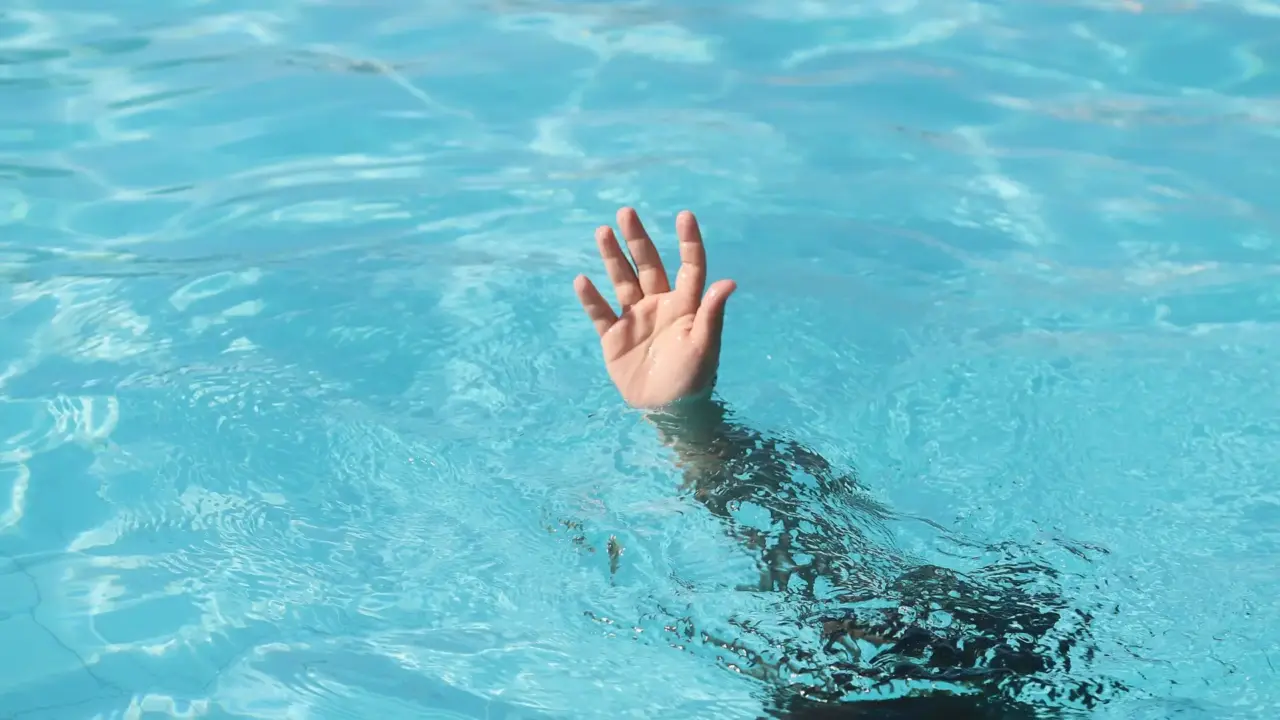
Swimming pools are often seen as places for relaxation, exercise, and family fun. However, when a pool is poorly maintained, inadequately supervised, defectively designed, or left unsecured, it can become a serious safety hazard. Swimming pool injuries can happen anywhere from apartment complexes and Airbnb properties to hotels, gyms, and even water parks.
While some pool accidents are unavoidable, others happen because a property owner, maintenance company, lifeguard, or another party failed to take reasonable safety precautions. When negligence plays a role, the injured person may have the right to file a personal injury lawsuit.
Below are seven common swimming pool injuries that could result in a lawsuit.
1. Drowning and Nonfatal Drowning Injuries
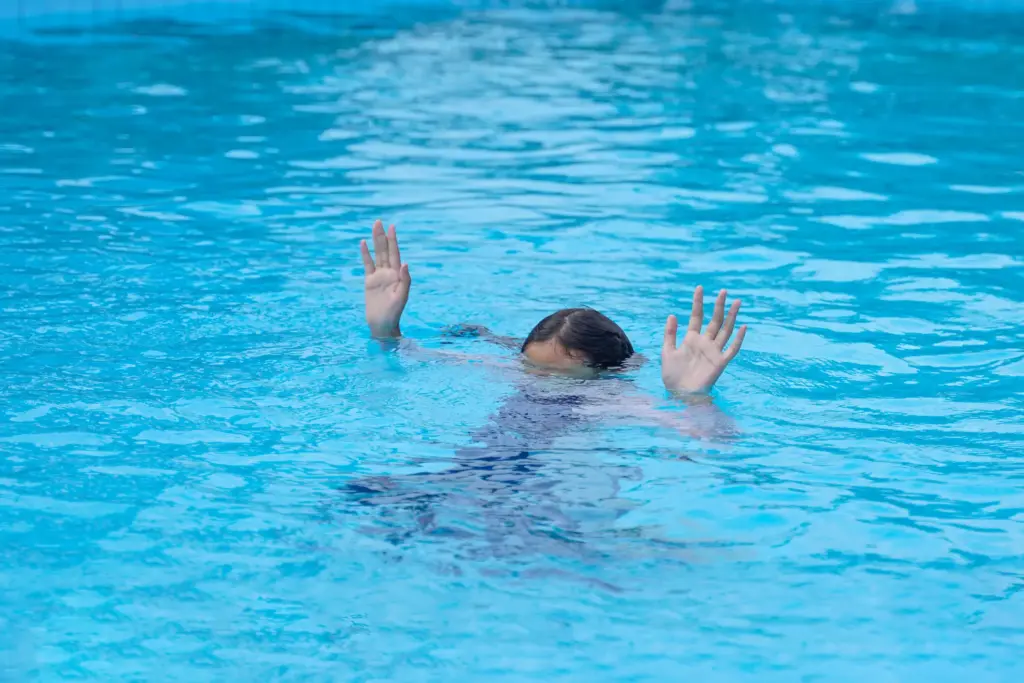
Drowning is one of the most serious swimming pool hazards. It can happen quickly, quietly, and without the dramatic splashing people often expect. According to the Center for Disease Control (CDC), children from the ages of 1 to 4 die from drowning more than any other cause of death, and nonfatal drowning can result in brain damage, permanent disability, and costly hospital stays. These cases are especially serious when children are involved and property owners may be liable if a child gained access to a pool because the area was not properly secured.
2. Slip-and-Fall Injuries Around the Pool Deck

Pool decks are naturally wet, but that does not mean property owners can ignore obvious slipping hazards. A pool area should be designed, maintained, and monitored in a way that reduces the risk of preventable falls, however, slip-and-fall accidents may occur if conditions are not maintained. For example, if an apartment complex ignores repeated complaints about slippery pool decking, and a tenant later suffers a serious fall, that may support a premises liability claim.
3. Diving Injuries, Neck Injuries, and Spinal Cord Damage
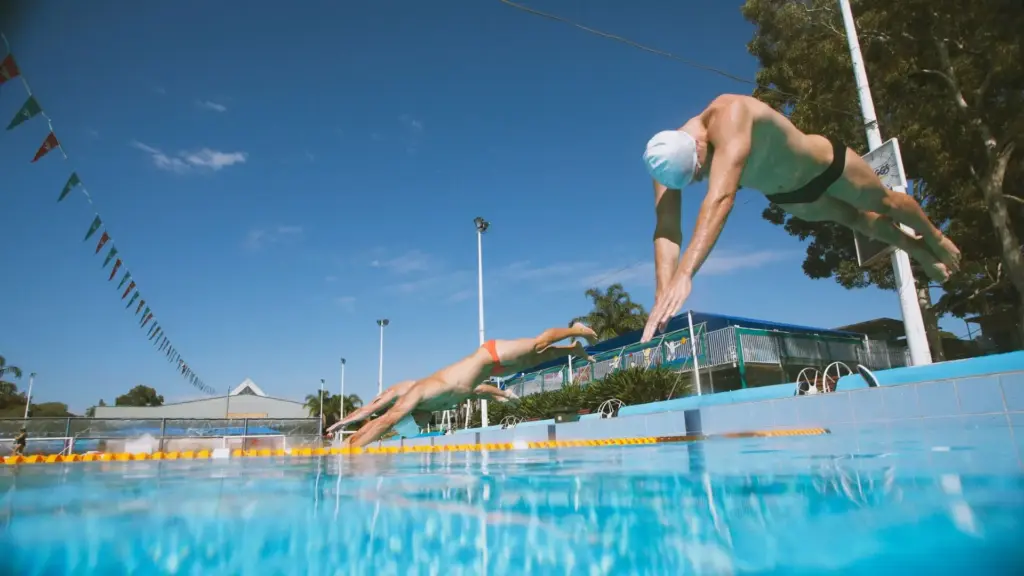
Diving accidents can result in catastrophic injuries, especially when someone dives into shallow water or strikes the bottom of the pool. These injuries may include concussions, facial fractures, cervical spine injuries, paralysis, or traumatic brain injuries. A diving injury may lead to a lawsuit if the pool owner or operator failed to provide clear safety warnings. Examples may include:
- No “No Diving” signs in shallow areas
- Incorrect or missing depth markers
- Poor lighting at night
- Unsafe diving boards
- Lack of supervision
- Failure to restrict dangerous conduct
- Defective pool design
Pool owners and commercial operators have a responsibility to make pool depth and diving risks clear. If a guest reasonably believes an area is safe for diving because there are no warnings, unclear markings, or misleading design features, liability may become an issue.
4. Pool Drain Entrapment Injuries
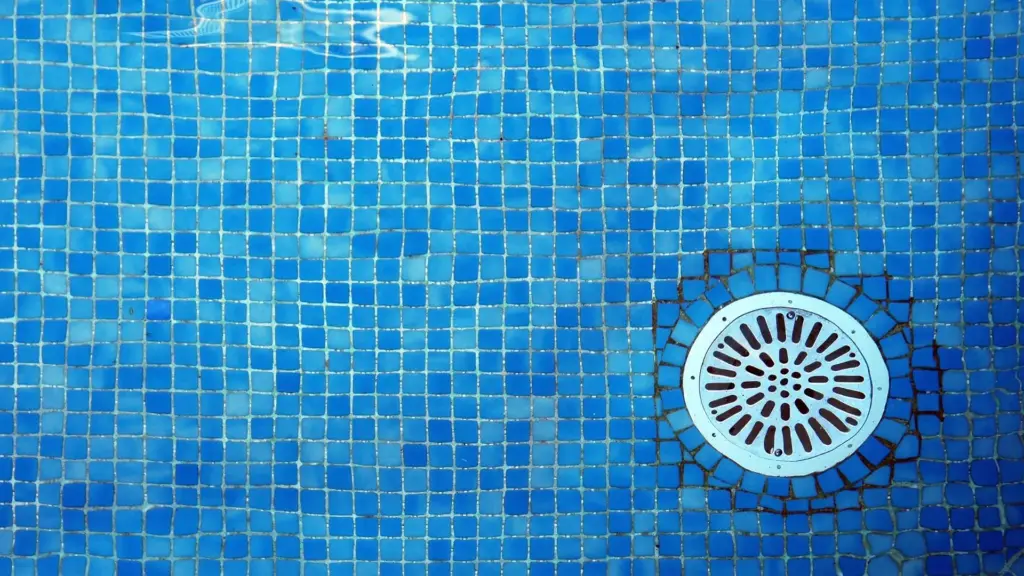
Pool drain entrapment is a lesser-known but extremely dangerous hazard. It can happen when a swimmer’s hair, clothing, jewelry, limb, or body becomes trapped by the suction of a pool or spa drain. In severe cases, a person may be held underwater and suffer drowning, internal injuries, or death.
The Consumer Product Safety Commission has repeatedly warned that noncompliant or defective pool drain covers can create serious entrapment and drowning hazards. As a result, federal safety standards now require compliant drain covers in many pool and spa settings. As such, a pool drain injury may result in a lawsuit if it was caused by:
- Missing drain covers
- Broken drain covers
- Improperly installed drain covers
- Defective pool equipment
- Excessive suction
- Failure to comply with federal pool safety standards
- Poor maintenance or inspection practices
5. Chemical Burns, Respiratory Injuries, and Eye Irritation
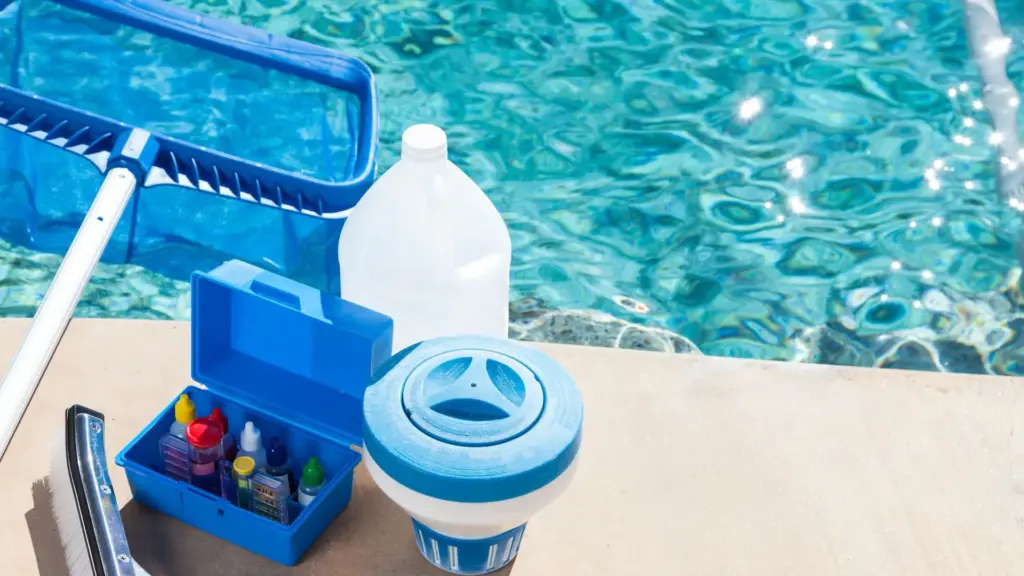
Pool chemicals are necessary to keep swimming water clean, but they can also cause harm when mishandled. The CDC explains that pool chemicals help disinfect water, but they can cause injuries if they are improperly stored, mixed, handled, or maintained. Chemical-related pool injuries may include:
- Skin burns
- Eye injuries
- Respiratory irritation
- Asthma-like symptoms
- Throat irritation
- Nausea or dizziness
- Chemical poisoning
These injuries can happen when pool operators use too much chlorine, fail to monitor pH levels, mix incompatible chemicals, store chemicals improperly, or allow swimmers into the water too soon after treatment. A lawsuit may be possible if a hotel, gym, apartment complex, water park, or public pool failed to safely maintain pool chemistry.
6. Electrical Shock and Electrocution Injuries
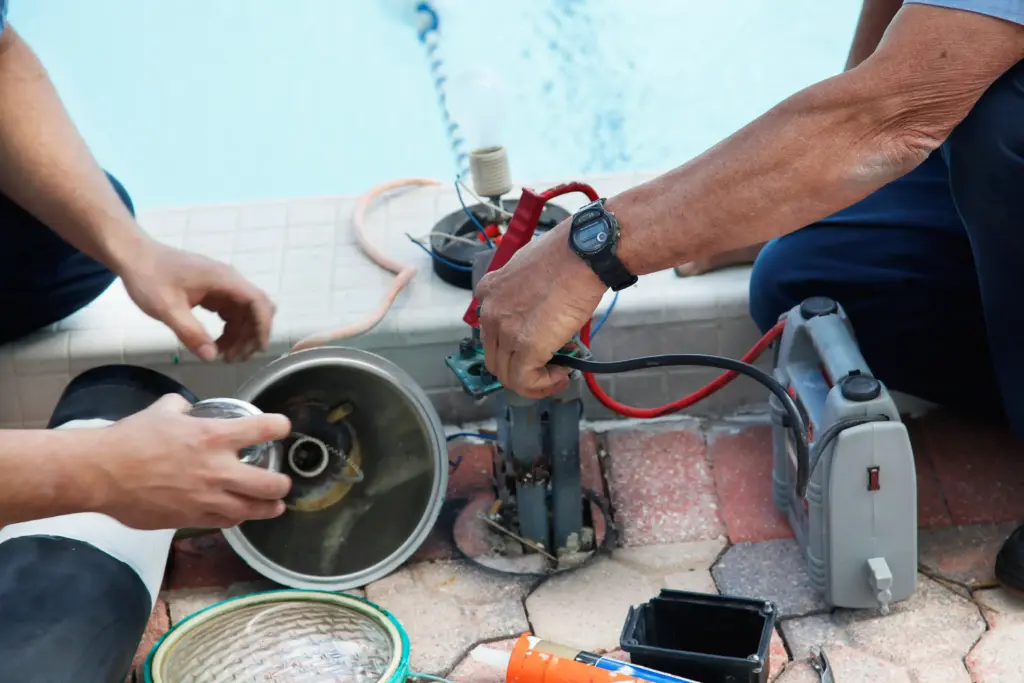
Electrical shock injuries can occur when pool lights, pumps, filters, vacuums, extension cords, outlets, wiring, or nearby electrical equipment are defective, poorly installed, or improperly maintained. The CPSC warns that wet skin and slippery surfaces, such as grass or a pool deck, can greatly increase the chance of electrocution especially when electricity is present.
As such a lawsuit may be filed against a property owner, electrician, maintenance company, product manufacturer, or pool operator if the electrical hazard was preventable. For example, if a hotel ignored complaints about pool lights flickering or swimmers feeling tingling sensations in the water, that could be strong evidence of negligence.
7. Recreational Water Illnesses and Infections
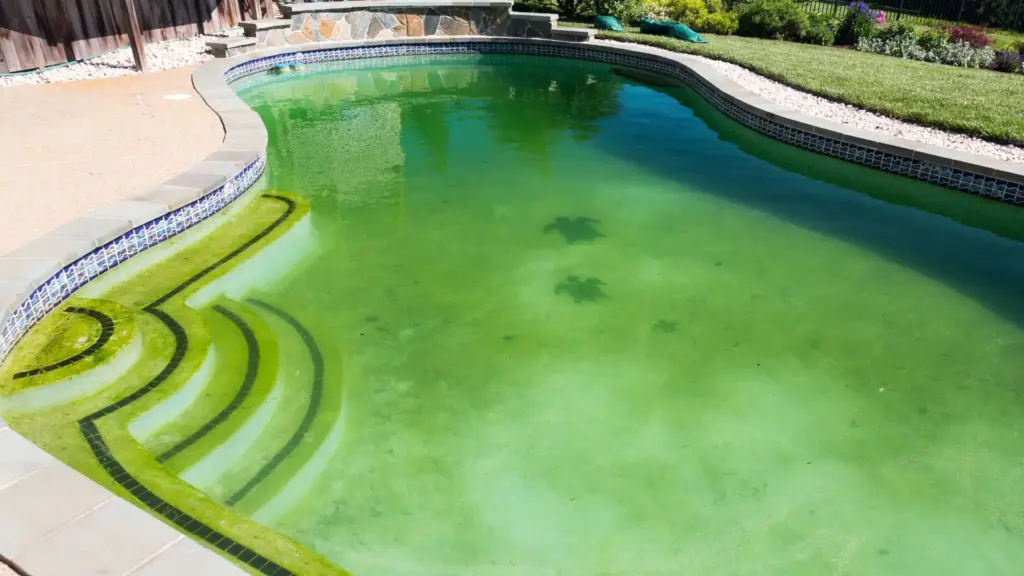
Not every pool-related injury is caused by a fall or impact. Some swimmers become seriously ill because a pool was not properly disinfected or cleaned. Some of the most common swimming-related illnesses are conditions such as diarrhea, skin rashes, swimmer’s ear, pneumonia or flu-like illness, and irritation of the eyes or respiratory tract.
A recreational water illness may happen when pool operators fail to maintain safe chlorine or bromine levels, ignore contamination events, fail to close the pool after a reported hazard, or do not properly clean and inspect the water. These cases may involve:
- Bacterial infections
- Skin infections
- Ear infections
- Gastrointestinal illness
- Respiratory illness
- Eye irritation
- Worsening of preexisting health conditions
Who Can Be Liable for a Swimming Pool Injury?
Liability depends on where the accident happened and what caused it. In many cases, more than one party may be responsible. Potential liable parties may include:
- Homeowners
- Landlords
- Apartment complexes
- Hotels and resorts
- Gyms and fitness centers
- Schools
- Daycare facilities
- Water parks
- Homeowners’ associations
- Pool maintenance companies
- Lifeguard companies
- Pool equipment manufacturers
- Short-term rental hosts or property managers
As swimming pool lawsuits often fall under premises liability, negligent supervision, product liability, and even wrongful death law, an experienced personal injury lawyer can examine all of the evidence and present a strong case for you to recover justice and compensation.
Injured in a Swimming Pool Accident? Contact a Personal Injury Attorney Today

Swimming pool injuries can have devastating consequences, especially when they involve children, drowning, spinal cord trauma, chemical exposure, or electrical shock. If the accident happened because a property owner, business, or pool operator failed to act responsibly, you may have the right to pursue compensation.
A personal injury attorney from West Coast Trial Lawyers can investigate the accident, identify the liable parties, and help you understand your legal options. With over 25 years of experience representing clients from all walks of life, our legal team understands what is at stake and they are confident that they can give you the legal representation you need.
Contact our skilled legal team today to book a FREE consultation by calling (213) 927-3700 or completing our online contact form.