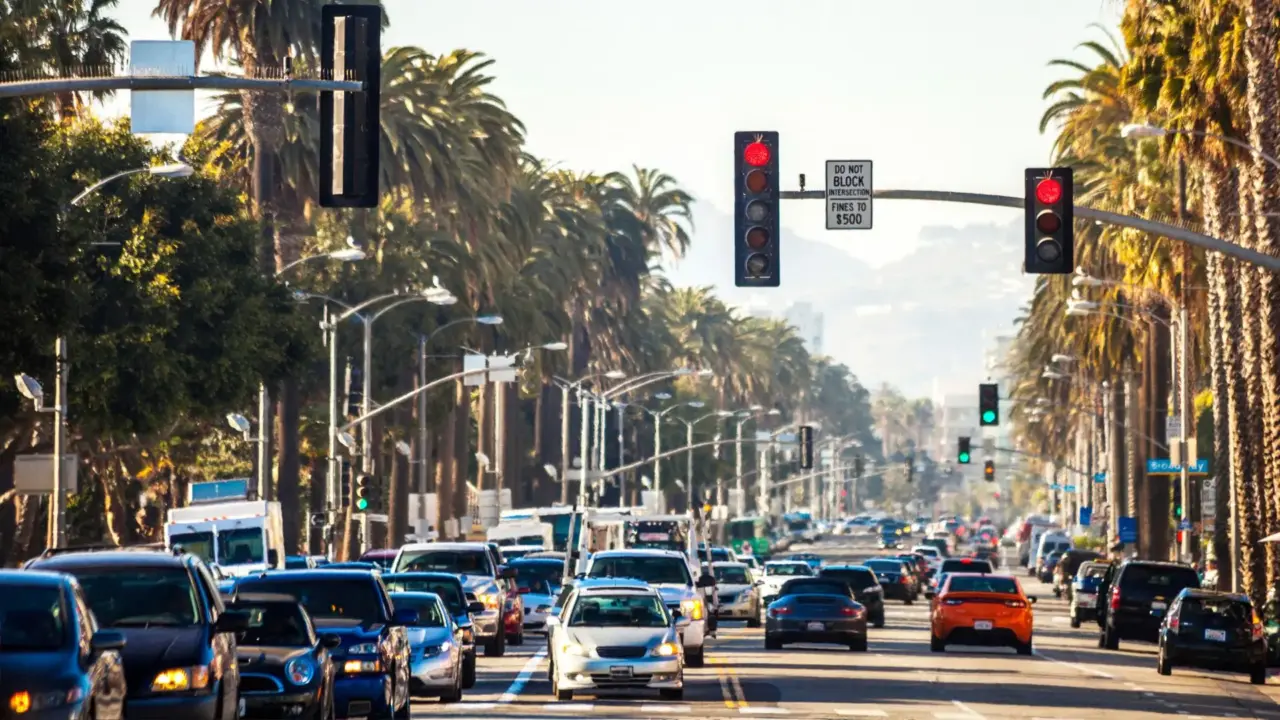
Every year, California updates its traffic laws. But the new driving laws in California 2026 include some of the most significant changes we’ve seen in years. Updates that affect how officers enforce rules, how insurers handle claims, and how fault is established after a crash.
Some changes are now in effect. Others bring future safety improvements. Together they shift how you should think about compliance, risk, and responsibility on the road.
In this guide, we break down the changes and explain why these updates matter if you are injured in a crash.
1. License Plate Obstruction Gets Tougher (AB 1085)
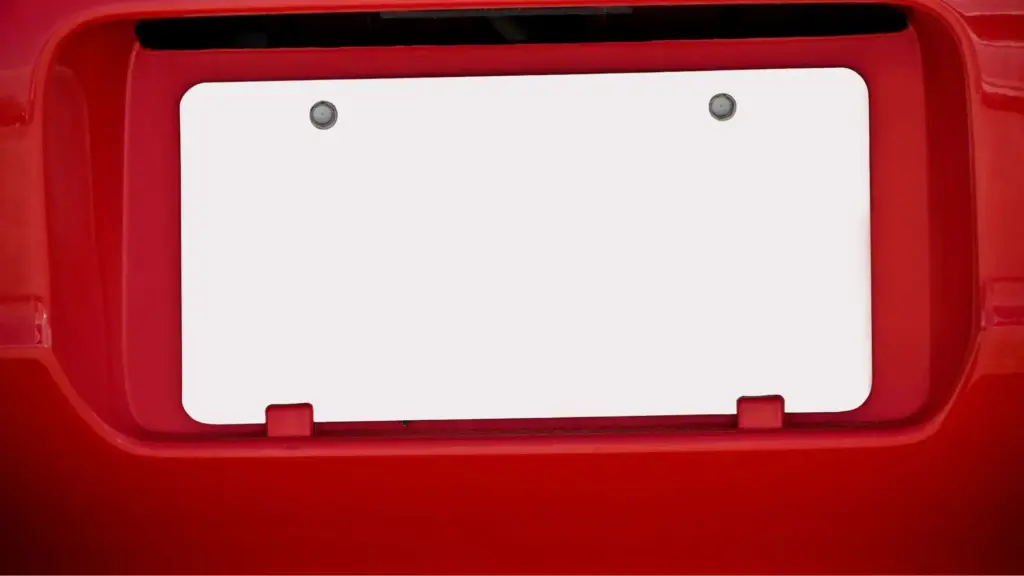
California passed Assembly Bill 1085, which makes it an infraction to manufacture, sell, or use products that obscure or interfere with the visual or electronic reading of a license plate. This goes beyond old “fix-it” citations. The law targets products like certain wraps or covers designed to defeat plate readers and toll cameras.
In a car accident case involving a hit and run accident or incomplete registration information, an obscured plate can complicate both the investigation and your claim. If you have questions about plate visibility, start with whether it is illegal to not have a front license plate in California and what is acceptable under California law for a license plate wrap.
2. “Slow Down and Move Over” Applies to More Vehicles (AB 390)
Under Assembly Bill 390, California expanded its “move over” requirement beyond emergency vehicles to include any stopped vehicle displaying hazard lights or other official warning devices. This is more than a courtesy rule. If a driver fails to move over and causes a collision, that violation may be used as evidence of negligence in your claim.
If you want a clear explanation of when this rule applies, read more about California’s move over law. When crashes happen near stopped vehicles, insurers often argue about shared blame. California follows a comparative negligence rule, so it matters what part each driver played.
3. School Zone Speed Limits Can Drop to 20 MPH (AB 382)
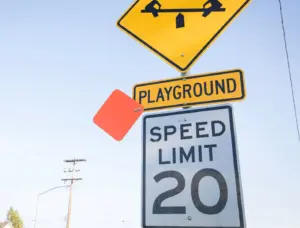
Assembly Bill 382 allows local authorities to lower school zone speed limits from 25 mph to 20 mph, phased in beginning January 1, 2031.
Although the change is future-dated, it reflects California’s growing focus on pedestrian safety near schools. Crashes involving children or pedestrians often raise complex liability questions, and right-of-way issues are central. For more on this topic, see our discussion of California right-of-way laws and your legal rights as a pedestrian in California.
4. Automated Red-Light Enforcement Gets Expanded Authority (SB 720)
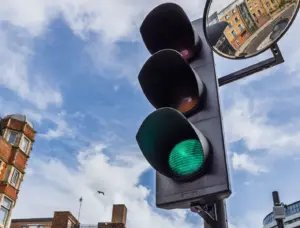
With Senate Bill 720, local governments may institute alternative automated traffic enforcement programs for red-light violations under a civil penalty framework.
Intersection crashes are among the highest-severity collision types. In some areas, particularly urban ones like Los Angeles, certain intersections are much more dangerous than others. Our piece on the most dangerous Los Angeles intersections highlights why this matters to drivers and pedestrians alike.
After a red-light collision, the police report is often key evidence. If you are dealing with a settlement, our guide on the role of police reports in car accidents in California explains how investigators document fault.
5. DUI Monitoring Extended (AB 366) and Tougher Penalties (AB 1087)
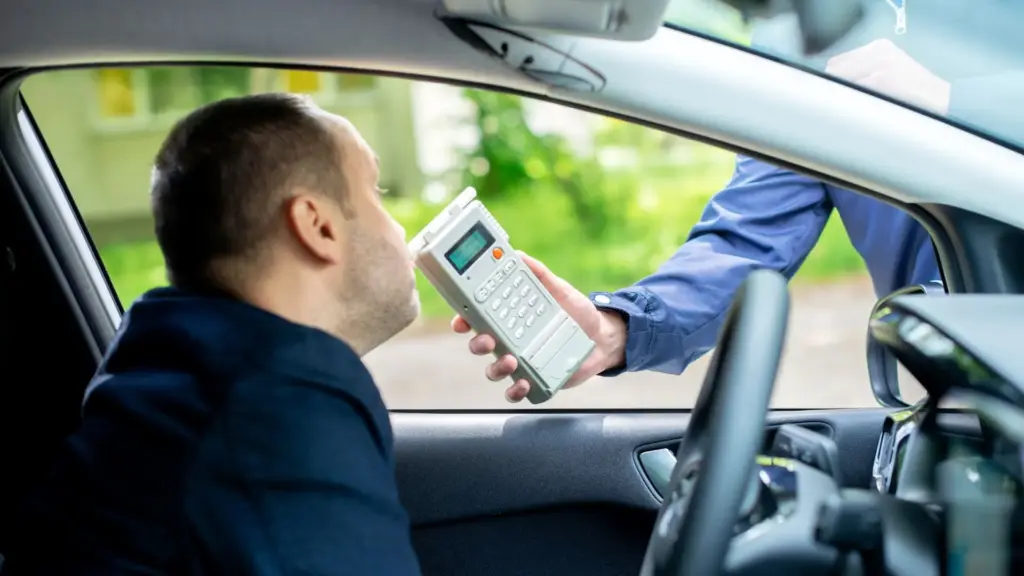
Assembly Bill 366 expands California’s ignition interlock requirement, mandating the devices for more DUI offenders through January 1, 2033. Under Assembly Bill 1087, probation terms for vehicular manslaughter with intoxication have increased. For drivers facing DUI consequences, understanding how to get your license back after a DUI can be critical.
For those injured by impaired drivers, remember that a criminal conviction is not a substitute for a civil claim. The recovery of damages like medical expenses, lost wages, and pain and suffering still requires a separate injury case. We explore these damages in our discussions of pain and suffering and economic damages.
6. Autonomous Vehicles May Use Marker Lamps (SB 480)
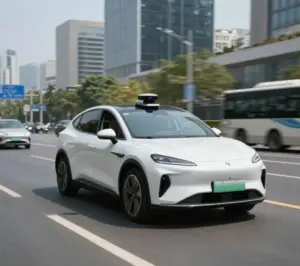
Under Senate Bill 480, autonomous vehicles can be equipped with Automated Driving System (ADS) marker lamps that alert others when a vehicle’s self-driving features are active. Technology does not remove driver responsibility, but it often adds complexity to determining fault after an accident involving an automated system.
If you are dealing with an AV crash, you may need to preserve digital and video evidence early. Our page on how to get surveillance video for your case explains why and how this matters. For a broader look at the implications of automation on safety and liability, see our article on the pros and cons of self-driving cars.
7. Off-Highway Electric Motorcycles Are Officially OHVs (Multiple Bills)

Several 2026 changes clarify that electric off-highway motorcycles (eMotos) must meet identification and operation rules for off-highway vehicles.
This update matters if you or someone involved in your case was riding one of these vehicles at the time of a crash. For related questions about vehicle legality and modifications, our articles on whether mini bikes are street legal in California and what constitutes illegal car mods are helpful.
8. California Combating Auto Retail Scams Act (SB 766)
Senate Bill 766, also known as the California Combating Auto Retail Scams Act (CARS Act), does not directly regulate driving behavior but it provides new protections for consumers buying or leasing vehicles. This law increases transparency, bans certain misleading practices, and creates a three-day cancellation right for some transactions under $50,000.
The CARS Act discussion naturally ties into California’s vehicle defect protections. If a dealer misrepresented a vehicle and that misrepresentation contributed to repeated repairs or crashes, knowing your rights under the California Lemon Law can be important. We also explain how to file a lemon law claim in California and how long these cases typically take in our article on how long a lemon law case takes in California.
9. Parking Penalty Relief and Duplicate License Rules
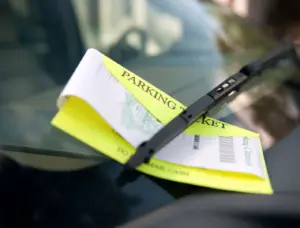
Several smaller legislative changes allow local governments to reduce or waive certain parking penalties for drivers who cannot pay and to set up payment plans. This is designed to prevent enforcement actions like immobilization or towing. If you’ve ever wondered how vehicle immobilizers work, see our explanation of a car boot.
In addition, drivers can now request a duplicate California driver’s license after changing their address, making it easier to keep identification current during claim processing and repairs. For post-accident repair guidance, see our discussion of how to get your car fixed after a car accident.
How These New Driving Laws Matter in an Injury Claim
Traffic violations show up in many injury cases. Whether it is a distracted driver who ignored a move-over requirement, a DUI that caused significant harm, or an intersection collision caught on automated enforcement, these statutory changes influence how fault is established and how much you recover.
Insurance companies are skilled at minimizing payouts. If you suspect your claim is being undervalued, it helps to understand how insurance companies devalue car accident claims and how to communicate with adjusters, which we explore in our guide to dealing with insurance adjusters after a car accident.
When a violation clearly contributed to your injury, evidence of that violation can strengthen your claim. If you are unsure whether you need legal help, our article on why you may need a lawyer after a car accident in California outlines when an attorney can make a difference.
West Coast Trial Lawyers Knows the Law

California’s 2026 traffic law changes reflect a broader focus on roadway safety, clearer enforcement standards, and greater consumer protection. Staying informed is not just about avoiding tickets, it can affect how you protect your rights after an injury.
If someone else’s traffic law violation contributed to your crash, full compensation for medical bills, lost income, and pain and suffering should be your goal.
Call (213) 927-3700 or fill out our online contact form to talk with an experienced accident lawyer.