Washington State kicked off 2026 with a wave of new traffic laws that affect everyone from daily commuters to antique car collectors. Whether you’re behind the wheel of a modern sedan, a classic muscle car, or even a horse-drawn carriage, these changes impact how you drive, how you register your vehicle, and the consequences you face if you’re caught driving impaired.
Here’s a comprehensive breakdown of every new Washington state traffic law for 2026, the bills that introduced them, and what they mean for you going forward.
ESHB 1493: Major Overhaul of Washington’s Impaired Driving Laws
Engrossed Substitute House Bill 1493 (ESHB 1493) represents the most significant change to Washington’s DUI laws in years. Passed by the legislature in 2024, this omnibus legislation took effect on January 1, 2026, and fundamentally reshapes how the state handles impaired driving cases.
1. Felony DUI Lookback Period Extended from 10 to 15 Years
Under previous law, a DUI became a felony only if you had three or more prior impaired driving offenses within 10 years. ESHB 1493 extends that lookback period to 15 years. What this means for drivers is the following:
- Prior DUI convictions from 10 to 15 years ago now count toward felony charges
- A fourth DUI within 15 years is now a Class B felony instead of a gross misdemeanor
- Felony convictions carry significantly harsher penalties, including longer jail time and higher fines
If you have prior DUI-related offenses from between 10 and 15 years ago and are facing new charges, you’re now at risk of felony prosecution under the new 15-year lookback rule (RCW 46.61.5055).
2. Second Deferred Prosecution Now Available

In a major shift toward treatment over punishment, ESHB 1493 allows certain defendants to petition for a second deferred prosecution in their lifetime. This is a significant departure from the previous “once in a lifetime” rule. Eligibility requirements include:
- You used your first deferred prosecution for your first DUI or physical control offense
- You have no other “prior offenses” as defined in RCW 46.61.5055
- Your first deferred prosecution must be revoked before entering a second one
- Offenses committed within seven days of each other may be consolidated into a single deferred prosecution
Important note: If you didn’t participate in deferred prosecution for your first DUI offense, you remain eligible for only one deferred prosecution in your lifetime.
3. Oral Fluid (Saliva) Roadside Testing Authorized
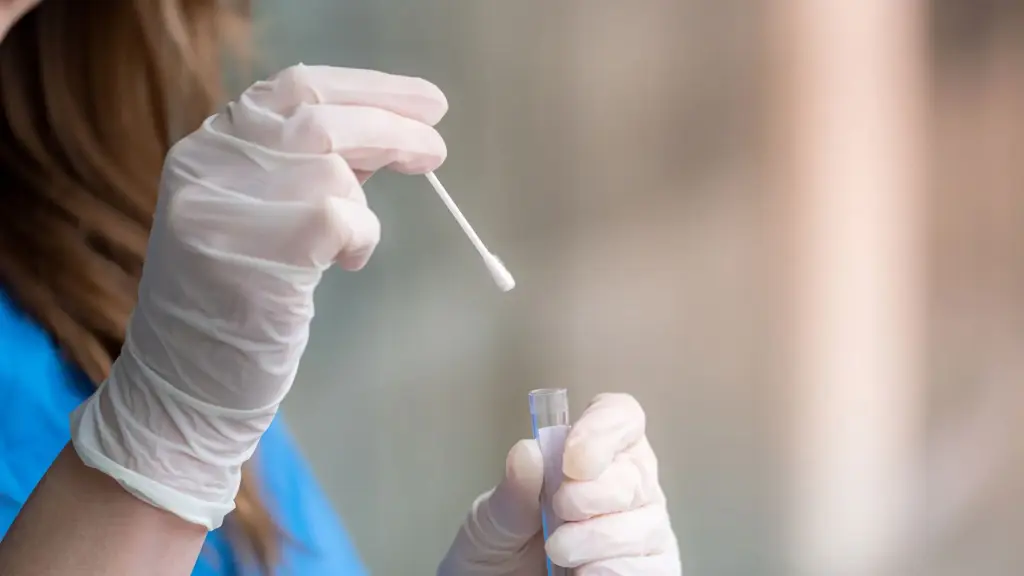
Under new RCW 46.61.5062, law enforcement agencies can now use oral fluid testing devices during DUI stops. These portable devices test for the presence of specific drugs in a driver’s saliva. Critical protections for drivers:
- The test is completely voluntary, meaning you can refuse without penalty
- Results cannot be used against you in court
- The test does NOT satisfy implied consent requirements
- Taking the oral fluid test is NOT an alternative to breath or blood testing
- Officers must inform you of all these rights before administering the test
Privacy safeguards includes:
- Biological samples must be destroyed within 24 hours
- DNA samples and results cannot be entered into any database
- Law enforcement agencies face strict liability for violations
4. New Sentencing Alternative for Felony DUI (DOSA-DUI)
Washington now applies a version of the Drug Offender Sentencing Alternative (DOSA) in felony DUI cases. If you qualify, the court may sentence you to a treatment-focused program instead of a lengthy prison term. Eligibility requirements:
- No prior conviction for vehicular homicide, vehicular assault, or felony DUI/physical control
- Your current offense must involve alcohol and/or drugs
- The midpoint of your standard sentencing range must be 26 months or less
A DOSA-DUI sentence may include a reduced prison term, up to six months in residential treatment for substance use disorder, 12 months of partial confinement (work release and/or home detention), and 12 months of community custody.
5. Ignition Interlock Device Changes
ESHB 1493 updates Washington’s ignition interlock requirements (RCW 46.20.720):
- New affirmative defense: Defendants can raise an affirmative defense to charges of operating a vehicle without a functioning IID if the employer exemption applies
- Employer exemption clarification: The exemption does not apply to self-employed individuals unless the vehicle is used exclusively for employment purposes
- Physical disability waiver: Drivers with IID restrictions from incidents prior to June 9, 2016, may apply to waive the requirement if they can demonstrate a physical disability that prevents operation
- Suspension provision: Persons suspended for violating a mandatory condition of probation may now apply for an ignition interlock driver’s license during the mandatory 30-day suspension period
6. Stricter Probation Supervision Requirements
Probation officers now must:
- Check driving records every three months (previously every six months)
- Make contact with the defendant at least monthly until treatment is complete
- Review criminal history every 90 days throughout the deferral period
- Report violations to the court within five business days
SB 5067: Proposed BAC Limit Reduction to 0.05% (Pending)
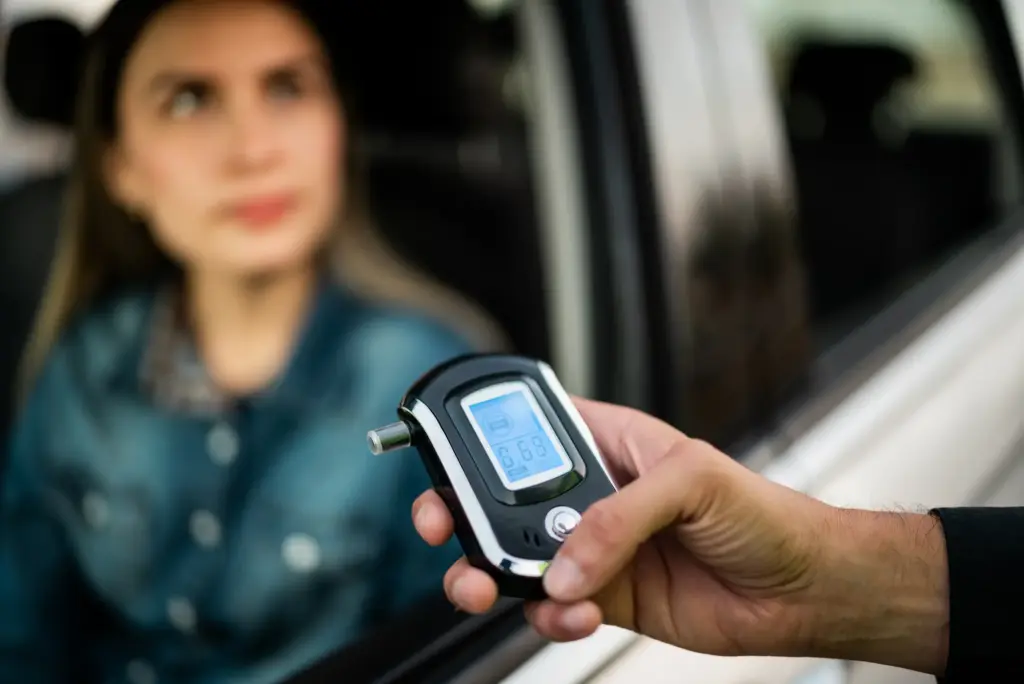
Senate Bill 5067, sponsored by Senator John Lovick (D-Mill Creek), a former Washington State Patrol trooper and Snohomish County sheriff, passed the Washington State Senate on January 28, 2026, by a vote of 26-23. If enacted, it would reduce the legal blood alcohol concentration (BAC) limit from 0.08% to 0.05%.
Current status: The bill passed the Senate but did not clear the House during the 2026 legislative session. However, supporters have indicated they will continue pushing for passage in future sessions.
Key provisions of SB 5067:
- Lower the per se BAC limit for driving or operating a vessel from 0.08% to 0.05%
- Require the Washington Traffic Safety Commission to conduct a statewide public education campaign
- Mandate the Washington State Institute for Public Policy to evaluate the law’s impact within two years
Why Supporters Pushed for the Change:
According to the Washington Traffic Safety Commission, 2023 was the deadliest year on Washington roads since 1990, with 809 fatalities. Research indicates that drivers with a BAC between 0.05% and 0.079% are about seven times more likely to be involved in a fatal collision compared to sober drivers.
If eventually enacted, Washington would join Utah as the only states with a 0.05% BAC limit. The measure would take effect on July 1, 2026.
SSB 5127: New Requirements for Collector Vehicle and Horseless Carriage Plates

Substitute Senate Bill 5127 introduces sweeping changes to how Washington handles collector vehicle and horseless carriage license plates. The law took effect January 15, 2026, after the Washington Department of Licensing identified evidence that the collector vehicle plate system had become subject to abuse with owners inappropriately using collector-plated vehicles for daily transportation. The legislation aims to curb this misuse while maintaining the program for legitimate collectors.
New Requirements for Collector Vehicle Plates
Anyone applying for a collector vehicle plate after January 15, 2026, must provide:
- Proof of vehicle ownership (unless the vehicle is already in DOL records)
- A valid registration for a second vehicle used for daily driving, commuting, or business purposes
- Proof of a current collector vehicle insurance policy with statutory minimum liability limits
Important: The previous exemption of collector vehicles and horseless carriages from the mandatory insurance law financial responsibility requirements has been repealed. All collector vehicles must now carry liability insurance.
Horseless Carriage Plate Updates
The law changes the age requirements to qualify for horseless carriage plates from motor vehicles at least 40 years old to motor vehicles manufactured or built before January 1, 1916.
If you already have horseless carriage plates before January 15, 2026, you are grandfathered under the previous requirements. You may continue to keep your plates but must now carry proof of insurance when driving.
Collector Vehicle Usage Restrictions
Collector vehicles may only be used for travel to and from auto shows, circuses, parades, displays, special excursions, and antique car club meetings, testing purposes, and pleasure of others without compensation. With that in mind, collector vehicles may NOT be used for acts such as regular transportation in the manner of a fully licensed vehicle or for commercial purposes or to carry a load.
The DOL will mail courtesy notices to all current collector vehicle and horseless carriage owners about these changes. If you no longer own a collector vehicle in their records, complete a Report of Sale to protect yourself from liability.
SB 5689: Blood Type Information on Driver’s Licenses
Senate Bill 5689 gives Washington drivers the option to include their blood type on their driver’s license or state ID card. This change is designed to aid emergency responders during medical emergencies.
Key provisions:
- The program is entirely optional
- The Department of Licensing has rulemaking authority to develop processes and documentation requirements
- DOL will coordinate with healthcare providers, emergency responders, and blood banks to educate the public about the potential benefits
What These Laws Mean for Washington Drivers
The 2026 traffic law changes reflect Washington’s dual approach to traffic safety: harsher consequences for repeat offenders while expanding treatment opportunities for those struggling with substance use disorders.
- If you have prior DUI history: The 15-year lookback changes the risk calculation significantly. A conviction from over a decade ago that previously didn’t count may now elevate a new offense to felony status.
- If you drive a collector or antique vehicle: Make sure you have proper insurance coverage and can demonstrate that you have a separate daily driver vehicle. The days of using collector plates to avoid insurance requirements are over.
- If you consume alcohol and drive: Washington continues to push for stricter standards. Even though the 0.05% BAC limit didn’t pass this session, the momentum suggests it may return. The safest approach is always to have a plan that keeps you from behind the wheel after drinking.
Injured by a Drunk or Reckless Driver in Washington?
Impaired driving continues to devastate Washington families. If you’ve been injured by a drunk or reckless driver in Seattle or anywhere in Washington State, you have legal options. At West Coast Trial Lawyers, our Washington personal injury attorneys have recovered over $1 billion for accident victims across the West Coast.
Our legal team—led by founding partner Neama Rahmani, a Harvard Law graduate and former federal prosecutor—handles pedestrian accidents, motorcycle crashes, premises liability claims, and all types of serious injury cases throughout Washington State.
We operate on a contingency fee basis, meaning you pay nothing unless we win your case. Our intake team includes real attorneys who can provide legal guidance from your very first call—not paralegals or call center staff.
Call West Coast Trial Lawyers at (213) 927-3700 or fill out our online contact form for a free, no-obligation consultation. We’re available 24/7 to discuss your case and help you understand your rights under Washington’s evolving traffic laws.