Sexual assault lawsuits are not only deeply personal but also legally complex. Despite growing awareness around sexual violence, there’s still a disturbing amount of misinformation out there especially when it comes to survivors’ rights and the legal options available to them.
These myths don’t just confuse the public, but they actively prevent survivors from seeking justice by creating fear, self-doubt, and hesitation at a time when courage is already stretched thin. So let’s clear the air by breaking down the 11 biggest myths about sexual assault lawsuits to help survivors and their advocates separate fact from fiction.
Myth #1: Sexual Assault Must Be Reported Immediately or It Doesn’t Count

Trauma doesn’t follow a schedule, survivors of sexual assault may need days, months, or even years before they feel safe enough or emotionally ready to come forward. The belief that a delay in reporting somehow discredits their case is not only incorrect but harmful.
In California, civil claims for sexual assault may be filed years after the incident, especially with changes to the statute of limitations. In fact, laws such as Assembly Bill 218 and Assembly Bill 2777 have opened new legal pathways for adult and childhood sexual assault victims, even allowing for a “lookback window” in some cases where expired claims can be revisited.
There is no legal requirement that sexual assault be reported immediately for a survivor to have a valid civil claim but what matters most is whether the survivor is within the allowed filing period and whether their story is credible and supported by available evidence.
Myth #2: If There’s No Physical Evidence, There’s No Case
This myth persists largely because of how Hollywood portrays legal battles where a DNA test or a torn shirt is always the “smoking gun.” But real life isn’t like that. Most survivors don’t go straight to a hospital nor do they undergo a rape kit exam. And even when they do, physical evidence doesn’t always exist, especially if the assault didn’t involve visible injury or if time has passed.
But here’s the legal reality: testimony matters a lot. Courts recognize that in many sexual assault cases, the survivor’s account is the primary form of evidence. Consistent statements, corroboration from texts, emails, therapy notes, or witness testimony can all build a strong case.
Myth #3: Only Women File Sexual Assault Lawsuits

While women represent a significant portion of survivors, anyone can be a victim of sexual assault including men, non-binary individuals, and members of the LGBTQ+ community. Unfortunately, this myth fuels stigma and shame, especially for male survivors who are often discouraged from speaking out due to toxic masculinity or fear of being ridiculed.
California law is gender-neutral when it comes to sexual assault. No matter who you are, you have the right to seek justice and pursue compensation.
Myth #4: Sexual Assault Lawsuits Are Just About Getting Money

Money is often a necessary part of civil lawsuits for a variety of practical reasons, but the main goal of these cases is justice and accountability, not greed. Survivors often face financial burdens that stem directly from the assault such as therapy bills, lost wages, medical costs, relocation, or even job loss.
Filing a lawsuit allows survivors to:
- Hold perpetrators or negligent institutions accountable
- Recover damages for pain, suffering, and emotional distress
- Prevent future harm by exposing systemic issues
Many of our clients pursue legal action not just for themselves but to protect others from experiencing the same trauma. It’s about closure, empowerment, and even about survival.
Myth #5: If There Was Consent Once, It’s Always Consent

Consent is not a permanent agreement. It can be withdrawn at any time, regardless of the relationship history or past encounters. Under California law, consent must be freely given, reversible, informed, enthusiastic, and specific, meaning someone can say yes today and no tomorrow and if that no is ignored, it’s assault.
This myth is especially common in workplace sexual assault cases, where power dynamics often blur boundaries. But make no mistake, coercion, manipulation, or fear nullify consent.
Myth #6: You Can’t Sue If the Perpetrator Wasn’t Convicted Criminally

This is one of the biggest misunderstandings out there. Criminal and civil cases are two separate legal processes with different standards of proof. In a criminal case, the prosecutor must prove guilt “beyond a reasonable doubt” and for context, that’s a high bar in the judicial system.
In a civil case, you only need to prove liability “by a preponderance of the evidence”, meaning it’s more likely than not that the assault occurred. That’s why many survivors choose the civil route especially if the criminal system failed them.
Myth #7: False Accusations Are Common

This myth is both dangerous and wildly inaccurate, because studies consistently show that false sexual assault reports are extremely rare, as they are estimated between 2% and 10%, which is no higher than for other crimes.
But the fear of being labeled a liar still prevents many survivors from coming forward and this myth also gives cover to abusers and shifts attention away from the real problem of rampant underreporting.
Myth #8: Survivors Just Want Attention or Revenge

If you’ve ever actually spoken to a survivor or walked through the legal process with them, you’ll know how absurd this is. Coming forward is hard and filing a lawsuit is exhausting. The public exposure, the emotional toll, the fear of retaliation, it’s not something anyone does lightly.
Survivors don’t seek revenge. They seek healing, justice, safety, and closure. Many risk their careers, reputations, and personal relationships to hold someone accountable. That’s not drama. That’s bravery.
Myth #9: It’s Not Sexual Assault If Alcohol or Drugs Were Involved

This is one of the most harmful myths out there. Legally and ethically, someone cannot consent if they are intoxicated, unconscious, or impaired—period. California law makes this crystal clear: if someone is incapacitated due to alcohol or drugs, they cannot legally give consent.
That means any sexual activity under those conditions is considered assault. And no, being intoxicated doesn’t make it your fault. Alcohol doesn’t cause assault, predators do.
Myth #10: Only Strangers Commit Sexual Assault

TV and movies often depict rapists as creepy guys lurking in the shadows. But in reality, most assaults are committed by someone the survivor knows such as a coworker, friend, boss, partner, or even a family member.
In California, workplace sexual assault is especially common in power-imbalanced relationships like boss-to-employee or teacher-to-student dynamics and this myth causes survivors to doubt themselves or downplay their experience by telling themselves things like “He’s my boyfriend, it can’t be assault.” or “We were at the same party, maybe I misread it.” But trusting someone doesn’t automatically equal consent and familiarity doesn’t excuse violence.
Myth #11: Lawsuits Ruin the Lives of the Accused Unfairly

Justice isn’t about revenge, it’s about truth. Civil lawsuits don’t assume guilt and instead seek accountability through legal standards. The accused has every right to defend themselves, and the courts weigh evidence from both sides.
However, what gets lost in this myth is the impact on survivors because assault ruins lives physically, emotionally, and professionally. Survivors often carry that pain for years and for them lawsuits are tools of justice. They’re how we make sure institutions, employers, and individuals answer for their actions or their failures to act.
The Importance of Legal Representation With Sexual Assault Cases
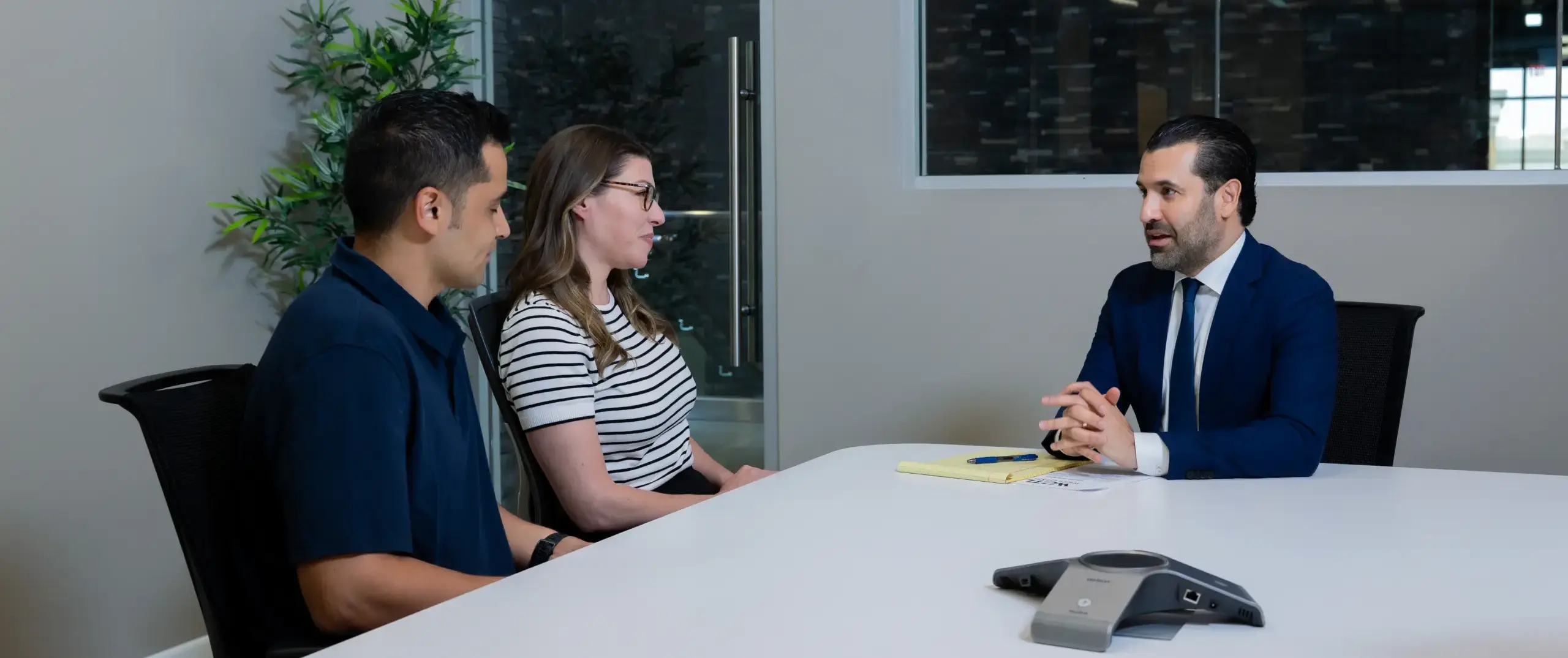
If you’ve experienced sexual assault, don’t go through this alone. A civil lawsuit can be emotionally and legally overwhelming, but with the right attorney, it doesn’t have to be. At West Coast Trial Lawyers, we offer:
- Confidential consultations
- Compassionate, trauma-informed counsel
- Experienced trial attorneys who specialize in sexual assault and employment law
- No upfront fees—we don’t get paid unless you win
Don’t let these myths silence you. We’re here to help you fight back with facts, compassion, and strength. Whether you’ve experienced sexual assault in the workplace, at school, in a relationship, or elsewhere—you are not alone.
Call us today at (213) 927-3700 or fill out our online contact form for a free confidential consultation.