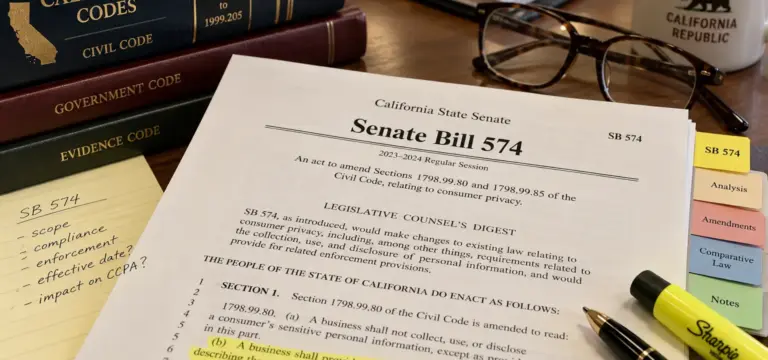
Understanding how wrongful death claims work and what rights surviving family members may have can help form solid decisions especially when it comes to pursuing a claim.
Who Can File a Wrongful Death Lawsuit in California?
When it comes to a wrongful death in California, certain eligible family members, including the deceased person’s surviving spouse and domestic partner are allowed to file a claim on behalf of the deceased.
Under California Code of Civil Procedure § 377.60(a), eligible claimants include the deceased person’s surviving spouse, domestic partner, and deceased person’s surviving children. If a child of the deceased has died, that child’s descendants may also qualify.
If no surviving descendants exist, other individuals entitled to inherit under California’s intestate succession laws may be eligible. Other relatives, including parents and stepchildren who were financially dependent on the deceased, may also qualify under § 377.60(b).
What Happens When Several Eligible Family Members Exist
According to California Code of Civil Procedure section 377.60, California permits only one wrongful death action to be filed from a single death. As such, eligible heirs must partake in one lawsuit or be joined as parties rather than pursue separate wrongful death suits for the same death.
This requirement allows the court to address the claims of all eligible parties within one proceeding and divide any settlement or verdict among those who participated in the case.
What Must Be Proven in a California Wrongful Death Case?

When pursuing a wrongful death claim in California, plaintiffs must establish four elements of negligence: duty of care, breach of duty of care, causation, and damages. This means showing that the defendant owed their loved one a legal obligation, failed to meet it through negligence, and caused the death as a result, leaving surviving family members with significant losses.
What Damages Can Be Recovered in a Wrongful Death Claim?
Families who lose a loved one because of someone else’s negligence may be entitled to wrongful death damages. These can include economic damages like loss of financial support, household services, and medical and funeral expenses.
They may also seek compensation for non-economic damages, such as loss of companionship, care, and moral support, which can take a heavy toll on surviving family members. With these things in mind, the amount of a wrongful death settlement will depend on certain factors, such as the family’s financial losses, the deceased person’s contributions, and the elements of the death.
Are There Any Other Damages That Can Be Recovered?
Although mental anguish and emotional distress are common after such a loss, they are not usually recoverable as separate damages in a California wrongful death claim. Punitive damages (also referred to as exemplary damages) are generally unavailable in such cases, however, they may be recoverable in a related survival action under certain circumstances.
Ultimately, payouts will depend on the deceased person’s earning capacity, age, health, role in the family, and the specific facts and proof surrounding the incident.
What Is the Difference Between Wrongful Death and a Survival Action?

A wrongful death claim and a survival action may come from the same case, but they serve different purposes. A wrongful death claim belongs to eligible surviving family members and seeks compensation for their own losses, like loss of financial support and companionship.
A survival action, on the other hand, continues a claim the deceased could have brought in a personal injury case, allowing the decedent’s estate to pursue eligible damages, such as medical bills and other losses incurred before death. A personal representative (or other legally authorized successor) usually brings the survival action on behalf of the estate.
How Long Do You Have to File a Wrongful Death Claim in California?
Under California’s wrongful death laws, family members are given two years from the date of death to file a lawsuit (California Code of Civil Procedure § 335.1). However, the deadline can vary depending on the circumstances and who is being sued. For example, claims involving a government entity may have a shorter timeframe under the California Government Claims Act.
According to California Government Code § 911.2(a), a claim involving death or personal injury must be presented to the government entity within six months after the cause of action accrues. These deadlines affect when families can begin legal proceedings in civil court, so it is important to confirm the applicable statute of limitations before filing. The amount of time available to pursue legal action may vary based on the circumstances of the case, the defendant involved, and any specific legal requirements.
What Evidence Can Support a Wrongful Death Claim?
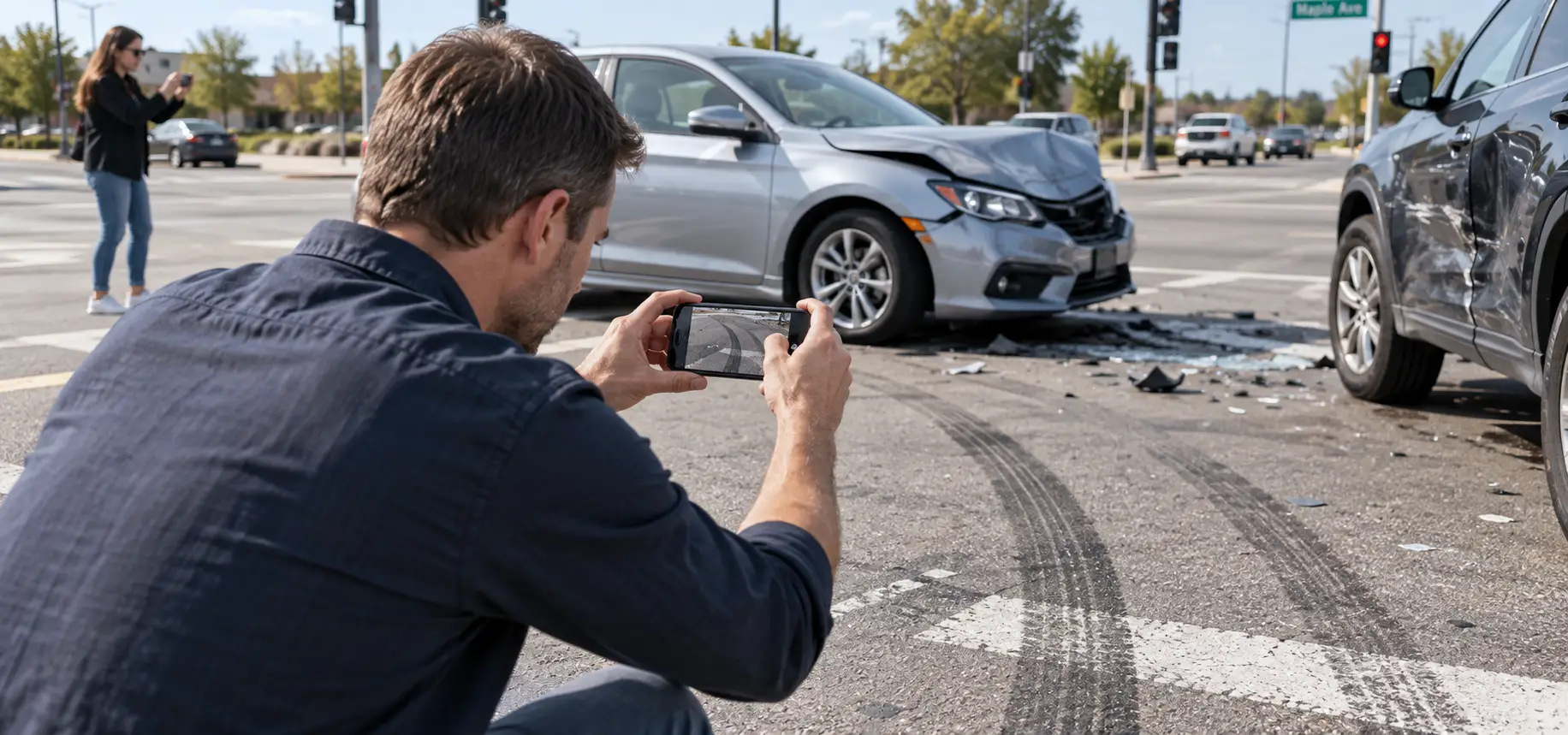
In many wrongful death cases, gathering evidence is critical as it can show what happened, who was responsible, and how the loss affected surviving family members. Records, witness statements, and other documentation can help establish liability and support a claim for compensation.
Liability Evidence
Evidence of medical negligence or other wrongful conduct can help establish who the liable party is. Health records, accident reports, photographs, and witness statements may show what happened and whether the defendant owed the victim a duty of care. Expert testimony may also help explain how the defendant’s actions contributed to the death.
Relationship and Dependency Evidence
Documents showing family relationships can help reveal which surviving family members may be eligible to file a claim. Domestic partnership records and marriage and birth certificates may help confirm a claimant’s relationship to the deceased. Financial records may also be considered when a claimant was financially dependent on the deceased.
Financial-Support and Household-Services Evidence
Pay stubs, tax returns, and employment records can help demonstrate the financial support the deceased would likely have provided to their family. Evidence of household responsibilities, such as childcare and other services, may also help provide the value of such contributions. These records can support claims for financial compensation whereas evidence of the loss of companionship and care may help determine non-economic damages.
Estate and Official Records When Relevant
Health records and itemized bills may document medical expenses incurred before death, and receipts and invoices can establish funeral and burial costs. These records may be relevant to a related survival action or to show expenses paid by eligible family members. Keeping documentation of burial expenses and other related costs can help explain which losses may be recoverable under California law.
What If the Death Involved a Car, Rideshare, Delivery, or Commercial Truck Accident?

When a fatal accident involves a rideshare, delivery vehicle, or commercial truck, determining liability and insurance coverage can be more difficult than in a typical car crash, because it may involve the driver, an employer, a vehicle owner, or another company.
For instance, rideshare accidents involving companies like Uber or Lyft, often have varying insurance coverage depending on the driver’s app status (whether the driver is waiting for a ride request vs actively transporting a passenger). Meanwhile, commercial truck accidents can involve multiple potentially liable parties from the trucking company to maintenance providers which can complicate the legal process.
No matter what the scenario may be, evidence like black box data, electronic logging device (ELD) records, inspection reports, and dispatch logs, can help investigators determine the cause of the crash and identify at fault parties.
What Should a Family Do After a Fatal Accident?
After losing a loved one in a fatal accident, families may experience grief, unexpected expenses, and questions about what to do next. While there is no way to undo a heavy loss, taking necessary measures can help protect your family’s rights. Below are notable actions to consider after a fatal accident:
- Keep copies of accident reports, medical records, photographs, witness information, and insurance communications.
- Document funeral and burial expenses, medical bills, and other costs related to the death.
- Maintain messages, photographs, and other records that may help demonstrate how the accident occurred.
- Review settlement offers thoroughly before accepting compensation or signing documents that could affect your legal rights.
- Speak with an experienced wrongful death lawyer. They can help explain your options, identify potential responsible parties, and help you understand filing deadlines in addition to what compensation may be available for you to pursue.
Following these tips can help your family make informed decisions while simultaneously trying to manage a difficult time.
When You Are Ready, West Coast Trial Lawyers Is Here to Help
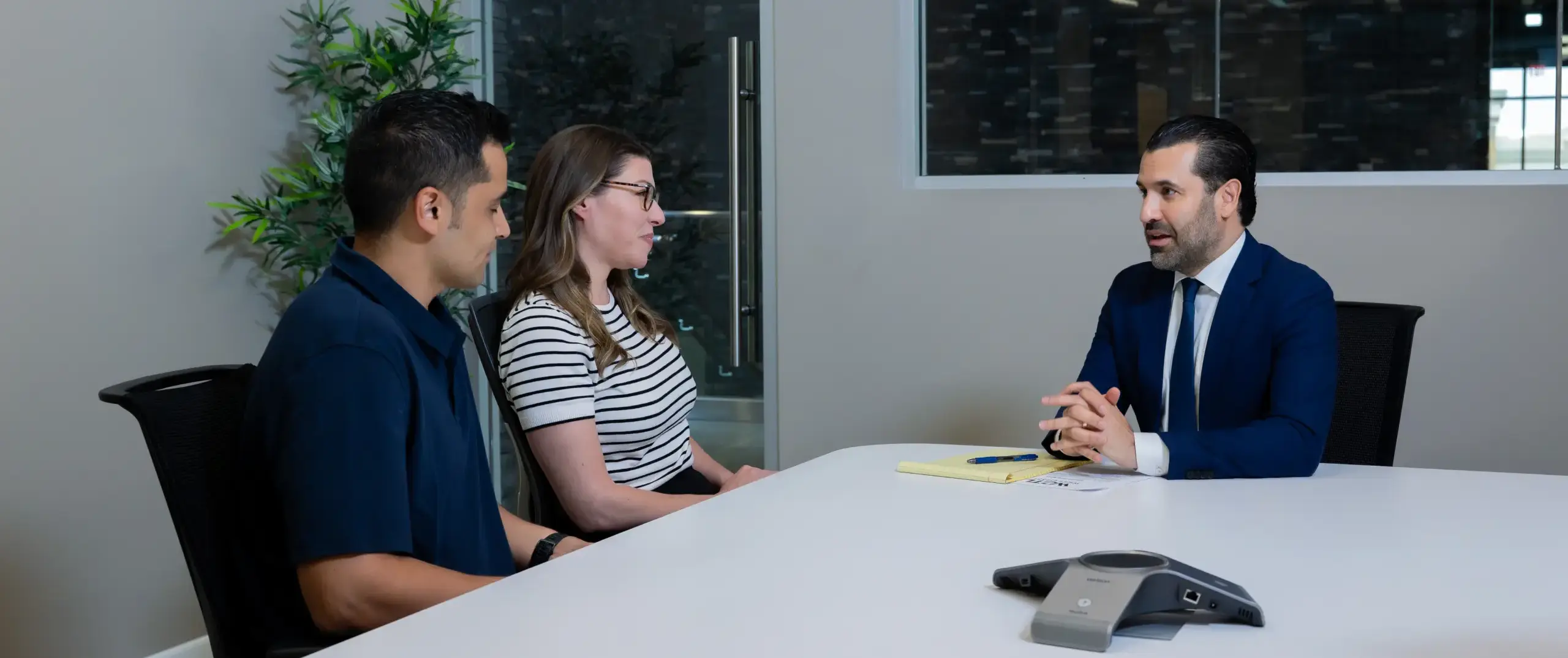
Losing a loved one because of someone else’s negligence can leave a family with difficult questions and unexpected financial losses. If your family is considering legal action, seeking guidance can be a meaningful first step toward seeking justice and holding the responsible party accountable.
At West Coast Trial Lawyers, our team can help you understand your legal options, investigate the circumstances surrounding your loved one’s death, and pursue compensation for your family’s losses. From gathering evidence to handling insurance negotiations and court proceedings, our team can guide you through the legal process while you navigate grief.
To book a FREE consultation, we invite you to connect with us by calling (213) 927-3700 or filling out our quick online contact form.