California has updated its rules for self-driving cars. Manufacturers will now face stricter obligations than they did before in terms of how their vehicles behave, what gets reported after an incident, and how they work with emergency responders.
For everyday drivers, this particular shift matters, because better oversight means problems will get noticed quicker, and there will be a more transparent answer to the question of who’s accountable when something goes wrong. As self-driving cars become more common and popular on California roads, it helps to understand the rules that govern them.
What Are California’s New Rules for Self-Driving Cars?
California’s new regulations for self-driving vehicles, under AB 1777, allows police officers to issue Notices of Noncompliance to autonomous cars if they break traffic laws. California’s Department of Motor Vehicles (DMV) created these provisions through public hearings to protect everyone’s safety on the roads.
Traffic Violations and DMV Reporting
Police officers have the ability to cite AV companies for traffic violations committed by their self-driving vehicles operating in autonomous mode. The citation will be sent to the DMV and the autonomous vehicle manufacturers to assess penalties. Companies are also required to provide evidence of alleged violations to the DMV within 72 hours, or 24 hours for serious cases.
First Responder Coordination and Emergency Operations
Self-driving vehicle companies must annually update their first responder interaction plans, maintain access to manual vehicle override systems, and create two-way communication links with 30-second response times to ensure safe interactions with first responders. Furthermore, remote drivers can issue geofencing directives requiring autonomous cars to leave active emergency zones within two minutes, preventing vehicle immobilizations that block or hinder emergency response.
Testing Requirements and Safety Case Standards
Before deploying commercially, manufacturers have to start with a safety driver, then move to driverless testing, and hit either 50,000 miles (light duty) or 500,000 miles (heavy duty) of testing. They also have to make a safety case that covers hardware, software, and operations.
Heavy-Duty and Transit Vehicle Authorization
Heavy duty AVs with a gross vehicle weight rating over 10,001 pounds can be on California public roads. Operation is permitted only after manufacturers obtain DMV testing and deployment authorization. AV transit vehicles up to 14,001 pounds gross vehicle weight rate (GVWR) may be operated by public entities or universities
Remote Operator Requirements
Remote operators must meet licensing qualifications in addition to permitting and training requirements (Cal. Code Regs. tit. 13, § 227.00).
Operational Data Reporting Requirements
AV companies are required to report system failures, vehicle immobilizations, hard braking events, collisions, and the amount of miles driven.
When Do California’s New Self-Driving Car Rules Take Effect?
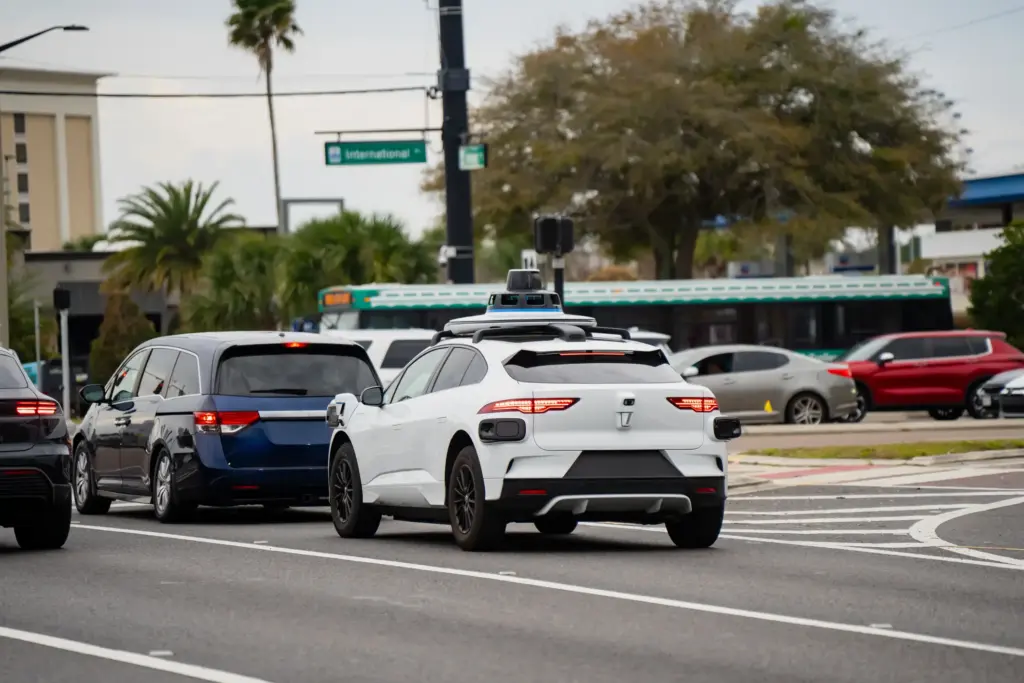
California’s new self-driving car rules begin July 1, 2026. From that point on, law enforcement will undergo a formal process to document violations that involve driverless cars. Instead of issuing a traditional traffic ticket, officers will provide a structured report that is submitted to the DMV.
Prior to the effective date, enforcement exists in a limited form under existing autonomous vehicle testing rules. But there is no standardized approach to cite companies for moving violations done by fully driverless systems.
Once the new regulations take effect, enforcement will shift into a structured reporting system that is coordinated specifically between law enforcement, the DMV, and autonomous vehicle manufacturers.
How Will Law Enforcement Handle Traffic Violations by Driverless Cars?
Under the new system, police will still observe violations in real time. However, they will no longer issue traditional citations when no human driver is present. If a driverless vehicle commits a traffic violation, officers will document the situation, issue a Notice of AV Noncompliance, and submit it to the DMV. That report will become the official record of the event.
This matters because traffic enforcement has traditionally been based on the idea that a human is driving the vehicle. Once a car is in autonomous mode with no one present in the driver’s seat, that enforcement approach no longer works. The result will be a shift in responsibility from the individual driver to the company that built and operates the system.
What Is the “Notice of Noncompliance” and Is It a Real Ticket?
The Notice of Noncompliance is not a standard traffic ticket and does not carry immediate fines or penalties. It is a formal enforcement document made when a police officer observes a violation that involves a driverless car. A notice is provided by either:
- Placing it in the vehicle’s registration and insurance compartment
- Delivering it to the manufacturer’s designated representative at the scene
- Submitting it to the DMV and the manufacturer within 72 hours
The notice records the facts surrounding the situation, including time, location, and description of the violation.
The process is not intended to punish, but to prompt a DMV review of the incident to determine whether the matter reflects a compliance-related issue with the manufacturer or an isolated system error. It may look like a ticket, but it is handled as an administrative issue, not a criminal one. Repeated or serious violations may result in the DMV suspending or revoking a company’s operating permit.
What Happens After a Manufacturer Receives a Noncompliance Notice?
After receiving a Noncompliance Notice, the manufacturer must provide evidence and information of the alleged violation to the DMV within 72 hours, or 24 hours if police classify the incident as a severe risk. Instead of challenging the notice in court, the process will go straight to administrative review at the DMV level.
The DMV will assess whether the situation reflects a failure in safe operation or a larger issue involving autonomous technology failure. The manufacturer will need to provide supporting data, system logs, an explanation of what specifically went wrong, and if any corrective actions were taken.
What Penalties Can the DMV Impose on Autonomous Vehicle Companies?
The DMV regulates AV companies. When rules are violated, the DMV can do either of the following:
- Permit suspension or revocation: If any AV vehicles create safety issues, break traffic laws, or the company fails to address underlying autonomous technology failure problems, the DMV can suspend or revoke their AV operating permits.
- Operational restrictions: The DMV can enforce targeted restrictions on autonomous vehicle manufacturers. They can limit the amount of motor vehicles allowed on public roads, where autonomous cars can travel, maximum speeds, and even the weather conditions they are allowed to operate in.
- Notices of Noncompliance: Police can issue an autonomous vehicle noncompliance notice for moving violations committed in self-driving mode under AB 1777 and Cal. Code Regs. tit. 13, §§ 227.00–228.28. If violations continue without any correction, the DMV may either restrict or revoke the company’s permits.
- Emergency response penalties: Autonomous vehicle manufacturers can be given strict penalties and permit restrictions if their self-driving vehicles do not properly yield, block streets, or are present in active emergency zones in violation of a responder interaction plan.
What Do These New Rules Mean for Waymo and Other AV Companies?
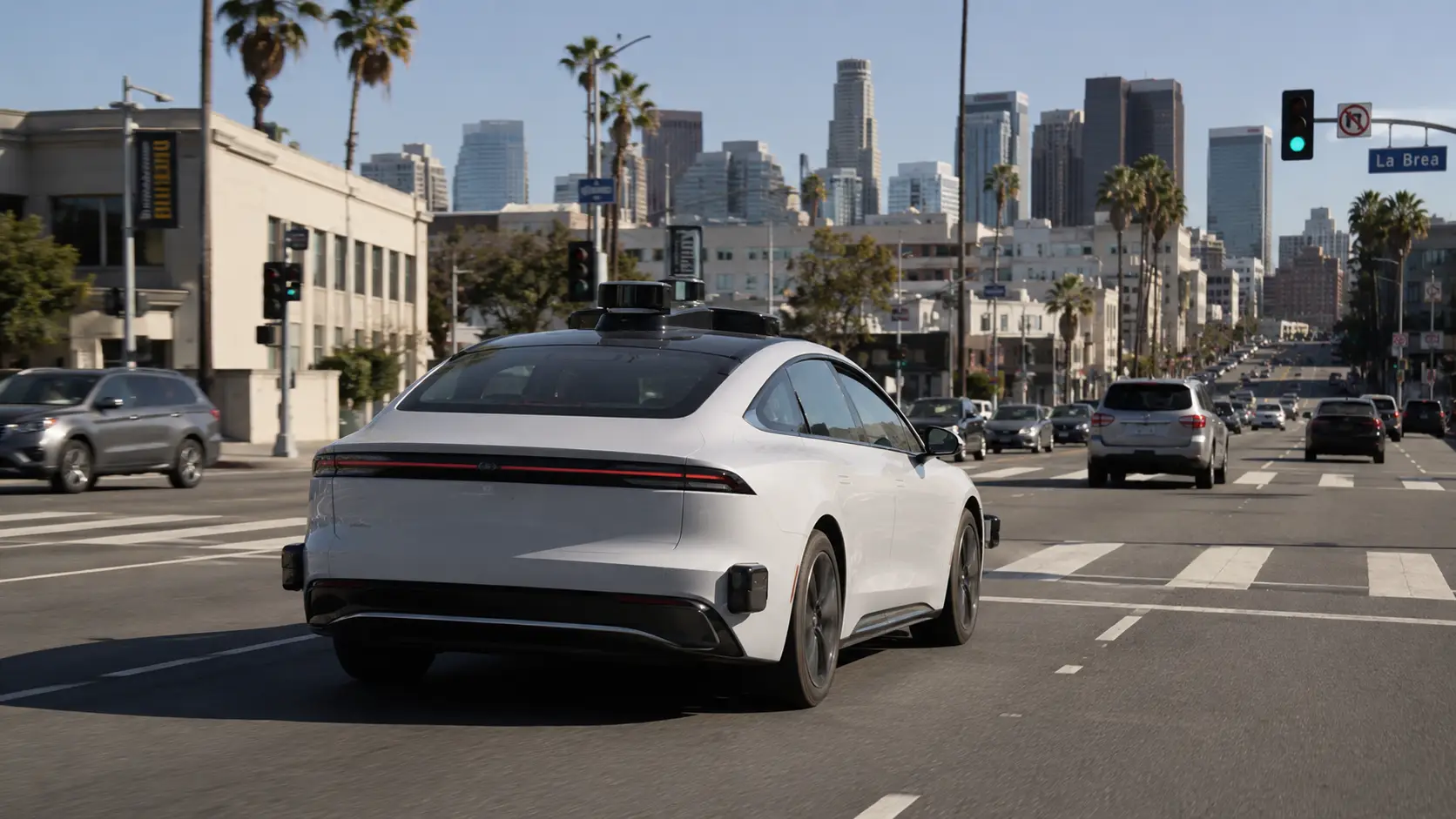
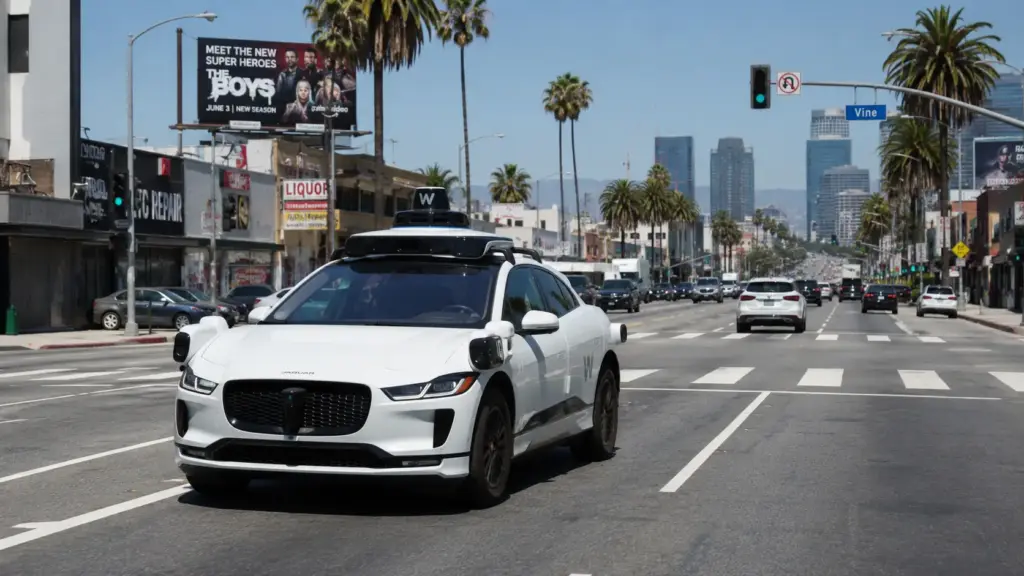
Waymo, which operates approximately 1,000 self-driving vehicles in the San Francisco Bay Area, raised concerns about written disclosure of information connected to any AV noncompliance notice. All autonomous vehicle manufacturers must now:
- Equip motor vehicles with two-way communication so first responders can communicate with remote drivers within 30 seconds
- Follow geofencing rules and safely leave active emergency zones within two minutes
- Annually update their responder interaction plan
If none of these are addressed, permit restrictions or suspensions may be enforced depending on the circumstances surrounding the situation. These new regulations come after autonomous vehicles blocked intersections during a San Francisco blackout and caused multiple emergency response disruptions in 2025.
How Will California’s New AV Rule Impact AV Accidents?
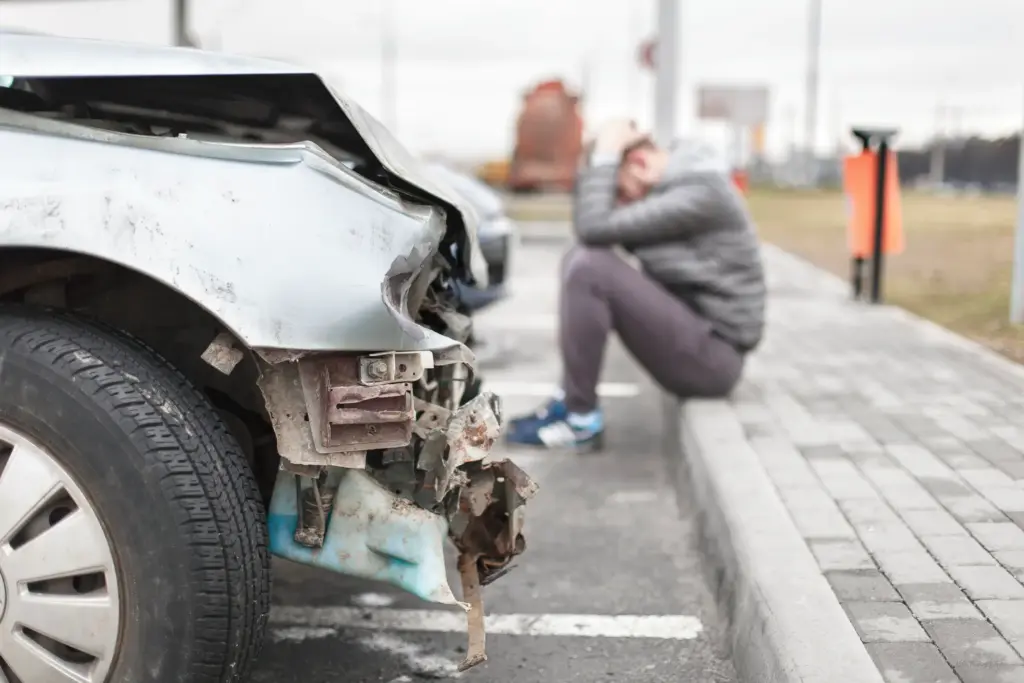
California’s new autonomous vehicle rules under AB 1777 could improve how AV accidents are investigated and documented. For car accident victims, the most significant change in the state’s law may be the availability of additional evidence. More detailed reporting requirements could create clearer records of how an autonomous vehicle was operating before a collision, whether its automated driving system malfunctioned, and whether the company followed applicable safety procedures.
This information may help determine whether the AV manufacturer, software developer, vehicle operator, or another party can be held responsible for the accident. However, AB 1777 does not establish specific financial penalties for every instance of noncompliance, leaving the DMV responsible for developing parts of the enforcement system. Which is why hiring an experienced car accident lawyer is important to recover the compensation you deserve.
Who Is Liable in a Self-Driving Car Accident? We Can Help
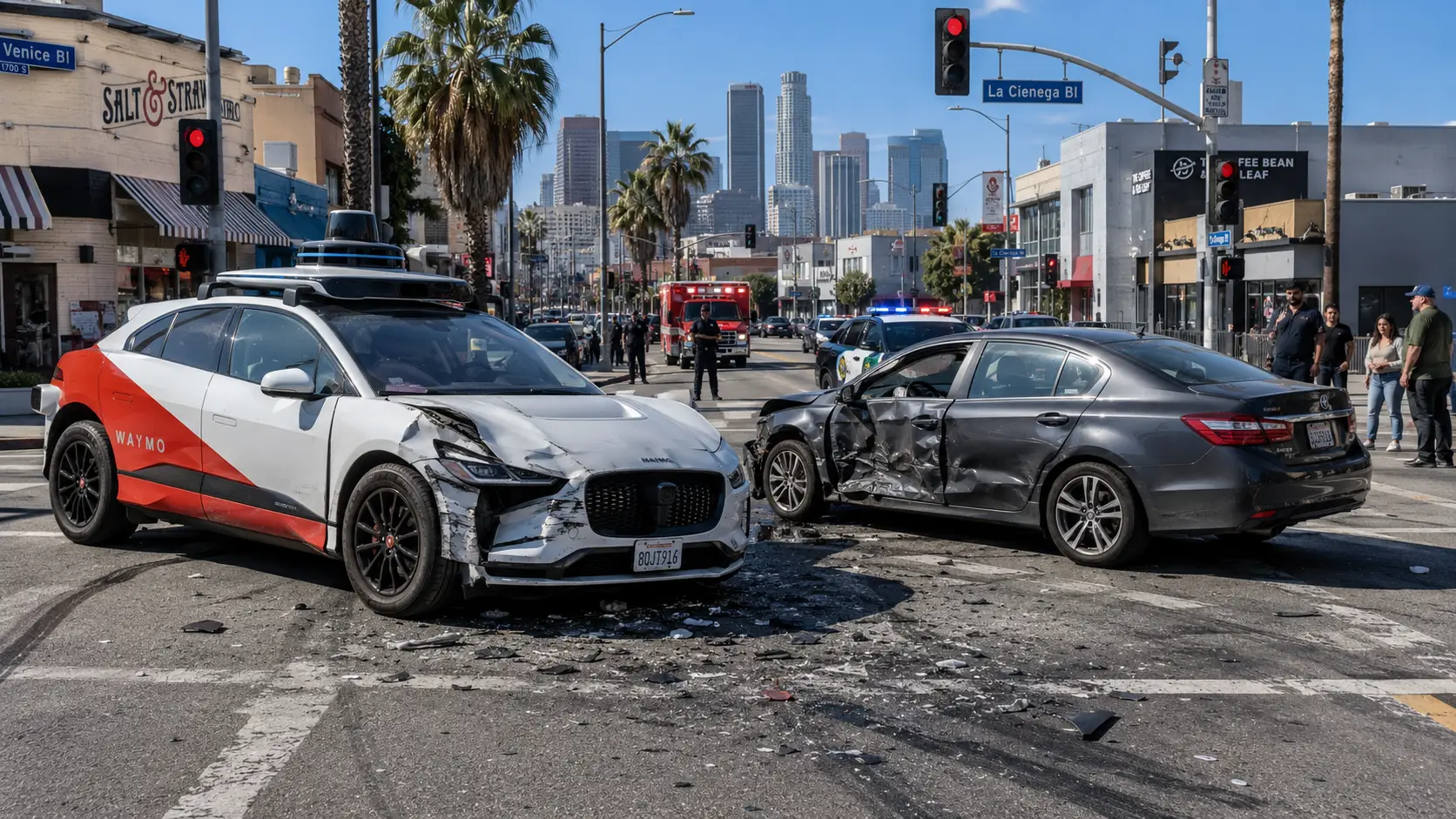
If you have been harmed in a collision involving a self-driving vehicle, West Coast Trial Lawyers can investigate the situation, identify the responsible parties, and work diligently to get you the compensation you deserve.
Our team understands the laws governing self-driving technology and can help hold negligent manufacturers, operators, and other potential liable parties accountable for the losses you incurred.
To book a FREE consultation, we welcome you to reach out by calling (213) 927-3700 or completing our quick online contact form.