Washington uses the term “sexual assault” to describe a range of sexual conduct that occurs without legally valid consent. However, the state does not place every form of sexual assault under one criminal statute. Instead, Chapter 9A.44 of the Revised Code of Washington separates the conduct into specific offenses, including rape, rape of a child, indecent liberties, and sexual misconduct with a minor.
Whether particular conduct meets the elements of one of these crimes depends on what happened, whether consent was freely given, the types of people involved, and whether other circumstances was present. With that in mind, it is vital to understand the legal definitions of sexual assault under state law in order to make the proper decisions should an incident occur.
How Does Washington Define Consent?
Under RCW 9A.44.010, consent means that at the time of the sexual act there are actual words or conduct showing freely given agreement to sexual intercourse or sexual contact. Under no circumstances consent to a previous encounter does not establish consent to a later one and this applies to every kind of relationship from dating to marriage.
Washington law also separately defines circumstances in which a person may be incapable of giving legally valid consent. For instance, a person may be “physically helpless” if they are unconscious or otherwise physically unable to communicate unwillingness and “mental incapacity” can exist when illness, a condition, alcohol, drugs, or another cause prevents the person from understanding the nature or consequences of the sexual act.
With that in mind, silence, passivity, or the absence of physical resistance should not automatically be treated as consent. The statutory definition focuses on actual words or conduct indicating freely given agreement.
What Is Indecent Liberties in Washington?
Not every sexual assault involves intercourse and sometimes it may involve unwanted sexual contact or lewd behavior. This is called “Indecent liberties” and under RCW 9A.44.100, the state addresses nonconsensual sexual contact when the contact occurs through forcible compulsion and the victim is incapable of consent due to a mental or physical incapacity.
What Sexual Conduct Can Qualify as Sexual Assault?

Washington’s criminal code distinguishes between “sexual intercourse” and “sexual contact.” Under RCW 9A.44.010, sexual intercourse includes penetration, as well as certain oral sexual acts and penetration with an object outside a recognized medical purpose.
Meanwhile, “sexual contact” means touching intimate parts of a person for the purpose of gratifying the sexual desire of either party or a third person. The touching does not necessarily have to involve bare skin, but depending on the circumstances and intent, contact through clothing may still qualify. The offense prosecutors may consider depends on the nature of the conduct and the surrounding circumstances.
Rape in the First Degree
Rape in the first degree under RCW 9A.44.040 is a Class A felony and it can apply when sexual intercourse occurs through forcible compulsion such as kidnapping, causing serious injury, and the use of a deadly weapon.
Current Washington law also includes situations of when a perpetrator knowingly gives the victim a prescription drug, controlled substance, or controlled-substance analog without the victim’s knowledge and consent, causing the victim to become physically helpless or mentally incapacitated.
This provision is important in cases involving intentional drugging, because the state does not necessarily need to prove the additional weapon, kidnapping, injury, or unlawful-entry factors when the statutory drugging provision applies.
Rape in the Second Degree
RCW 9A.44.050 covers several forms of sexual intercourse that do not meet the first-degree requirements. For instance, it may apply when sexual intercourse occurs through forcible compulsion without aggravating circumstances.
The statute provides additional protection in relationships involving dependence, care, treatment, or authority. Depending on the facts, second-degree rape may apply when the victim:
- Has a developmental disability and the perpetrator has supervisory authority or was providing transportation through employment
- Is a patient or client and the perpetrator is a healthcare provider acting during a treatment session, consultation, interview, or examination
- Lives in a facility for people with mental-health or substance-use disorders and the perpetrator has supervisory authority
- Is a frail elder or vulnerable adult and the perpetrator has a significant relationship with the victim or was providing transportation through employment
Rape in the Third Degree
Outlined in RCW 9A.44.060, rape in the third degree applies when the circumstances do not constitute the first- or second-degree and the victim did not consent to sexual intercourse. It may also apply when sexual intercourse is obtained through a threat of substantial unlawful harm to the victim’s property rights.
This category is sometimes referred to as “date rape” because it captures situations where there was no weapon, no kidnapping, and no physical helplessness, but consent was clearly absent. Due to the nature of the act rape in the third degree is a Class C felony, which is punishable by up to 5 years in prison and a $10,000 fine.
Sexual Assault Involving Children and Teenagers
Washington’s laws involving minors are more complicated than a single “age of consent” rule. While 16 is often described as Washington’s general age of consent, the legality of sexual conduct may also depend on the younger person’s exact age, the age difference, and whether the older person occupied a position of authority or trust.
Rape of a Child
Washington separates rape of a child into three degrees:
- First-degree rape of a child applies when the child is under 12 and the perpetrator is at least 24 months older.
- Second-degree rape of a child applies when the child is at least 12 but under 14 and the perpetrator is at least 36 months older.
- Third-degree rape of a child applies when the child is at least 14 but under 16 and the perpetrator is at least 48 months older.
These statutes are based on age and age difference and the state is not required to prove lack of consent as a separate element in the same manner required in an adult rape case.
Sexual Misconduct With a Minor
Washington also prohibits certain sexual conduct involving older teenagers and adults who hold positions of authority. For instance, school employees and enrolled students and foster parents and foster children are a common example of this and depending on the severity of the incident it can either be categorized as first or second degree sexual misconduct.
- First-degree sexual misconduct with a minor under RCW 9A.44.093 generally concerns sexual intercourse involving a 16- or 17-year-old and a person who is at least five years older and abuses a supervisory position within a significant relationship.
- Meanwhile, second-degree sexual misconduct with a minor under RCW 9A.44.096 addresses sexual contact in similar authority-based relationships.
These laws recognize that nominal agreement may not be legally sufficient when an adult uses educational, supervisory, caregiving, or institutional authority to obtain sexual access to a teenager.
Can Sexual Assault Occur Between Spouses or Partners?

Sexual assault can occur at any point of relationship whether it is marriage, dating, or a prior sexual relationship. Washington’s sexual-offense statutes can apply regardless of whether the survivor knew, dated, lived with, or was married to the person responsible.
A person can consent to sexual activity on one occasion and refuse it on another. They can also agree to one form of contact without agreeing to additional conduct. As many sexual assaults are committed by someone the survivor knows, the absence of a stranger, weapon, or visible injury does not determine whether the conduct was consensual.
Do Campus Sexual Misconduct Rules Differ From Criminal Law?
A college or university may use disciplinary policies that differ from the elements required for a criminal prosecution. A campus proceeding may address sexual harassment, exploitation, coercion, or nonconsensual sexual activity even when prosecutors do not file criminal charges.
For example, WAC 504-26-221 defines sexual assault and consent for Washington State University’s student-conduct process and that rule describes consent as clear, knowing, voluntary, and active throughout the sexual contact.
However, this WAC provision should not be described as a statewide rule governing every Washington college as it is part of Washington State University’s student-conduct regulations. Other public and private institutions may have their own Title IX and disciplinary policies. A campus investigation, criminal case, civil lawsuit, and protection-order proceeding are separate processes and the outcome of one does not necessarily determine the others.
What Rights Do Sexual Assault Survivors Have in Washington?

Washington’s Victims of Sexual Assault Act provides important rights to survivors. Under RCW 70.125.110, sexual assault survivors have the right to receive a medical forensic examination at no cost, obtain a referral to an accredited community sexual-assault program, and consult with an advocate during a forensic examination, law-enforcement interview, prosecutorial interview, or court proceeding.
The law also provides rights involving sexual-assault kit preservation and testing, access to interpreter services, case-status notifications, and a free copy of the related police report. These rights do not disappear simply because a survivor decides not to participate in the criminal justice system or declines a forensic examination.
A minor who is at least 13 may consent to a sexual-assault forensic examination and certain treatment for a sexually transmitted disease under RCW 70.125.120. The Washington State Department of Health and the Washington Coalition of Sexual Assault Programs provide additional information about support services and local advocacy programs.
Can a Survivor Obtain a Sexual Assault Protection Order?
Washington State allows survivors to seek a civil sexual assault protection order under Chapter 7.105 RCW. A petition may be based on nonconsensual sexual conduct, nonconsensual sexual penetration, or commercial sexual exploitation. One incident can be sufficient to request an order and criminal charges/convictions are not necessarily required before a petition is filed.
Depending on the circumstances, an order may restrict contact, prohibit the respondent from approaching specified locations, and provide other safety-related relief. When the respondent is an intimate partner or family or household member, a domestic violence protection order may also be relevant.
Can a Survivor File a Civil Sexual Assault Lawsuit?
A sexual assault survivor can file a civil case to seek financial compensation and accountability. Depending on the facts, a civil claim may seek compensation for:
- Medical care and future treatment
- Counseling and trauma-related care
- Lost income or reduced earning capacity
- Physical pain
- Emotional distress
- Loss of enjoyment of life
- Other documented financial and personal harm
Additionally a survivor may explore a civil claim even when no one was arrested, prosecutors declined to file charges, or a criminal case did not result in a conviction. If you are a victim of sexual assault, there numerous resources available to help you understand your options.
The National Sexual Assault Hotline is available at 1-800-656-HOPE (4673) and he Washington Coalition of Sexual Assault Programs can also connect survivors with confidential advocacy and local services throughout Washington.
Can a School, Employer, Church, Hotel, or Other Institution Be Liable?
An institution may have civil liability when its own negligence contributed to the assault or allowed foreseeable misconduct to continue. In fact, some of the most common types of claims against institutions such as schools, businesses and even religious organizations involve negligent hiring or failure to respond to prior complaints.
While institutional liability is not automatic simply because an assault occurred on the organization’s property, the evidence must connect the institution’s own conduct or failure to act to the resulting harm. For more information about property-owner responsibility, see our Washington premises liability lawyer page.
What Is the Statute of Limitations for Sexual Assault in Washington?

The filing deadline depends heavily on the survivor’s age when the abuse occurred, the date of the conduct, the claims being pursued, and when the claim legally accrued. For example, many personal injury claims in Washington are governed by the three-year limitation period under RCW 4.16.080. However, the date the period begins and whether another rule applies can depend on the facts and legal theory.
Childhood Sexual Abuse Before June 6, 2024
For childhood sexual abuse occurring before June 6, 2024, RCW 4.16.340 generally allows a claim to be filed within three years after the act that caused the injury, after the survivor discovered or reasonably should have discovered that the injury was caused by the abuse, or after the survivor discovered that the act caused the specific injury for which the claim is brought.
In addition, the limitation period is paused until the survivor turns 18 to ensure all sexual assault victims have enough time to file a claim.
Childhood Sexual Abuse on or After June 6, 2024
In M.R. v. State of Washington (2025), the Washington Supreme Court held that RCW 4.16.340 can cover claims involving a continuing course of sexual abuse that began during childhood and extended into adulthood when the claims are based on intentional acts of childhood sexual abuse.
As a result, Washington removed the civil time limit for qualifying intentional-conduct claims based on childhood sexual abuse occurring on or after June 6, 2024. This change does not automatically revive every claim involving conduct that occurred before that date.
Speak With a Washington Sexual Assault Attorney From West Coast Trial Lawyers Today
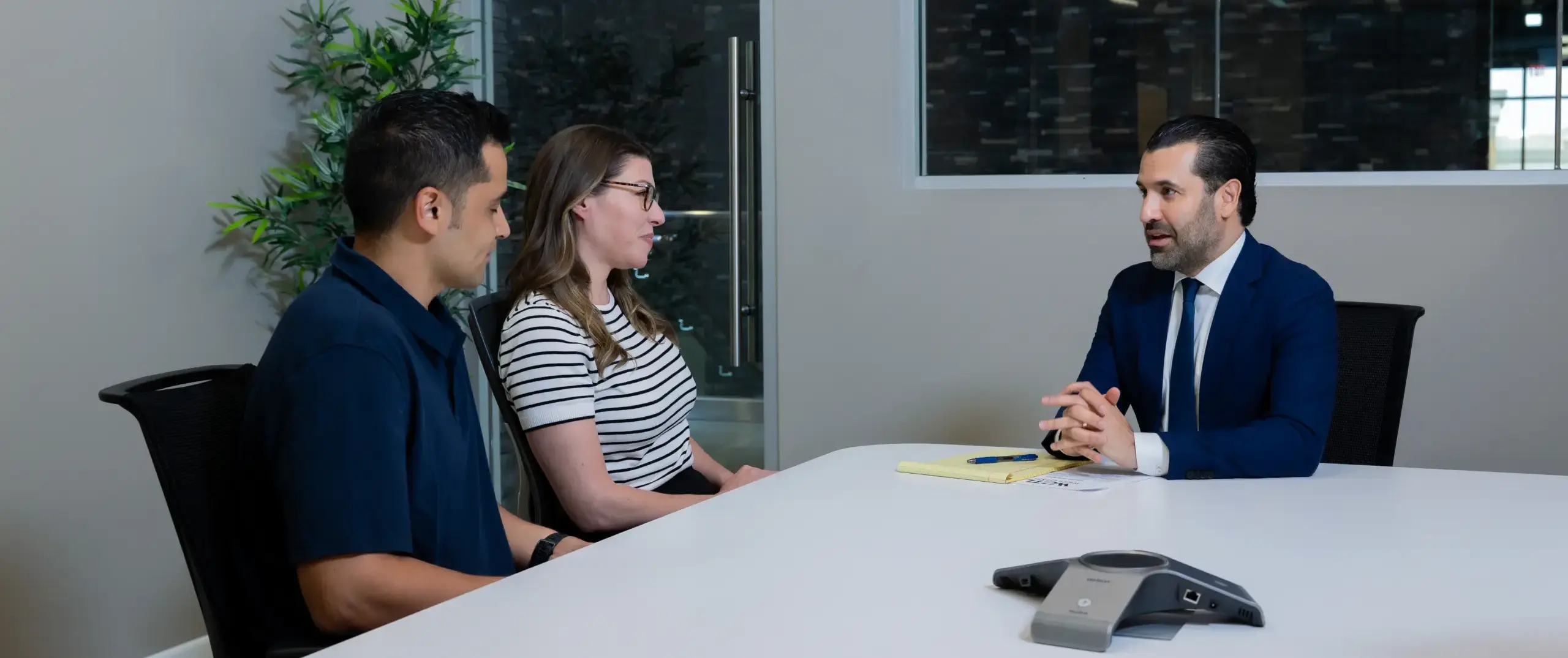
The decision to talk to anyone, an attorney, a counselor, a family member, a hotline, belongs to the survivor and only the survivor. There is no timeline that has to be followed and no order in which things have to happen. Some people reach out the same week. Some people reach out twenty years later. Both of those are reasonable.
If you have questions about your rights under Washington law and want to talk through them, West Coast Trial Lawyers is readily available to help people who have been harmed by negligence and wrongful conduct understand their legal options.
To discuss your legal options confidentially, call our Washington team at (213) 927-3700 or contact us through our online contact form.