Before last week, most people in Garden Grove had never heard the words “methyl methacrylate.” Then a storage tank full of it started overheating at the GKN Aerospace facility on Western Avenue, 50,000 people were told to leave their homes, and suddenly everyone wanted to know one thing: is this stuff going to hurt me?
Methyl methacrylate, or MMA, is a clear, strong-smelling industrial chemical used to make acrylic plastics, paints, adhesives, and aircraft parts. In a sealed tank it’s manageable. Released into the air as vapor, it becomes a respiratory and skin irritant that can cause real symptoms, especially for kids, older adults, pregnant women, and anyone with asthma or heart conditions.
The tricky part is that some symptoms show up right away, and others creep in over hours or days. Knowing what to watch for, and knowing when “I feel a little off” is actually worth a doctor’s visit, can make a meaningful difference. Here are the methyl methacrylate exposure symptoms Garden Grove residents should be paying attention to.
1. Breathing Problems: Coughing, Wheezing, Chest Tightness, and Shortness of Breath
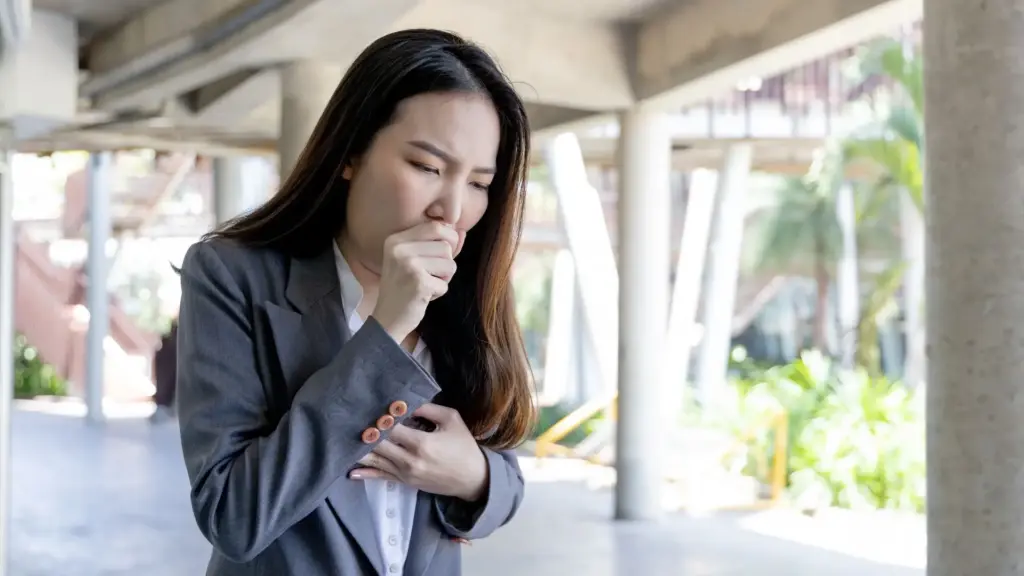
According to the U.S. EPA’s hazard summary for methyl methacrylate, acute exposure can cause chest tightness, shortness of breath (the medical term is dyspnea), coughing, wheezing, and reduced peak airflow.
As MMA vapor irritates the entire respiratory tract (from your nose down into your lungs) most people who are exposed to low levels will feel a nagging cough or a tight chest that won’t quite clear. But the California Department of Public Health’s advisory on this incident warns that higher exposure can cause severe shortness of breath and even fluid buildup in the lungs (pulmonary edema), which is a medical emergency.
Why it matters: Respiratory symptoms can worsen instead of fading. As one Orange County fire official put it during the crisis, the chemical can start off as a mild irritant but progress to the point of requiring hospitalization. If your breathing feels worse today than it did yesterday, that’s your signal to get checked.
2. Eye, Nose, and Throat Irritation

If your eyes have been burning, your throat feels scratchy, or your nose won’t stop running since the spill, that’s not a coincidence. MMA is a known irritant to the eyes, nose, and mucous membranes.
Worker studies summarized in peer-reviewed toxicology research consistently reported irritation of the eyes, nose, and upper respiratory tract after short-term exposure spikes, exactly the kind of exposure a community near a vapor release can experience.
Why it matters: These symptoms are usually mild and pass on their own, but they’re also proof that you were exposed. If you’re experiencing them, write down when they started, because that documentation matters both for your health and, if it comes to it, for any claim down the road.
3. Headaches, Dizziness, and That “Foggy” Feeling

A lot of people in the evacuation zone reported feeling lightheaded, headachy, or strangely tired during the worst of it and chalked it up to stress. Stress was probably part of it, but MMA may have been part of it too.
The EPA documents that acute exposure has caused neurological symptoms in humans including headache, lethargy, lightheadedness, and a sensation of heaviness in the arms and legs. The CBC’s reporting on the chemical, citing the EPA, noted the same cluster: headaches, lethargy, and lightheadedness from inhalation.
Why it matters: It’s easy to dismiss these as the byproduct of a stressful week. But if the fog doesn’t lift after you’ve been back home and rested, it’s worth mentioning to a doctor and noting that you were in the exposure zone.
4. Skin Irritation, Rashes, and Itching

MMA doesn’t just affect what you breathe. It irritates skin on contact, and for some people it triggers an allergic reaction. The CDPH advisory lists itching, burning, redness, swelling, and cracking of the skin among the contact symptoms.
There’s also a large body of medical literature documenting contact dermatitis from MMA, most of it from dental and medical workers, describing rashes, redness, small blisters, and swelling after skin contact with the chemical.
Why it matters: Here’s the part most people don’t know. MMA is a skin sensitizer, which means once your body develops an allergy to it, even tiny future exposures can set off a reaction. A rash now isn’t just a rash now. It can be the start of a longer-term sensitivity. Take a photo of any skin reaction and get it documented.
5. Nausea, Stomach Upset, and Loss of Appetite

One of the least talked about symptoms, exposure to MMA fumes can leave you feeling queasy. The CDPH advisory specifically names vomiting as a symptom that should prompt a visit to a medical professional.
Meanwhile, other sources tie MMA exposure to nausea and, with heavier exposure, gastrointestinal upset and loss of appetite.
Why it matters: Nausea after a chemical release is your body telling you something. On its own it might be minor, but combined with a headache or breathing trouble, it paints a clearer picture of exposure that a doctor should hear about.
What Happens if You Don’t Get Treated
For most people with mild irritation, symptoms fade on their own once they’re away from the source, but ignoring symptoms that are getting worse is where people get into trouble. Untreated, escalating respiratory symptoms can progress toward serious breathing complication.
From a practical standpoint, an exposure you never had documented becomes much harder to connect to the spill later, if you develop a health issue or need to seek compensation. If a symptom is severe, getting worse, or just not going away, see a doctor and tell them that you were in the Garden Grove evacuation zone and may have been exposed to methyl methacrylate.
What to Do if You or Your Family Were Exposed
If you developed any of these symptoms after the Garden Grove chemical spill, take these steps:
- Get medical care for anything severe or worsening, and keep copies of every record, diagnosis, and bill.
- Write down your timeline: when symptoms started, where you were, and how long you were in the area.
- Photograph visible symptoms like rashes, redness, or swelling.
- Save your exposure-related expenses, from urgent care visits to prescriptions.
- Don’t sign anything from GKN Aerospace or its insurers before talking to an attorney.
Exposed to Toxic Chemicals? Call WCTL Today

A potential chemical release that forces 50,000 people from their homes isn’t something residents should have to deal with on their own. If you or a loved one experienced symptoms of methyl methacrylate exposure after the Garden Grove incident, you may have the right to recover the cost of your medical care and more. Our team at West Coast Trial Lawyers can walk you through your options at no cost.
Learn more on our Garden Grove chemical spill lawyer page, or call us at (213) 927-3700.