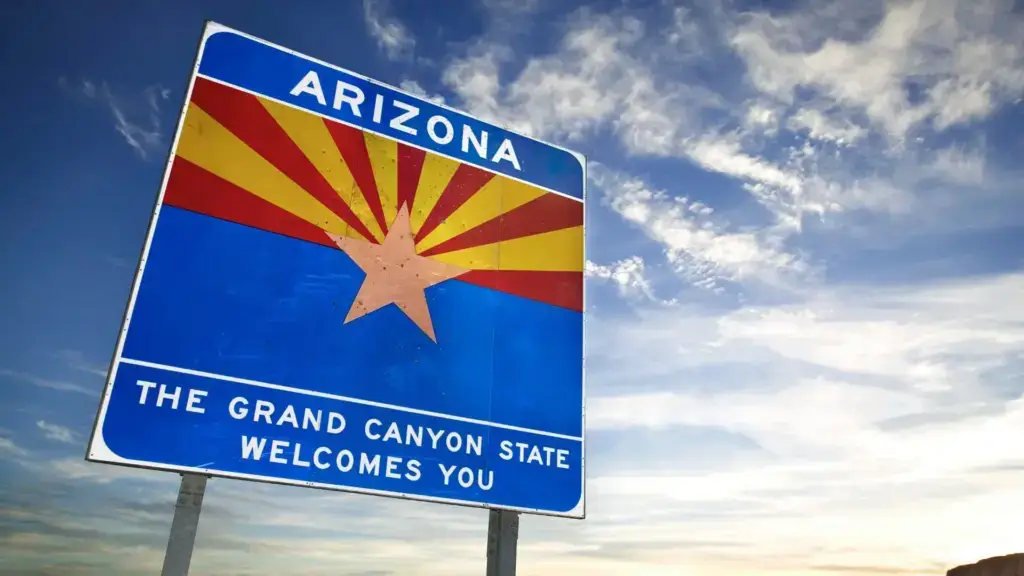
Arizona isn’t just updating its traffic laws in 2026, it’s rewriting the rulebook in ways that could affect anyone who drives on state roads, whether you’re a Phoenix commuter, a Tucson resident, or just passing through on a road trip.
From speed-limiting devices for reckless drivers to a controversial proposal that would create America’s first “unlimited speed” highway zones, and a major crackdown on jaywalking in the state’s largest city, 2026 is shaping up to be a pivotal year for Arizona traffic law.
Here’s what you need to know about the biggest changes and what they could mean for your wallet, your driving record, and your safety.
1. Speed-Inhibiting Devices for Reckless Drivers (HB 2417)
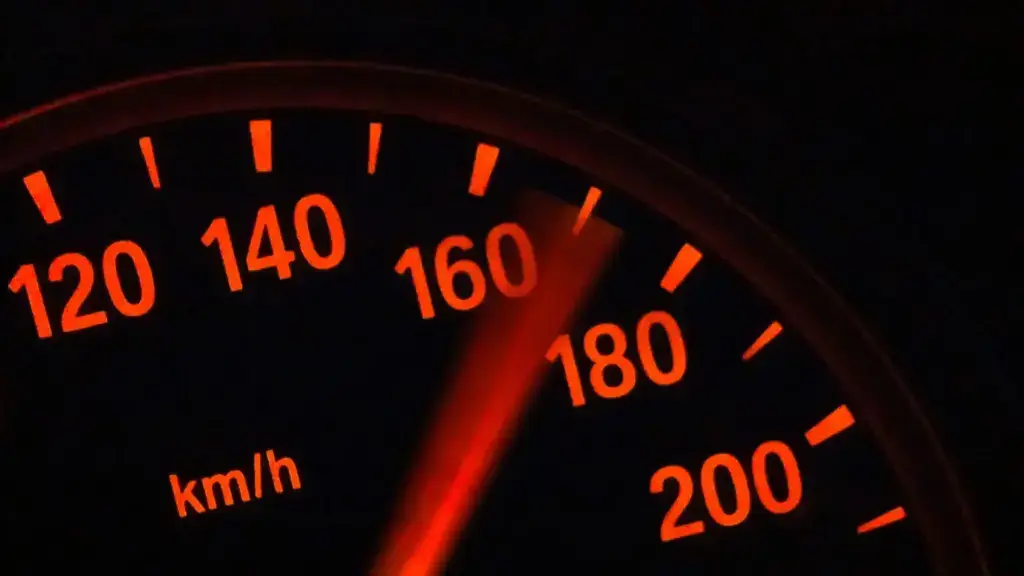
Previously, any convictions for reckless driving, aggressive driving, or highway racing would automatically result in license suspension. However, House Bill 2417 would give drivers facing license suspension an alternative option to install a GPS-based speed-limiting device that prevents your vehicle from exceeding posted limits.
Should drivers accept the device, it would cost approximately $4/day plus installation fees and if they do not wish to accept the device, they can reject the device, but would be forced to accept license suspension instead.
As speeding accidents contributed to roughly one-third of Arizona’s traffic fatalities in 2024 (417 deaths), outpacing even alcohol-related crashes, the state is taking more proactive measures to lower the chances of fatal speeding related accident among those who consistently ignore the law.
Similar programs already exist in Washington, Virginia, and Washington D.C and while the bill failed on the House floor last session (24-30) after opposition from the Arizona Freedom Caucus, who called it “potentially nanny-state legislation”, it’s status is currently pending and it must pass both chambers before reaching Gov. Katie Hobbs.
2, Phoenix Cracks Down on Jaywalking (City Ordinance 36-128)

Starting January 17, 2026, Phoenix police can issue citations to pedestrians illegally crossing or stopping in the street on first contact. Under the updated City Ordinance 36-128, officers no longer need to give warnings first, though they retain discretion based on circumstances.
This new law is the result of a consistent wave of pedestrian accidents throughout city, because Phoenix currently ranks fourth worst in the country for pedestrian fatalities. The city is pairing stricter enforcement with $5.6 million in infrastructure improvements, including 10 new pedestrian-activated crosswalks in high-traffic areas and jaywalking fines ranging from $75 to $150.
This crackdown matters for drivers too, because if you’re involved in a pedestrian accident in Arizona, whether the pedestrian was jaywalking can significantly affect liability. Arizona’s pure comparative negligence system means fault is apportioned between parties and a jaywalking pedestrian may bear some responsibility for their injuries.
3. The RAPID Act: America’s First “Unlimited Speed” Highway Zones? (HB 2059)

Perhaps the most attention-grabbing proposal of 2026 is House Bill 2059 (the Reasonable and Prudent Interstate Driving (RAPID) Act) which would create highway segments with no daytime speed limit for non-commercial vehicles.
If passed, Arizona would become the only state in America with designated stretches of interstate where there is no maximum speed. The bill calls for a one-year pilot on a section of Interstate 8 between Casa Grande and Yuma, which would mean a long, straight stretch through the Sonoran Desert with light traffic. If successful, ADOT could designate additional segments.
How the Derestricted Zones Would Work
Under HB 2059, ADOT could designate qualifying rural interstate segments as “derestricted speed zones” where:
- No maximum speed limit applies during daylight hours (from 30 minutes before sunrise to 30 minutes after sunset)
- An 80 mph limit applies at night
- Commercial vehicles (trucks, buses) remain capped at existing limits regardless of time
This is not a blanket removal of speed limits, as Rep. Nick Kupper (R), the bill’s sponsor, points to Montana’s “Reasonable and Prudent” era and Germany’s Autobahn as proof that derestricted highways can work safely, noting that most drivers naturally stay around 77 mph regardless of posted limits.
If HB 2059 passes, derestricted zones would only apply to specific rural interstate segments, not urban freeways. “Reasonable and prudent” still applies, meaning you can’t drive 150 mph just because there’s no posted limit. And if you’re in an accident at extreme speed, expect your insurer to scrutinize the circumstances closely.
4. DUI Updates: What’s Changing in 2026

Arizona already has some of the strictest DUI laws in the country, with mandatory jail time even for first offenses. Effective September 26, 2025, Arizona law now allows defendants to complete evidence-based psychotherapy as an alternative pathway to reinstate their driver’s license after a DUI conviction.
Under A.R.S. 28-1381(I)(6), psychotherapy joins alcohol or drug screening, education, and treatment programs as qualifying pathways to license reinstatement. This gives judges and defendants more flexibility in addressing the underlying issues that contribute to impaired driving.
Increased Penalties for High-Speed Corridor Violations
According to nationwide traffic law updates, Arizona, Nevada, and New Mexico have all increased penalties for high-speed corridor violations in 2026. While specific details vary by state and jurisdiction, this trend reflects a broader push to curb dangerous driving on major interstates, particularly in areas where crashes tend to be more severe due to speed. Understanding Arizona’s car accident laws is essential if you’re involved in a collision on these high-speed corridors.
How These Changes Affect Different Drivers
If you live in Phoenix, Tucson, or elsewhere in Arizona, these changes will directly impact your daily driving:
- Commuters: The speed-inhibiting device option (if HB 2417 passes) could be a lifeline if you’re facing license suspension for a speeding-related offense
- Pedestrians in Phoenix: Use crosswalks — the warning era is over
- Anyone with a lead foot: The RAPID Act could legalize what some drivers already do on empty stretches of I-8 and I-10, but violations in other areas may carry stiffer penalties
However, if you’re passing through Arizona on a road trip or visiting for business it is vital that you:
- Watch for speed-limit changes: If derestricted zones are implemented, signage will indicate where limits apply and don’t
- Don’t assume Phoenix is pedestrian-friendly: It ranks among the most dangerous major cities for pedestrians, stay in crosswalks
- DUI laws apply to everyone: Arizona doesn’t give visitors a break. One night of poor judgment can mean jail time before you leave the state.
What Happens If You’re Injured in an Accident Under These New Laws
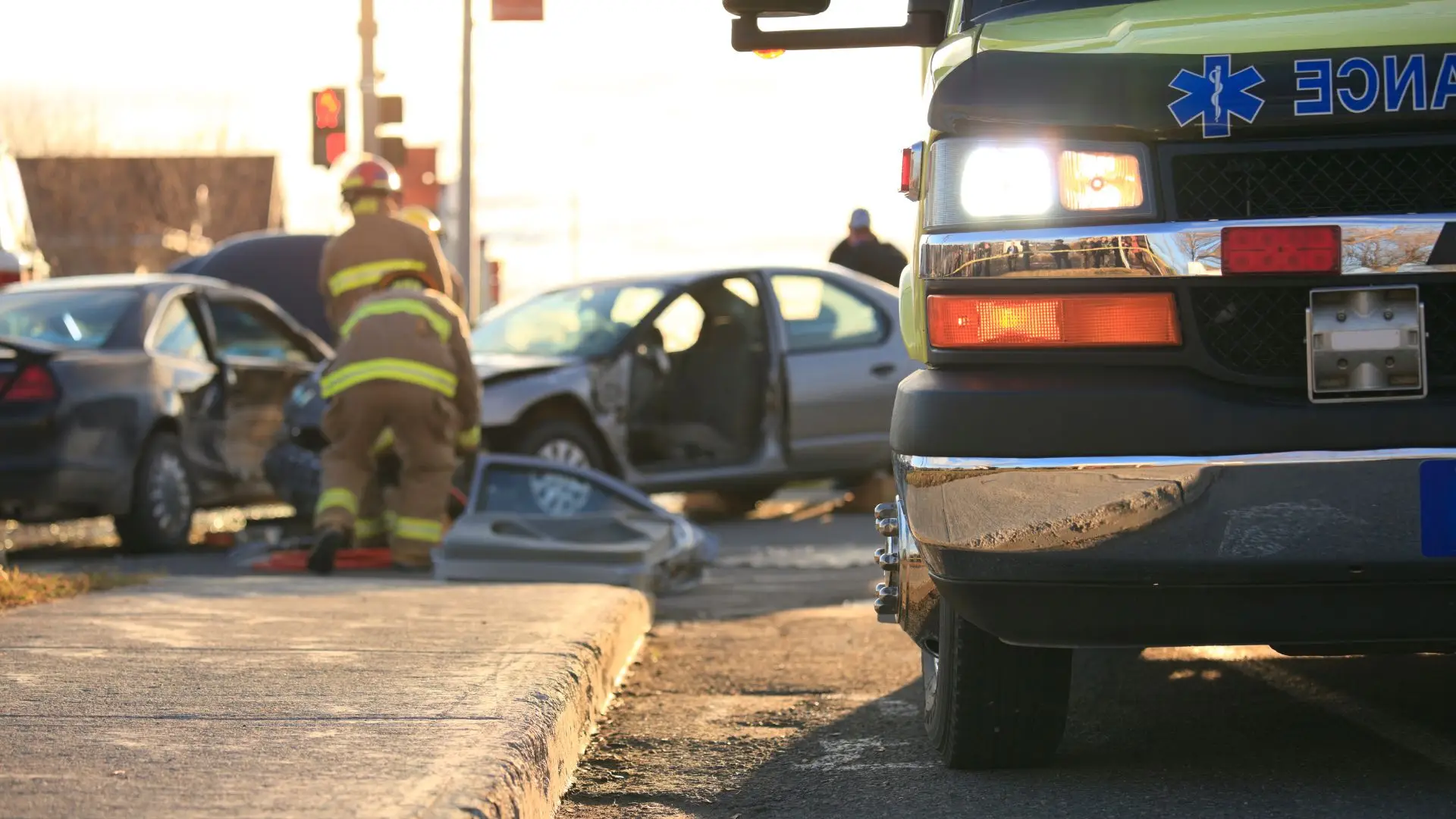
Arizona’s changing traffic landscape creates new questions about liability when accidents happen.
Accidents Involving Speed-Limiting Devices
If a driver with a court-ordered speed inhibitor is involved in an accident, the presence (and proper function) of that device becomes relevant evidence. Did it malfunction? Did the driver tamper with it? These questions could affect both criminal charges and civil liability.
Pedestrian Accidents After the Jaywalking Crackdown
The jaywalking enforcement shift doesn’t change Arizona’s comparative negligence rules, but it does create clearer documentation of pedestrian violations. If you’re hit by a car while jaywalking and police are citing more violations, there’s a better paper trail establishing the circumstances.
For injured pedestrians, this makes it even more important to work with an experienced Arizona personal injury attorney who understands how to navigate comparative fault arguments.
High-Speed Crashes in Derestricted Zones
If the RAPID Act passes and accidents occur in derestricted zones, liability questions become complex:
- Was the speed “reasonable and prudent” under the conditions?
- Did the vehicle meet safety standards for high-speed travel?
- Were there temporary hazards (weather, construction, debris) that the driver should have adjusted for?
Insurance companies will scrutinize these factors closely, and crash victims may face arguments that they assumed additional risk by driving in a derestricted zone. Accidents at high speeds often result in catastrophic injuries, including traumatic brain injuries that require extensive medical care and long-term rehabilitation.
Protect Yourself on Arizona Roads with WCTL

Whether you’re navigating new enforcement policies in Phoenix, considering your options after a speeding conviction, or simply trying to understand what’s legal on Arizona’s highways in 2026, knowledge is your best protection. But when accidents happen and with these major changes, they will, you need experienced representation that understands Arizona law.
At West Coast Trial Lawyers, our Arizona accident attorneys have helped thousands of injury victims recover compensation after car accidents, motorcycle crashes, and pedestrian collisions. We’ve recovered over $1.7 billion for our clients nationwide, and our founding partner Neama Rahmani — a Harvard Law graduate and former federal prosecutor — is licensed to practice in Arizona.
You talk to a real attorney from your first call. No call centers, no paralegals handling your case. And you pay nothing unless we win.
Injured in an Arizona accident? Call (213) 927-3700 or fill out our online contact form for a free consultation.