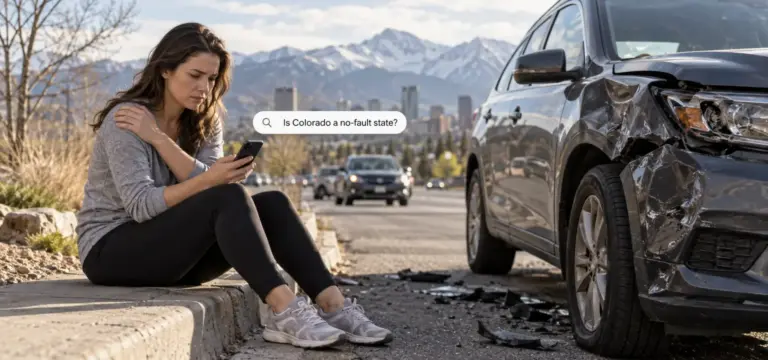
If your car breaks down on the freeway or you are trying to get from one place to another on foot, you might wonder: is it illegal to walk on the highway? Many people assume that walking on a highway is always illegal, but the truth is more nuanced, because it depends on the type of roadway, the surrounding conditions, and the specific laws of the state where the incident occurs.
In many situations, pedestrians are allowed to walk along certain roadways, but access to high-speed roads like freeways and interstates is often restricted or outright prohibited. Understanding these distinctions is especially important if an accident occurs, because the legality of where a pedestrian was walking can significantly impact liability and the ability to recover compensation.
When Is It Illegal to Walk on a Highway?

Walking on a highway becomes generally illegal when the road is classified as a controlled-access highway, such as a freeway or interstate, or when there are clear signs prohibiting pedestrian access. These roads are specifically designed for uninterrupted, high-speed vehicle travel, which makes pedestrian presence extremely dangerous. Laws in most states recognize this risk and allow transportation authorities to restrict pedestrian use in these areas.
In addition to roadway type, legality can also depend on behavior. For example, even on roads where walking is generally allowed, a pedestrian may still be acting unlawfully if they interfere with traffic, walk in an unsafe manner, or fail to follow basic right-of-way rules. As a result, the legality of walking on a highway is not just about where you are, but also how you are behaving.
Is It Illegal to Walk on the Highway in California?

In California, pedestrian access to highways is governed by California Vehicle Code § 21960. Under this law:
- Pedestrians are prohibited from walking along or upon a freeway where official signs prohibit pedestrian use.
- The restriction applies to main travel lanes and often shoulders.
- On-ramps and off-ramps are commonly restricted as well.
If signs are posted and you enter anyway, it can result in an infraction. However, not every highway is automatically off-limits. The prohibition depends on whether the roadway is designated as a controlled-access freeway and properly posted.
California also distinguishes between freeways and other highways. If you are unsure about the difference, our guide on what’s the difference between a highway and a freeway explains how the classification affects legal access.
Is It Illegal to Walk on the Highway in Other States?

Arizona
In Arizona, pedestrian rules are governed by Title 28 of the Arizona Revised Statutes. Under A.R.S. § 28-793, pedestrians are required to use sidewalks when they are available, and under A.R.S. § 28-796, pedestrians must yield to vehicles when crossing outside of crosswalks.
Arizona law is particularly clear when it comes to controlled-access highways, where pedestrians are generally prohibited unless expressly authorized. This makes Arizona somewhat stricter than California in its treatment of freeway access, leaving little ambiguity about whether pedestrians are allowed in those areas.
Nevada
In Nevada, pedestrian laws are primarily found in Chapter 484B of the Nevada Revised Statutes. These laws emphasize that pedestrians must use sidewalks when they are available and must yield the right-of-way to vehicles when crossing outside of marked crosswalks.
While Nevada law does not always explicitly list every restricted roadway, controlled-access highways such as interstates are generally considered off-limits to pedestrians due to safety concerns and posted restrictions. The overall approach in Nevada places a strong emphasis on ensuring that pedestrians do not interfere with the normal flow of traffic.
Washington
In Washington, pedestrian conduct is governed by Chapter 46.61 of the Revised Code of Washington. RCW 46.61.250 requires pedestrians to use sidewalks where they are available, while RCW 46.61.255 mandates that pedestrians walk on the left side of the roadway facing traffic when sidewalks are absent.
Similar to the other states discussed, Washington typically prohibits pedestrians on freeways and other limited-access highways, unless specific permission is granted. Washington law stands out for clearly codifying the requirement that pedestrians face traffic, reinforcing the importance of visibility and safety.
What If Your Car Breaks Down?

Breakdowns are one of the most common reasons people end up walking near a highway. The law does not punish someone who exits their disabled vehicle for safety reasons. In fact, remaining inside a disabled vehicle in active traffic can be more dangerous.
If your vehicle stalls or becomes unsafe, pulling over properly matters. We discuss common safety mistakes in car stalling on highways and why visibility and positioning can reduce risk.
In these situations, walking along the shoulder to reach a call box or safer area may not result in citation, especially if done out of necessity. But stepping into active lanes of traffic remains unlawful and extremely dangerous.
What Are the Penalties for Walking on the Highway?
The penalties for walking on a highway depend on the specific law that was violated and the state in which the incident occurred, but they are generally treated as infractions or misdemeanor-level offenses rather than serious crimes. In many cases, a pedestrian who violates highway restrictions such as walking on a prohibited freeway may receive a citation and be required to pay a fine.
For example, in California, violating pedestrian provisions such as those outlined in California Vehicle Code § 21960 can result in a traffic infraction, which typically carries a fine that may exceed one hundred dollars after fees and assessments are added. Similarly, failing to follow pedestrian rules regarding roadway use or right-of-way can also result in citations under related Vehicle Code sections.
In states like Nevada, Arizona, and Washington, penalties are generally comparable and may include fines or citations for violating pedestrian statutes. While these penalties may seem minor, they can become legally significant if an accident occurs, because a violation may be used as evidence of negligence in a personal injury claim.
In more serious situations such as when a pedestrian’s actions cause a traffic hazard or contribute to a collision, additional legal consequences could arise, particularly if injuries are involved.
What Happens If a Pedestrian Is Hit on the Highway?
This is where things become a legal mess. Even if a pedestrian violated a traffic law, that does not automatically mean a driver is free from responsibility. Some states follows a pure comparative negligence system, which means fault can be shared. Compensation is reduced by percentage of responsibility rather than eliminated entirely.
For example:
- A pedestrian illegally crosses a posted freeway.
- A driver is speeding well above the limit.
- A collision occurs.
Both parties may share fault. A court could assign percentages to each. If the pedestrian suffers serious injury, damages may still be recoverable.
Do Drivers Always Win These Cases?
Not really, drivers owe a duty of care to avoid foreseeable harm, even when others make mistakes. That includes:
- Maintaining proper speed
- Staying alert
- Avoiding distracted driving
- Observing roadway hazards
If a driver could have reasonably avoided the collision, liability may still attach. Police reports are especially important in highway pedestrian cases. Here’s how to obtain one: how to get a copy of a police report.
What If a Person Suffers a Hit-and-Run on a Highway?

A hit-and-run accident on a highway presents a particularly serious legal situation, as drivers are legally required to stop and provide assistance after a collision. Failing to do so is a criminal offense in every state.
In California, for example, Vehicle Code § 20001 makes it a crime to leave the scene of an accident involving injury or death. Depending on the severity of the incident, a hit-and-run can be charged as either a misdemeanor or a felony. Similar laws exist in Nevada, Arizona, and Washington, all of which impose strict penalties on drivers who flee the scene.
Even if the driver is not immediately identified, injured pedestrians may be able to file a claim through their own uninsured motorist (UM) coverage or pursue other legal avenues once the driver is located. Importantly, even if a pedestrian was walking on a highway where restrictions applied, they may still be entitled to compensation if the driver acted negligently or unlawfully fled the scene.
What To Do If You Have Been Hurt Walking on a Highway?
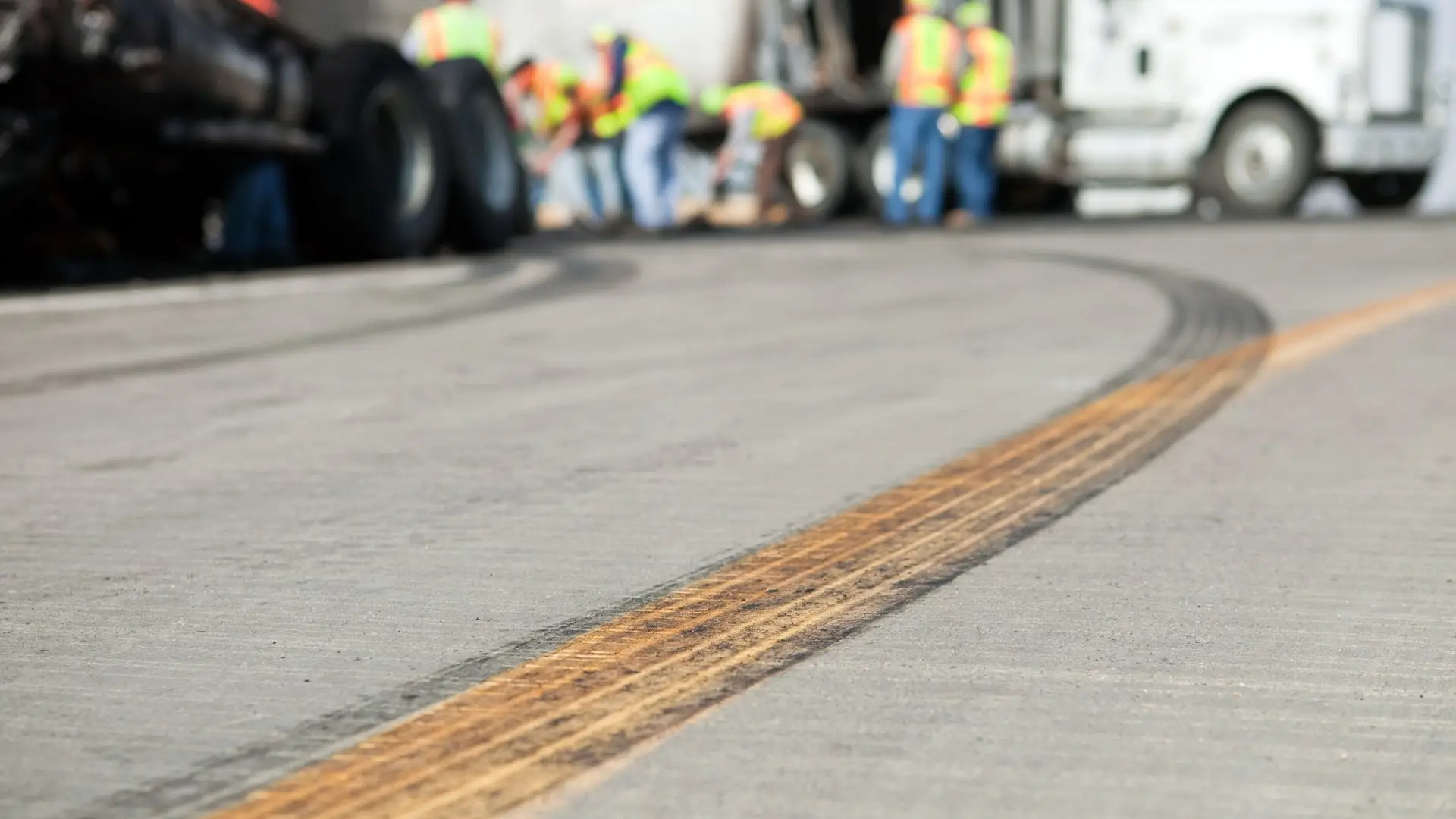
Walking on a highway is not always illegal, but it is heavily regulated and often restricted, particularly on freeways and interstates. While pedestrians are generally permitted to walk along non-freeway roads under certain conditions, they must follow strict safety rules and remain aware of their surroundings.
Across states like California, Nevada, Arizona, and Washington, the law consistently prioritizes safety by limiting pedestrian access to high-speed roadways. If you or someone you know has been injured while walking on a highway, understanding these laws is essential to protecting your legal rights and determining your next steps.
If you were injured while walking on or near a highway, call West Coast Trial Lawyers at (213) 927-3700 or fill out our form to talk with an experienced attorney for free.