
Commercial truck accident cases can be more complex than car accident claims because they tend to involve multiple potentially responsible parties, trucking regulations, and extensive electronic and company records.
Such collisions can also leave victims with catastrophic injuries, long recoveries, or, in more serious cases, death, ultimately leading to lasting consequences for a loved one. Understanding how these factors affect a claim can help affected parties know what evidence to gather, which deadlines to consider, and what legal issues may arise.
How Long Do You Have to Report or File a Truck Accident Claim in California?
California has a two-year statute of limitations for truck accident claims and this deadline applies to personal injury lawsuits and wrongful death cases. Failing to pursue legal action within this given time frame can affect your ability to pursue compensation.
California law requires a traffic accident report to be filed within 10 days if there are injuries or significant property damage. The state mandates that if property damage exceeds $1,000, DMV reporting is required. These reporting requirements are separate from the deadline for filing a civil claim.
And if the truck was owned or operated by a city, county, or state government, stricter rules will apply. Under the California Government Claims Act (Cal. Gov. Code §§ 911.2, 945.4), you will have to file a formal administrative claim against the responsible government entity within six months of the accident before you can pursue a lawsuit in court.
What Are the Common Injuries Caused by Truck Accidents?
Common truck accident injuries include whiplash and fractures. These arise when the force of a collision triggers the body to jolt suddenly or when occupants are hit by debris or other parts of the vehicle. The intensity of the harm incurred can depend on the circumstances of the crash, such as the vehicle’s size, speed, and point of impact.
- Spinal injuries are frequent in truck accidents. Damage done to this area can range from strains and herniated discs to more serious issues that may require ongoing care and rehabilitation.
- Traumatic brain injuries (TBI) can occur in truck accidents. This happens when the head hits an object or when the force of a collision triggers the brain to move within the skull.
- Severe burns can result from truck accidents involving explosions.
- Internal organ damage is a serious risk in truck collisions. Since some may not be immediately apparent shortly after the incident, immediate medical evaluation may be needed to diagnose a possible condition early.
Why Can a Truck Accident Have More Than One Responsible Party?
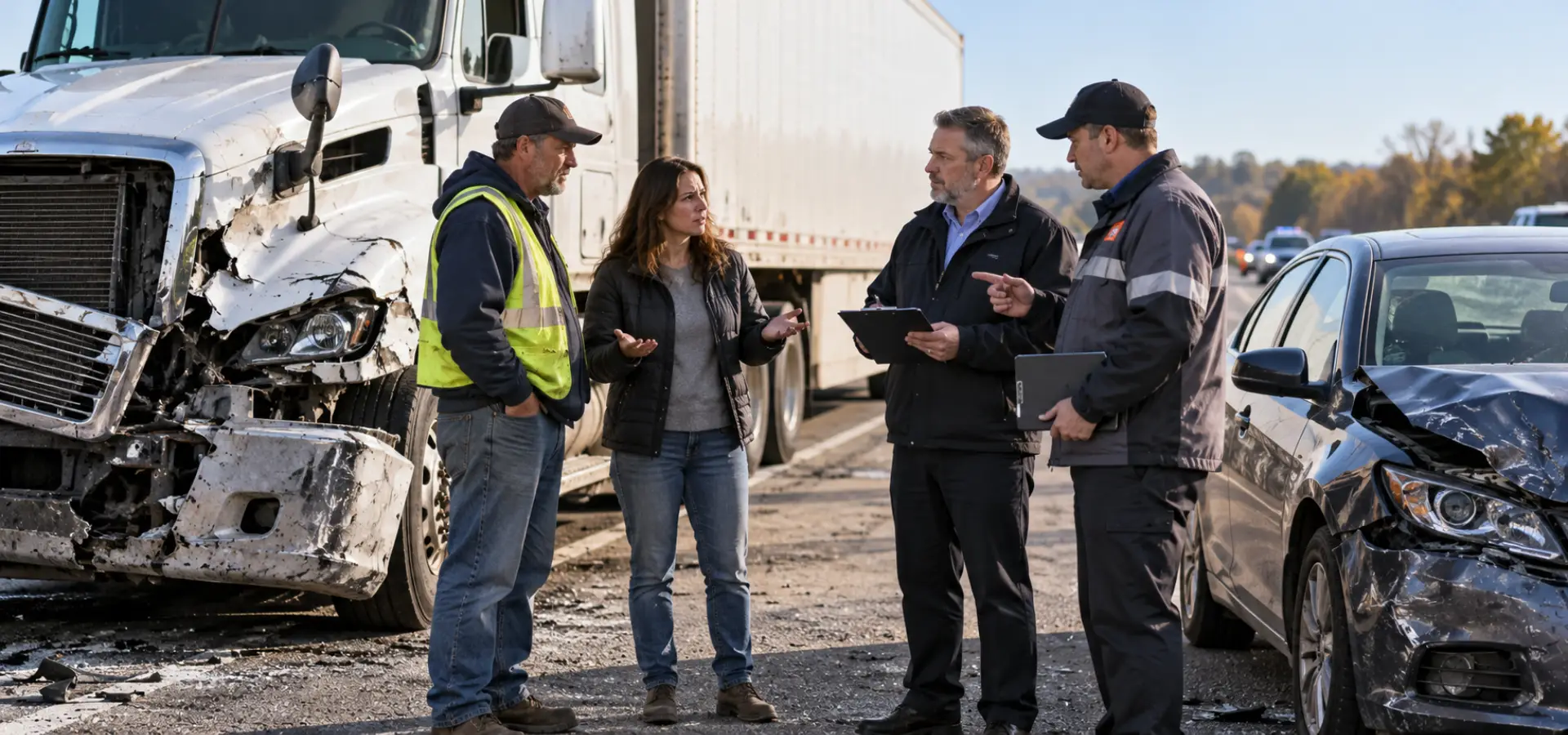
Truck accidents can involve multiple parties, especially when factors, such as driver conduct, vehicle maintenance, or cargo handling contribute to a crash. Identifying every at fault party can help clarify liability and determine how the accident occurred.
Driver
A truck driver may be responsible for a crash when distracted driving, driver fatigue, aggressive driving, speeding, DUI, or texting tampers with their ability to operate the vehicle safely. A driver’s judgment and decisions behind the wheel can be critical when determining what led to the impact.
Motor Carrier
A trucking company may share accountability when it fails to follow federal regulations or maintain proper safety practices involving semi-trucks, tractor-trailers, 18-wheelers, delivery trucks, box trucks, dump trucks, tow trucks, tanker trucks, or flatbed trucks. For example, a motor carrier may be liable when a failure to properly train, supervise, or monitor a driver causes the crash or when unsafe practices are committed by the company.
Tractor or Trailer Owner
The owner of the tractor or trailer may have responsibility when issues involving the vehicle’s weight or condition contribute to a crash. This can be important with big rigs, whose massive size can increase the consequences of the impact.
Maintenance Contractor
A maintenance contractor may be involved when improper servicing or repair creates risk on the road. The contractor’s limitations, including whether required work was properly performed or identified, may be considered when investigating the cause of a truck accident.
Cargo Loader or Shipper When Relevant
A cargo loader or shipper may be held liable when improperly secured or distributed loads trigger a truck accident. Investigators may examine these factors to determine whether cargo handling played a critical role in the crash.
Manufacturer or Other Third Party
A manufacturer or another third party may share fault when a defective component or other outside conduct triggers a truck accident. The specific fault of each party must be evaluated based on the evidence presented and the circumstances surrounding the incident.
Which Federal Trucking Rules Can Matter After a Crash?
Federal trucking rules can provide critical information when determining whether a driver or trucking company followed safety standards. After a crash, certain records and requirements may help identify what happened and whether any violations contributed to the collision.
Hours-of-Service and ELD Records
Hours-of-service rules limit how long commercial drivers can operate before taking rest periods. Driver logs and electronic logging device (ELD) records can show how long a driver was on active duty and whether required breaks were taken. These records may be important when driver fatigue is a concern tied to the crash.
Driver Qualification and Carrier Records
Driver qualification and carrier records have information about a driver’s ability to safely use a commercial vehicle. They may include licensing, training, driving history, and other qualifications. Reviewing these records can help identify concerns about whether the driver was actually qualified for the job.
Inspection and Maintenance Requirements
Commercial vehicles are subject to inspection and maintenance requirements designed to address critical safety issues. Records may show whether the truck received inspections, repairs, and maintenance before the incident. This information can help determine whether a mechanical problem or maintenance failure triggered the outcome.
Cargo Securement Where Relevant
Federal rules address how cargo must be loaded and secured before a commercial vehicle is present in traffic. Improperly secured cargo can shift, fall, or affect the vehicle’s handling. When cargo may have contributed to a crash, loading records in addition to other evidence can help determine whether the applicable requirements were followed.
Why Is Truck Accident Evidence Different From Ordinary Car Crash Evidence?
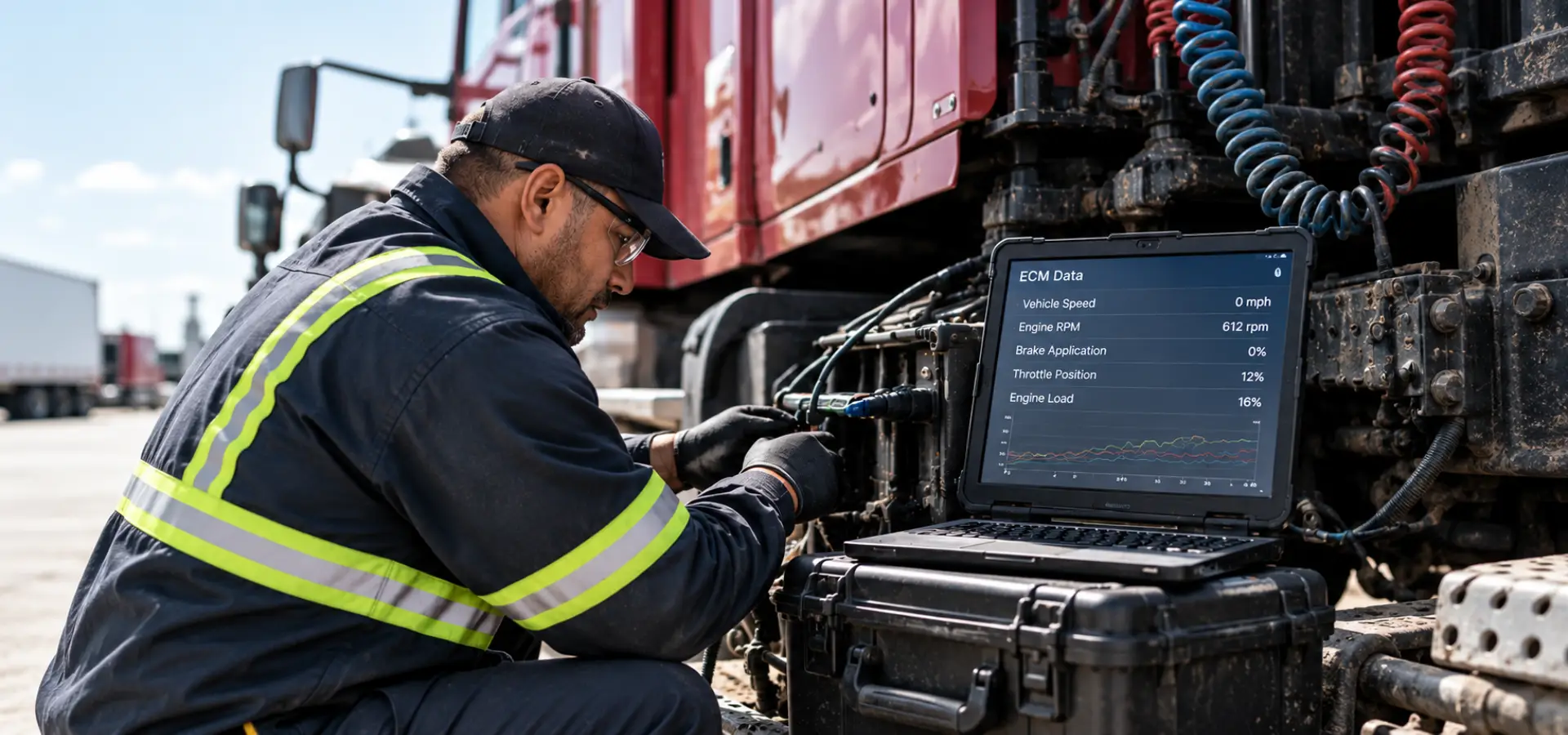
Truck accident cases can involve more evidence than an ordinary car crash because commercial vehicles are often subject to additional recordkeeping and monitoring requirements. Electronic data, company records, and vehicle information may help show what happened before, during, and after the truck accident. Looking into these records can be important when figuring out what led to the crash and who the at fault parties are.
ELD and Hours Records
ELD and hours records can show how long a truck driver was operating the vehicle and whether required rest periods were followed. These details may help establish whether driving hours accurately reflect the individual’s activity before the crash. They can also provide information relevant to possible driver fatigue.
Engine/Event Data and Telematics
Engine and event data may get information about the truck shortly before, during, or immediately after a collision. Depending on the system, this can include speed, braking, acceleration, or other vehicle activity at the moment of impact. This information may help investigators piece together what happened.
Dispatch, GPS, Camera, and Maintenance Records
Dispatch records, GPS data, camera footage, and maintenance records can provide important details about the truck’s movements and condition. Such details may show where the vehicle traveled, what happened before the crash, or whether maintenance issues were present. These can essentially help establish a well-constructed timeline of the accident.
Carrier and Employment Documents
Carrier and employment documents may have information about the driver and the company involved in the incident. These records can include training materials, employment records, disciplinary history, and other details. Based on the factors involved, they may help identify issues involving the driver or other parties who took part in the accident.
How Do Commercial Insurance Issues Make Truck Claims More Complicated?
Commercial truck claims can involve multiple layers of insurance coverage depending on the parties involved and the circumstances of the accident.
- Primary Auto Coverage: Gives the initial layer of liability coverage for a commercial vehicle and may respond first when a covered accident takes place.
- Excess and Umbrella Policies: This provides additional coverage after applicable primary policy limits have been surpassed or exhausted.
- Cargo and Trailer Policies: Provides coverage for freight, cargo, or trailer-related losses based on the policy and factors involved.
These overlapping insurance policies can make a truck accident case more difficult when different companies and insurance adjusters are involved. Shippers, brokers, and maintenance contractors may have their own insurance arrangements, leading to more questions about which insurer should respond to a specific loss tied to the incident. When parties dispute fault or coverage, negotiations made over compensation may take a while and can involve multiple insurers fighting over responsibility before there is a collective deal made.
What If the Truck Was a Delivery, Moving, or Rideshare-Adjacent Vehicle?
If the vehicle involved in the crash is used for delivery, moving services, or rideshare-related work, determining fault will require looking beyond the driver and vehicle owner. The company structure, the driver’s relationship with the business, and the vehicle’s role at the time of the impact can all affect which parties and insurance policies may apply.
- Delivery vehicles: Vehicles operated for companies, such as Amazon, FedEx, UPS, or through delivery platforms may be owned or operated under different business arrangements. The driver may be a company employee, an independent contractor, or part of a separate delivery service, all of which can affect figuring out liability and the applicable insurance coverage.
- Moving trucks: A rented moving truck may involve the renter’s insurance and any coverage purchased with the rental whereas an accident involving a professional moving company may consist of the company’s commercial insurance and applicable transportation requirements.
- Rideshare-adjacent vehicles: Insurance coverage can depend on what the driver was doing moments before the crash. Whether they were logged into the platform, waiting for a request, traveling to pick up a passenger or delivery, or actively transporting someone or something may affect which coverage will apply.
What Should You Do After a Commercial Truck Accident?
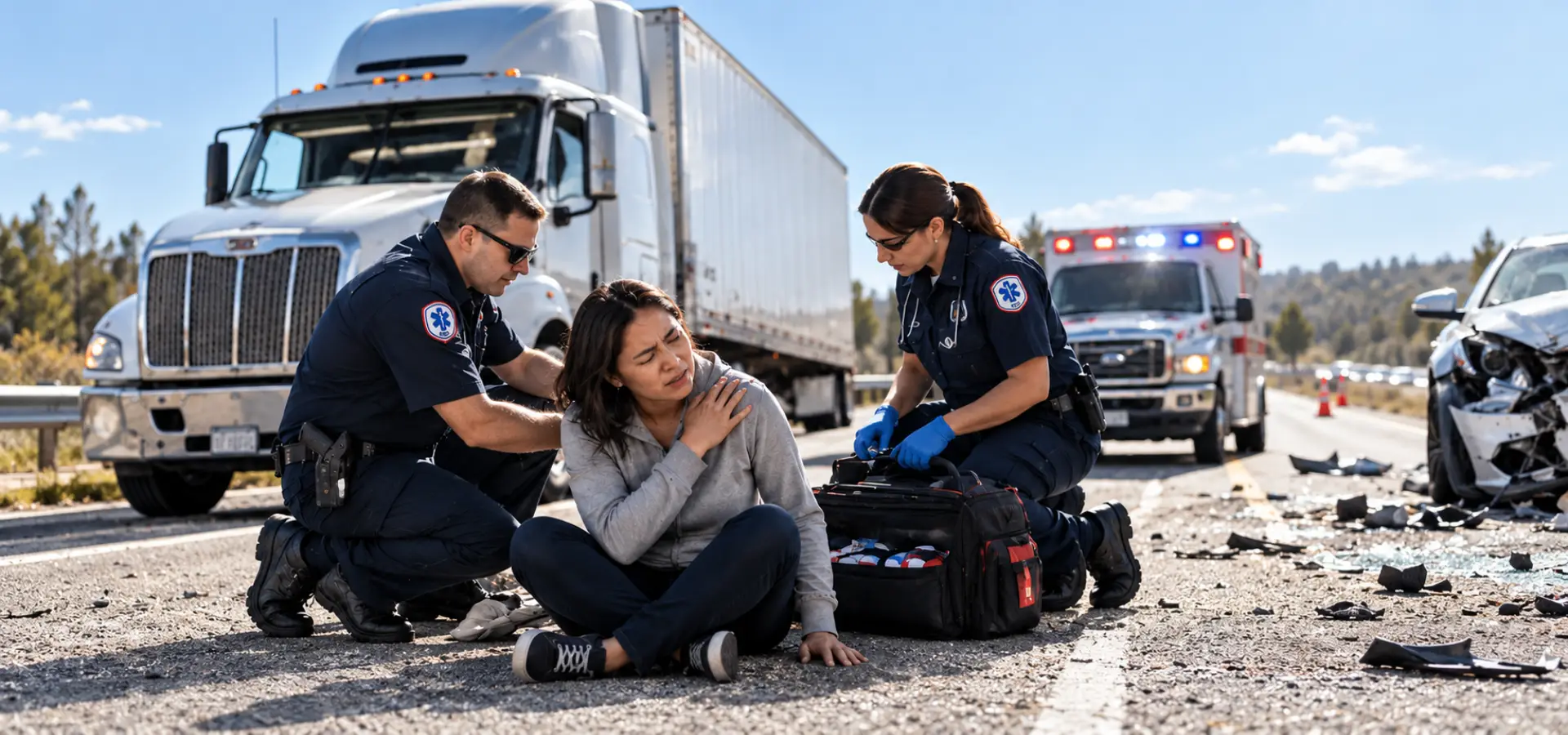
After a commercial truck accident, call 911 to report the accident immediately, get medical attention even if injuries seem minor, and collect important evidence. Move away from traffic when possible, turn on your hazard lights, and contact emergency services so responders can assist and document the incident.
If you are able to, try to respond to questions from emergency personnel and gather and exchange information with other parties involved. Consider speaking with a California truck accident attorney who can help you understand the legal process and ensure your claim is properly addressed.
What Electronic Data Can Prove in a Truck Accident?
Electronic data from a commercial truck can provide evidence about what happened before, during, and after a crash. Depending on the system, this information may show vehicle speed, acceleration, braking, driver inputs, and system status. The National Highway Traffic Safety Administration (NHTSA) explains that Event Data Recorders (EDRs) may get pre-crash vehicle dynamics, driver inputs, crash information, and restraint-system status.
Different electronic systems can provide unique pieces of information. Electronic Logging Devices (ELDs) record information, such as driving time, duty status, engine hours, vehicle miles, and certain location details, making them useful when examining hours-of-service compliance or possible driver fatigue. EDRs and other vehicle systems may provide information about vehicle dynamics and driver actions surrounding a collision, while GPS, telematics, and camera systems may give additional specifics about the truck’s location, route, or activity.
This data can be compared with the scene, vehicle damage, witness statements, and police report to help determine what actually happened. Because electronic records vary by vehicle and system, investigators must determine what information was actually recorded and kept. Lead evidence from these records can help provide a better understanding of how the crash happened and whether factors such as speeding, braking, driver activity, or hours-of-service compliance may have played a critical role.
How We Can Help With Your Truck Accident Case

Truck accident cases can involve multiple parties, insurance police, and sources of evidence that may not be presented in a standard car crash. At West Coast Trial Lawyers, our California truck accident attorneys help clients investigate the factors surrounding a collision, identify potential at fault parties, review available trucking and electronic records, and address communications with insurance companies. We can also help assess the extent of your injuries and losses while working to get evidence that may help strengthen your claim.
If you were injured in a commercial truck accident, get in touch with our firm today to go over what happened and learn about your rights. To book a FREE consultation, we invite you to connect with us by calling (213) 927-3700 or completing our quick online contact form.
With law offices scattered throughout California, our team is readily available to help personal injury victims understand their legal options and pursue the justice and compensation they deserve.