Imagine being injured in an accident and finding out weeks later that important evidence that could help prove your case has already been erased. As unfortunate as that may be, important evidence disappearing or being deleted is more common than many people realize.
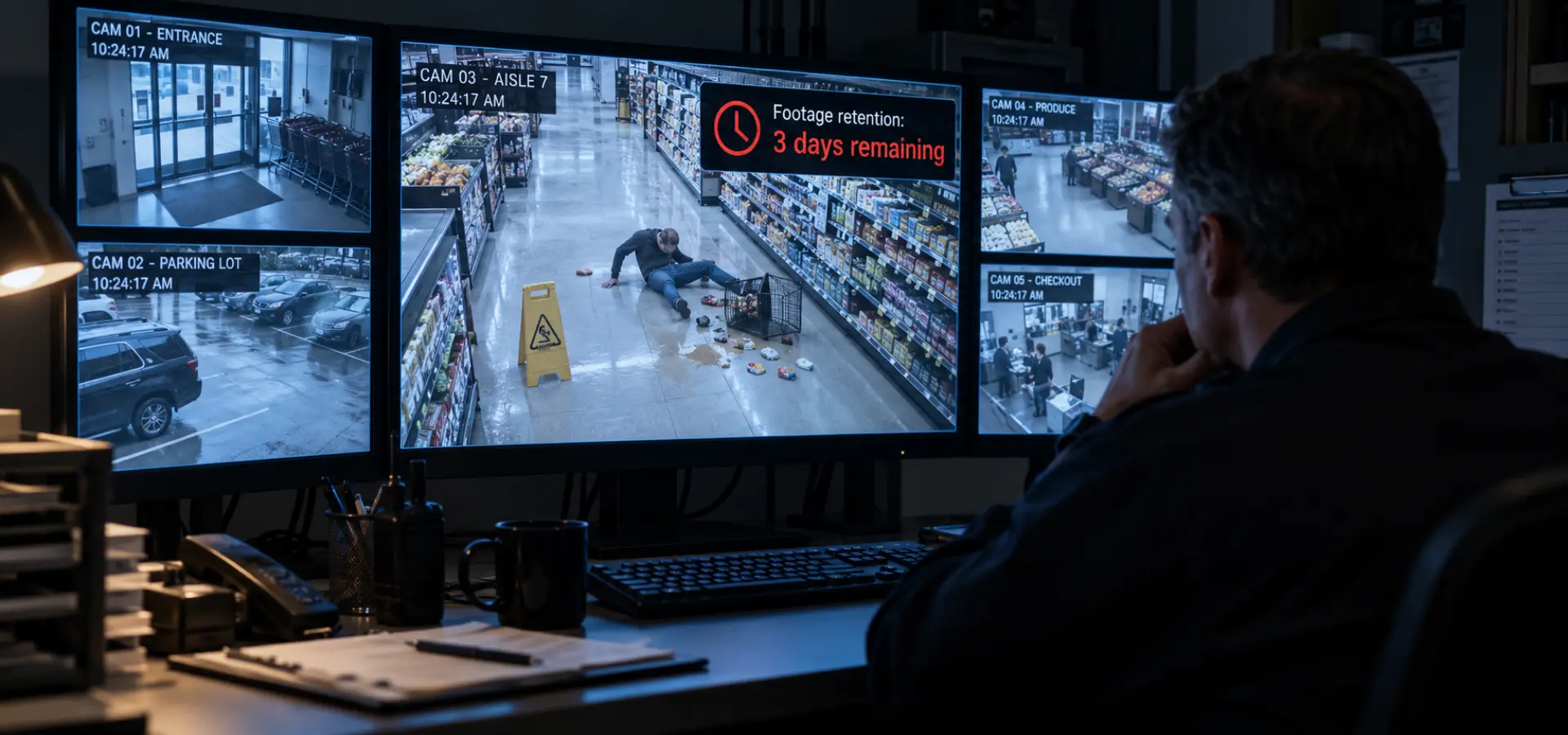
Whether you have been involved in a car accident or a slip and fall accident at a mall, surveillance systems can overwrite old footage, businesses may discard records, and electronic data can be deleted as part of normal operations. It does not always happen because someone is trying to hide something, but once important evidence is gone, proving what happened can become much more difficult.
That is where a spoliation letter, also known as an evidence preservation letter, comes in. It formally notifies the other party that certain evidence must be preserved because it may be relevant to a personal injury claim. While it may seem like a small procedural step, sending one early can make the difference between having the evidence needed to prove a case and losing it forever.
Understanding Spoliation Letters

“Spoliation” is the legal term for destroying, altering, or failing to preserve evidence that’s relevant to a lawsuit. A spoliation letter, also called a preservation letter, evidence preservation letter, or litigation hold letter, is a written notice telling someone that they have evidence related to a claim and that they need to keep it.
The letter usually:
- Identifies the incident by date, time, and location
- Explains that a claim or lawsuit is expected
- Lists the specific evidence that must be preserved
- Covers both physical items and electronic data
- Warns that destroying or altering the evidence may lead to legal consequences
It isn’t a court order, and it doesn’t force anyone to hand anything over yet, but what it does is take away the excuse that someone didn’t know to preserve certain evidence. Once a person or company has received a clear written notice that specific evidence matters to a pending claim, it’s very hard for them to later say they didn’t know they were supposed to keep it.
When Does the Duty to Preserve Evidence Begin?
The legal duty to preserve evidence generally starts when a party knows, or reasonably should know, that litigation is likely and in some cases that’s the day of the accident. For example, a trucking company whose driver just caused a serious crash should expect a claim but “reasonably should know” leaves room for argument, and companies argue about it all the time.
A spoliation letter removes the argument and it creates a dated record showing exactly when the other side was put on notice. However, the clock on a lot of evidence is short, for instgance:
- Many business security systems record over themselves within days or weeks.
- Commercial trucking companies generally only have to keep drivers’ hours-of-service records and supporting documents for six months under federal regulations.
- Vehicles get repaired, salvaged, or crushed, which destroys the physical evidence of how the crash happened.
- Electronic data in a car’s event data recorder can be overwritten if the vehicle is driven again.
- Phone records, text messages, and app data can be deleted.
That’s why we try to send preservation letters within days of being hired by our clients, not months.
What a Spoliation Letter Usually Covers
A good letter is specific to the case because a generic list won’t help much. Here’s what we commonly ask parties to keep, depending on the type of claim:
Car and Truck Accidents
- The vehicles themselves, unrepaired.
- Event data recorder (black box) and electronic control module downloads.
- Dashcam and onboard camera video.
- Traffic and surveillance video from nearby businesses.
- Driver logs, GPS and telematics data, dispatch records, and maintenance files for commercial vehicles.
- Cell phone records showing calls or texts around the time of the crash.
- For rideshare crashes, the trip data and driver app records held by Uber or Lyft.
Slip and Fall and Premises Cases
- Surveillance video from before, during, and after the fall.
- Incident reports and employee statements.
- Inspection, cleaning, and maintenance logs.
- The object or condition that caused the fall, like a broken mat, a loose handrail, or a damaged step.
Dog Bites, Product Injuries, and Other Claims
- Animal control and vaccination records.
- The defective product, its packaging, and the receipt.
- Emails, texts, and internal reports about prior complaints.
The letter often goes to more than one party. For example, in a single truck crash, we may send letters to the driver, the trucking company, the company that loaded the cargo, the vehicle owner’s insurance company, the tow yard, and any nearby businesses with cameras.
What Happens if Someone Ignores the Letter
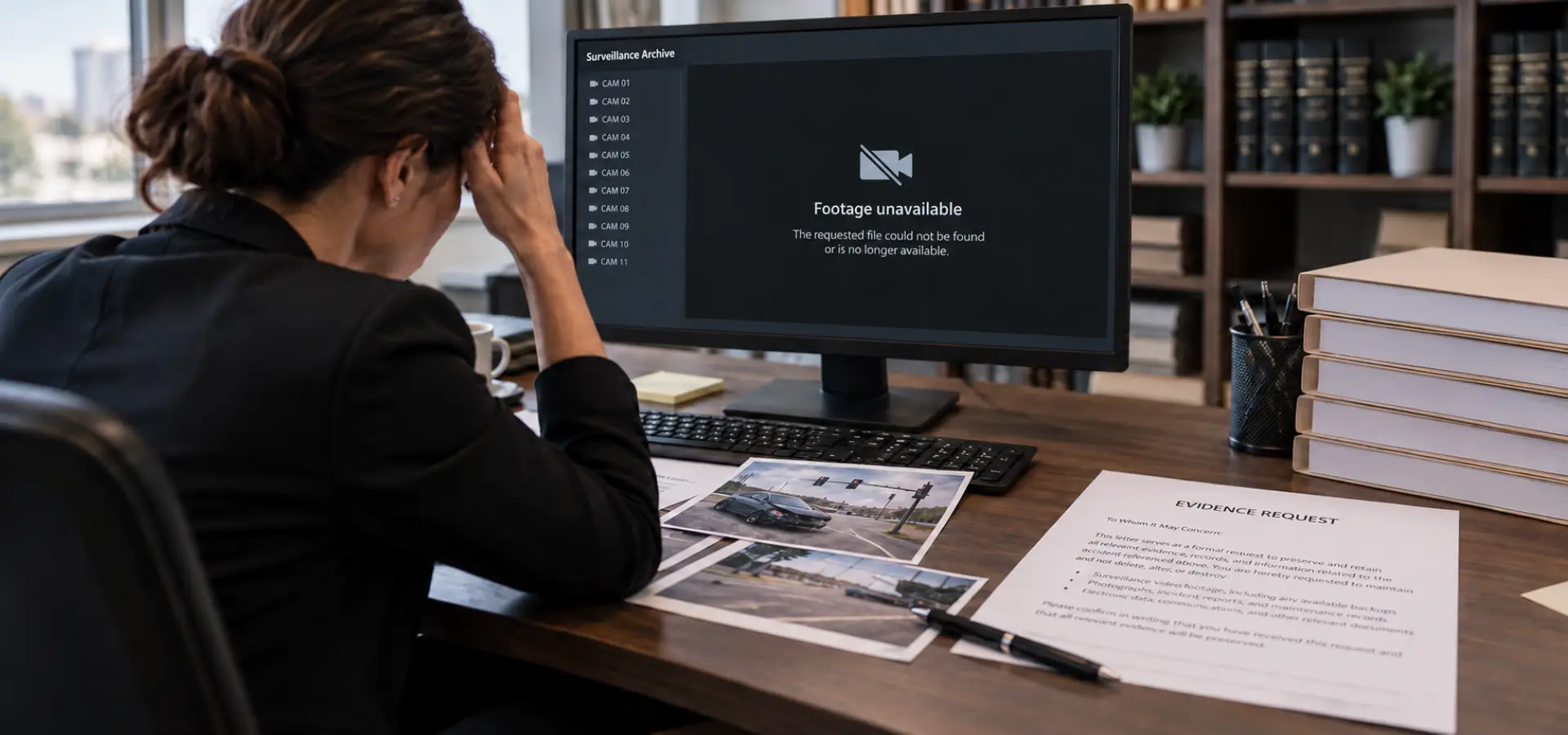
This is where spoliation letters really matter, because if evidence is destroyed after the other side was put on notice, courts have several ways to respond. Which one a judge chooses usually depends on how important the evidence was and why it was lost.
- Adverse inference instructions- The most common remedy, where the judge tells the jury it can assume the destroyed evidence would have been bad for the party that destroyed it. An instruction like that can change the outcome of a close case during trial.
- Evidence and issue sanctions- A court may bar the party that destroyed evidence from offering its own evidence on the same issue, or treat certain facts as established.
- Monetary sanctions- The responsible party may be ordered to pay attorney fees and costs caused by the loss.
- Terminating sanctions- In the most serious cases, a court can strike a defense or enter a default judgment. That’s rare, but it happens when evidence is destroyed deliberately to win the case.
- Criminal penalties- Knowingly destroying evidence to keep it from being used in a legal proceeding is a misdemeanor under each state’s legal code.
In federal court, electronically stored information is handled under Federal Rule of Civil Procedure 37(e). The harshest penalties, like an adverse inference instruction or dismissal, generally require a finding that the party intended to deprive the other side of the information.
How the Rules Differ in the States Where We Practice
Spoliation letters work about the same way everywhere, but what changes from state to state is what a court will do when evidence goes missing. None of the six states below lets you file a separate lawsuit just for spoliation. Instead, the consequences play out inside the injury case itself.
The practical point injury victims should know is that in some states, a court can punish careless loss of evidence, while in others, the bar is higher. A strong, specific spoliation letter makes it much easier to show the other side knew what to keep, which helps in every state.
Do Accident Victims Have to Preserve Evidence as Well?
The duty to preserve evidence applies to injured people too. If you’re hurt in an accident, hold on to:
- Your damaged vehicle, at least until your lawyer says it’s okay to repair or release it.
- Torn or bloody clothing, shoes, and helmets.
- Photos and videos from your phone, even ones you think are unhelpful.
- Texts and messages about the accident.
- Social media posts. Don’t delete them, even if you regret them. Just stop posting about the accident.
Insurance companies send their own preservation demands, and a judge can sanction an injured person who destroys evidence just as easily as a corporation. If you’re unsure whether something matters, keep it and ask your lawyer.
Do You Need a Lawyer to Send One?
Technically, anyone can write a letter asking someone to keep evidence. In practice, a letter from an attorney tends to get taken more seriously and is usually far more complete. Lawyers know which types of data exist in a given case, who holds them, and how long they’re typically kept.
A letter that says “please save all evidence” is much weaker than one that names the truck’s electronic logging device, the dispatcher’s text messages, and the forward-facing camera by date and time. An attorney can also follow up with subpoenas and court orders once a case is filed, which a letter alone can’t do.
The Evidence Clock Started the Day You Got Hurt

Most of the cases we see that went sideways didn’t fall apart in front of a jury. They fell apart in the first few weeks, when nobody asked for the video, nobody told the trucking company to hold its records, and nobody stopped the tow yard from crushing the car. By the time a lawyer got involved, the best evidence was already gone.
When you hire West Coast Trial Lawyers, preserving evidence is one of the first things we do. We figure out who has what, send detailed preservation demands, and follow up until the evidence is secured.
If you’ve been hurt in an accident and want someone protecting your evidence now, call (213) 927-3700 or reach out online for a free consultation.
You can also meet our attorneys and see who will be working on your case.