Though it may not be the most common outcome, your dog can potentially be put down for biting someone, and all dog owners must understand and possibly prepare for this if they ever find themselves in such a situation.
While euthanasia is usually reserved for more serious situations, it can still happen to due to various factors such as the severity of the injury, the dog’s previous history, and the state’s laws. As much as we love them, dogs are still animals and if they ever behave aggressively and hurt someone, it is important to be ready to have that difficult conversation.
Quick Answer: A Dog Can Be Put Down for Biting Someone
A dog can be put down for biting someone, but not automatically and without process. In fact, a single bite does not necessarily necessarily mean euthanasia is ethically or legally warranted. That outcome depends on the bite severity, the dog’s past behavior, local laws, the owner’s ability to manage their dog, and the professional evaluation from local authorities and veterinarians. As such, it is important to check local rules on how a dog bite is handled before making any assumptions.
Understanding Dog Bites
Not all dog bites are equal, and decisions about a dog’s future should never rest on the word “bite” alone. As the severity of the bite can influence both ethical and legal considerations, it is vital to rely on structured tools and definitions to accurately define what happened. For instance, the Dunbar Dog Bite Scale is widely used to assess the severity of a dog bite.
However, it is important to note that no matter what kind of dog bite incident has occurred, context shapes everything because some dogs may bite because they were provoked while others do so out of protection.
When Can a Dog Be Put Down After Biting Someone?
Whether a dog is euthanized after a bite depends on the facts of the incident, but a dog is more likely to face euthanasia or permanent removal if any of the following things has occurred:
- The bite caused severe injuries or death
- The attack was unprovoked
- The dog has bitten or attacked before
- The dog was already classified as dangerous or vicious
- The owner failed to follow prior safety restrictions
- The dog shows signs of rabies
- The dog cannot be safely confined or handled
- A court or animal control agency determines the dog is a public safety threat
What Is the Difference Between a Dangerous Dog and a Vicious Dog?
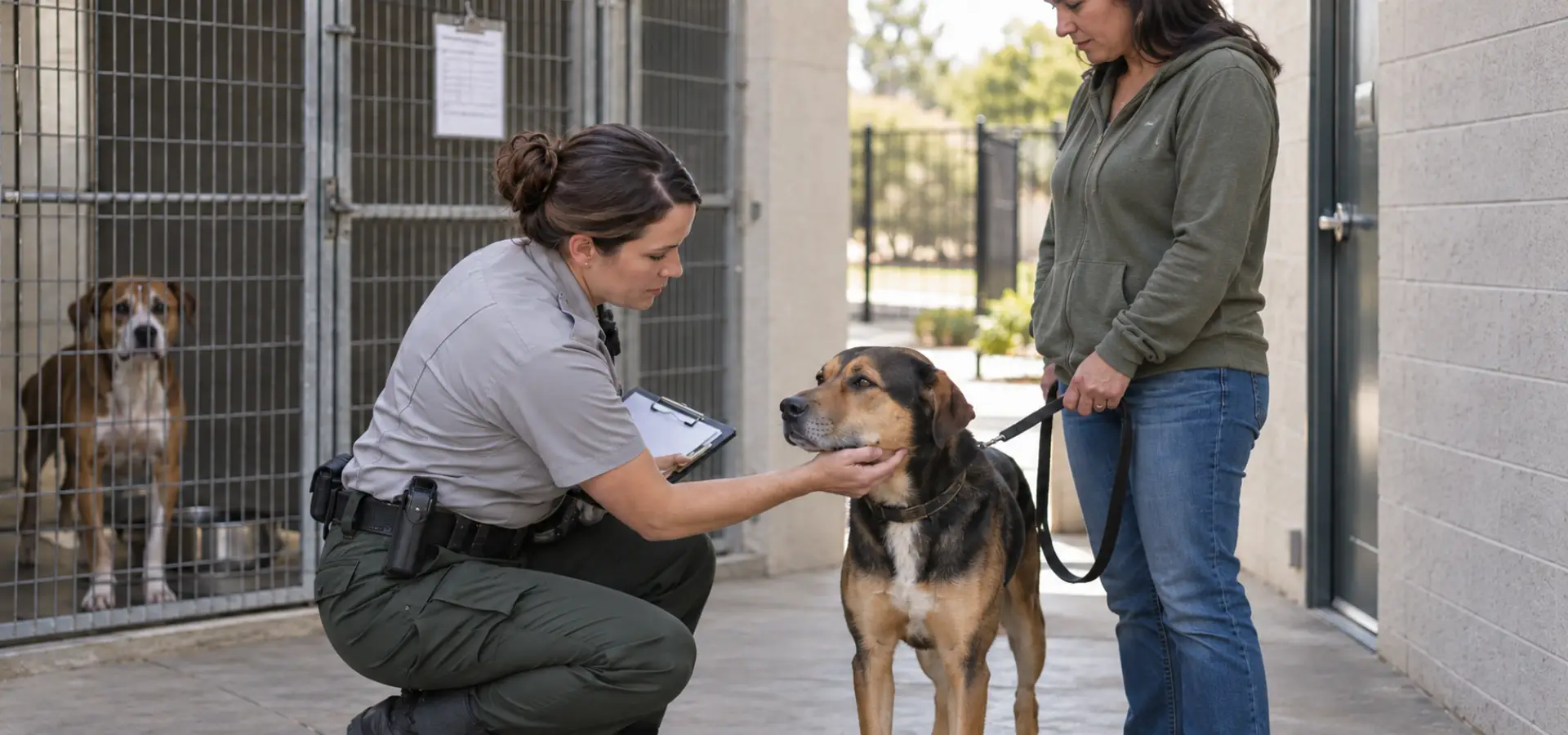
The exact terms will vary by state, but “dangerous” and “vicious” dog classifications usually refer to different levels of risk. For instance, a dog may be considered dangerous if it has bitten someone, acted aggressively without provocation, chased or threatened people, or shown behavior that creates a safety concern. On the other hand, a dog may be considered vicious if it has attacked someone causing severe injury or death, conducting repeated attacks after prior notice, or continued dangerous conduct despite restrictions.
This distinction between the two is important because a dangerous dog can still be taught how to behavior accordingly as opposed to a vicious dog who are extremely difficult to train. For dog bite victims, these classifications matter because they may show prior notice, a history of aggression, or the owner’s failure to control the dog.
State-by-State Dog Bite and Euthanasia Differences
As dog bite laws vary significantly by state, the decision regarding euthanasia will often intersect with local statutes and legal standards regarding the dog’s behavior and aggression. For example, here are several states that outlines their version on how to handle dog bites.
When Does Putting a Dog Down for Biting Become an Option?
Euthanasia may become an option after all reasonably available safety and treatment strategies have been explored and the dog continues to pose a serious danger. It is often served as a last resort, and the criteria that push this decision forward typically include:
- Multiple serious dog bites despite active management and professional intervention
- Unpredictable aggressive behavior with no identifiable triggers
- Escalating dog attacks, progressing from warning nips to severe injuries
- Owners who are unable to provide safe containment due to housing, financial limits, or household composition
- Generalized aggression that extends beyond a single context
Behaviorists often frame the ethical question bluntly: “Would you feel safe if this aggressive dog lived next door to you or your child?” If the honest answer is no, and management has been tried, the conversation about euthanasia becomes unavoidable.
Does the Dog Being Put Down Affect a Dog Bite Claim?
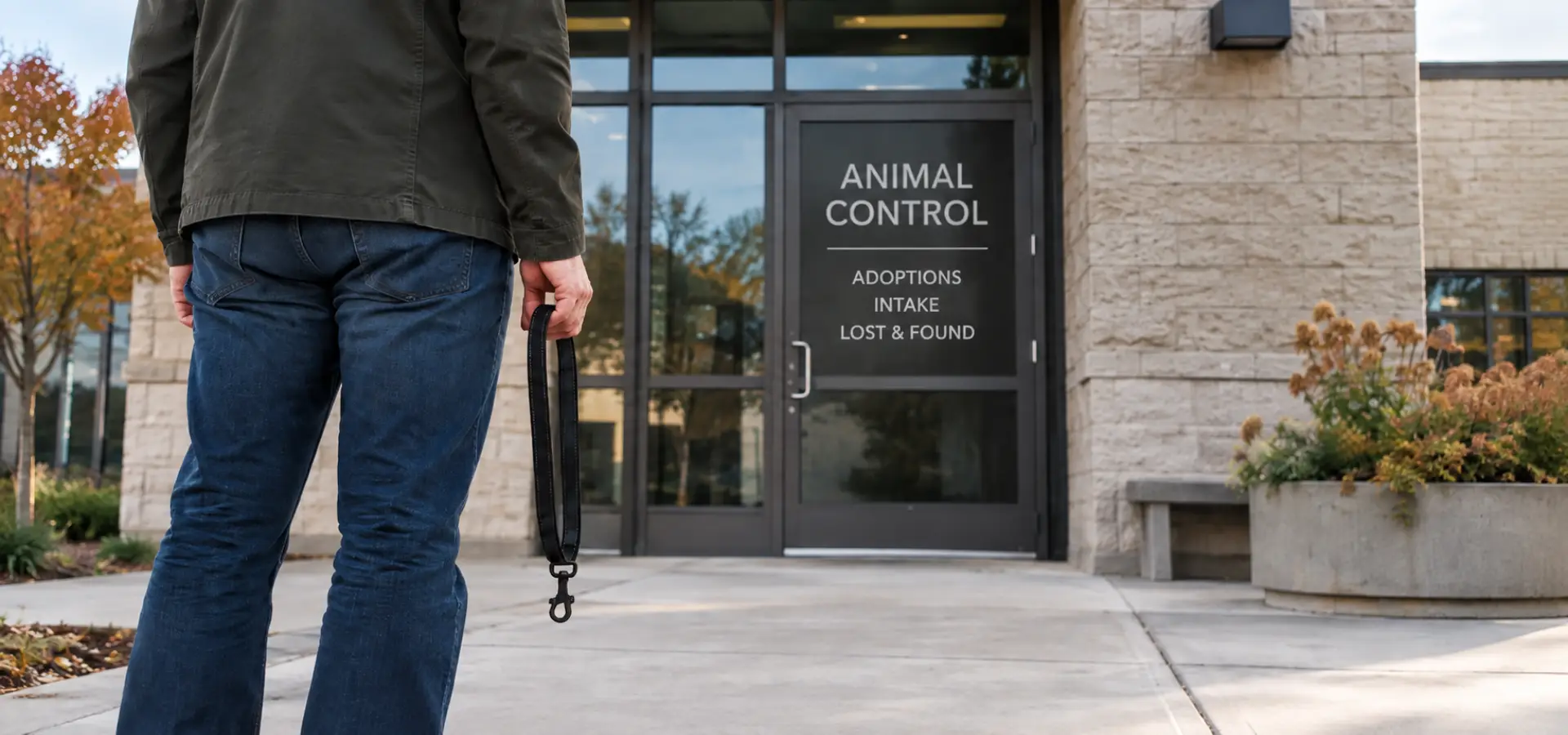
The dog’s fate does not decide whether the victim has a personal injury claim. For example, in California, dog bite liability is controlled by California Civil Code § 3342, which makes a dog owner liable when their dog bites someone in a public place or while the person is lawfully on private property. As a result, the victim does not need to prove that the dog had bitten before or that the owner knew the dog was dangerous.
However, there are defenses and exceptions, because liability may be disputed if the injured person was trespassing, provoking the dog, committing another wrongful act, or if the bite involved a police or military dog being used in official work.
What Compensation Can Dog Bite Victims Recover?
A dog bite injury claim focuses on the harm suffered by the victim, not only what happens to the dog afterward. As dog bite injuries can vary widely in severity, there are numerous types of damages that can be recovered such as any of the following:
- Emergency medical care
- Stitches, surgery, or wound treatment
- Infection treatment
- Rabies-related medical care
- Scar revision or cosmetic treatment
- Physical therapy
- Lost wages
- Reduced earning capacity
- Pain and suffering
- Emotional distress
- Permanent scarring or disfigurement
- Nerve damage or loss of mobility
While personal injury settlement calculators can provide dog bite victims an estimation of what their claim may be worth, discussing the case with an experienced and local dog bite lawyer can provide injury victims more insight to their situation and have a better understanding of what they can recover.
Speak With a Dog Bite Attorney Today

Socializing your dog, training them to obey basic commands, keeping them healthy, and providing them with plenty of exercise can all help prevent dog bites and ultimately avoid your dog being put down. However, dog bites can have serious consequences for both the victim and the dog, so if you or a loved one has been the victim of a dog bite, it is important to understand your legal rights and options.
At West Coast Trial Lawyers, our firm represents dog bite victims in California, Arizona, Nevada, Washington, and Colorado and our team can investigate the nature of the incident and pursue compensation for the harm you suffered.
To discuss your case, call (213) 927-3700 or complete our online contact form to speak with an experienced dog bite attorney.