California has changed how certain medical expenses can be recovered after an Uber or Lyft accident. On June 25, 2026, Governor Gavin Newsom signed Senate Bill 623 (SB 623), a new rideshare law that changes how lien-based medical treatment is valued in certain personal injury claims arising from accidents on or after January 1, 2027.
Despite early reporting about how the bill could have affected personal injury cases throughout California, SB 623 does not cap standard contingency fees or change the rules for ordinary car accidents. Instead, it primarily affects past medical expenses from lien-based providers in claims against rideshare companies, their subsidiaries, or app-based drivers.
For people injured in Uber and Lyft accidents, that distinction can affect how medical bills are documented, how much of those expenses may be recoverable, and how treatment liens are handled during a personal injury claim.
Quick Answer: What Does California SB 623 Do?
SB 623 changes how certain medical expenses are calculated in California Uber and Lyft accident claims. For accidents occurring on or after January 1, 2027, SB 623 limits recovery for treatment provided on a medical lien to the 70th percentile of billed charges for the same or similar service in the applicable geographic area.
The law also creates new rules for medical liens that are sold or financed, restricts certain financial relationships between personal injury attorneys and medical providers, and strengthens background-check requirements for rideshare drivers.
However, SB 623 does not cap attorney contingency fees, does not apply to ordinary crashes between private motorists, and does not apply to accidents that occur before January 1, 2027.
Why Did California Pass SB 623?

SB 623 emerged from a dispute over two competing California ballot measures involving rideshare companies and personal injury law. According to reporting from the San Francisco Standard, Uber put in about $77.5 million to a proposed ballot measure that would have limited attorney contingency fees to 25% in all automobile accident cases and ultimately affect how injured people could recover medical expenses throughout California.
After learning about this ballot, The Consumer Attorneys of California filed and supported a competing rideshare measure that focused on passenger and driver safety, including stronger background checks and additional reporting requirements that could impact rideshare companies operation standards and incident reporting.
Instead of sending both measures to voters, lawmakers reached a compromise through SB 623 and Governor Newsom signed the bill on June 25, 2026. The final law is substantially narrower than the proposals that preceded it. For an injured person, the most important change involves how lien-based medical bills may be recovered in a rideshare personal injury claim.
How Does SB 623 Change Medical Expenses in Rideshare Accident Claims?
SB 623 limits how much an injured person can recover for past medical expenses when treatment was provided by a lien-based medical provider. Medical liens are commonly used in personal injury cases when a doctor, imaging center, or other medical provider agrees to provide treatment without requiring immediate payment and are expected to be paid from the patient’s eventual settlement or judgment.
Under California Civil Code § 3333.9 (SB 623), the state limits how much an injured person can recover for certain medical bills when their treatment was provided on a medical lien. The limit is based on what other medical providers in the same area typically charge for similar services.
For personal injury claims, the change matters because past medical expenses are one component of an injured person’s damages. When the recoverable amount of those bills is reduced, it can affect the overall damages calculation used during settlement negotiations or litigation.
Why Does SB 623 Focus on Medical Liens?

Medical liens have become an important issue in California personal injury litigation because the amount billed by a lien provider can be different from the amount an insurance company would normally pay for the same treatment.
California courts have already addressed a similar issue involving insured patients. In Howell v. Hamilton Meats & Provisions, the California Supreme Court held that an injured person whose treatment was paid through health insurance cannot recover the higher amount originally billed when the provider accepted a lower amount as payment.
Lien-based treatment operates differently because payment may be delayed until the personal injury case resolves and that option can be important for accident victims who do not have health insurance, have high deductibles, or cannot otherwise obtain necessary treatment while waiting for a claim to settle. As a result, SB 623 places new limits on how those bills may be valued in covered rideshare cases.
What Happens If a Medical Lien Is Sold to Another Company?
If a medical lien is sold to another company, the amount recoverable for that medical expense cannot exceed the amount paid or payable to acquire the lien. For example, if a medical provider issues a $90,000 lien for treatment and later transfers the lien to a financing company for $30,000, under SB 623, the recoverable amount would generally be limited to $30,000 instead of the original $90,000.
The law also makes information about these transactions discoverable during litigation. That means attorneys and insurers may be able to obtain information about how much was paid for the lien and the financial relationships surrounding it. For injured rideshare passengers and drivers, this makes it more important to understand how medical treatment is being billed and whether a lien may later be transferred to another company.
Does SB 623 Change Personal Injury Attorney Fees?
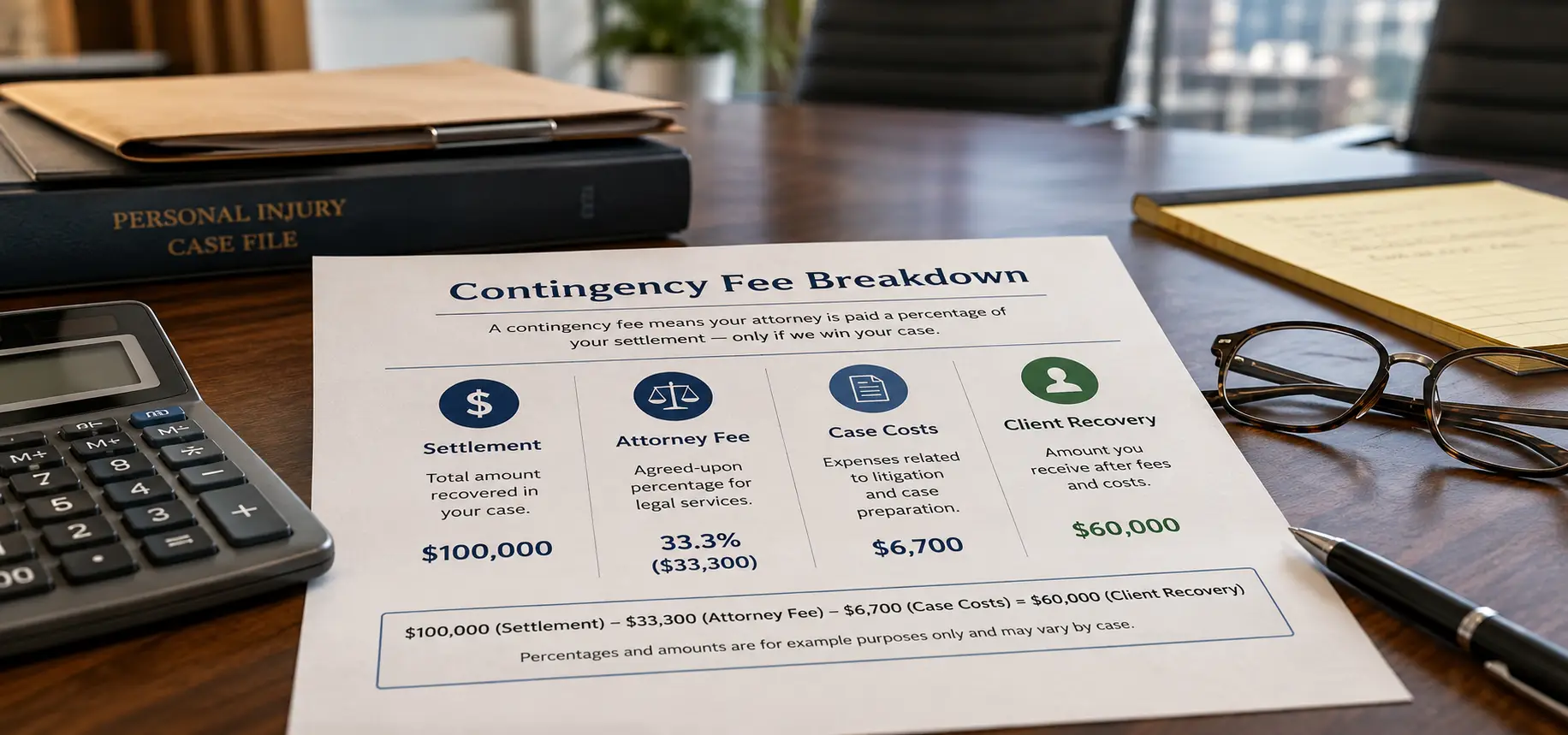
SB 623 does not impose the proposed 25% cap on personal injury attorney fees, because that restriction was part of Uber’s originally proposed ballot initiative and did not become part of the final law. Personal injury firms may therefore continue to handle qualifying cases through standard contingency fee arrangements, where the attorney’s fee is generally based on an agreed percentage of the compensation recovered for the client.
SB 623 does, however, regulate certain relationships between attorneys and lien-based medical providers. For covered claims, attorneys generally cannot:
- Refer clients to medical providers in which the attorney or an immediate family member has a direct ownership interest
- Receive kickbacks, rebates, referral payments, or certain other compensation tied to lien-based treatment
- Pay bonuses or incentives for referrals to lien-based providers
- Charge an additional fee based on negotiating or reducing a client’s medical lien
These provisions are intended to separate medical treatment decisions from improper financial incentives.
Does SB 623 Apply to Every California Car Accident?
The bill does not change the medical-damages rules for ordinary California car accident claims. The new Civil Code provisions apply to covered civil claims, actions, arbitrations, and cases against a rideshare network company, its subsidiary, or an app-based driver arising from an automobile accident.
For example, a collision between two private motorists who were not driving for Uber, Lyft, or another covered rideshare platform would not fall under these SB 623 medical-lien rules. This is one of the biggest differences between the final law and the ballot proposal that preceded it, because the proposed initiative would have changed medical expense and attorney-fee rules for automobile accident cases throughout California.
Does SB 623 Only Affect Uber and Lyft Passengers?

A person does not necessarily have to be sitting inside an Uber or Lyft for SB 623 to become relevant. The law focuses on the claim being brought against the rideshare company, its subsidiary, or an app-based driver, rather than simply whether the injured person was a passenger.
Depending on the circumstances, the law could therefore affect an Uber or Lyft passenger injured during a trip, another motorist struck by an app-based driver, or even a pedestrian injured by an Uber or Lyft driver. Whether SB 623 applies will depend on the circumstances of the accident, the parties involved in the claim, and how the injured person’s medical treatment was billed.
Will SB 623 Affect Medical Treatment?
SB 623 does not prevent injured rideshare accident victims from receiving medical treatment, because it changes how much medical providers can recover when treatment is provided through a medical lien. However, these limits may cause some healthcare providers to become more selective about accepting patients who cannot pay upfront.
Injured victims can still receive treatment through their health insurance or medical liens. SB 623 primarily affects how certain medical expenses are billed and recovered, rather than the type of treatment a patient can receive. These changes apply to covered Uber and Lyft accident claims involving accidents on or after January 1, 2027.
What Rideshare Safety Requirements Does SB 623 Add?
SB 623 includes additional safety requirements for Uber, Lyft, and other transportation network companies. Rideshare companies must conduct criminal background checks before activating a driver’s account and repeat those checks annually and expands the criminal convictions that may prevent someone from driving for a rideshare platform such as DUI, assault, domestic violence, certain weapons charges, and violations of protective orders.
The bill also permits rideshare platforms to allow women passengers and women drivers to indicate a preference to be matched with another woman. These provisions do not determine liability after an ordinary rideshare accident, but they form another part of California’s broader regulation of transportation network companies.
When Does SB 623 Take Effect for Uber and Lyft Accident Claims?

The medical-damages provisions of SB 623 apply to covered automobile accidents occurring on or after January 1, 2027. Which means, if an Uber or Lyft accident happened in 2026, the new SB 623 medical-lien rules do not apply simply because the personal injury claim remains pending in 2027.
For accidents occurring on or after January 1, 2027, however, SB 623 can affect how lien-based medical expenses are documented and recovered. In personal injury cases, the date of the accident is therefore one of the first facts that should be established when determining whether the new law applies.
What Is the Difference Between SB 623 and SB 371?
SB 623 and SB 371 both affect California rideshare accident claims and are commonly mixed up as one another but they address different parts of the case. SB 371 is the first major rideshare bill that took effect in January 1, 2026, and reduced certain uninsured and underinsured motorist coverage requirements for rideshare companies, affecting how much insurance is available when an Uber or Lyft passenger or driver is injured by someone with little or no insurance.
SB 623, by comparison, changes how certain lien-based medical expenses are valued in covered rideshare claims. An injured person could therefore encounter both laws in the same case. For example, someone injured in a 2027 Uber accident involving an underinsured driver could face lower available UM/UIM coverage under SB 371 while having their recoverable medical bills limited if their treatment was provided on a medical lien
That makes identifying available insurance, treatment arrangements, and potential sources of compensation especially important early in a rideshare accident claim.
Can SB 623 Reduce the Value of an Uber or Lyft Accident Claim?

The senate bill can affect the amount recoverable for certain past medical expenses, but SB 623 does not automatically cap the entire value of a rideshare injury claim. SB 623 specifically changes how qualifying past medical expenses from lien-based providers are valued in covered claims and, as a result, its effect on an individual settlement therefore depends on the facts.
Someone whose treatment is primarily handled through health insurance may be affected differently from someone whose medical care is largely provided through liens. As such, it is vital to consult with a California personal injury lawyer who can provide better insight to your situation.
How Can You Protect a Rideshare Accident Claim Under SB 623?
People injured in Uber or Lyft accidents should continue to focus first on receiving appropriate medical care and documenting the collision. However, SB 623 makes several additional details important for accidents occurring on or after January 1, 2027.
- Understand how medical treatment is being billed- Ask whether a provider is billing health insurance or providing treatment through a medical lien. If a lien is involved, review the agreement before signing it.
- Ask questions about lien transfers- If treatment is being provided on a lien, find out whether the provider may sell, finance, or assign that lien. Those transactions can affect the amount recoverable under SB 623.
- Keep complete medical records and bills- Medical expenses must be supported by appropriate documentation. Keep copies of bills, treatment records, referrals, imaging results, and other records connected to the injury.
- Preserve your rideshare records- Screenshots of the trip, driver information, receipts, pickup and drop-off details, and communications through the app can help establish whether the driver was working through a rideshare platform when the accident occurred.
- Identify every available insurance policy- Rideshare accident claims can involve the driver’s insurance, rideshare coverage, UM/UIM coverage, and potentially the injured person’s own policy. The applicable coverage can change depending on what the driver was doing when the collision occurred.
These details can affect both liability and compensation, making early evidence preservation particularly important in a rideshare personal injury case.
Talk to a California Uber and Lyft Accident Lawyer About SB 623

SB 623 changes an important part of California rideshare injury law, but it does not eliminate an accident victim’s right to seek compensation. For accidents beginning January 1, 2027, the law can affect how lien-based past medical expenses are calculated and what information becomes available during litigation.
If you or a loved has been injured in a rideshare accident and need help to navigate through a rideshare claim, a California Uber and Lyft accident lawyer from West Coast Trial Lawyers can determine whether SB 623 applies, review medical lien arrangements, and evaluate the full range of damages caused by the accident.
Call us today at (213) 927-3700 or contact us through our online contact form for a free consultation.
Frequently Asked Questions About California SB 623
Does SB 623 Apply to an Uber Accident That Happened Before 2027?
The medical lien restrictions under SB 623 apply to covered accidents occurring on or after January 1, 2027. If an accident happened in 2026 but the injury claim settles in 2027, the new medical lien limits would not apply.
Does SB 623 Affect Medical Bills Paid Through Health Insurance?
The medical lien restrictions do not apply to treatment provided through private health insurance, Medicare, or Medi-Cal. These healthcare programs have separate reimbursement rules that are not changed by SB 623.
Are Emergency Room Bills Subject to SB 623?
It depends on how the medical treatment was billed, because hospital liens established under California’s Hospital Lien Act are excluded from SB 623’s medical lien restrictions. However, treatment provided through a separate qualifying medical lien arrangement may be subject to the new limits.
Can an Injured Person Recover More Than the Medical Billing Limit for Specialized Treatment?
A California court may allow a higher amount if the injured person provides clear and convincing evidence, supported by expert testimony, that the treatment was exceptionally rare or highly specialized and no reasonably comparable alternative was available.
Does SB 623 Reduce Compensation for Pain and Suffering?
SB 623 does not establish a new limit on pain and suffering damages. Its medical billing restrictions primarily affect the amount recoverable for past medical expenses provided through qualifying liens. Injured victims may still pursue compensation for pain, emotional distress, lost wages, and other recoverable damages.
What Happens If a Medical Provider Charges Less Than the SB 623 Limit?
If a medical provider charges less than the applicable 70th-percentile limit, the injured person cannot recover more than the amount actually billed for that service. The medical expenses must still be reasonable, necessary, and related to the accident to qualify for compensation.
Can Medical Bills Be Challenged for Missing Billing Codes?
SB 623 requires qualifying medical bills to include itemized services and appropriate medical billing codes. If a bill does not meet these requirements, the opposing party may challenge it. The medical provider or party submitting the bill then has 30 days after receiving a qualifying written notice to correct or clarify the information.
Can a Personal Injury Lawyer Charge Extra Fees for Reducing Medical Liens?
Under SB 623, attorneys cannot charge additional contingency fees, administrative fees, or similar fees based on negotiating or reducing a client’s medical lien. However, an attorney may hire a third party to negotiate lien reductions at cost with the client’s consent.