Hitting a pothole can destroy a tire, bend a wheel, throw off your alignment, or damage your suspension in seconds. The frustrating part is that the repair bill is on you right now, even when the road should have been maintained.
So, can you sue your city for pothole damage to your car in California? Sometimes, yes, but it is not as simple as submitting a receipt. Claims against cities, counties, and state agencies have special rules, strict deadlines, and proof requirements.
Important note: West Coast Trial Lawyers handles personal injury cases. We typically only take pothole cases when the pothole caused a crash or injuries, not property damage alone.
Can a City Be Liable for Pothole Damage?
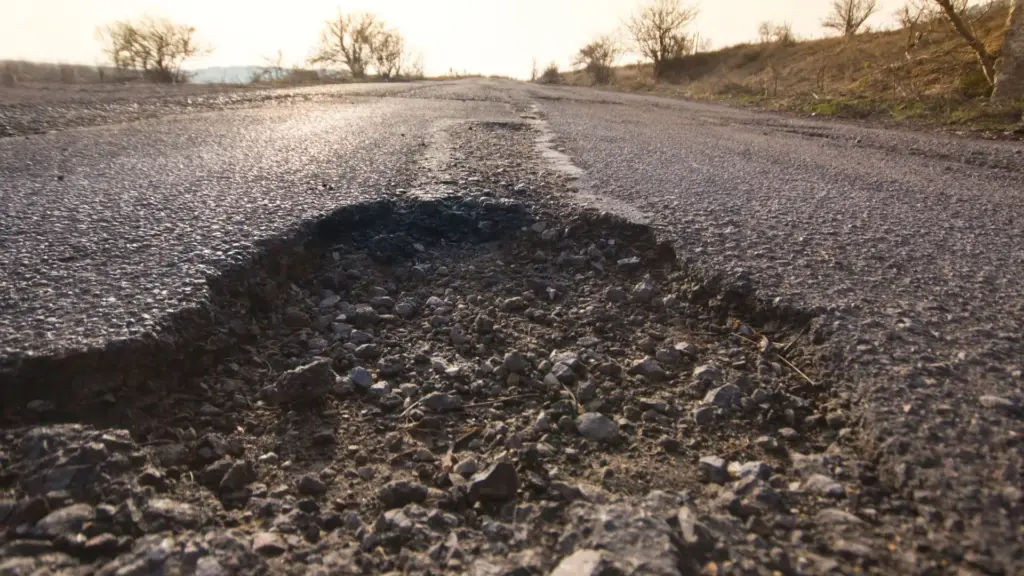
A public entity can be liable when a pothole qualifies as a “dangerous condition”, had notice of it (or should have had notice), and failed to fix it within a reasonable time. This is often litigated under California’s dangerous condition of public property rules, but it is frequently contested under a number of different arguments.
However, one of the most common arguments that is not properly identifying the responsible agency to the pothole. As such, before you do anything else, identify who is responsible for the roadway where you hit the pothole.
If the pothole was found in city streets then the City Public Works department or City Clerk claims unit would be responsible for it, if the pothole was found on county roads then it becomes a county public works problem, and if the pothole was found on a state highways and freeways, then often times Caltrans would become responsible for it.
How Successful Are Pothole Claims?
How Soon Do I Need to File a Pothole Claim?
If you want reimbursement from a government entity, you usually must file an administrative claim first, before you can sue. For claims involving injury to personal property (which includes vehicle damage), California law sets a six-month deadline from the date the claim accrued. As such, it is crucial to file a claim as soon as possible because if you miss that deadline, you will automatically waive your right to recover, even if the pothole was obvious.
What You Must Prove to Get Reimbursed
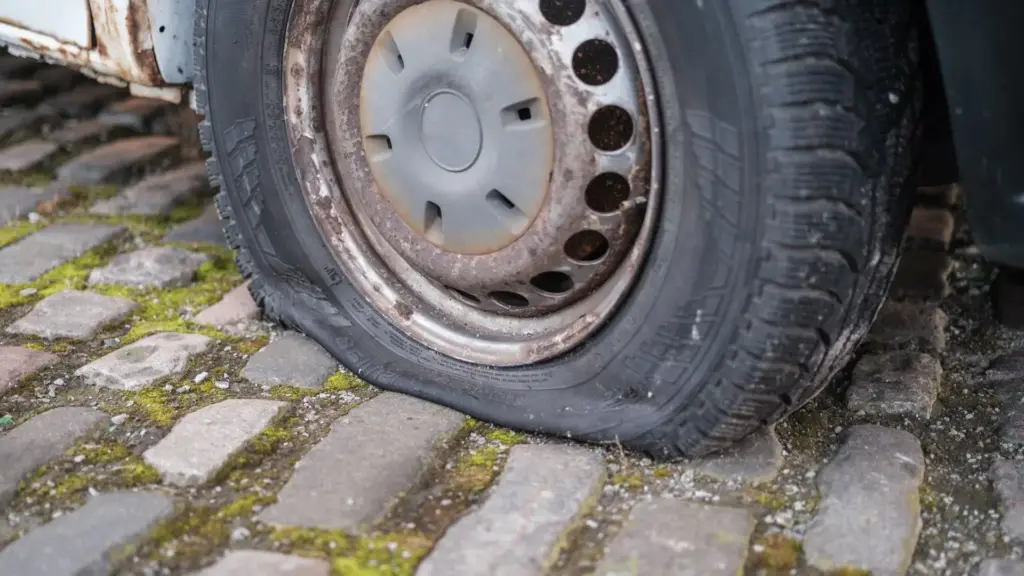
Pothole claims usually rise or fall on evidence so you must prove that the pothole was dangerous and it caused your damage to your vehicle. The best way to prove this is by taking photos and videos of:
- the pothole (include lane markers, street signs, and something for scale)
- the exact location (wide shot plus close-up)
- your car damage (tire, rim, undercarriage, alignment, suspension)
- prior complaints or service requests
- photos showing the pothole is old (crumbling edges, prior patching)
- witness statements
- nearby businesses or residents who reported it
- records of repeated pothole repairs in the same location
Your evidence should make it clear the damage matches a pothole impact, not a pre-existing issue. If the pothole was on a state highway or freeway, Caltrans provides instructions for submitting a damage claim and where to send the claim with supporting documents.
Additionally, California law recognizes actual notice and constructive notice. Actual notice generally means the agency actually knew about it. Constructive notice generally means it existed long enough that the agency should have discovered it through reasonable inspections.
What to Do Right After Pothole Damage
Use this checklist the same day if possible:
- Get somewhere safe and document the location.
- Photograph everything before repairs.
- Request a tow or roadside receipt if needed.
- Save all repair paperwork (invoice, estimate, parts list).
- Check your tires and wheels. Pothole hits often cause more than one issue.
- Report the pothole to the responsible agency, and screenshot the confirmation.
What Damages Can You Ask For?
In a property-damage pothole claim, people typically request:
- tire replacement
- wheel or rim repair
- alignment
- suspension components
- towing
- rental car (if reasonable and documented)
If your crash caused injuries, medical treatment and pain and suffering are a different category of damages, and the case strategy changes.
Can You Sue if the City Denies Your Claim?
In many cases, you must first present a timely claim to the government entity, and only then can you pursue litigation if it is denied or not resolved. The safest move is to treat the administrative claim as a required first step, not an optional complaint.
When Does a Pothole Claim Becomes a Personal Injury Case
West Coast Trial Lawyers typically only considers pothole cases when the pothole led to injuries, such as:
- you crashed after hitting the pothole
- a motorcycle or scooter rider went down
- you were injured changing a tire on the roadside
- a pothole caused a chain-reaction collision
If you were hurt, you may have a stronger case value and a different legal approach than a reimbursement-only claim.
Talk to West Coast Trial Lawyers

If a pothole causes a crash or injuries, our team can evaluate whether a city, county, or Caltrans may be responsible and whether deadlines apply. We will help you understand what evidence matters, what agency to pursue, and what your case could be worth.
You can call us at West Coast Trial Lawyers any time at (213) 927-3700 where you can speak to an attorney free of charge, 24/7.