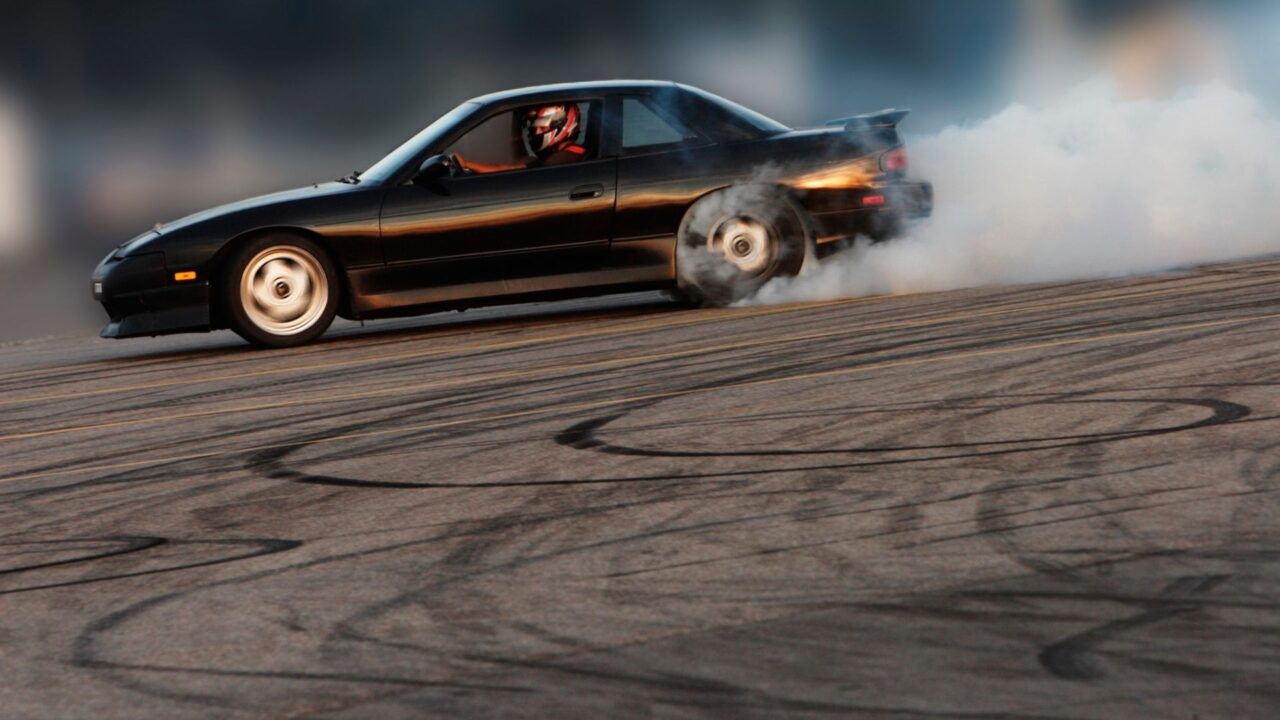
Street takeovers have gone from a niche weekend scene to a nationwide problem where drivers are performing dangerous car stunts, endangering lives and blocking traffic. As such, law enforcement is responding aggressively and begs the questions, “Are street takeovers illegal?” For those who have been injured during one or was involved in an accident, understanding the legality behind it and what your legal options are is critical.
Quick Answer: Are Street Takeovers Illegal?
Street takeovers are illegal in every US state and there is no gray area for misinterpretation. As street takeovers often block public intersections for dangerous vehicle stunts, they also attract large, unruly crowds that can quickly escalate into vandalism, assaults, and other criminal activity which can create a serious risk of injury or death for both participants and bystanders.
The consequences can extend far beyond a traffic ticket, because depending on the location and circumstances, drivers and other participants can face arrest, fines, jail time, license consequences, and vehicle impoundment. Or even worse, when someone is injured or killed, the same incident can also lead to a civil personal injury or wrongful death claim.
What Is a Street Takeover?
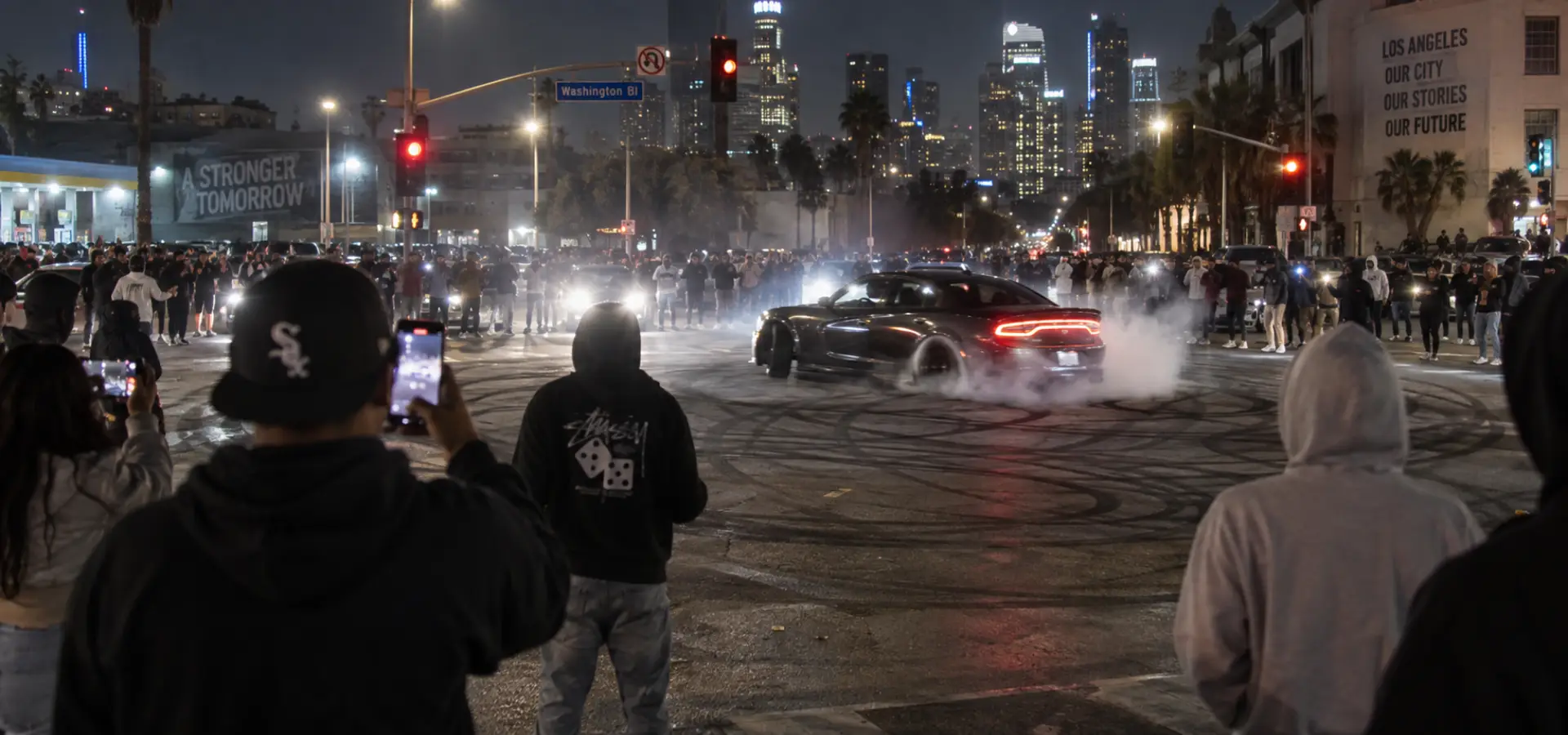
A street takeover (sometimes referred to as a sideshow) is a coordinated unauthorized gathering where drivers and other participants take control of a public road, intersection, or parking area so vehicles can perform stunts such as donuts, burnouts, drifting, and illegal street racing,
The coordination of street takeovers often occurs through social media-clips on TikTok, Instagram, and YouTube fuel copycat events and draw larger, more dangerous crowds. While local officers are trying to stop these takeovers, the traffic congestion that these events cause make it difficult for them to get to stop the event.
How Are Street Takeovers Different From Street Racing?
Street racing usually centers on a contest between drivers, such as racing another vehicle or competing against a clock, but a street takeover occupies an entire intersection, blocks normal traffic, performs stunts for a crowd, and moves from one location to another at any given moment. While street takeovers can happen anywhere, cities like Los Angeles, Atlanta, Houston, Phoenix, and Milwaukee are consistently encountering these events.
What Laws Apply to Street Takeovers?
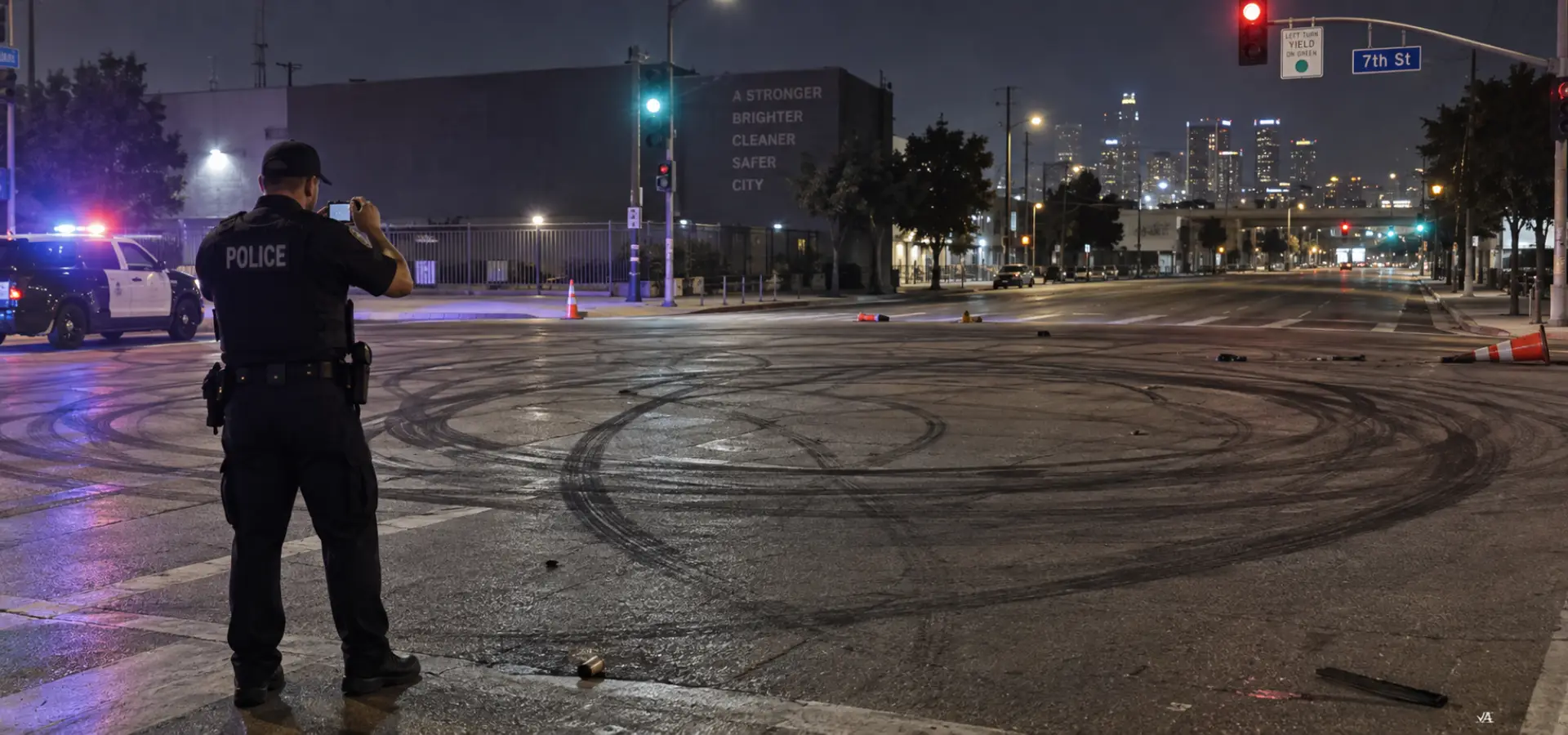
There is no single federal street takeover law that governs every event in the United States, but local authorities rely on a group of existing traffic and criminal laws to prosecute the conduct involved. For instance, here are the main categories of charges officers charge to perpetrators:
- Reckless or dangerous driving– covers donuts, drifting, and high-speed stunts on public roads.
- Exhibition of speed– performing driving stunts purely for show or competition.
- Illegal street racing– racing against others on public streets or highways.
- Blocking or obstructing a roadway– physically preventing traffic from passing.
- Unlawful assembly/disturbing the peace– large, uncontrolled gatherings that threaten public safety.
- Weapons and drug charges– firearms and contraband are frequently recovered at these events.
Many cities-including Los Angeles, Milwaukee, and Atlanta-have also passed local ordinances that explicitly target street takeovers with higher fines, car impounds, and charges for anyone involved in organizing or promoting events. Both drivers and organizers, and even spectators, can be charged when they knowingly participate in or facilitate a takeover.
How Police Are Responding to Street Takeovers
Law enforcement agencies are increasingly using coordinated operations, video evidence, license plate information, flock cameras and social media investigations to identify drivers and organizers. Arrests do not always happen while the event is underway but investigations can continue after crowds leave and videos begin circulating online.
For instance, in March 2026, Cincinnati police tracked a large group of drivers attempting to conduct street takeovers across multiple parts of the city. FOX19’s initial March 15 report said police made 39 arrests and towed 65 vehicles as the group were planning to move to several locations. More recently, the Los Angeles Police Department issued citations and impounded dozens of minibikes during a massive street takeover on the 6th Street Bridge in September 2026.
Street Takeover Laws by State
Who Can Be Liable for a Street Takeover Accident?
Street takeover injury cases can involve more than one responsible party. While the person behind the wheel is often the most obvious one at fault for an accident, other parties such as the drivers and participants who blocked traffic and the organizers/promoters of the event can also be held accountable.
Furthermore, liability is not automatic just because someone was nearby. A personal injury claim must connect a person or entity’s conduct to the accident and resulting harm. For example, a driver spinning out near a crowd may face direct liability, while a person who blocked traffic to help the event continue may also face scrutiny if that obstruction contributed to the crash.
What if an Innocent Uninvolved Driver is Hit During a Street Takeover?
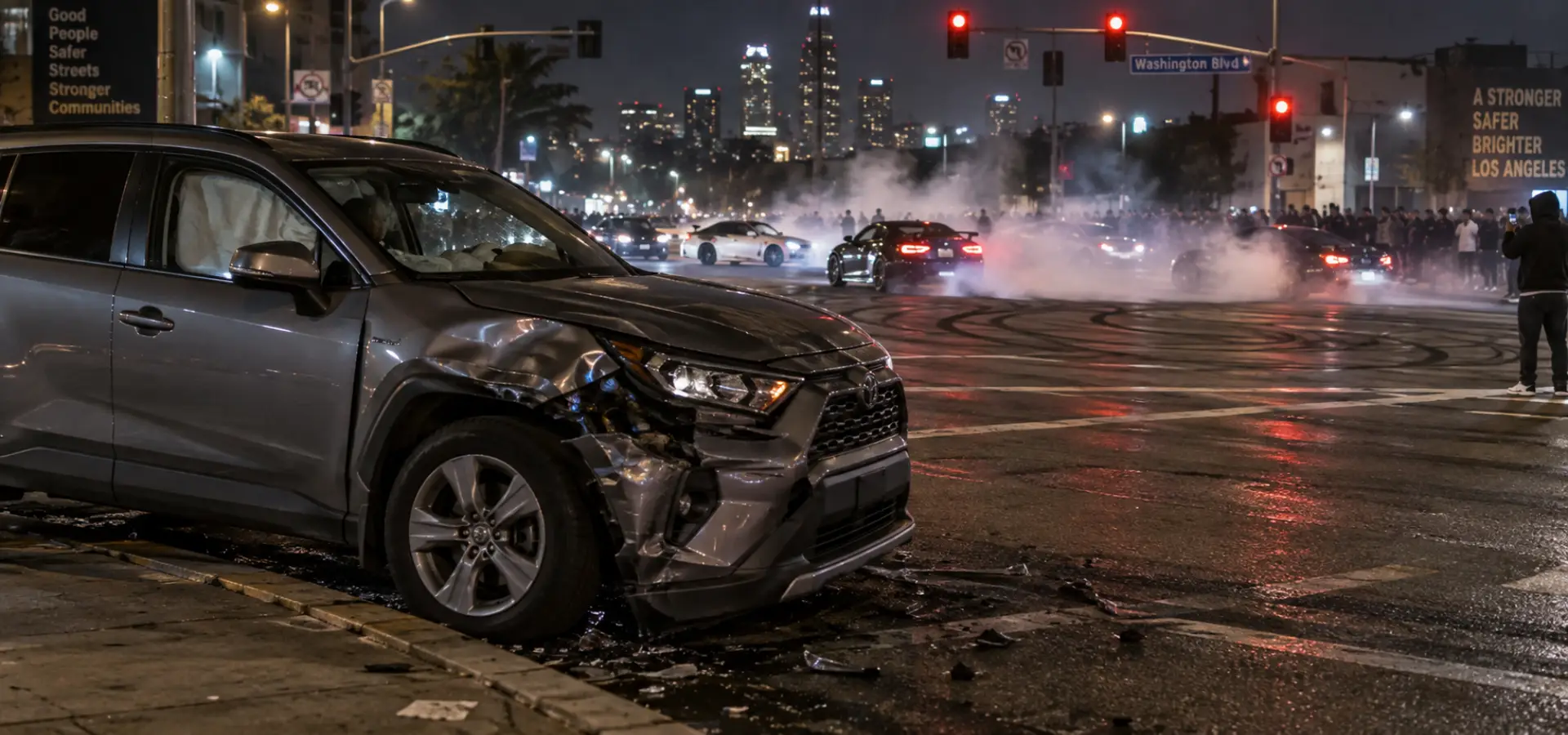
Uninvolved drivers are often some of the strongest claimants in street takeover cases. These are people who were simply using the road when they encountered a blocked intersection, speeding vehicle, drifting car, or fleeing driver. In fact, an injured driver may be able to bring a claim for:
- Vehicle damage
- Emergency medical treatment
- Hospital bills
- Surgery or physical therapy
- Lost wages
- Reduced earning capacity
- Pain and suffering
- Future medical care
If the at-fault driver fled or lacked insurance, the injured person’s own uninsured motorist or underinsured motorist coverage may become important. This is especially true when street takeover drivers use borrowed vehicles, fake plates, or leave before police arrive. No matter what the case may be, it is highly recommended to hire a car accident attorney who can help with the matter.
What if a Spectator Is Injured?
Pedestrians and bystanders are able to file a personal injury claim if they were injured during a street takeover because they have literally no protection when a driver loses control. As injuries can range from broken bones to traumatic brain injuries to even death, filing a claim becomes important in order for the injured victim to make a full recovery.
However, these cases can be more complicated than claims brought by uninvolved motorists or pedestrians, because the insurance company may argue that the pedestrian knew the driver was about to perform dangerous stunts or voluntarily stayed in the vehicle despite obvious risks. While this does not automatically eliminate any injury claims, it may create comparative fault arguments.
Can Social Media Help Identify the Driver?
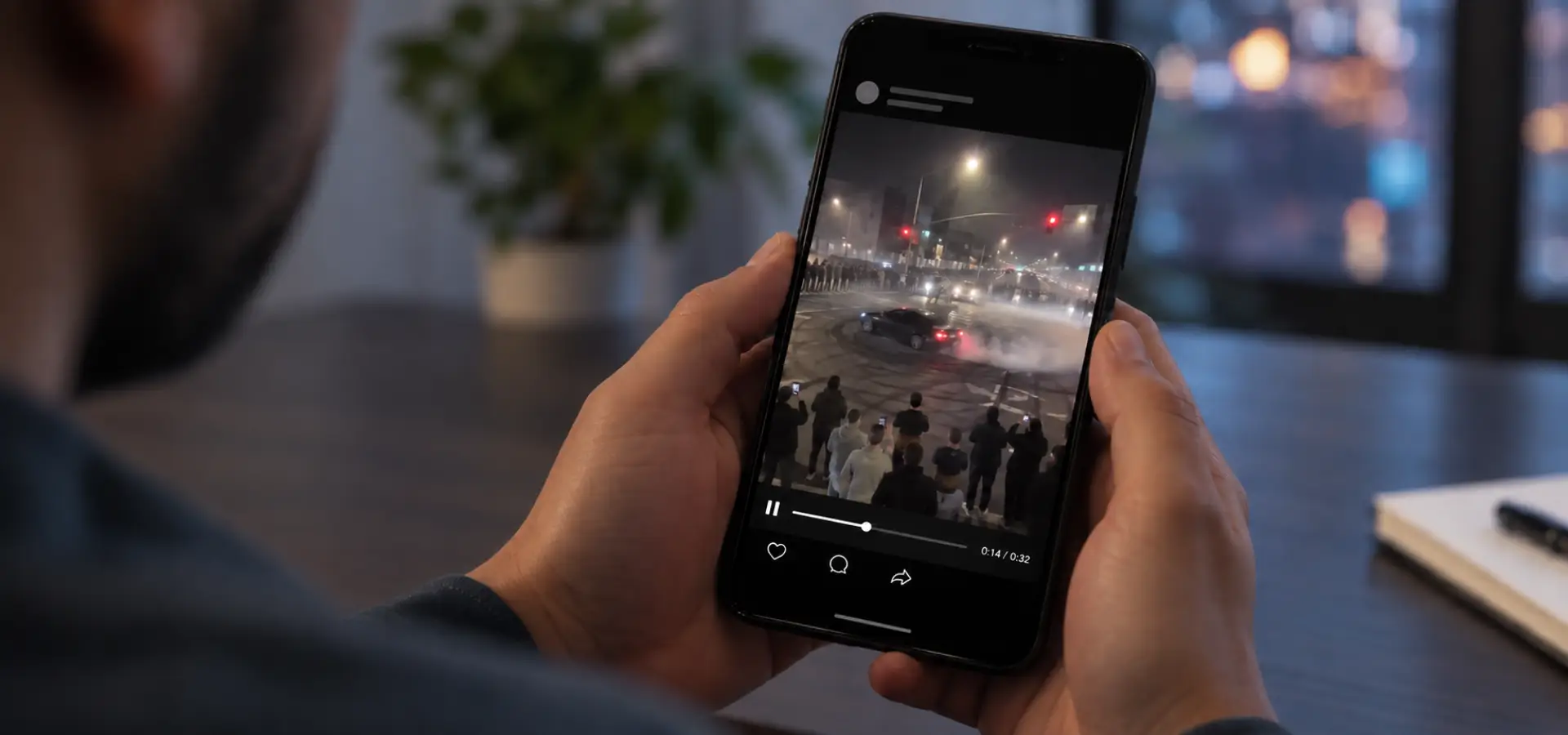
Street takeovers are often recorded and shared online and any videos may show the vehicle, driver, crowd, location, time, and people helping organize or block the event can help identify who is responsible for damages.
However, injured victims should avoid contacting suspected drivers, arguing in comment sections, or posting about their own injuries online, because it may complicate your injury claim and the legal process. Furthermore, anything posted publicly can be used by the insurance company later in an attempt to minimize your claim, so it is recommended to limit social media posting and discuss the case with an attorney as soon as possible.
What Should You Do After a Street Takeover Accident?
The scene can remain dangerous even after the first collision or violent event. Drivers may flee, crowds may scatter, and traffic may still be blocked. However, your immediate priority should be getting somewhere safe and calling 911.
Once it’s safe, seek medical attention, photograph the scene and damaged property, record vehicle descriptions and license plate numbers, get witness contact information, and ask nearby businesses whether surveillance cameras captured the crash.
Additionally, it is vital to find and preserve digital evidence because Instagram stories and takeover videos can disappear quickly, but they might show the driver, vehicle, organizers, people blocking traffic, or the moments before a crash. As such, save the original post or video link, username, date, screenshots, and a copy or screen recording when possible.
Call WCTL If You Have Been Injured in a Street Takeover Accident
A typical collision may involve two drivers and two insurance companies, but in a street takeover accident, it can involve dozens of drivers, criminal investigations, and evidence spread across multiple phones and social media accounts. If you or someone you know was injured during a street takeover, the legal team at West Coast Trial Lawyers can provide you with the legal guidance you need to move forward from this incident.
With over 25 years of experience and over $2 billion won on behalf of our clients, our legal team can investigate the crash, identify available insurance coverage, preserve video footage, and pursue compensation from the parties responsible.
Call (213) 927-3700 or contact us online to speak with an experienced personal injury attorney.