An unexpected injury can leave you with medical bills, time away from work, and questions about what steps you should be taking next. Across Colorado, accidents can happen in many types of settings, from busy roads in Denver and Colorado Springs to highways, like I-25 and I-70.
Whether your injury stemmed from a car accident, slip and fall, dog bite, hazardous conditions, or another situation caused by someone else’s wrongful acts, knowing your rights under personal injury law can help you take the right steps towards seeking fair compensation.
While most personal injury cases get resolved through settlement negotiations, having a thorough understanding of how the claims process works can help you make informed decisions about how to move forward with your case.
What Is a Personal Injury Claim in Colorado?

A personal injury claim is a legal action that allows an injured person to seek compensation for losses caused by someone else’s negligence. In Colorado, such claims may arise when someone endures harm because of another person’s actions. While a claim may start as an insurance matter, disputes can lead to a personal injury lawsuit if a fair resolution is not made.
Some of the common personal injury claims involve situations, like:
- Motor vehicle accidents
- Pedestrian accidents
- Bicycle accidents
- Scooter accidents
- Dog bites
- Slip and falls
- Defective products
- Medical malpractice
- Workplace-related injuries (workers’ compensation claim)
The purpose of a personal injury case is to help injured individuals recover compensation for damages incurred, including medical bills, lost income, and other losses. Most of these are often resolved through negotiations rather than going to trial. When both sides reach an agreement, personal injury cases can be resolved through a settlement, allowing victims to recover compensation without going through a lengthy court process.
What Should You Do Immediately After an Injury?
If you suffered an injury as a result of someone else’s negligence, taking the right steps can help protect your health, gather important information, and support a potential claim. Whether it happened in a car accident, on the job, or in another type of incident, the person affected should focus on getting proper care, documenting what happened, and knowing what options they have available to pursue.
To shield your well-being and gather critical evidence, consider taking the following actions listed:
- Report the incident: If injuries are present at the scene of the accident, you should notify the appropriate authorities, such as the Denver Police Department, Colorado Springs Police Department, or Aurora Police Department, as soon as you can. Be sure to ask for a copy of the police report and keep it with your other records to strengthen your claim.
- Seek medical attention: If you have significant injury or are dealing with severe injuries, you should seek medical attention as soon as possible at a nearby hospital, such as UCHealth University of Colorado Hospital in Aurora, Denver Health Medical Center in Denver, or UCHealth Memorial Hospital in Colorado Springs. Prompt medical treatment can help determine the extent of harm you incurred and create documentation that ties your condition to what happened.
- Document the accident scene: If it is safe to do so, try to acquire details surrounding the event. Take photos or videos of the area, your injuries, and any property damage caused by the incident. Evidence of poor road or weather conditions can also help explain how your injury occurred.
- Speak with a Colorado personal injury attorney: After addressing your immediate needs, speak with a personal injury attorney about your situation. They can look into the details presented, explain your legal options, and help figure out what would be the most effective approach to take to ensure you are given fair compensation for the losses you incurred.
How Do You File a Personal Injury Claim in Colorado? (Step-by-Step Overview)
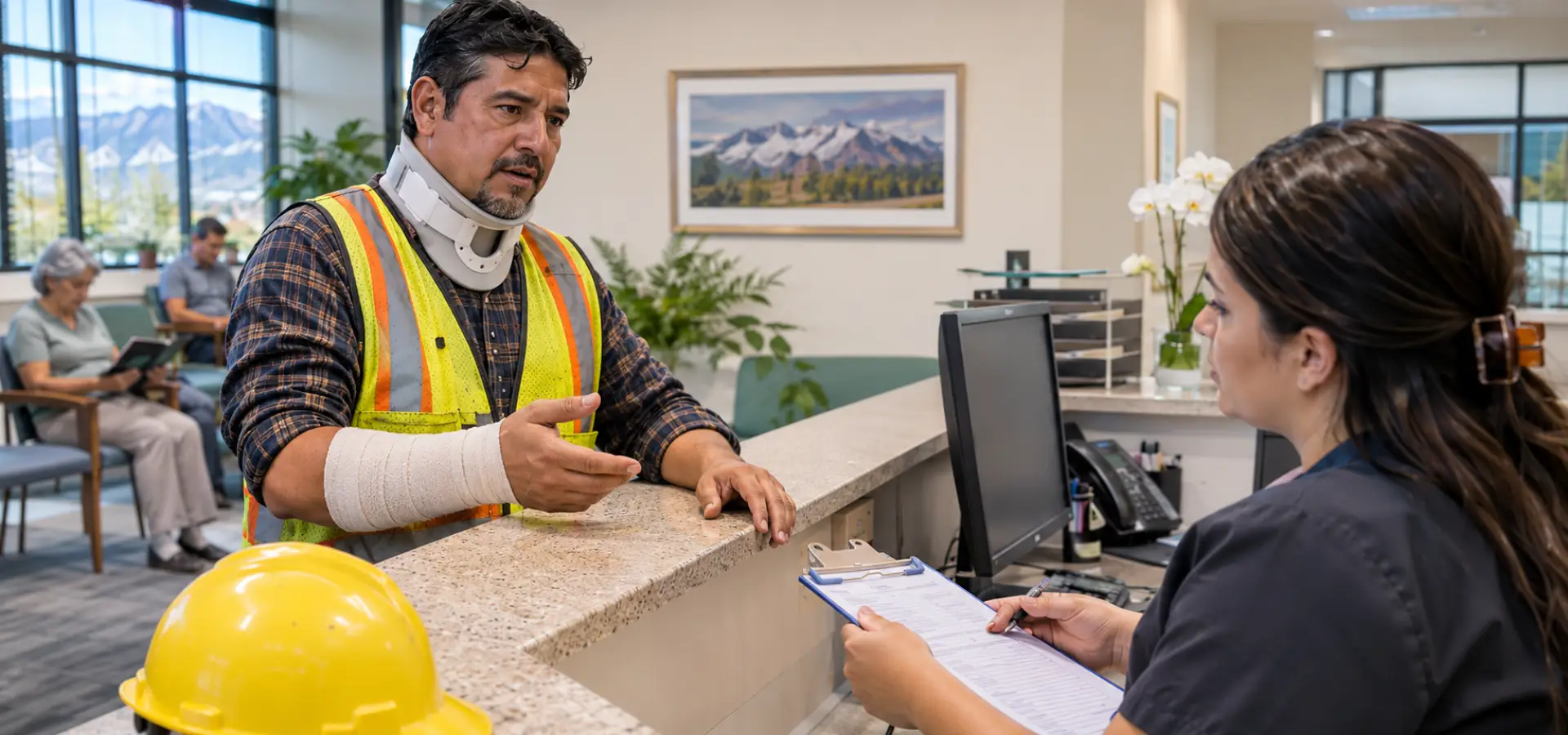
Filing a personal injury claim in Colorado requires taking specific steps to notify the appropriate parties, submit supporting documentation, and start the process of seeking compensation. While every case involves unique circumstances, the following steps highlight how an injured victim typically starts a claim and moves it forward.
Step 1. Notify the Insurance Company
Depending on the details of your accident, you will need to contact either your own insurance company or the at fault party’s insurer to open a claim. Before sharing detailed recorded statements or negotiating with an adjuster, consider speaking with a Colorado personal injury lawyer who can protect your rights and guide you through the claims process.
Step 2. Provide Supporting Information
Once the claim is open, the insurance company will request documentation of your injuries and losses. This typically includes police reports, vehicle repair estimates, medical bills, treatment records, and proof of lost wages.
Step 3. Communicate with the Insurance Adjuster
An insurance adjuster will be assigned to investigate the details of the incident and assess your damages. They may request additional records, review your submitted documentation, and keep you updated on the status of your claim.
Step 4. Submit a Formal Demand Letter
After you have finished medical treatment (or reached maximum medical recovery) and your losses are fully documented, you can submit a demand letter. This document outlines the facts of the accident, details surrounding the physical and financial damages you endured, and requests a specific compensation amount to have the claim resolved.
Step 5. Evaluate and Negotiate the Settlement Offer
After reviewing your demand letter, the insurance company may extend a settlement offer. Before accepting, it is important to ensure the amount presented fully covers both your current medical bills and any expected future costs. Your Colorado personal injury lawyer can negotiate with the insurer until a full and fair settlement is reached.
What Evidence Do You Need to Support Your Claim?
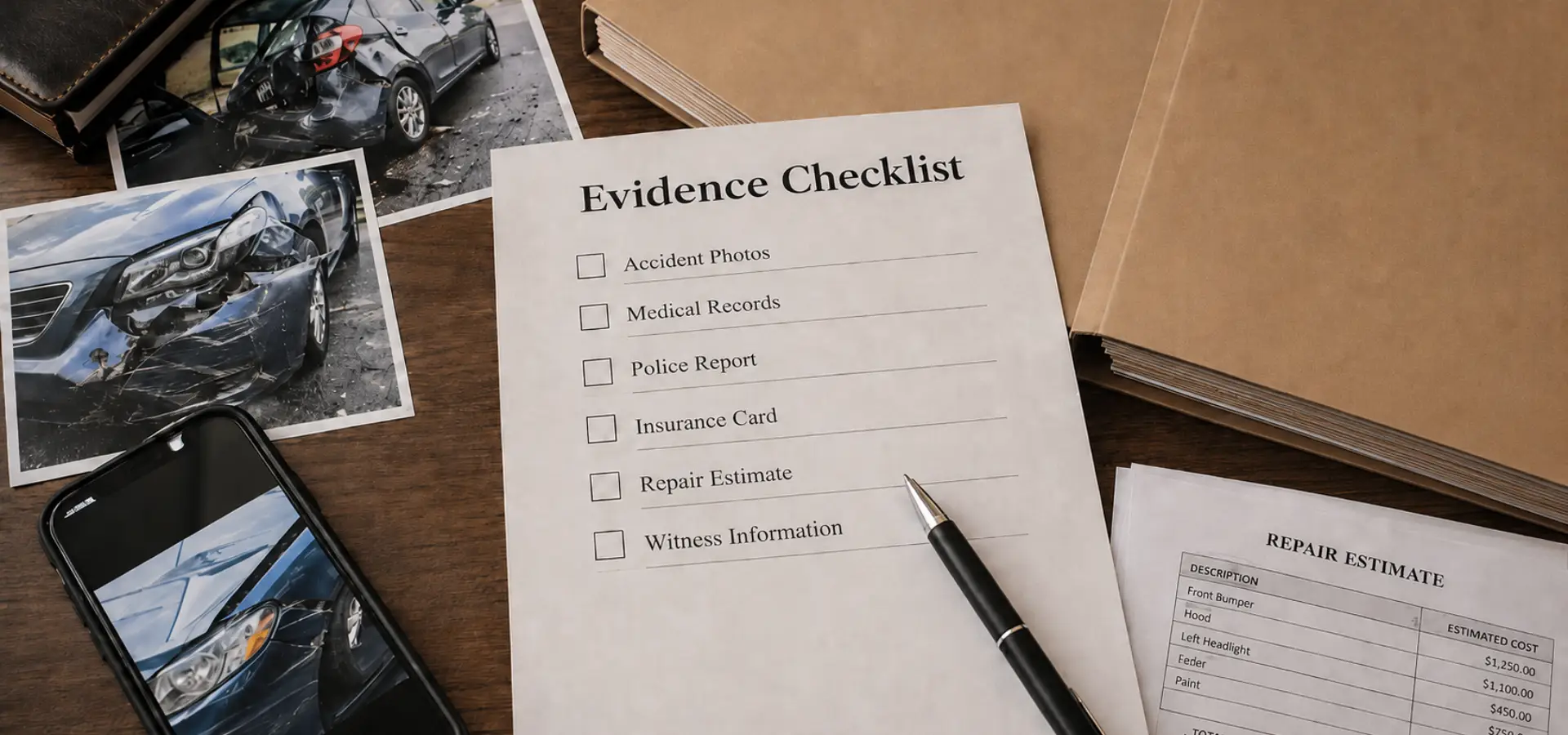
Thorough documentation can play a critical role in supporting personal injury cases. The evidence you acquire can help establish how the injury happened, who may be at fault for the incident, and the impact the situation has had on your life. Taking steps to preserve evidence early can help give a better understanding of your case.
The types of details and documentation you should include are the following:
- Photos and documentation: Evidence from the accident scene can help show the conditions surrounding the situation. Images or footage of the area, injuries, and property damage may provide important details about what happened and help support your version of what happened.
- Medical records and treatment information: Your medical records can help show the extent of harm you endured and the care you were given after the incident. Keep documentation related to appointments, diagnoses, treatment plans, and medical bills to show the expenses that are connected to your recovery process.
- Police reports and witness statements: Official records, including police reports, can give out important information about the event. Furthermore, witness statements from people who saw what happened can help confirm details and provide more support for your personal injury claim.
- Documentation of financial losses: Evidence of financial losses can demonstrate how your injury impacted your daily life and ability to work. Records, like pay stubs, employer documentation, and other financial information can prove lost wages resulting from the incident.
Be sure to keep your records organized throughout the claims process to ensure important information is not lost. Keep in mind that every case involves different circumstances and may require specific evidence to help establish fault. Acquiring detailed documentation after an injury can help strengthen your claim and better your chances of receiving fair compensation.
What Is the Statute of Limitations for Personal Injury Claims in Colorado?

The Colorado statute of limitations for personal injury claims will determine how long you have to file a lawsuit after an injury occurs. Under Colorado law, affected individuals generally have two years to take legal action, starting from the date of the incident that led to the claim (C.R.S. § 13-80-102). Failing to file within the required timeframe will bar you from recovering compensation.
A personal injury claim arises when an injury occurs or when the injured person becomes aware of the harm. However, the deadline will vary based on the type of case. For instance:
- Motor vehicle accident lawsuits: Three years (C.R.S. § 13-80-101(1)(n))
- Medical malpractice: Two years (C.R.S. § 13-80-102.5)
- Wrongful death: Two years (C.R.S. § 13-80-102(1)(d))
Knowing which deadline applies in your case can help protect your rights when pursuing legal action and seeking compensation for the losses you suffered.
What Is the Statute of Limitations for Claims Against a Government Entity in Colorado?
Claims involving a government entity will follow different requirements than typical personal injury claims. Under the Colorado Governmental Immunity Act (CGIA), an individual who wants to bring a claim against a public agency, like a city, county, or government entity, will have to provide a written notice of claim within 182 days after the date of the injury (C.R.S. § 24-10-109).
This particular notice requirement is separate from the deadline to file a Colorado personal injury lawsuit. If the notice is not submitted on time, the injured person may lose their ability to pursue compensation against the government entity even if they have a strong claim. If the notice requirement is satisfied, the deadline to file a lawsuit typically follows Colorado’s standard personal injury statute of limitations.
Since claims against government entities involve more requirements and shorter timeframes, speaking with a Colorado personal injury lawyer can help ensure you take the appropriate steps needed to protect your rights, build your claim, and pursue compensation for your losses.
What Happens After You File a Personal Injury Claim?
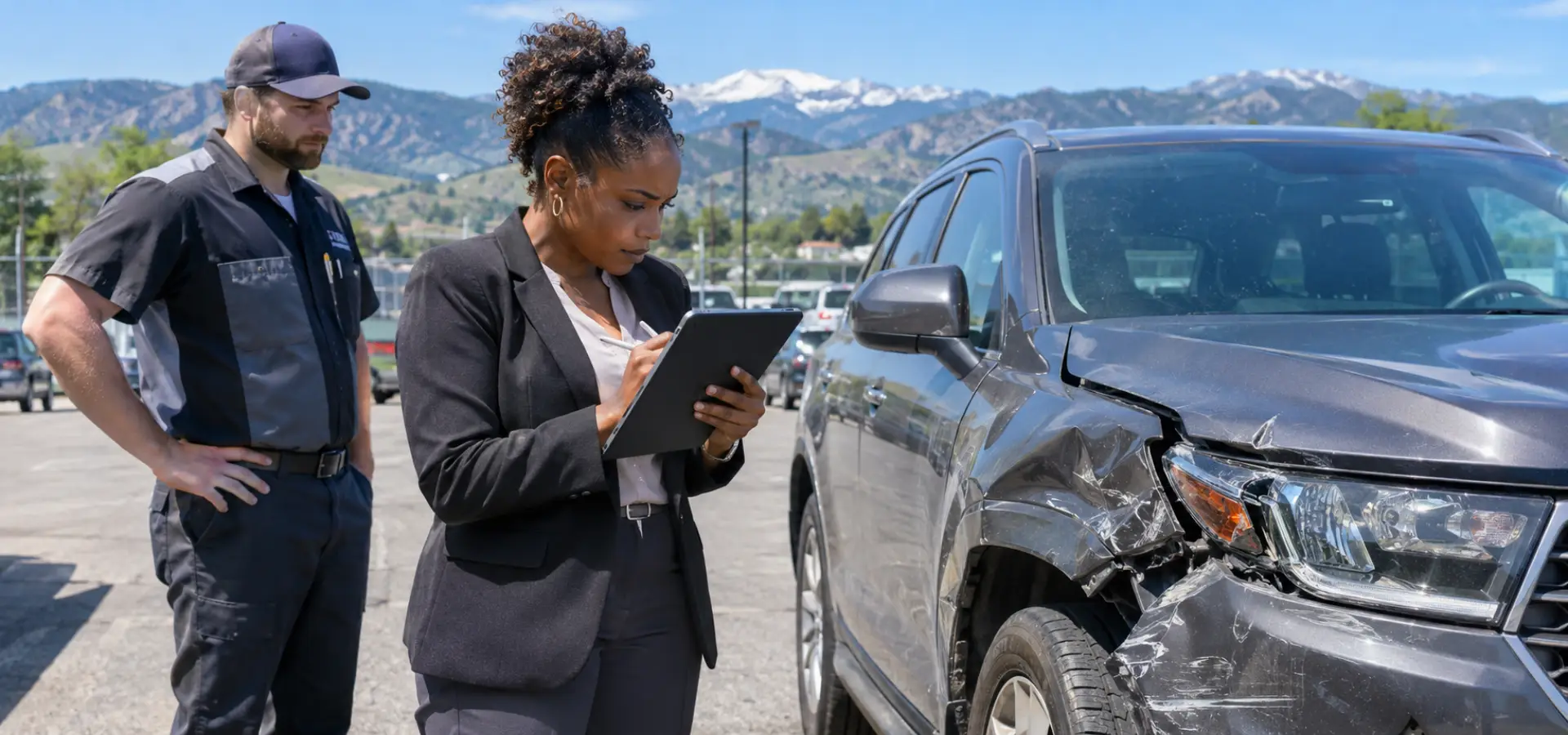
After filing a personal injury claim, the next steps will depend on whether the parties can come to an agreement through negotiations or whether the case needs to proceed through the litigation process. Many cases are resolved through settlement, however, some may require filing a lawsuit and going through the court system. If a lawsuit is filed, both parties will start the litigation process, which may involve:
- Exchanging information
- Gathering additional evidence
- Preparing legal arguments
If a resolution cannot be reached, the court will set a trial date, in which a judge or jury will determine the final outcome. The case may end with a jury verdict that decides whether compensation is awarded. Having legal guidance throughout the process can help avoid potential legal errors and ensure your case is properly presented.
How Does Comparative Negligence Affect Your Claim in Colorado?
Colorado follows a modified comparative negligence rule, which means compensation may be reduced if you are found partially at fault for the incident. Under C.R.S. § 13-21-111, damages are reduced based on percentage of fault. However, if the affected individual is found to be 50% or more at fault, they will no longer be able to recover compensation.
For instance, if an at fault driver caused a motor vehicle accident, but you are assigned 20% of responsibility, your pay will be reduced by 20%. Since fault can affect the outcome of your legal claim, insurance companies will try to investigate the situation and attempt to assign liability between the parties involved.
Do You Need a Lawyer to File a Personal Injury Claim in Colorado?

You are not legally required to hire a Colorado personal injury lawyer to file a claim. However, working with an experienced attorney can be helpful if your case involves disputed liability, serious bodily harm, or significant damages. They can go over the legal process with you, gather supporting evidence, communicate with insurance companies, and aggressively negotiate to get you the compensation you deserve. If a settlement cannot be reached, you may receive representation if your case proceeds to court.
Many personal injury lawyers work on a contingency-fee basis, meaning you do not have to pay attorney’s fees unless they recover damages for you. With a legal expert managing your claim, you can focus on your health while they work to pursue compensation on your behalf.
What Types of Damages Can You Recover in a Colorado Personal Injury Case?
The compensation available in a Colorado personal injury case can vary based on the nature of the injury and its impact on your overall lifestyle. Generally, compensatory damages fall into two categories: economic damages and non-economic damages.
Economic damages may include financial losses, like lost wages and current and future medical expenses, whereas non-economic damages applies when an injury affects your overall quality of life, such as physical harm, emotional distress, or pain and suffering. If bodily harm results in permanent injuries (or permanent disability), compensation may account for the long-term effects on your ability to participate in activities, maintain your daily routine, or continue working.
In limited situations, a court may also award punitive (exemplary) damages when the at fault party’s conduct is found to be especially harmful. Unlike compensatory damages, punitive damages are intended to punish someone for exhibiting wrongful behavior and to deter similar conduct in the future.
Contact West Coast Trial Lawyers for Help With Your Personal Injury Claim
Knowing the full impact of an injury can be challenging, especially when considering medical bills, lost income, and future costs associated with your recovery. With more than 25 years of experience and over $2 billion recovered in settlements and verdicts, West Coast Trial Lawyers has the knowledge and resources to help clients pursue the compensation they deserve.
Our proven track record includes significant case results and testimonials from clients who have trusted our team to guide them through the legal process. With direct access to a Colorado personal injury lawyer from your first call and availability 24/7, we provide the personalized support and attention needed during this challenging time. Our team can take a look at the details of your case and help determine what compensation may be available based on your unique circumstances.
To book a FREE case review, we invite you to reach out to us by calling (213) 927-3700 or completing our quick online contact form.