
Burn injuries can be sudden and life-changing, leaving victims with lasting physical, emotional, and financial complications. Since burns affect the body at varying levels of severity, these types of injuries may require extensive medical treatment and a lengthy recovery. For injured victims in the Glendale area, navigating the aftermath of a burn injury can be difficult, especially when it was caused by someone else’s negligence.
A burn injury claim goes beyond the initial injury and focuses on how the harm affects your daily life and overall well-being. At West Coast Trial Lawyers, our Glendale burn injury attorneys carefully evaluate your case, identify liability, and document your losses while protecting your interests throughout the legal process.
Our law firm works on a contingency-fee basis, meaning you owe us nothing unless we successfully settle your case. To set up a FREE legal consultation, you can get in touch with us by calling (213) 927-3700 or completing our quick online contact form.
Why Choose West Coast Trial Lawyers for Your Burn Injury Claim?

Choosing the right legal team to represent you in a burn injury case can influence how your claim is managed and resolved. These types of circumstances often involve detailed medical records, questions of fault, and challenges with insurance companies. Each of these may require legal handling to ensure no mistakes are made that could be harmful to your case outcome.
Our firm has over 20 years of experience in personal injury law and has recovered more than $1.7 billion in settlements and verdicts for clients. We take a thorough approach to case preparation and work to protect your interests at every stage of the legal process.
What Is the Definition of a Burn Injury?

A burn injury is a type of bodily harm that inflicts damage to the skin and underlying tissue. The intensity of a burn depends on how deep the damage goes, how many skin layers are involved, and the overall extent of the injury to the body. Some burns may only impact the outer layer of the skin whereas more severe injuries extend into deeper layers and underlying tissue. As the depth increases, the risk of complications may also rise (scarring, infection, and limited bodily function).
Skin burns are fairly common in the United States. The Centers of Disease Control and Prevention (CDC) claimed that in 2021, there were about 398,000 fire or burn-related cases and another 252,000 injuries caused by hot objects or substances. Roughly 698,555 burn injuries required affected individuals to seek medical care within that year.
Additional research estimates that nearly 600,000 people sought out emergency care annually for burn injuries. Hospital admissions represent only the most serious cases, with the American Burn Association (ABA) reporting 29,165 burn-related inpatient admissions each year. With most burns being treated in outpatient clinics or emergency departments (ED) with admission, the real number could be much higher than the one provided by hospital data alone.
What Are the Most Common Burns?

The most common burns are categorized based on the source of the injury and may arise from a burn accident in an everyday setting.
- Thermal burns are one of the most common types of burns, this results from contact with extreme heat, and can affect the skin’s surface or deeper skin layers depending on the intensity of exposure.
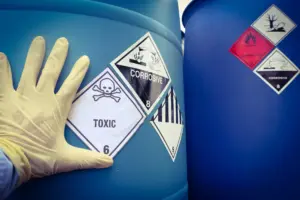
- Chemical burns happen when the skin or eyes make direct contact with dangerous substances, and conditions may worsen if the substance is not entirely removed.
- Electrical burns are caused by exposure to electrical currents and can seem minor on the surface while causing serious internal issues and nerve damage.
- Radiation burns develop after exposure to radiation, such as ultraviolet (UV) rays from the sun or medical radiation treatment, and can damage the skin and deeper tissue.
What Are the Four Stages of Burns?
The stages of burns are defined by how deeply the injury penetrates the skin and the surrounding tissue. These classifications will help determine the severity of bodily harm and the level of medical care needed to recover.
- First-degree burns are mild. They only affect the top layer of skin, usually causing redness and some discomfort. Most cases have a recovery period of a few days and do not leave behind scars.
- Second-degree burns go deeper into the skin, affecting more than just the surface. Blisters, swelling, and strong pain are common, and seeing a doctor quickly can reduce the risk of infection and long-term scarring.
- Third-degree burns reach full thickness, destroying skin, nerves, and underlying tissue. Even if part of the burn is numb, the surrounding skin can hurt, and medical intervention is usually needed.
- Fourth-degree burns are extremely serious, affecting the skin as well as deeper structures like muscles, tendons, and bones. Recovery is a long process that will require surgeries, rehabilitation, and ongoing care, with permanent scarring likely occurring.
What Is the Best Thing to Do After a Burn?

Burn injury victims should act quickly after a burn to limit damage. Rinse the area with cool water and cover it gently with a clean bandage. This approach can help reduce tissue damage and pain. Always seek medical attention right away if your burn is large, deep, or is showing signs of infection. This also applies if you start to notice that it is not healing within a few days. Prompt professional care is also important if the burn involves the face, hands, feet, or major joints.
For serious burns, go straight to an emergency room. You can visit the Glendale Memorial Hospital, USC Verdugo Hills Hospital Emergency Room, or the Health Center or Adventist Health Glendale. Both locations provide full hospital services. If the situation appears less severe, but you still want to get it evaluated, local urgent care clinics, like San Feliz Urgent Care or Mederi Urgent Care, can look into the affected area and suggest treatment options.
Can You Sue for a First-Degree Burn?
You can sue for a first-degree burn. But, whether a lawsuit is worth pursuing would depend on the circumstances and losses involved. A first-degree burn only targets the outer layer of the skin. But, it can still trigger physical pain. Cases involving first-degree burns may be minor when the burn heals quickly and does result in permanent damage.
However, legal action may be needed when the burn happens in a preventable situation. When the issue is tied to unsafe premises, injured victims can pursue compensation under California Civil Code § 1714. This imposes a duty on property owners to maintain reasonably safe conditions. Failing to comply with this regulation may allow the affected individual to file a claim.
If a product causes a burn injury as a result of a design flaw, manufacturing error, or inadequate warnings, California’s strict product liability doctrine will apply. Under this law, consumers can pursue compensation without having to prove the manufacturer was negligent, focusing instead on whether the product was defective and caused harm.
Even minor burns can lead to a legal case if they cause serious injuries, medical expenses, lost wages, or emotional suffering. California law allows claims when preventable harm arises from unsafe conditions or faulty products.
How Long After an Injury Do You Have to Make a Claim?
How long you have to file a claim depends on the case and state law. In California, most personal injury claims must be filed within two years of the incident. If a lawsuit is not filed in a timely manner, the right to recover compensation will be lost.
If you lost a loved one as a result of a burn injury, you will be given two years from the date of their passing to bring a claim. These types of cases focus on losses suffered by the family, like medical bills, funeral and burial costs, and loss of financial support. And if your lawsuit is made against a government entity, you will be given six months to file an administrative claim.
Since deadlines can vary based on certain factors, including delayed discovery or the age of the injured person, speaking with a Glendale burn injury lawyer as soon as possible is important. They will assess your situation, track all filing deadlines, communicate with insurers, and help ensure your claim is being filed properly before time runs out.
What Is the Average Settlement for a Burn Injury?
The value of a burn injury settlement can differ widely based on the specific facts and severity of the injury. Factors, like severity, medical treatment, long-term effects, and who was at fault all play a role in determining value. A successful burn injury claim usually reflects the extent of harm endured and its impact on the person’s life.
Burns are considered as painful injuries, and compensation may account for emotional distress, scarring, and reduced quality of life. In more severe cases, settlements tend to be higher because they involve ongoing medical care, rehabilitation, and future treatment needs. The goal of a settlement is to acquire reasonable financial recovery that addresses immediate losses and long-term consequences caused by the burn.
With each case having its own unique circumstances, there is no true “average” that applies across the board. The value of a burn injury settlement will be determined after reviewing the strength of the evidence presented, liability, insurance coverage, and how significantly the injury impacted the victim’s life.
Suffered a Burn Injury? Our Legal Team Can Help You Move Forward

Burn injuries can result in physical, emotional, and financial harm. For burn victims, determining the value of a claim will require establishing fault and the full impact the burn had on your day-to-day life. At West Coast Trial Lawyers, our Glendale burn injury attorneys can go over the situation, explain your legal options, and negotiate with insurers throughout the claims process. Our team will help gather evidence, defend your rights, and ensure you receive full and fair compensation.
To set up a FREE consultation, you can reach out to us by calling (213) 927-3700 or filling out our convenient online contact form.