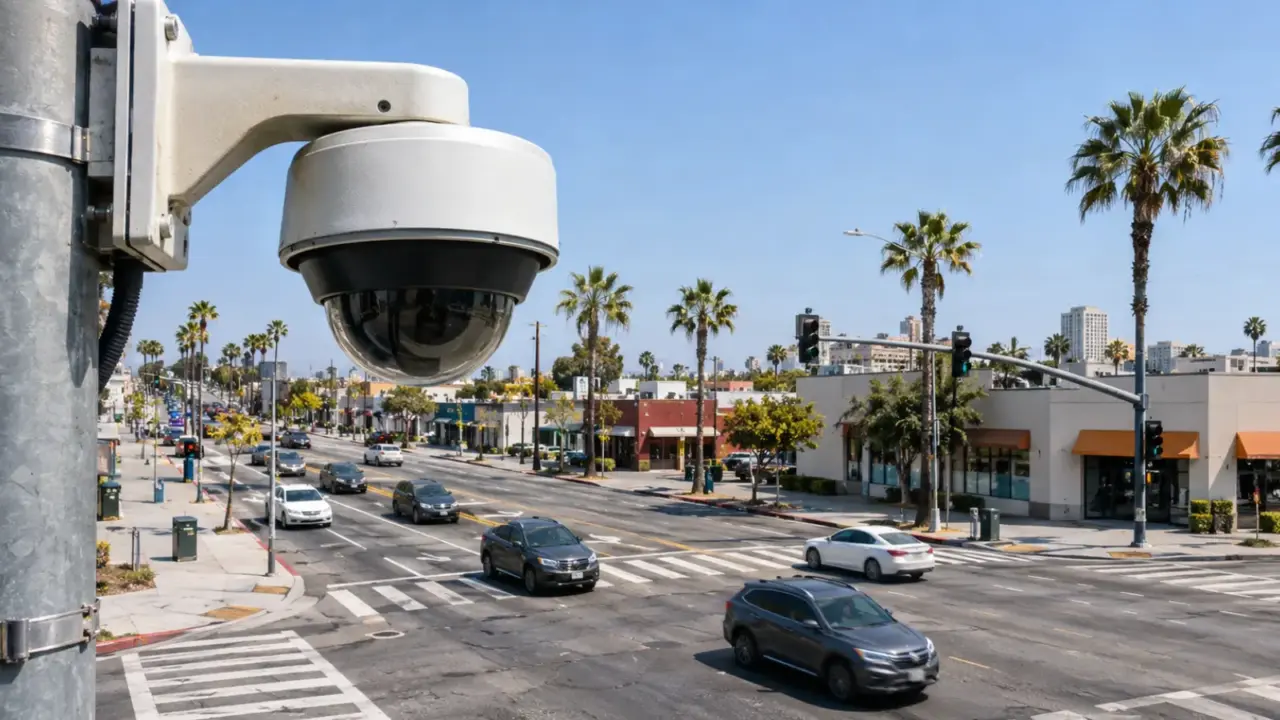
After a crash, almost everyone says the same thing: “There has to be a camera on that corner.” Sometimes it caught the whole accident, from the light changing to the other driver blowing through it and sometimes the camera everyone is pointing at was never recording in the first place.
Video is the closest thing to an instant replay that exists in a car accident case. When two drivers tell opposite stories and the police report says “unable to determine,” a 10-second clip can settle the question of fault. But getting that clip is harder than most people expect. Some cameras only stream live. Some footage is confidential by law. And a lot of it is deleted automatically within days.
Here’s what traffic camera footage can prove, where it actually comes from, and how to get it before it disappears.
What Video Can Show That Witnesses Can’t
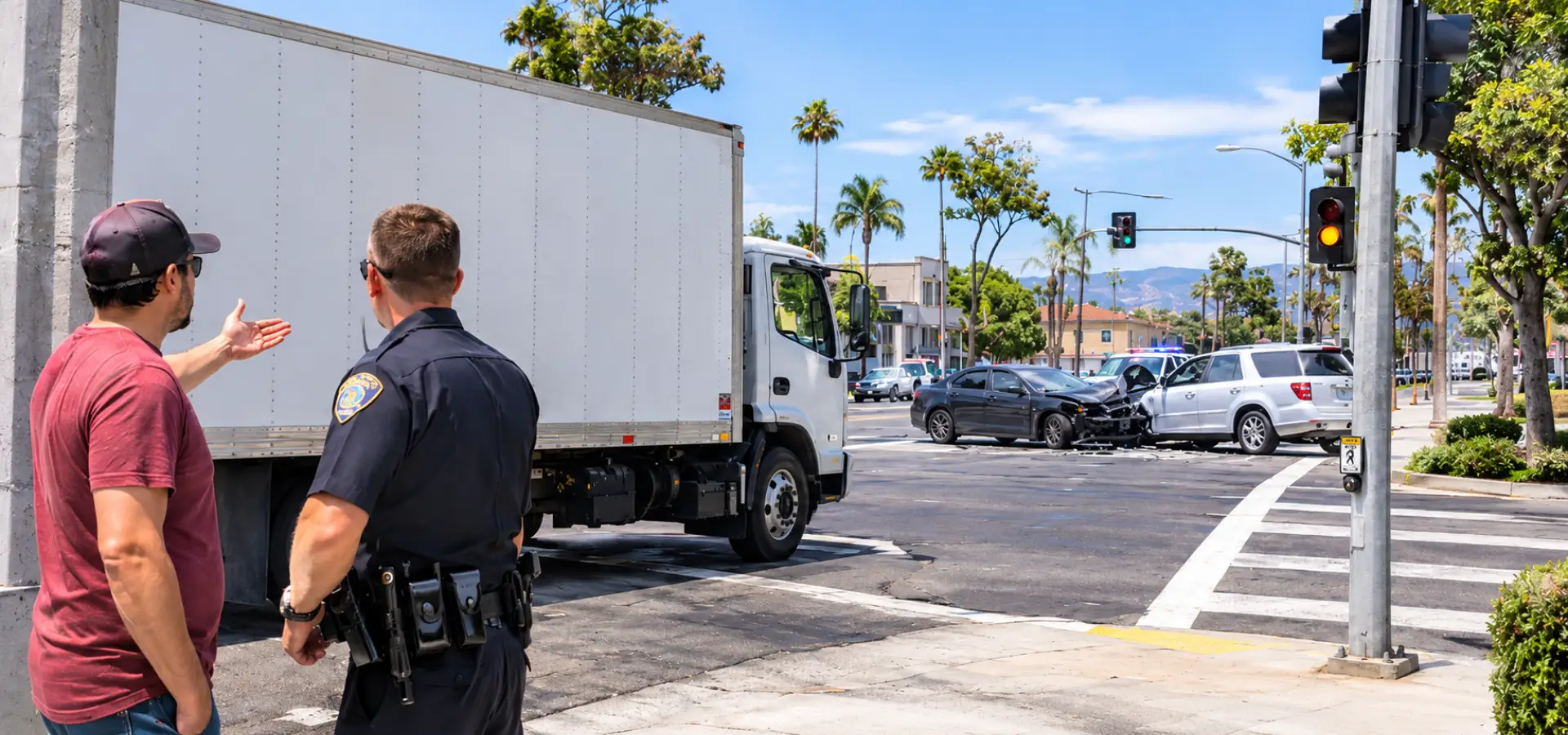
Eyewitnesses are helpful, but people are also forgetful. They see the crash, not what led up to it, and they often fill in gaps without realizing it. Video doesn’t have that problem. Depending on the angle and quality, footage can show:
- The signal phase- Whether the light was green, yellow, or red when each car entered the intersection. In a red light case, that’s usually the whole ballgame.
- Speed- An accident reconstruction expert can estimate speed by measuring how far a car travels between frames.
- Lane position and turning movements- Who drifted, who cut across, and who turned left in front of oncoming traffic.
- Following distance and braking- Useful in rear-end collisions where the other driver claims you “stopped short.”
- Distraction- A driver looking down at a phone, or a car that never brakes at all.
- A plate number- In a hit-and-run, footage may be the only way to identify the driver who left.
Video also matters for how fault gets divided. Every state where we practice uses some form of comparative fault, so if the other side argues you were partly to blame, footage can protect your share of the recovery. The flip side is true too: if the video shows you were speeding, it will be used against you. That’s one more reason to have a lawyer review it before anyone else sees it.
Does Every Traffic Camera Record?
This is the biggest misunderstanding, and it costs people time they don’t have. Most of the cameras you see on freeway poles and at major interchanges are traffic monitoring cameras. They exist so transportation engineers can watch congestion in real time.
In California, Caltrans says plainly in its camera FAQ that “the camera video is not recorded and the images are not saved.” A Caltrans spokesperson told NBC Bay Area the same thing: the cameras stream for traffic purposes, and there’s no database to go back to.
Many state and city traffic agencies run their monitoring cameras the same way. So before you spend weeks chasing a freeway camera, it’s worth confirming whether that camera was ever capable of producing a recording.
The cameras that do record usually fall into these groups:
- Red light and speed enforcement cameras. These capture still images or short video clips when they detect a violation.
- Business security cameras. Gas stations, banks, fast food restaurants, and strip malls often have surveillance cameras pointed at the street or parking lot.
- Home doorbell and security cameras. A neighbor’s Ring or Nest camera may have caught the crash from across the street.
- Public transit cameras. City buses and light rail vehicles often have forward-facing and interior cameras.
- Dashcams. Yours, the other driver’s, a witness’s, or a commercial truck’s. Many rideshare drivers also run cameras.
- Police body and dash cameras. If officers responded quickly, their cameras may show the scene, vehicle positions, and statements made by drivers right after the crash.
Red Light Camera Footage Is Often Confidential
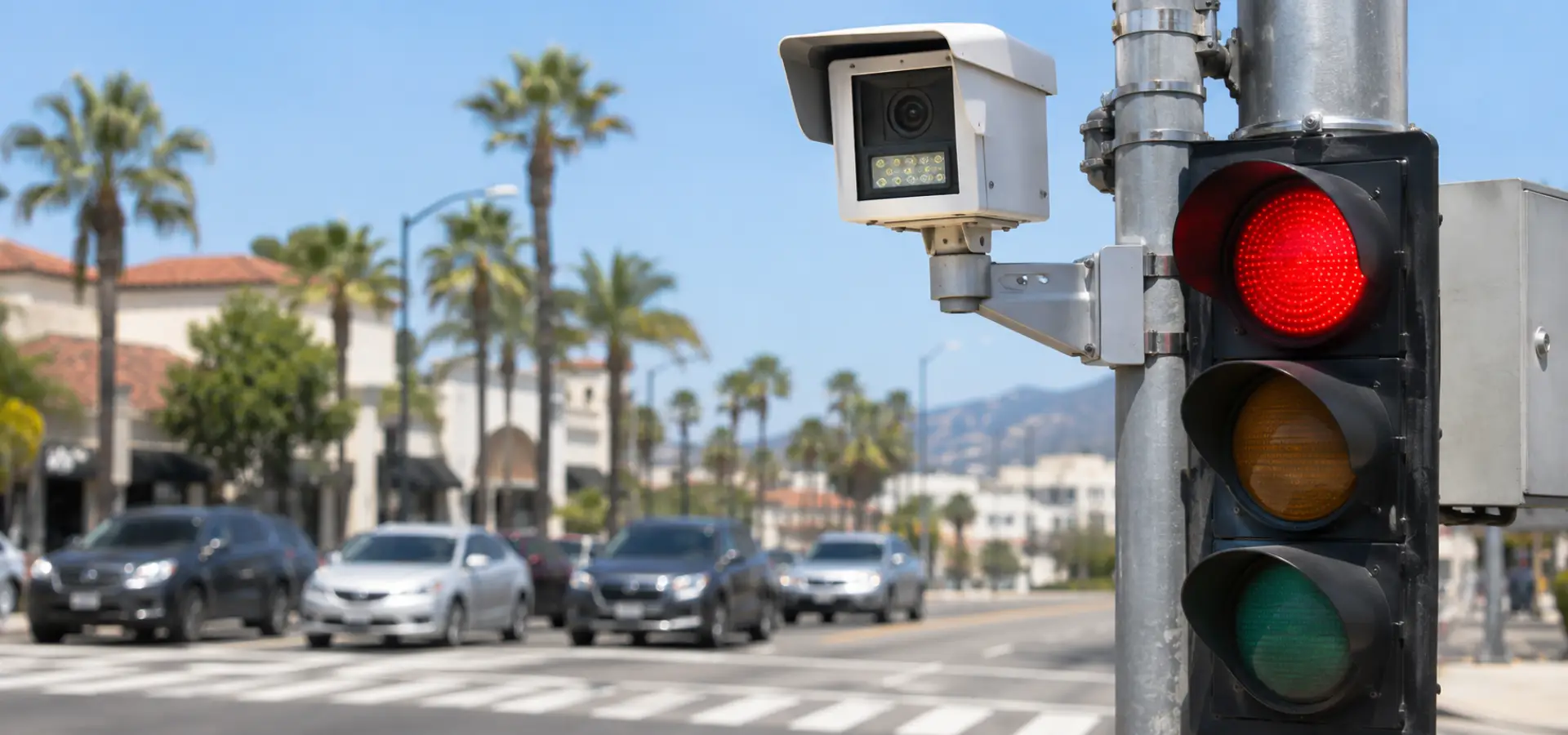
Here’s a part most people don’t expect: even when a red light camera captures your crash, you usually can’t just ask for a copy.
In California, Vehicle Code section 21455.5 says photographic records from automated enforcement systems are confidential and available only to government and law enforcement agencies. They can generally be kept for up to six months, or until the citation is resolved, and then they’re destroyed. California’s newer speed camera pilot program, created by AB 645, has an even tighter window. Speed camera records generally have to be deleted within 60 days unless they’re kept for a citation or a pending court proceeding.
California also passed SB 720 in October 2025, which lets cities run a different style of red light camera program. Under that model, cameras cite the vehicle rather than the driver and photograph license plates. That’s good for privacy, but it also means newer cameras may not show who was driving.
Other states have their own restrictions, which is why the rules in the table below matter.
Traffic Camera Rules in the States Where We Practice
Because these rules change, and because some cities contract with private vendors who hold the data, it helps to have an attorney who knows exactly who to send the request to in each jurisdiction.
How Much Time Do I Have To Ask For The Footage?
The single biggest reason people lose good video is waiting. Most business security systems record over themselves on a loop. Depending on the system, footage may be gone in a few days or a few weeks. Doorbell cameras on free plans can delete clips even faster. Bus footage is often kept only for a short period unless someone asks for it to be held.
If you’re physically able, or if a family member can help, here’s what to do in the first few days:
- Walk the scene. Look for cameras on businesses, homes, light poles, and parked delivery trucks. Take photos of each one so you have a record of where they are.
- Ask politely and in person. A store manager may be willing to save or export a clip if you ask the day after. A week later, it may be gone.
- Write down what you asked for. Note the business name, the person you spoke with, and the date.
- Get the police report number. It helps identify the time window and gives agencies a reference.
- Call a lawyer quickly. An attorney can send a formal preservation letter right away, which puts the owner on notice that the footage is evidence and shouldn’t be deleted.
How Attorneys Get Footage People Can’t
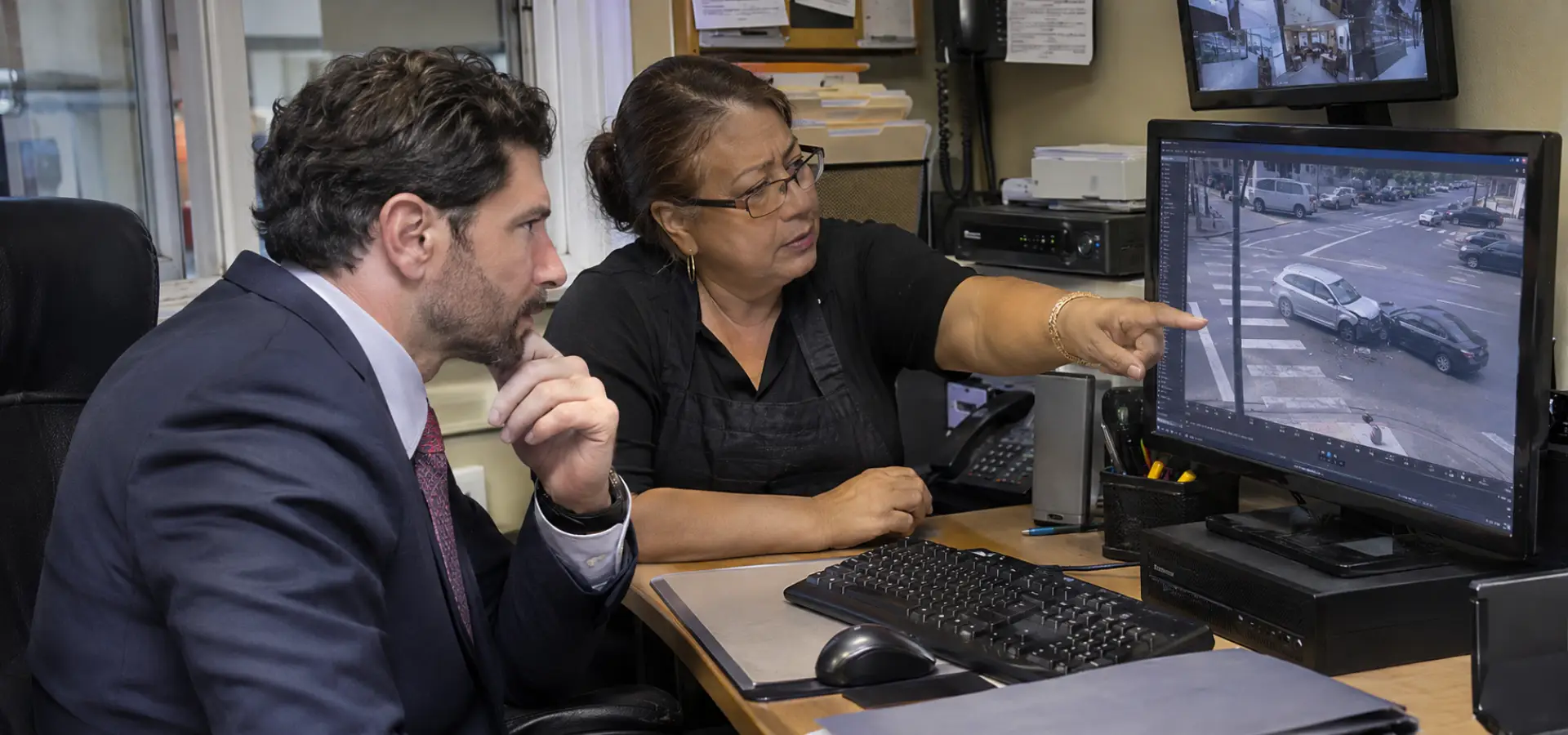
When a camera owner won’t hand over video voluntarily, an attorney has more tools than an individual does.
- Preservation letters go out first. They don’t force anyone to turn over footage yet, but they put the owner on notice. If the video is destroyed after that, a court can punish the party that destroyed it.
- Public records requests can reach government-held video, like transit bus footage or some police recordings, depending on the state’s records law and any confidentiality exceptions.
- Subpoenas become available once a lawsuit is filed. In California, a deposition subpoena for business records under Code of Civil Procedure section 1985 can require a business or agency to produce video, even one that refused an informal request.
- Court orders are sometimes needed for confidential enforcement camera records. Colorado’s statute, for example, specifically allows access by court order for unrelated legal proceedings.
Speed matters with all of these. A subpoena doesn’t help if the system already recorded over the clip. That’s why the preservation letter needs to go out long before a lawsuit is filed.
Making Sure the Footage Holds Up
Getting the video is half the job. It also has to be admissible, which means someone has to show it’s what it claims to be and hasn’t been altered.
In California, Evidence Code section 1553 creates a presumption that a printed or displayed image from a video or digital source is an accurate representation of what it shows. The other side can challenge that presumption, so the foundation still matters. Federal courts and most states follow a similar approach under rules like Federal Rule of Evidence 901.
In practice, that means:
- Getting the original file, not a phone recording of a monitor, whenever possible.
- Keeping the metadata, including the timestamp and camera ID.
- Documenting the chain of custody, from the business owner to the attorney to any expert.
- Identifying a custodian of records, like a store manager or agency employee, who can testify about how the system works.
Timestamps on private systems are often off by minutes or even hours. That’s normal, and an expert can usually line the footage up with the police report and 911 call times. But it’s one of the first things the other side will attack, so it’s worth getting right early.
Let WCTL Ask for That Video And Represent You
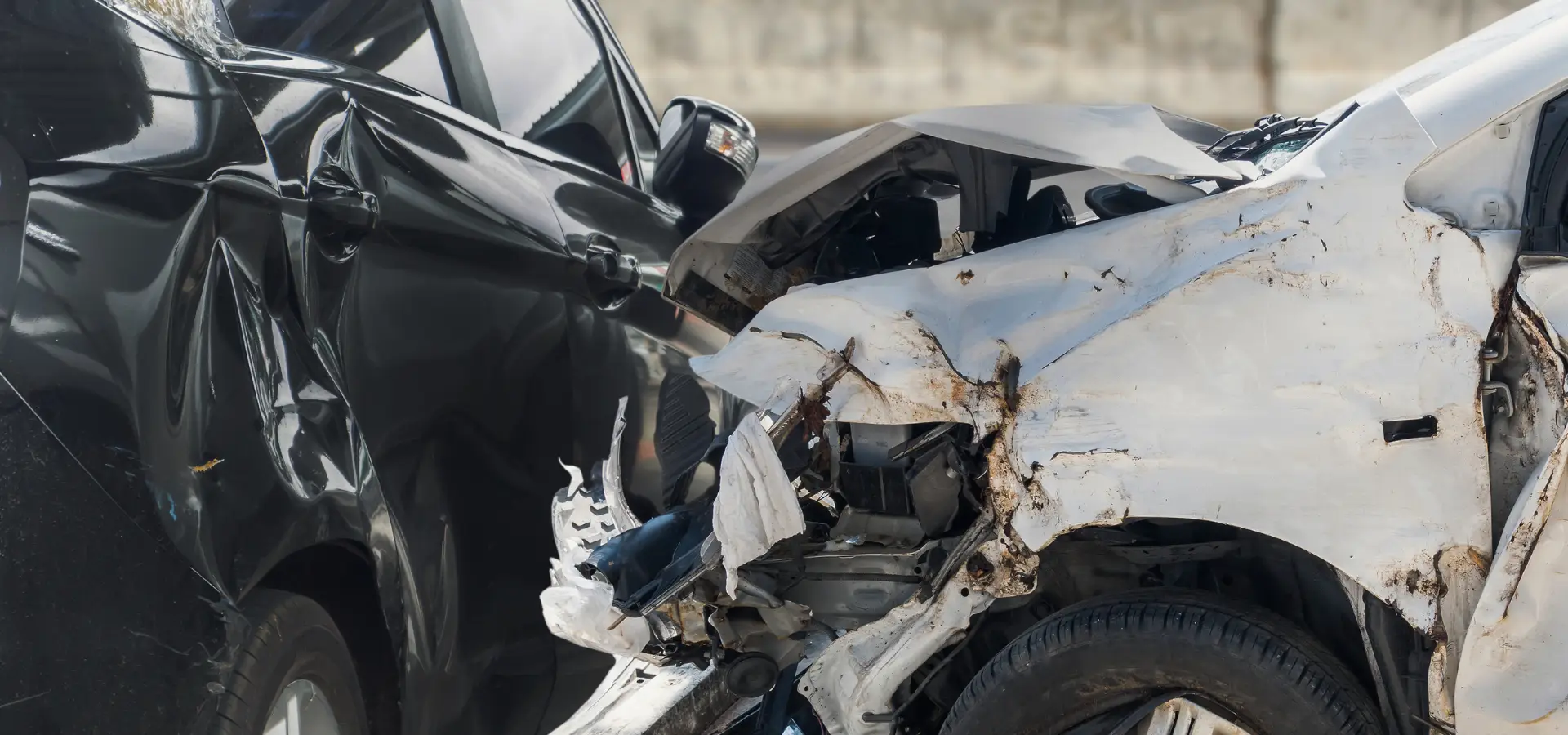
Camera footage doesn’t preserve itself. Every day after a crash, another business system records over another clip, and another piece of proof is gone. The other driver’s insurance company is not going to go looking for video that hurts its own policyholder.
At West Coast Trial Lawyers, we move fast on evidence. When you call us after a crash, we identify every camera that may have caught it, send preservation demands, and work with reconstruction experts to turn footage into proof of fault. We handle car accident cases in California, Arizona, Nevada, Washington, Colorado, and Oregon.
If you were hurt in a crash and think a camera might have caught it, call us at (213) 927-3700 or contact us online for a free case review.