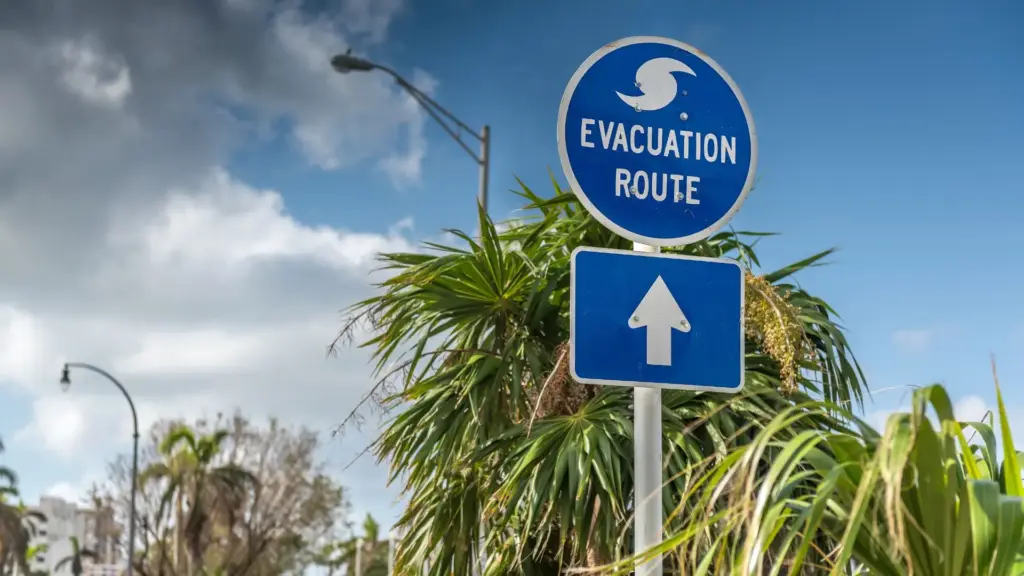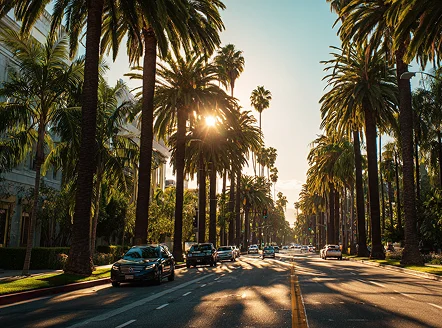
It is the kind of question that turns quiet neighborhoods into battlegrounds and racks up millions of views online: you pull up to park on a public street, and a neighbor storms out insisting that spot belongs to them because it is “in front of their house.” Cones appear. Trash cans get dragged into the road. Passive-aggressive notes show up under windshield wipers. So who is actually right?
In California, it is generally legal to park on the public street in front of someone else’s house. A homeowner does not own the street or the curb in front of their property, and they cannot reserve a public spot just because it happens to sit outside their window. But, and this is where it gets interesting, there are real exceptions, and there are things homeowners absolutely can and cannot do about it.
Does the Sidewalk in Front of Your House Belong to You?
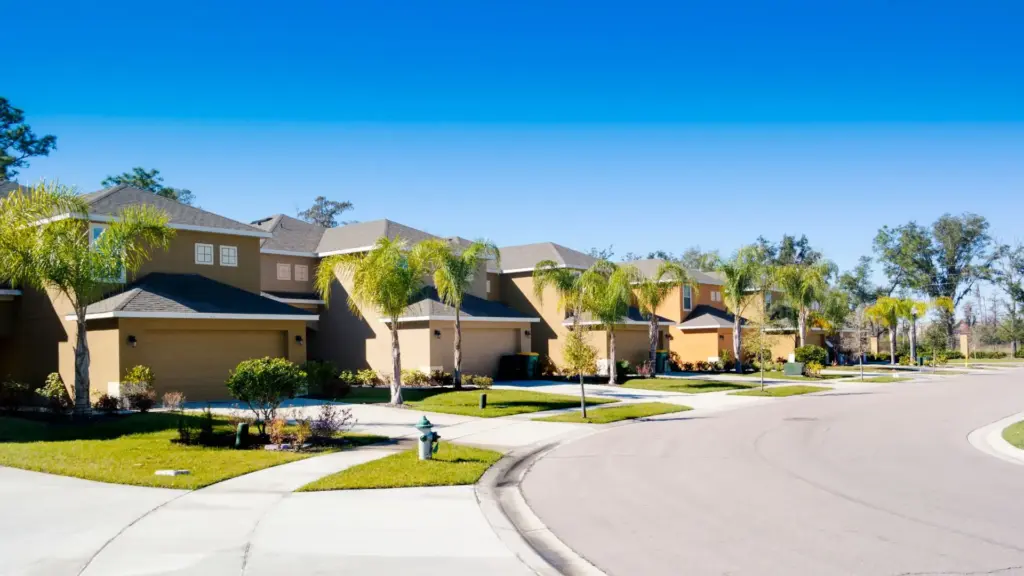
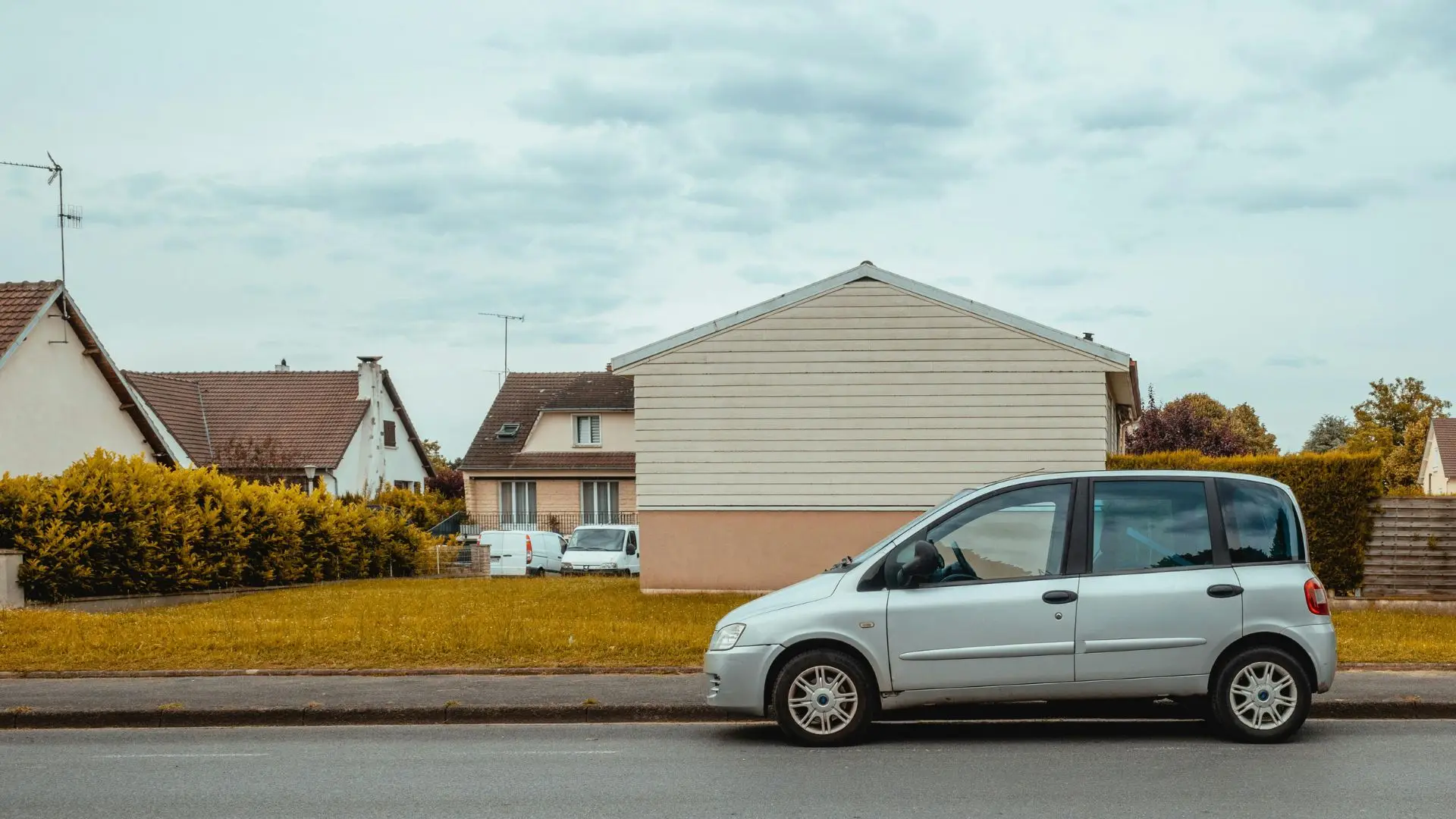
The street in front of a home is public property, maintained by the city and open to all. Owning a house does not extend your property line into the roadway. As the California DMV has put it plainly, it is generally legal to park in front of another person’s house as long as you are not blocking a driveway or violating a posted restriction.
So if you find a legal, unmarked, unrestricted spot on a public street, you can park there, even if the person inside the nearest house would rather you didn’t. Their preference is not the law and with that said, “generally legal” comes with a list of important exceptions.
When Is It Actually Illegal to Park in Front of Someone’s House
Several situations turn that public spot into an illegal park. Under the California Vehicle Code, you cannot:
- Block a driveway- California Vehicle Code 22500 makes it illegal to park where you block a public or private driveway. Even an inch over the driveway’s apron can earn you a ticket or a tow.
- Park at a colored curb in violation of its meaning- Red means no stopping or parking, blue is for disabled parking with a placard, white and yellow are limited loading zones, and green is time-restricted.
- Park within 15 feet of a fire hydrant, on a crosswalk, on a sidewalk, or in a marked no-parking zone.
- Leave the vehicle too long- Under California Vehicle Code 22651, a vehicle parked continuously in the same spot on a public road for more than 72 hours can be cited and towed as a presumed abandoned vehicle.
Can You Reserve Parking Spaces with Traffic Cones and Trash Cans?
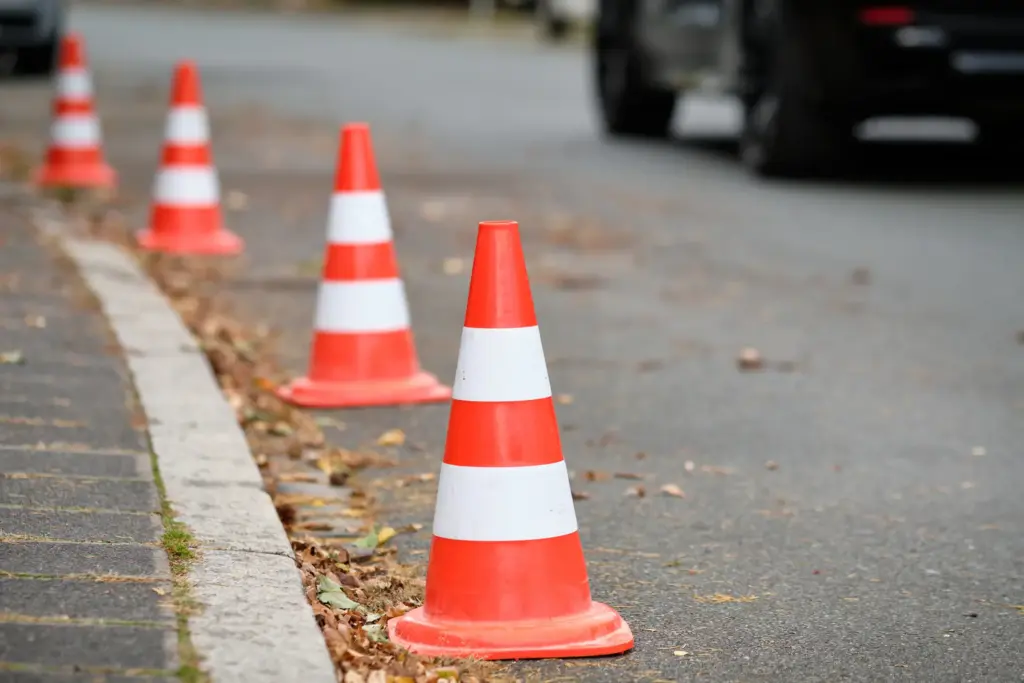
You cannot reserve a public parking spot with cones, trash cans, chairs, buckets, or any other object. Under California Vehicle Code 21465, it is illegal to place unauthorized objects on a public roadway, and that includes the homemade “reserved parking” setups people put out in front of their homes.
In 2025, the San Bruno Police Department issued a public warning telling residents to stop using cones and garbage cans to claim spots, reminding everyone that public streets are for everyone and that blocking them off “isn’t just inconsiderate, it’s not allowed.” Departments have also reminded residents that trash cans belong at the curb the night before or day of pickup, not as parking blockers.
With that in mind, if you pull up to a legal public spot and someone has set out cones or a trash can to save it, you are generally within your rights to move those unauthorized objects aside and park.
If you would rather not get into it, you can report the illegally placed objects to your city, often through a 311 line or your city council member’s office. The only legitimate objects on the street are official ones placed with a city permit for construction, maintenance, or city work.
What Homeowners Can and Cannot Do
It helps to separate the myths from the actual rights.
Homeowners cannot:
- Own or reserve the public street or curb in front of their home
- Block off a spot with cones, cans, or other objects
- Have a legally parked car ticketed or towed just for being there
Homeowners can:
- Report a vehicle that is blocking their driveway, which is genuinely illegal and towable
- Report a car that has not moved in more than 72 hours
- Petition their city for a residential permit parking district
That last point is the legitimate, legal version of “reserving” neighborhood parking. Under California Vehicle Code 22507, cities are allowed to create residential permit parking zones that restrict parking to permit holders during certain hours. If your neighborhood has these, they will be marked with signs, and that is the only enforceable way residence-based parking priority happens. A cone is not a permit.
Local Rules Can Change the Picture
Because so much parking regulation is local, the rules on your specific street can differ from the statewide baseline. Cities and counties set their own ordinances on things like:
- Residential permit parking districts and overnight parking restrictions
- Street-sweeping schedules with posted no-parking windows
- Oversized vehicle, RV, and trailer parking limits
- Parking on an unpaved front yard, which many municipal codes separately prohibit even on your own property
Before assuming a spot is fair game or trying to enforce your own “rights” as a resident, it is always worth checking your city’s municipal code and looking for posted signs. Our explainer on whether it is illegal to park in an EV charging spot covers another corner of California parking law that trips people up, and if you are curious about how California rewrites everyday street rules, our piece on the Freedom to Walk Act and jaywalking is a good companion read.
When a Parking Dispute Turns Into Something Serious
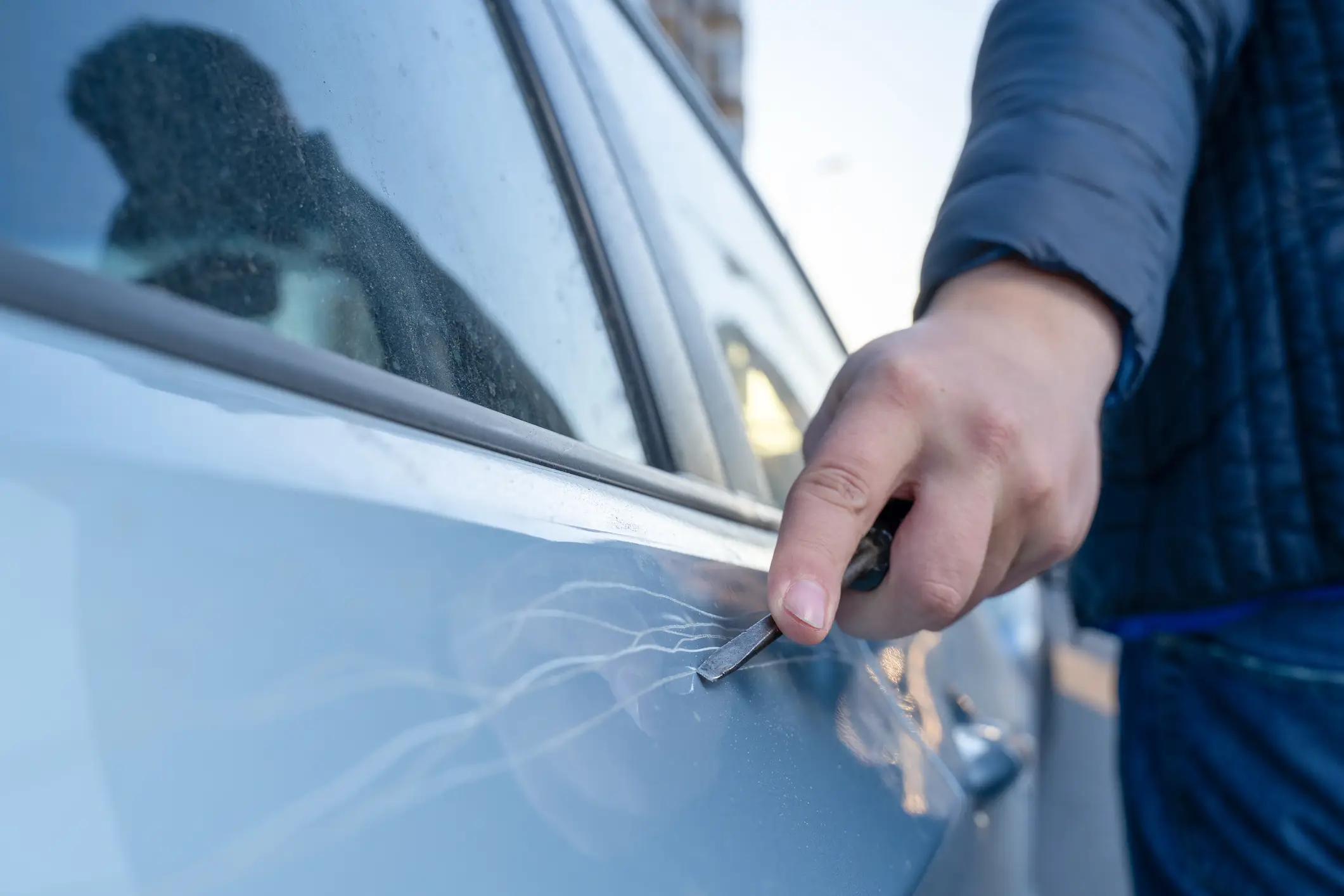
Most of these standoffs end with an eye roll and a grumble. But parking disputes do sometimes escalate, a towed car and a fight over the bill, a confrontation that turns physical, a vehicle damaged out of spite, or a pedestrian struck in the chaos of a crowded, poorly parked street. When a petty disagreement crosses into property damage or injury, it stops being a neighborly squabble and becomes a legal matter.
If a parking situation in California has left you with a damaged vehicle, a tow you should not have to pay for, or an injury from an escalated confrontation, West Coast Trial Lawyers can help you understand your options. Our team has recovered over $1.7 billion for Californians, and attorneys like Neama Rahmani, a former federal prosecutor, lead a firm that knows how to sort out who is actually liable when things go sideways.
Reach us at (213) 927-3700 for a free, no-pressure conversation about what happened. You pay nothing unless we win.