Who Can Be Liable in an Uber or Lyft Accident?
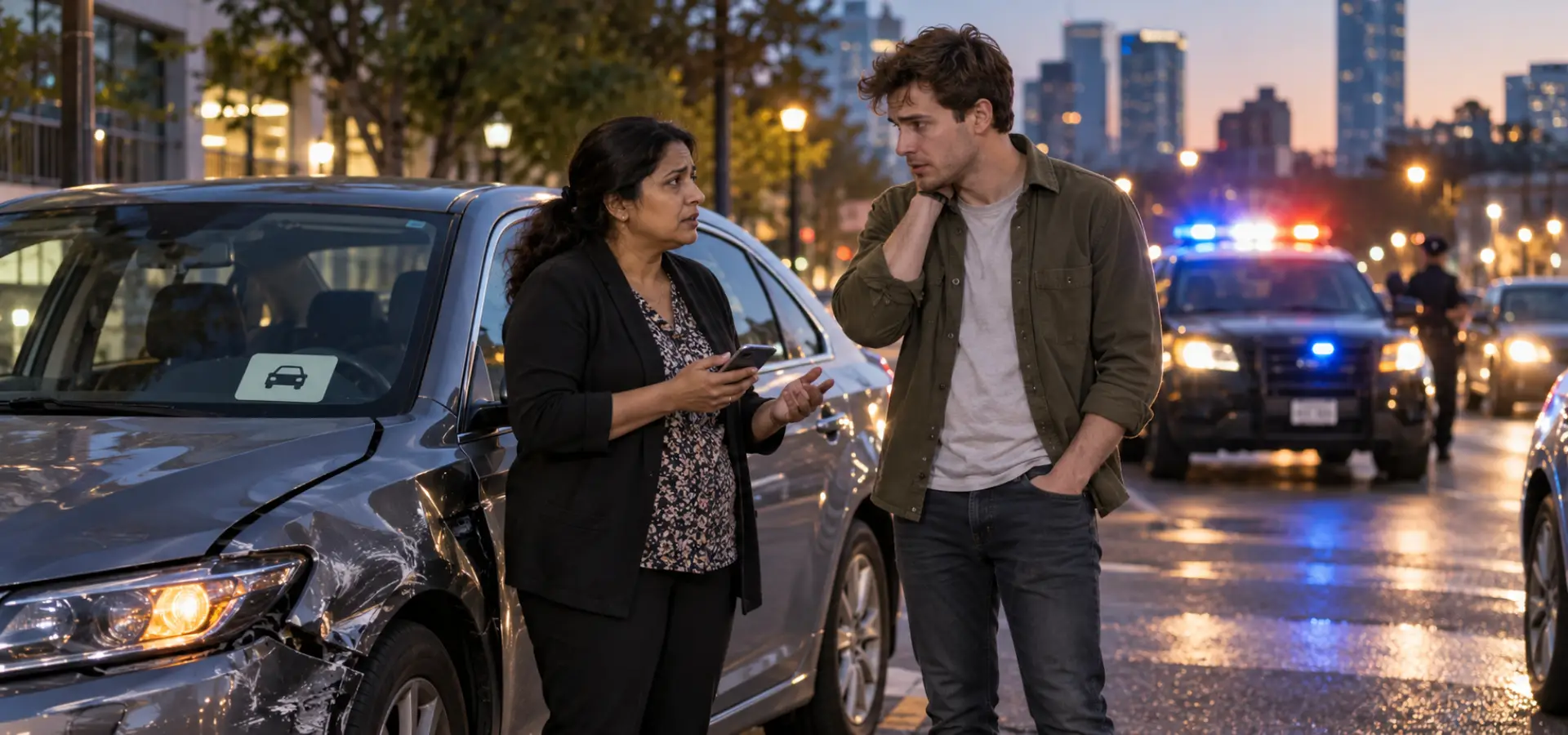
Determining who to sue after an Uber or Lyft accident depends on the circumstances of the crash and the actions of those involved. Injured parties may need to consider factors, such as driver conduct, the details surrounding the collision, and the insurance coverage involved when assessing their options.
The Rideshare Driver
An Uber or Lyft driver may be liable when their actions contribute to a collision, especially if they violating traffic laws, speeding, failing to yield, or engaging in distracted driving may show that the driver failed to exercise reasonable care while operating the vehicle. When this type of behavior contributes to an accident consisting of injuries and property damage, the driver may be held personally liable for the losses caused.
Another Motorist
Other drivers can be responsible when their actions cause a rideshare accident, because a motorist who fails to follow traffic rules or causes a collision may be liable for damages incurred, including bodily injury, lost wages, and emotional distress.
A Vehicle Owner When Legally Relevant
Vehicle ownership may also become significant when a rideshare vehicle is involved in a collision, because someone who allows another person to use their personal vehicle may have legal responsibilities, particularly if they knew or should have known that the individual was unfit or posed a foreseeable risk. California law also imposes certain liability on owners for a driver’s negligence when the vehicle is operated with their permission under California Vehicle Code § 17150.
An Employer, Company, or Third Party When Facts Support Liability
In some cases, a rideshare company or another third party may be held responsible when its own conduct contributed to the accident. Although many of these drivers are classified as independent contractors, that status can limit traditional vicarious liability for the driver’s negligence when the requirements of California’s Proposition 22 are satisfied.
Other legal theories may still be considered, such as claims based on the company’s own conduct, company policies, vehicle maintenance, or actions involving other parties.
Multiple Parties Under Comparative Fault
California follows a pure comparative fault system, meaning responsibility for an accident can be divided among the parties according to their respective degrees of fault. In Li v. Yellow Cab Co. (1975), the California Supreme Court replaced the former all-or-nothing contributory negligence rule with comparative negligence, allowing recovery to be reduced in proportion to each individual’s own share of responsibility.
When it comes to Uber and Lyft accidents with multiple parties involved, a court may consider the conduct of the rideshare driver, another motorist, the passenger, or other potentially responsible groups when determining liability. Under California Civil Code § 1431.2, each defendant is accountable for their share of economic and noneconomic damages based on their percentage of fault.
Is Uber or Lyft Automatically Liable for a Driver’s Negligence?
Uber and Lyft are not automatically held liable for a driver’s negligence just because the driver was providing rideshare services at the time of the impact. Whether a rideshare company can be held responsible will depend on the nature of the relationship between the driver and the company, the facts surrounding the accident, and whether the company’s own actions establish grounds for a claim.
The state’s rules governing app-based drivers, including how they are classified under Proposition 22 (Cal. Bus. & Prof. Code § 7451), can also affect whether traditional employer liability rules apply. For example, while independent contractors are responsible for any accident they might have caused, but if Uber and Lyft heavily influenced the events leading up to the accident, then the company can be held liable for damages.
How Does the Driver’s App Status Affect the Case?
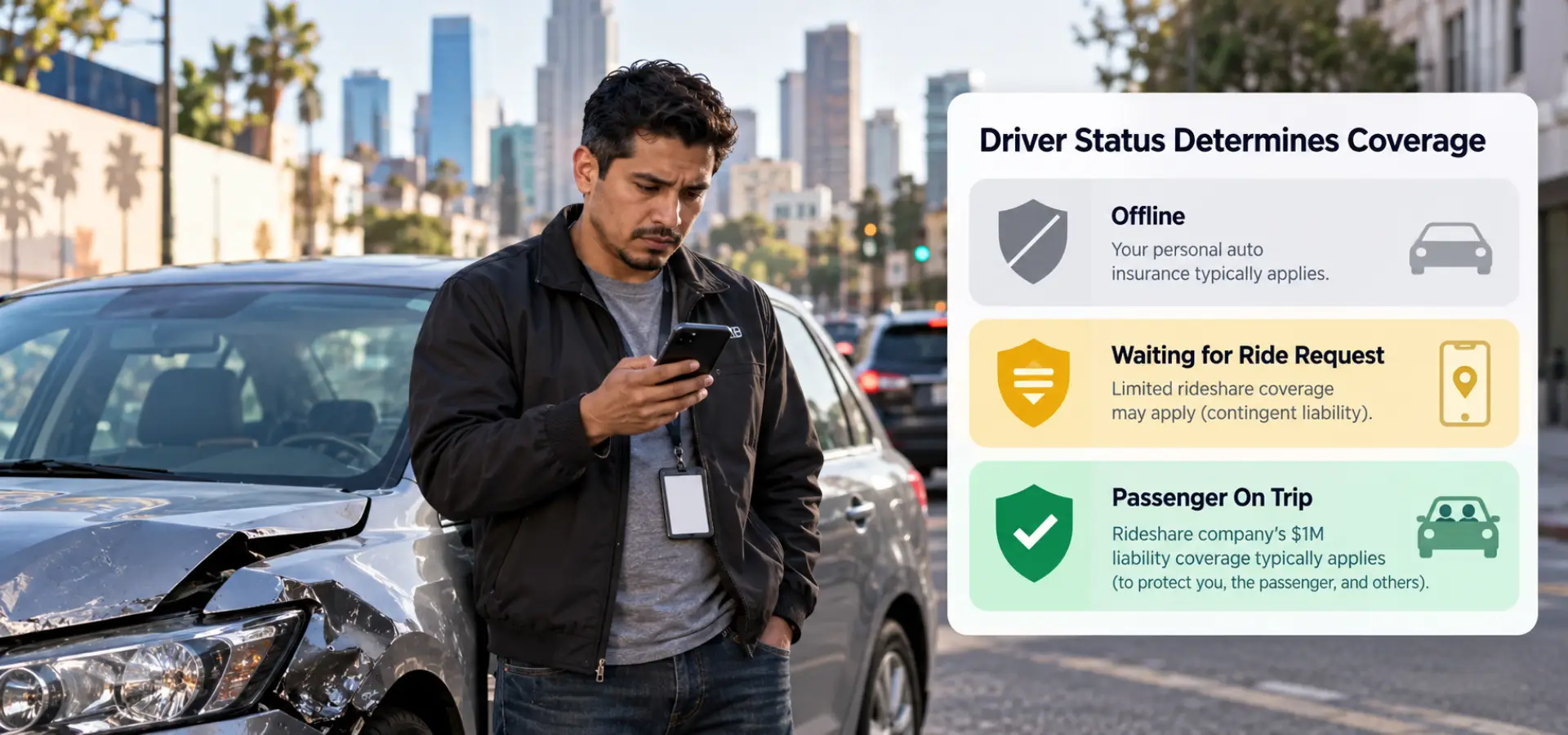
The driver’s status on the rideshare platform can matter because it helps show what they were doing at the time of the collision and which insurance coverage may apply (Cal. Pub. Util. Code § 5433).
For instance, records showing whether the driver had accepted a ride request, was actively transporting passengers, or available to provide rideshare services can help identify the coverage period. Once the driver accepts a request, the higher coverage requirements will remain in effect through the end of the transaction or trip.
App records may also help determine the timeline of the collision, including when the driver logged into the platform, accepted a trip, or started transporting a passenger. These can give context when reviewing the accident and assessing which insurance policy may apply. However, app status alone does not necessarily assign fault, as liability will still depend on the facts of the collision and the conduct of the parties involved.
What If Another Driver Caused the Rideshare Crash?
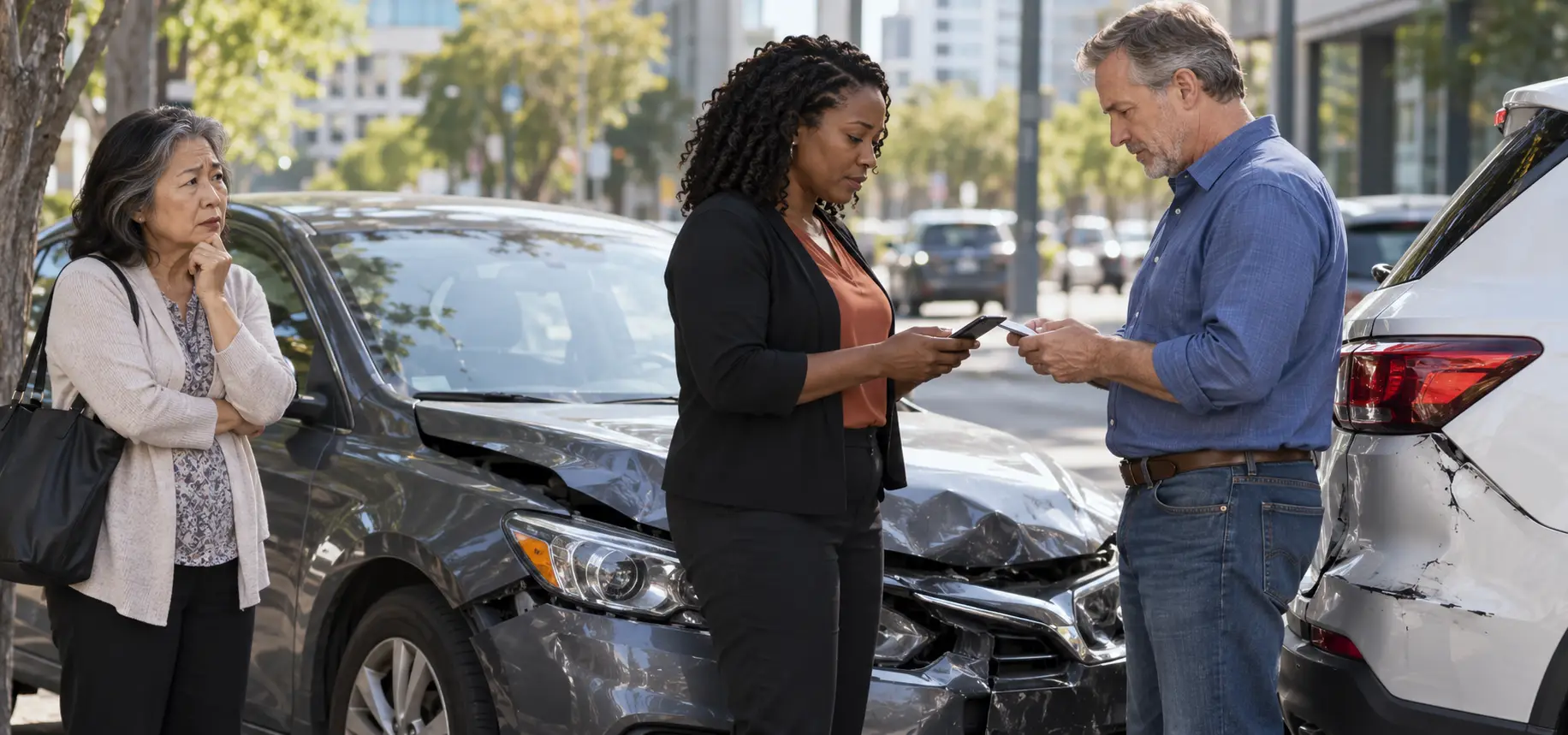
If a third party motorist causes an Uber or Lyft collision, that driver may be held responsible for the injuries and damages caused by the crash. For instance, if they run a red light and strike a driver who is in the other rideshare vehicle carrying a passenger, that individual’s conduct may provide the basis for a personal injury claim. The police report, photographs, and witness statements can help demonstrate how the accident occurred and whether the third party driver violated traffic laws.
An injured passenger can pursue a claim against the at fault motorist for losses stemming from the crash, and the rideshare driver may also have grounds to pursue a case. If the responsible individual lacks insurance or flees the accident scene, California law requires a transportation network company to provide uninsured and underinsured motorist (UM/UIM) coverage while a passenger is in the vehicle (Cal. Pub. Util. Code § 5433; Cal. Ins. Code § 11580.2)
Based on the circumstances involved, available insurance, and the extent of the losses, an injured passenger or rideshare driver may seek compensation for medical treatment, lost income, property damage, and other recoverable losses from the responsible party and applicable insurance coverage.
Can More Than One Driver Share Fault?
More than one driver can share fault for a rideshare accident when the conduct of multiple drivers involved contributes to the collision. Under the state’s negligence system, determining fault requires assessing the conduct of each of the parties involved and assigning responsibility according to their degree of fault. A driver may be held liable for the portion of damages resulting from their negligence even when another individual also contributed to the crash.
This distribution of fault can affect the amount an injured person may recover. California law allows damages to be reduced in accordance to an individual’s own percentage of fault. This means that the amount recovered will depend on the circumstances and liability assigned to each party. Properly identifying every potentially accountable group can be important when pursuing maximum compensation available under the law.
What Evidence Helps Identify the Liable Parties?
Evidence can help establish what happened, who contributed to the collision, and which parties may be held liable. Reviewing the available documentation can also help identify each party’s role in the crash and support a claim for financial compensation.
1. Crash-Scene Evidence
After a rideshare accident, gathering evidence can help determine how the crash happened and identify the parties involved. Photos, videos, road conditions, and witness statements may provide important details about the situation. It is important to gather such evidence promptly before certain conditions or physical documentation or footage is lost or no longer exists.
2. Trip and App Records
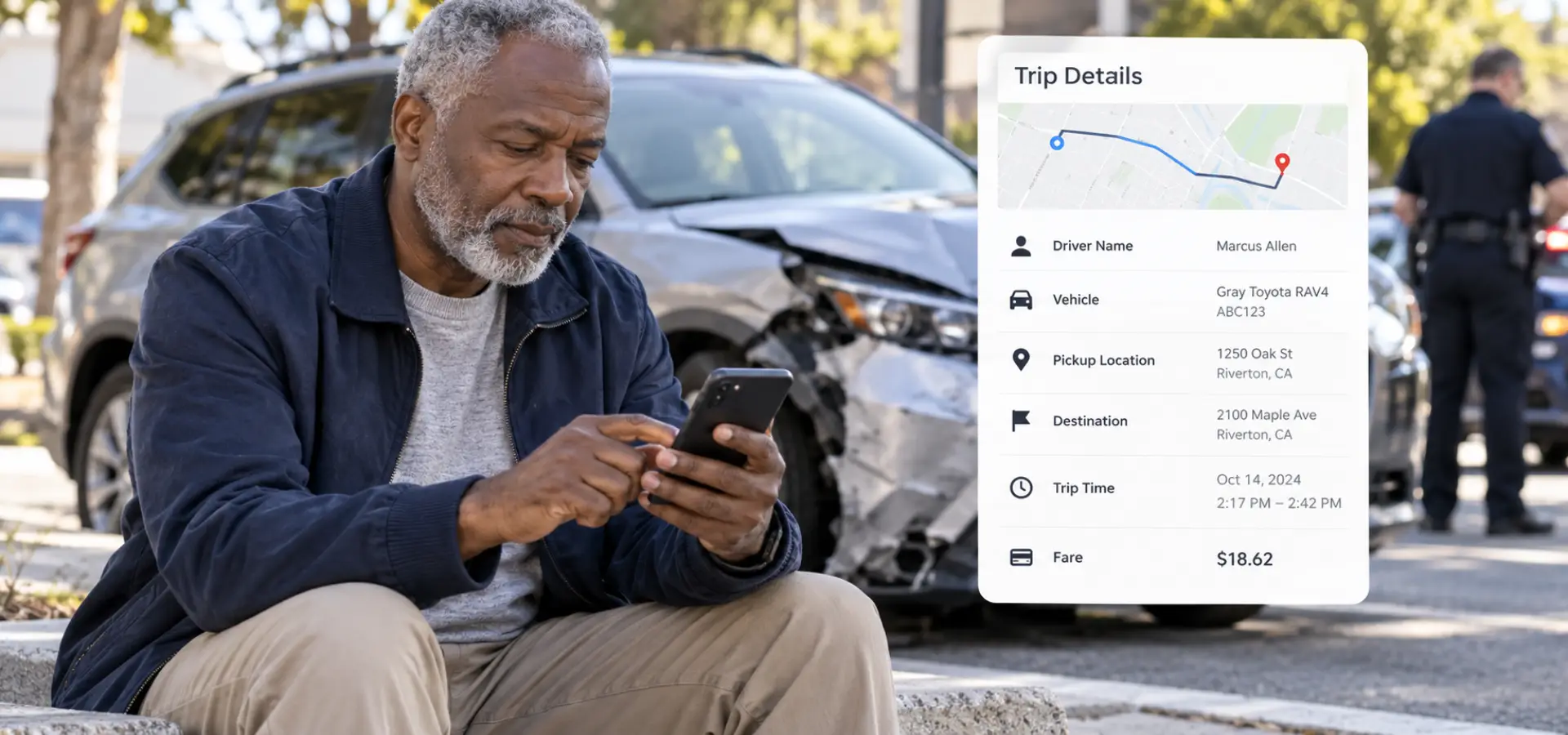
For rideshare collisions, electronic records can help pinpoint the driver’s activity and status at the time of the impact. Trip information may also help make a connection with the driver’s conduct to a rideshare accident claim. These records can be useful throughout the legal process when determining which parties and insurance policies may apply.
3. Dashcam, Surveillance, Telematics, and Witness Evidence
Dashcam footage, surveillance video, vehicle telematics, and witness statements can provide reliable evidence of the rideshare accident. These sources may help prove where the vehicles were, what they were doing, and how the crash was triggered. These details can establish liability when accounts of the collision are different from each party.
4. Vehicle Ownership and Company Records When Relevant
Vehicle ownership information can help identify the vehicle owner and determine whether they may be held liable for a driver’s negligence (Cal. Veh. Code § 17150). If the driver was working for a business, employment and other company records may also help clarify the relationship between the driver and the employer. This information can be important in determining whether additional parties may be held responsible.
Is Liability the Same as Insurance Coverage?
Liability and insurance coverage are related but are not necessarily the same. An insurance policy determines what losses may be covered whereas liability concerns who may be held responsible for causing the accident.
Collision coverage may help pay for vehicle damage under the applicable policy, but it does not by itself determine who is liable. In a rideshare accident, multiple insurance policies may potentially apply based on what the driver’s status was at the time of the impact and the circumstances of the incident.
What If You Were a Passenger and Do Not Know Who Caused the Crash?
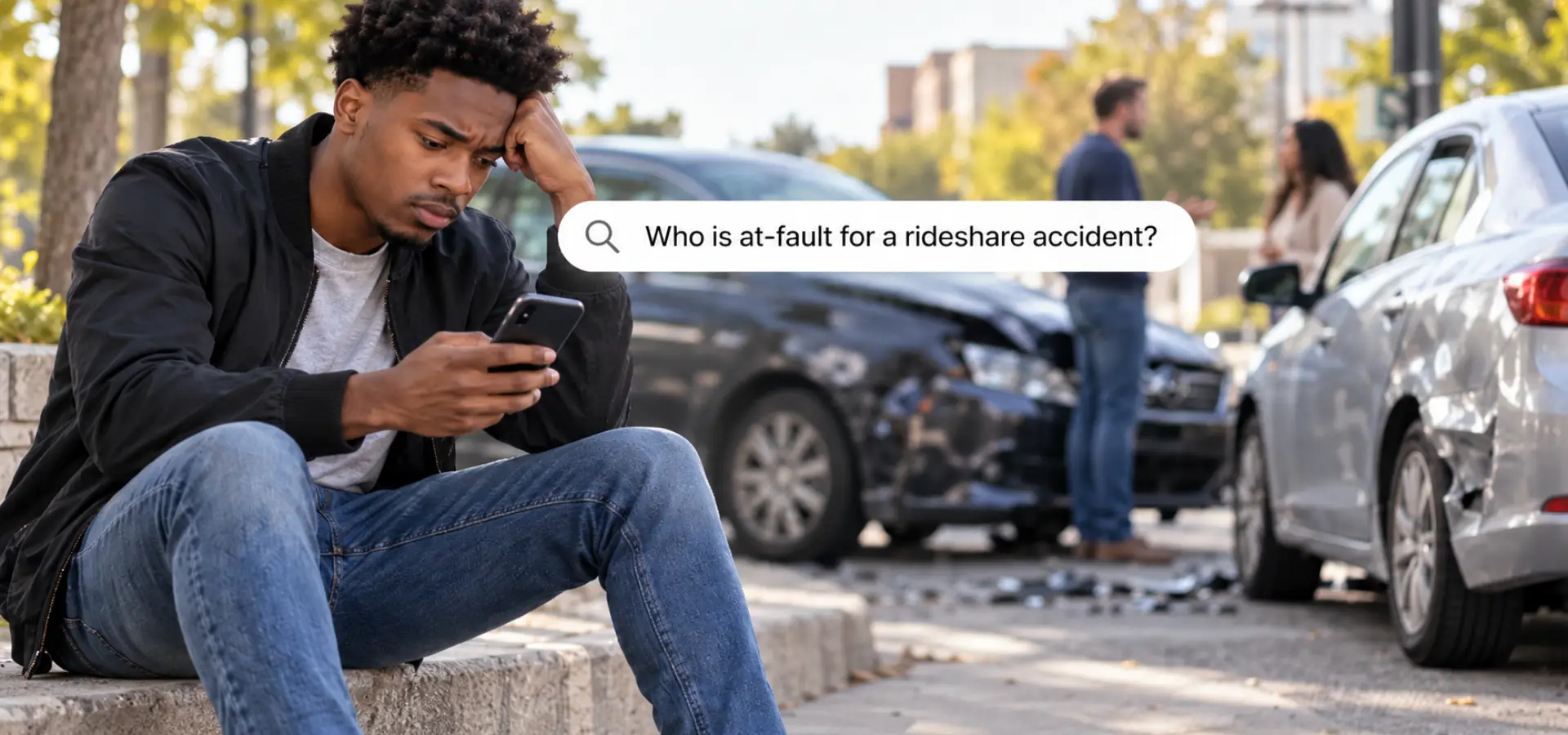
If you were a passenger and do not know who caused the crash, determining responsibility may require evidence from multiple drivers, insurers, and other potential sources. You may still have a claim for medical expenses resulting from injuries suffered in the collision even when fault has not yet been determined. An experienced attorney can help investigate the rideshare accident, communicate with the insurers on your behalf, and pursue fair compensation while responsibility is being assessed. Keeping records of your medical bills, treatment, doctor visits, and health records can help document the impact of your injuries.
When Can a Rideshare Accident Involve Multiple Defendants?
Rideshare accident cases may involve multiple defendants when more than one individual, entity, or condition took part in the event. For instance, a multi-vehicle crash may involve several drivers, while the vehicle owner or a rideshare company may also be involved depending on the facts of the case.
Under California product liability law, a manufacturer may be held responsible for injuries caused by a defective product under applicable legal standards. Liability may also apply to a government agency or other responsible party when dangerous road conditions played a critical role (California Government Code § 835).
Determining who may be at fault in a rideshare collision can affect which insurance coverage applies and how a claim is sought after. Because ridesharing services can involve drivers, vehicle owners, rideshare companies, and multiple insurers, investigating the factors pertaining to the crash is often necessary before responsibility can be assigned.
Involved in a Rideshare Accident? We’re Here to Help
If you were injured in a rideshare accident, determining liability and identifying the applicable insurance coverage can be difficult and confusing. Depending on the circumstances involved, the rideshare driver, another motorist, the rideshare company, or another party may be responsible for your injuries.
At West Coast Trial Lawyers, our California rideshare accident attorneys can investigate the crash, determine who may be responsible for your injuries and losses, and pursue the compensation you deserve. With more than 25 years of legal experience and over $2 billion recovered on behalf of our clients, we have the skills and resources needed to effectively advocate for your rights.
To book a FREE consultation, we welcome you to get in touch with us by calling (213) 927-3700 or completing our easy online contact form.