An amazon delivery accident in California can involve several potentially at fault parties depending on the circumstances of the crash and the delivery arrangement involved. While determining liability in car accidents may sometimes be a simple discussion, the issues surrounding each crash can shape what happened, who may be responsible, and what those affected may deserve following the impact. Understanding these factors can provide greater clarity about the legal issues involved and when it may be helpful to consult an attorney.
What Insurance, Safety, and Driver Requirements Apply to Amazon Deliveries?
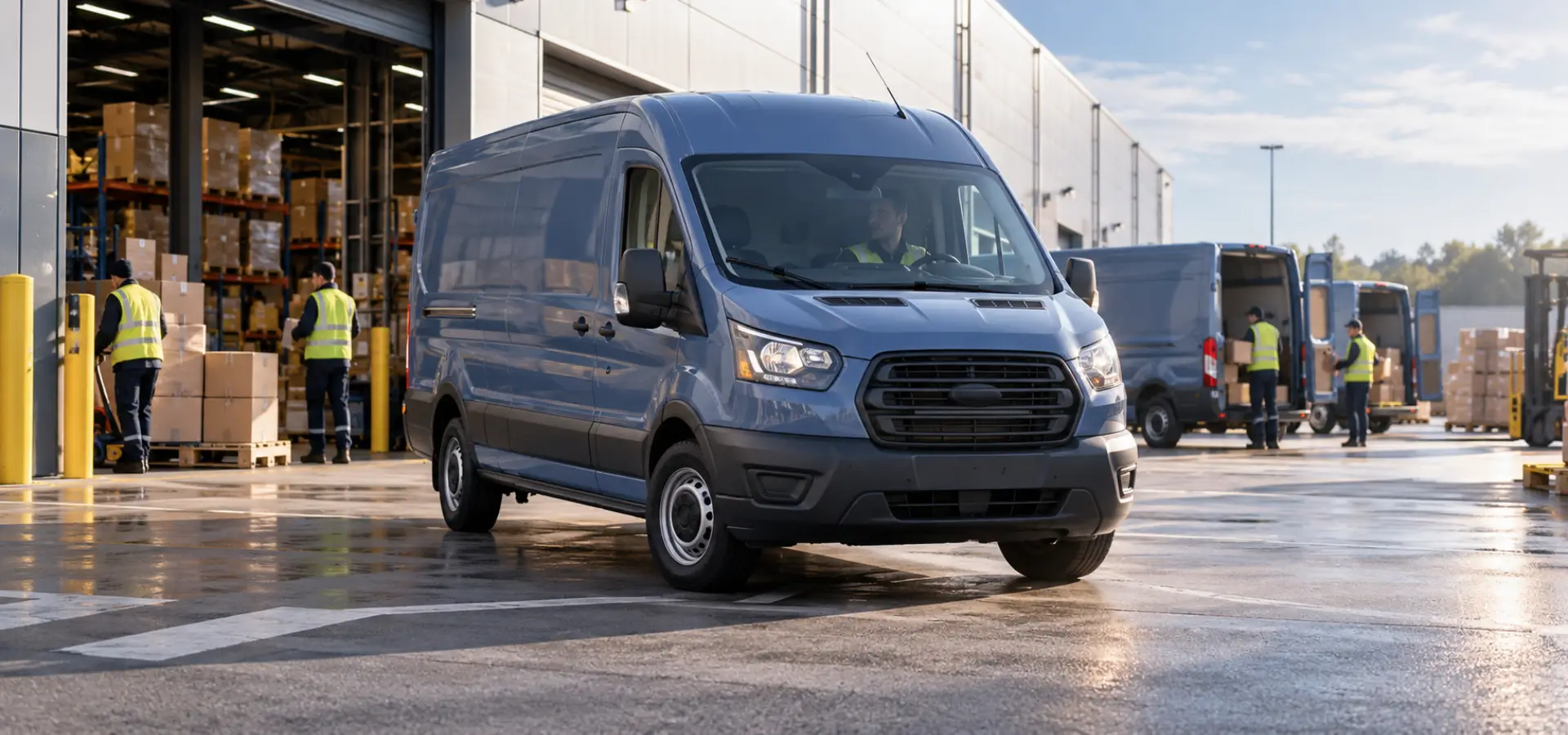
When it comes to applicable insurance policies, drivers in the Amazon Flex program use their own vehicles to deliver packages and must meet Amazon’s program requirements. As a result, Amazon maintains commercial auto coverage for eligible delivery services, including $1 million in auto liability coverage per accident when applicable.
However, Amazon delivery vehicles that operate through Delivery Service Partners (DSPs) are part of a delivery network that relies on independent businesses rather than Amazon directly employing every delivery driver. Amazon launched the DSP program in 2018, and DSPs hire and manage their own drivers while following Amazon’s operational and safety requirements, which are also subject to federal, state, and transportation safety requirements.
Does Amazon Train Their Delivery Drivers?
Amazon uses technology and training programs to maintain delivery safety. For instance, Amazon-branded delivery vans functioning under DSP drivers can be equipped with camera-based safety technology that uses artificial intelligence to identify behaviors, like driver distraction, drowsy driving, following too closely, and stop sign or signal violations.
Amazon also provides driver training that covers delivery fundamentals and safety protocols, including hands-on training designed to prepare drivers for road and delivery hazards.
Is Amazon Automatically Liable When an Amazon Delivery Driver Causes a Crash?
Amazon branding on a delivery vehicle does not automatically make the company legally responsible for a crash. A delivery driver may work directly with the organization, operate as an independent contractor, or fulfill services for a separate delivery company which can affect which party may be responsible for the accident.
After an Amazon truck crash, the circumstances must be reviewed to determine whether negligence contributed to the incident and which parties may be held responsible for it. Certain factors, such as the driver’s status, the delivery arrangement, the vehicle involved, and the level of control by each company can help identify the responsible parties.
Liability coverage may also vary based on the situation and the parties involved, because insurance policies may need to be evaluated when pursuing claims for medical expenses, lost wages, property damage, and other losses. So, determining the appropriate parties and available coverage can help establish whether you may be entitled to compensation.
Who Might Be Liable for an Amazon Delivery Accident?
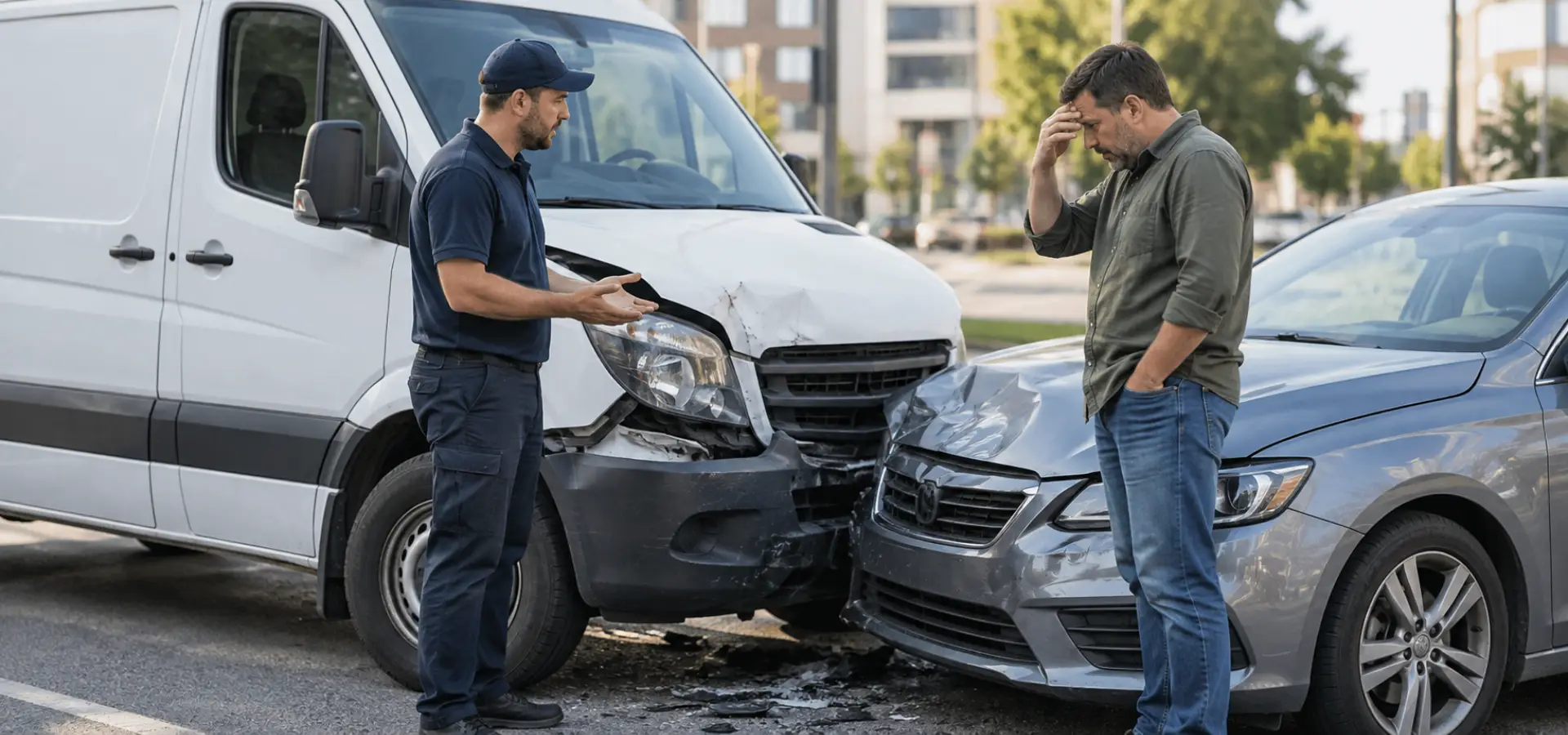
Liability after an Amazon delivery accident can potentially involve more than one party and California’s rules concerning employee and independent-contractor status can involve the state’s ABC test (subject to qualifying exceptions). This means a vehicle owner or leasing company may be met with legal consequences if it is found that their conduct contributed to the accident.
Under California Vehicle Code § 17150, a vehicle owner may be liable for injuries or property damage resulting from a negligent or wrongful act committed by someone operating the vehicle with the owner’s express or implied permission. For instance, issues surrounding an Amazon delivery truck, such as negligent maintenance, could trigger additional questions about liability, however, maintenance companies or other third-party defendants may also be involved when their actions are also associated with the incident.
Why Does the Driver’s Employment or Contractor Status Matter?
The employment or contractor status of an Amazon driver can affect which parties may be held liable for a delivery accident. An employee may be subject to different rules based on an employer’s potential vicarious liability than a driver classified as an independent contractor.
For instance, the amount of control a company exercises over the driver’s work may influence the legal assessment of the situation, including how the driver performs delivery duties and whether the relationship has any resemblance to employment. Other facts may also matter, like how the driver is paid, whether they receive wages or other compensation, who provides the vehicle, and who directs the work.
What Insurance May Apply to an Amazon Delivery Crash?
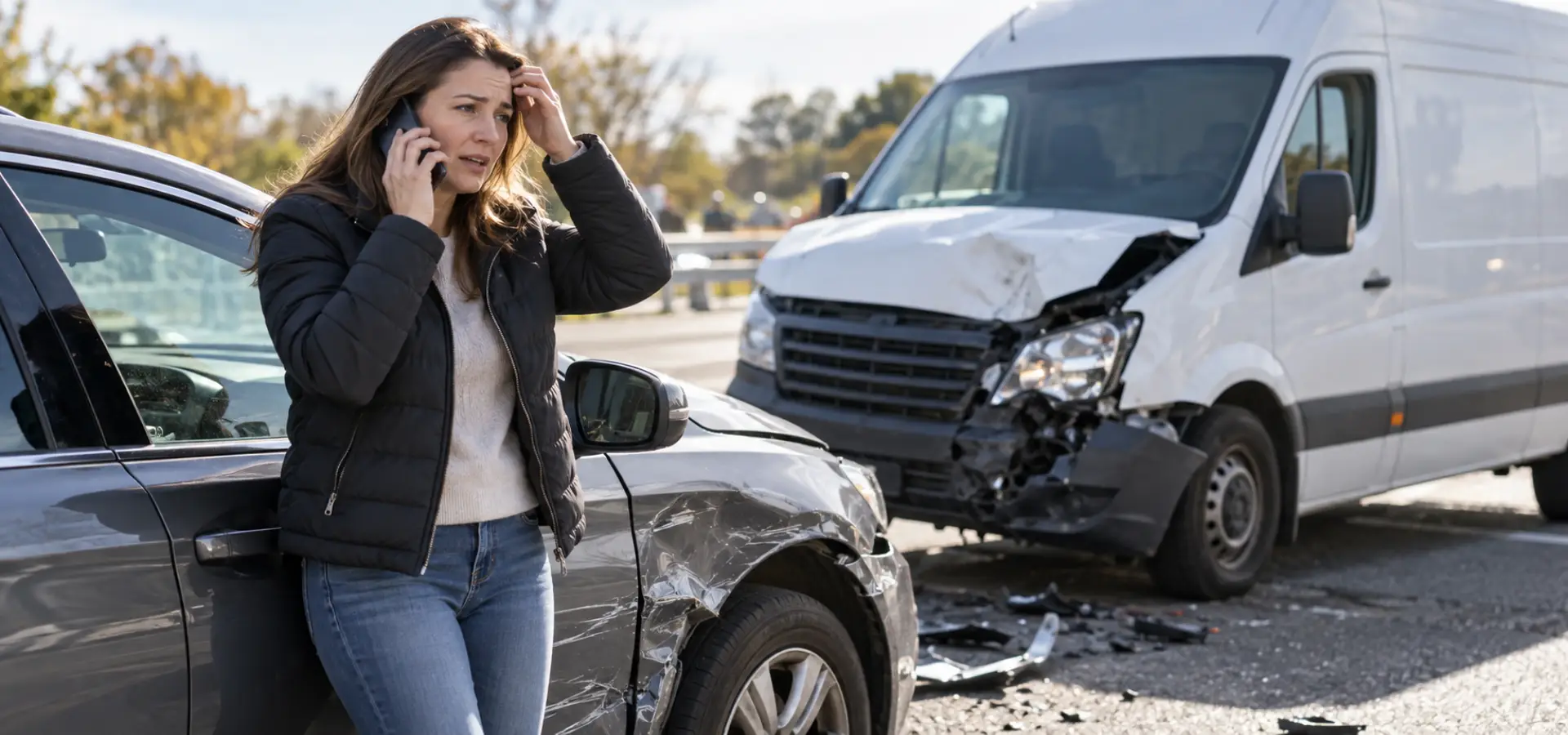
Insurance coverage will depend on who was legally responsible for the crash and the circumstances pertaining to the delivery. For example, a driver’s personal policy, a commercial policy covering the delivery vehicle, an employer’s policy, or other applicable insurance may provide liability coverage, but the availability of coverage will differ depending on the driver’s employment status, vehicle ownership, and the parties involved.
However, once the at fault parties are identified, their insurance policies can be assessed to determine what coverage may be available to pursue. This may include coverage for medical bills, property damage, lost income, and other losses stemming from the collision, but insurance claims should be evaluated based on the specific facts and policy terms presented.
What Evidence Can Show Who Controlled the Delivery Driver?
Delivery records and route information can help show what the driver was doing at the time of the collision, including the assigned route, delivery schedule, and location of the incident. Furthermore, timely forms of evidence such as a police report can also provide documentation of the circumstances involving the accident.
Employer or contractor records may help reveal the driver’s work relationship and who was responsible for assigning or supervising the deliveries being made, because saving these details can be important as some electronic records may not remain available at all times.
What If an Amazon Flex Driver Causes the Accident?
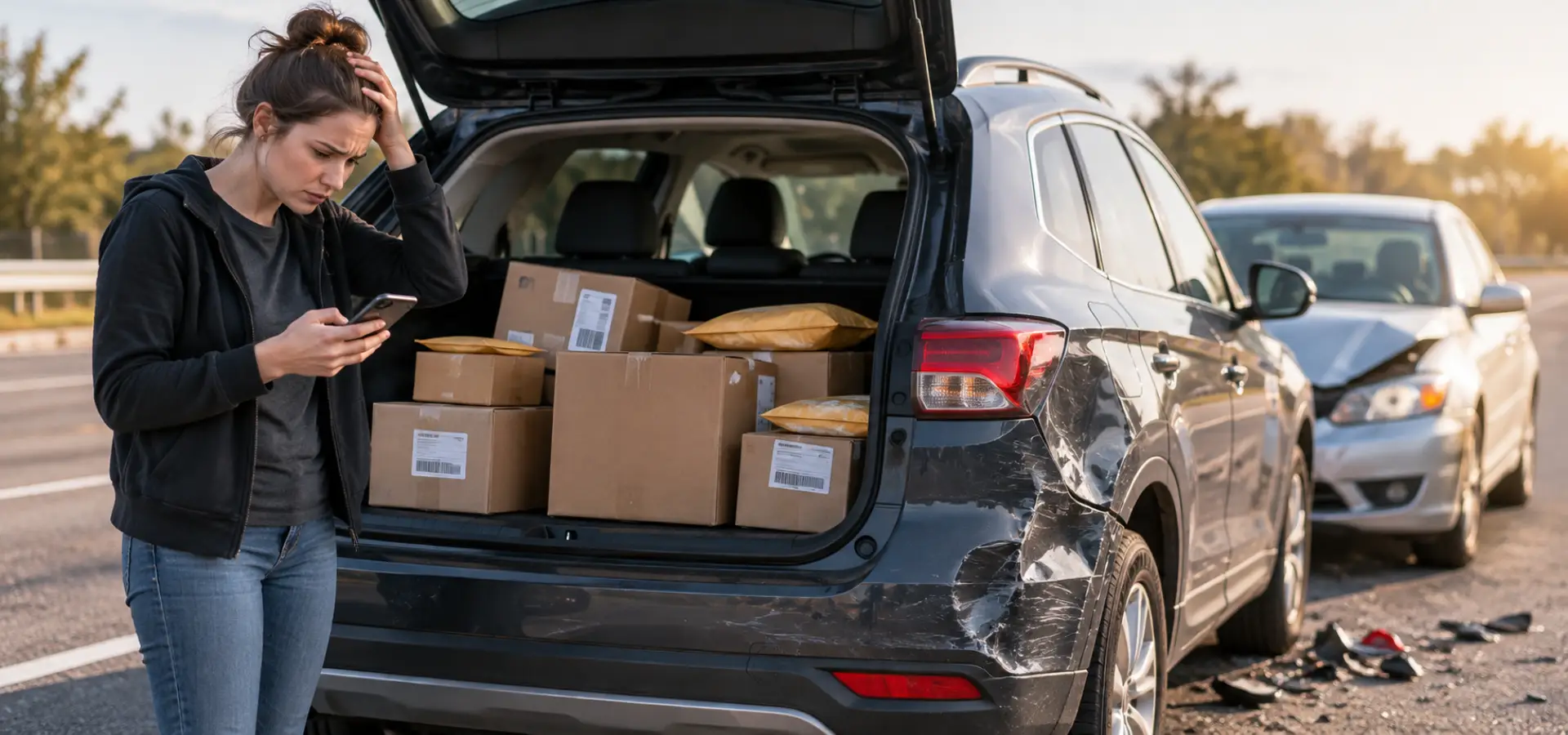
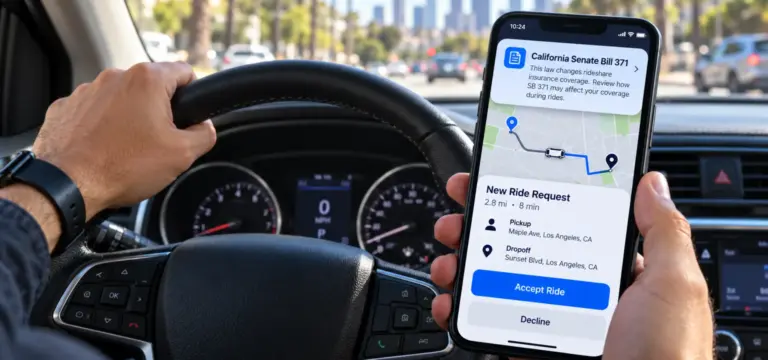
If an Amazon Flex driver causes the accident, the procedure to determine fault is very similar to rideshare accidents, because insurance companies and lawyers would look at the Amazon Flex driver’s delivery history, app activity, and how each order was made in order to determine what the driver’s status was and the activities they engaged in at the time of the impact.
With that in mind, if you were affected by the crash, the available coverage and applicable claims may need to be assessed individually and these cases can, at times, become more complicated when insurers or involved parties fight over which policy provides coverage or which side is responsible for the claim.
Additionally, the driver’s behavior after the incident may also be considered, because if the driver left the scene or was met with law enforcement action, it can prove levels of negligence and reckless behavior.
What Should You Do After an Amazon Delivery Accident?
After an Amazon delivery accident, contact law enforcement immediately and seek medical attention for the injuries you suffered. If you are transported to a local hospital, keep records of your treatment, symptoms, and medical bills. If you are able to try and exchange contact and insurance information with the Amazon driver involved when safe to do so, and get evidence by taking photos of the vehicles, road conditions, and the surrounding scene.
You should also talk with a California personal injury lawyer as soon as possible in the aftermath of the incident. The state’s Code of Civil Procedure § 335.1 generally gives victims 2 years to bring legal action for personal injury caused by someone else’s negligence (exceptions may apply). Amazon delivery drivers may also have access to in-app tools for reporting accidents and getting assistance based on the delivery program they are involved in and the circumstances of the event.
When Does an Amazon Delivery Crash Become a Multi-Defendant Case?
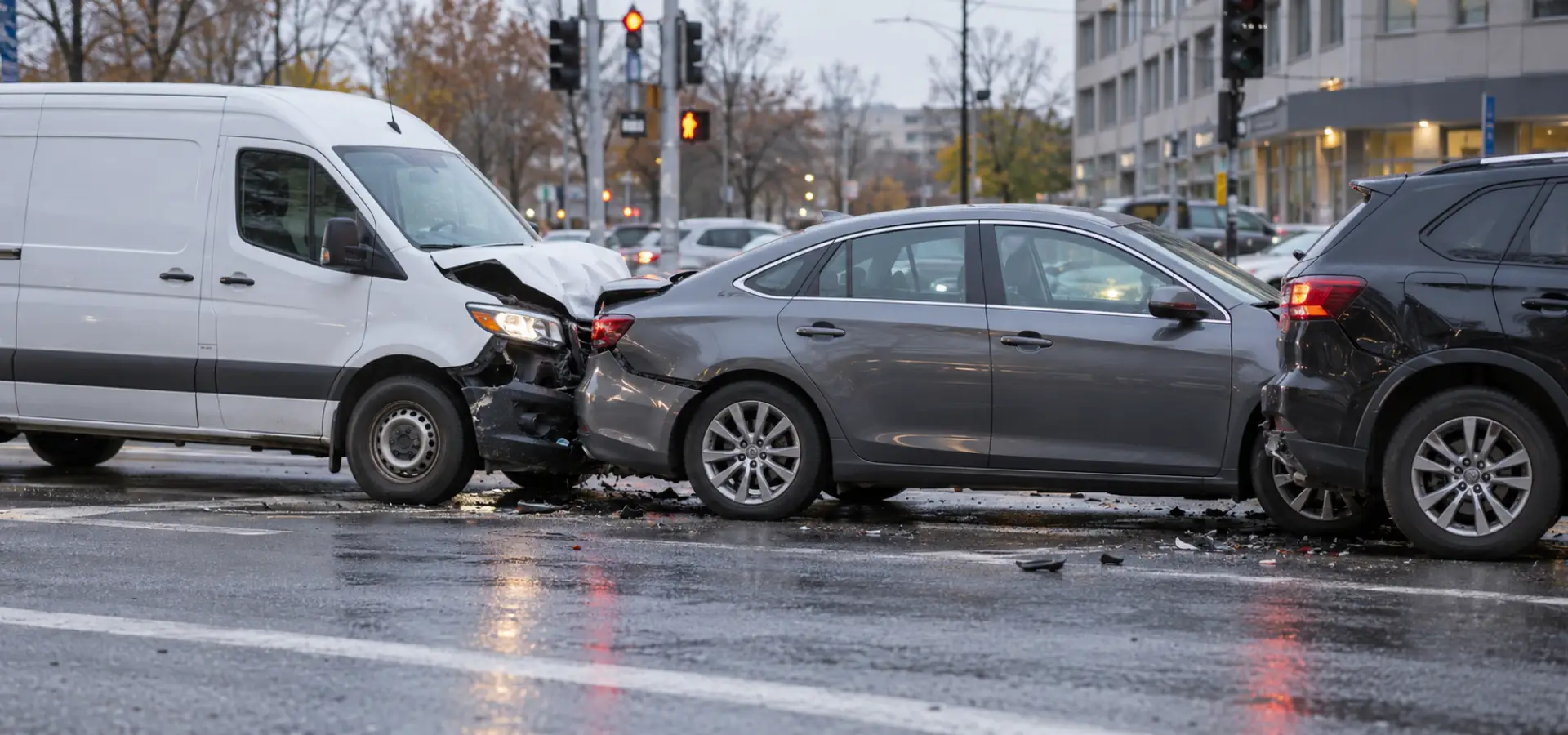
An Amazon delivery crash may involve multiple defendants when more than one party’s conduct or legal relationship leads to the accident. For example, an Amazon truck may be operated by a delivery company or one of several small companies that provide delivery services, while other entities may own, lease, maintain, or load the vehicle. Looking into these particular relationships can help determine which parties may have responsibility for the collision.
More than one party may become involved when different forms of negligence contributed to the impact. Potential defendants may include:
- Delivery driver
- Employer or delivery company
- Vehicle owner
- Lease company
- Maintenance or loading contractor
Their respective insurance policies and liability coverage may also need to be assessed when pursuing legal action for injuries and property damages. A multi-defendant case may become especially significant when the collision results in catastrophic injuries or someone died as a result. Determining each potentially liable individual or entity can help determine the available sources of compensation that can be sought after. An investigation into the incident, employment relationships, vehicle records, and applicable insurance can help identify who should be included in the personal injury claim.
Injured in an Amazon Delivery Accident? Reach Out to West Coast Trial Lawyers Today
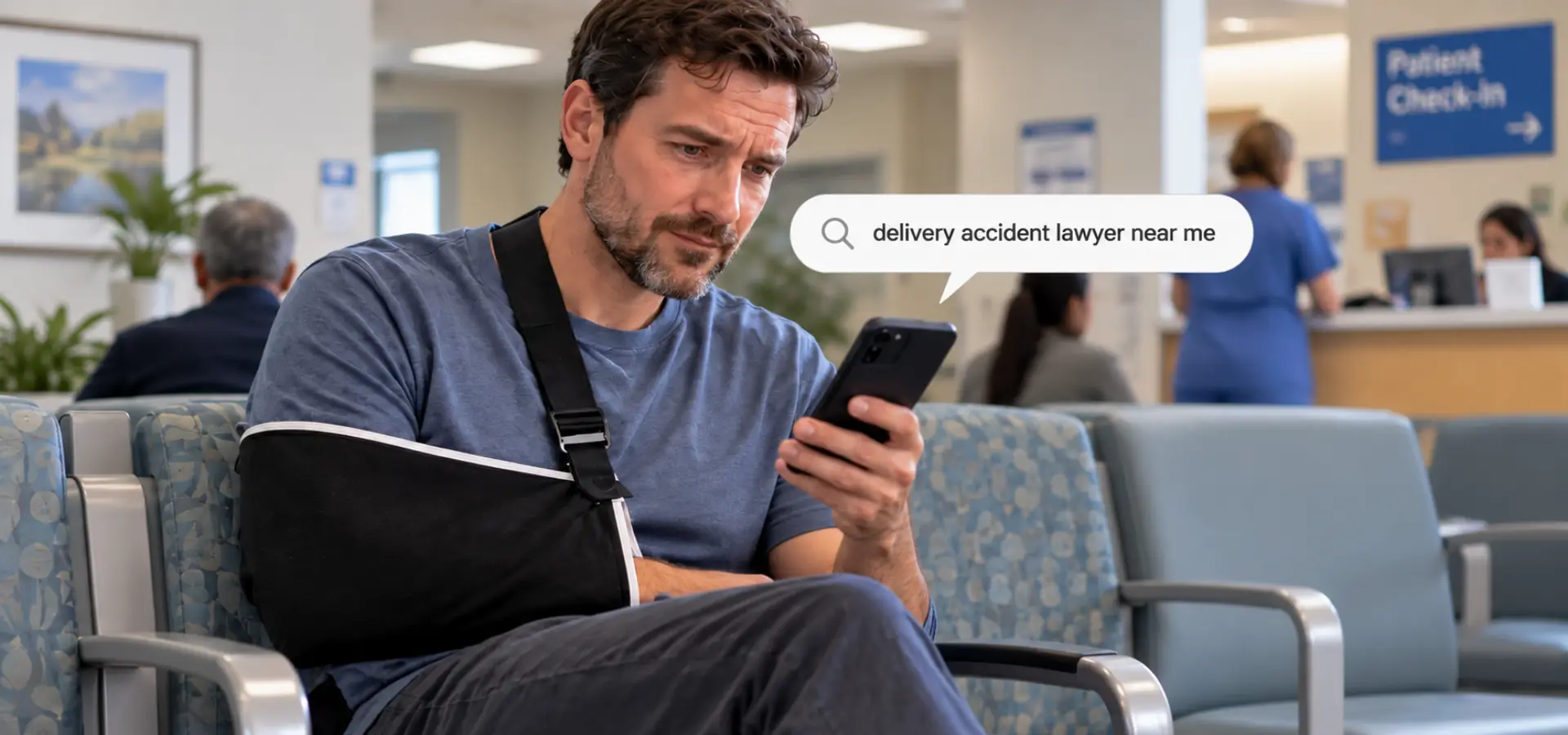
An Amazon delivery accident can leave you with serious pain, a pileup of medical expenses, and confusion over who should be held responsible. If you were harmed as a result of the impact, you deserve to know your legal options and whether you may have a valid claim to pursue compensation.
At West Coast Trial Lawyers, our California personal injury lawyers help clients investigate motor vehicle accidents, identify the parties that may be held accountable, and build claims supported by the evidence presented. Whether the crash involved an Amazon driver, delivery vehicle, or another party, we can look into the situation and advocate on your behalf to get you the best outcome possible.
To set up a FREE case evaluation, we invite you to connect with us by calling (213) 927-3700 or completing our quick online contact form.