
Urban exploring, often referred to as “urbex,” is a growing pastime for thrill-seekers and history enthusiasts alike. This activity involves venturing into abandoned buildings, factories, tunnels, or ghost towns to uncover hidden places and forgotten stories. However, as captivating as it may be, urban exploration often brushes up against legal boundaries, raising important questions about its legality and potential liability for injuries.
Is Urban Exploring Illegal?
The legality of urban exploring is nuanced one. While the activity itself is not inherently illegal, entering private or restricted property without permission typically violates trespassing laws, which can result in fines or criminal charges.
Trespassing Laws for Urban Exploring by State
Trespassing laws vary by state, but generally entering or staying on someone else’s property without the owner’s consent can lead to criminal charges, fines, jail time, or civil liability, regardless whether the site is abandoned or active. Here’s a breakdown of the relevant laws in states where we practice:
Is It Illegal to Force Entry in an Abandoned Building?
Forcing entry—such as breaking locks or windows—can elevate a trespassing charge to a felony. In some cases, forcing entry can create allegations of burglary, vandalism, criminal mischief, theft, or breaking and entering. Even if someone only intended to take photos, damaging property or entering a secured structure can change how law enforcement and insurers view the situation.
Who Is Responsible for Injuries While Urban Exploring?
Urban exploration is filled with risks, from structural collapses to hazardous materials. But who bears responsibility if an injury occurs during urban exploring?
General Rules for Trespasser Liability
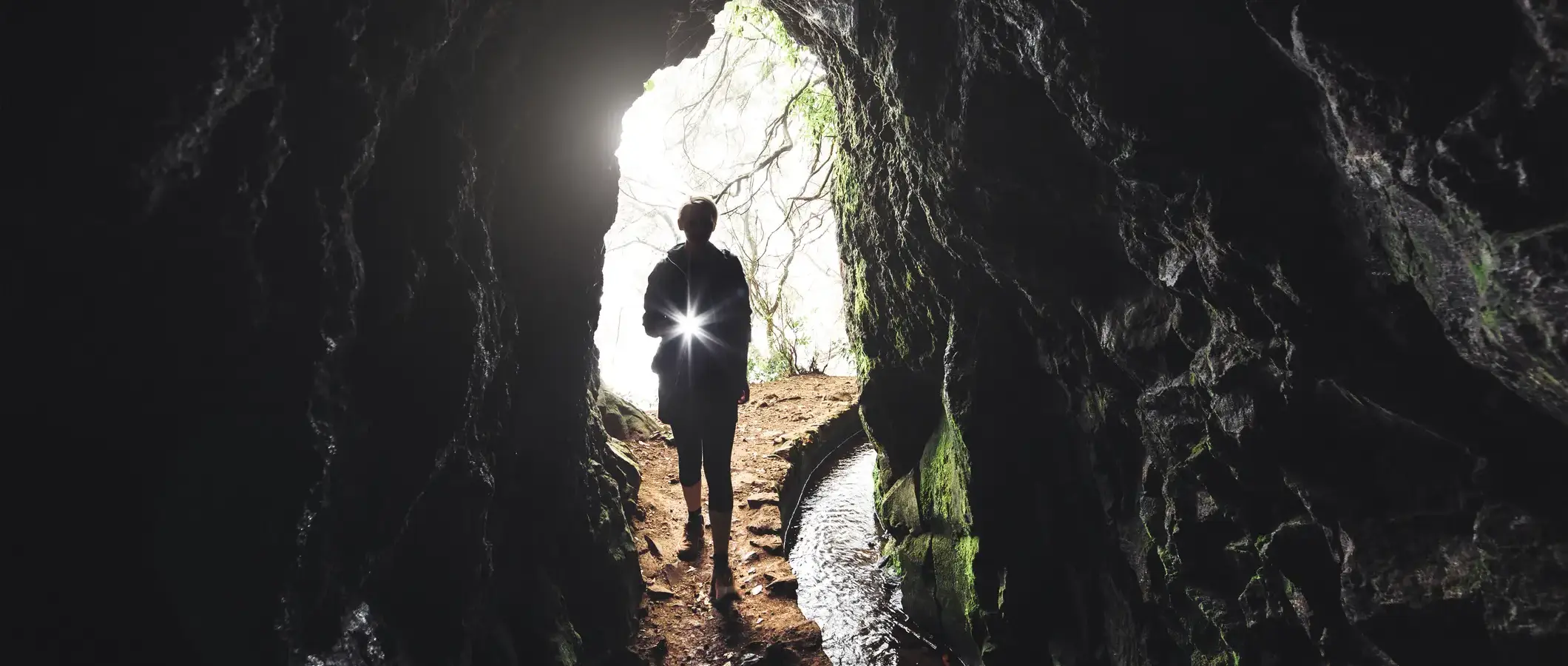
As property owners have a duty of care for people who are permitted access to the property, but for trespassers, property owners generally owe limited responsibility to them. In fact, property owners do not have any obligation to ensure the safety of trespassers, but if the trespasser is a child then according to the Attractive Nuisance Doctrine, they can be held liable for injuries.
Additionally, should the property owner intentionally set traps or created hazards to harm trespassers then they can be held liable for any injuries they have sustained.
To give additional context, here is how several state specific laws on how trespasser liability is handled:
- California Civil Code § 1714: Property owners are not liable for trespasser injuries unless gross negligence or intentional harm is proven.
- Nevada Revised Statutes § 41.510: Limits liability for property owners in cases involving trespassers, except in cases of willful misconduct.
- Arizona Revised Statutes § 12-558: Protects property owners from liability unless intentional harm or gross negligence is involved.
Is Exploring a Ghost Town Illegal?
Ghost towns are popular destinations for urban explorers due to their mystery and creepy allure, however their legal status varies incredibly. For example, Public Ghost Towns sites like Bodie, California, are historical landmarks open to public exploration, with strict rules prohibiting entry into restricted areas.
Meanwhile, Privately Owned Ghost Towns like mining claims, tribal land, railroad property, or commercial land require permission to explore even if the property appears abandoned.
Penalties for Trespassing While Urban Exploring

Criminal Penalties
Penalties for trespassing can include:
- Fines: Ranging from $200 to $1,000, depending on the severity of the offense and the state.
- Imprisonment: Jail time for aggravated trespass or repeated offenses.
- Felony Charges: Breaking and entering, vandalism, or theft can elevate trespassing to a felony, resulting in longer prison sentences.
Civil Penalties
Property owners can sue for damages if urban exploring causes property harm, such as graffiti or structural damage. Trespassers may be held financially responsible for repairs or lost property value.
Safer Alternatives to Illegal Urban Exploring
There are safer and legal ways to explore historic or abandoned-looking locations without risking trespass charges. Consider taking guided tours of historic buildings, state parks, and preserved ghost towns.
However, if there are specific ghost towns you want to explore, try to get written permission, because a verbal “it should be fine” from someone who does not own or control the property may not protect you.
Can a Property Owner Sue an Urban Explorer?
Property owners may pursue civil claims if an urban explorer damages property, steals items, starts a fire, breaks locks, sprays graffiti, or causes cleanup and repair costs. In fact, a property owner may seek compensation for:
- Broken doors, windows, gates, or locks
- Graffiti removal
- Stolen property
- Fire damage
- Structural damage
- Security costs
- Cleanup expenses
- Lost property value
- Business interruption
Urban explorers should also understand that posting videos, photos, or location details online can create evidence. If a video shows someone entering through a broken window, ignoring signs, or damaging property, that content may be used by law enforcement, property owners, or insurance companies.
Why Legal Representation Matters for Premises Liability Cases

If you’ve been injured during urban exploration or face trespassing charges, navigating the legal landscape alone can be overwhelming. At West Coast Trial Lawyers, we specialize in personal injury law and premises liability cases in California, Nevada, Arizona, and Washington. Our experienced attorneys understand the complexities of state-specific laws and are committed to protecting your rights. Whether you need help recovering compensation for injuries or defending against legal claims, we’re here to guide you every step of the way.
Urban exploring can be thrilling, but the legal risks are real. If you’ve been injured or face legal challenges related to urban exploration, don’t hesitate to reach out. Contact our legal team for a free consultation by calling (213) 927-3700, and let us help you secure the best possible outcome for your case..
Frequently Asked Questions About Urban Exploring
Can a Property Owner Be Sued if a Trespasser Gets Injured?
Generally, property owners are not liable unless they intentionally created hazards or neglected to secure an attractive nuisance.
What Is the Penalty for Trespassing During Urban Exploring?
Penalties range from fines of $50 to $2,000 and possible jail time, depending on state laws and the severity of the offense.
Are There Legal Ways to Explore Abandoned Places?
Yes, seek permission from property owners, join guided tours, or visit public landmarks open to exploration.
What Should I Do if I Get Injured While Urban Exploring?
Seek medical attention immediately. If injuries occur on private property, legal recourse is typically limited unless negligence or intentional harm is proven.
Can I Enter an Abandoned Building Just to Take Photos?
Not unless you have permission or the site is legally open to the public. Photography does not create a legal right to enter private or restricted property.
Can a Property Owner Be Liable if a Trespasser Gets Hurt?
Sometimes, but trespasser injury claims are difficult. Liability may be possible if the owner intentionally harmed the person, created a trap, failed to address hazards likely to attract children, or had another legal duty based on the facts.
What if There Were No “No Trespassing” Signs?
The absence of a sign does not automatically make entry legal. Fences, locks, closed doors, boarded windows, restricted access, and the nature of the property can all show that entry was not permitted.
Can I Be Charged if I Did Not Damage Anything?
Yes, trespassing can be based on unauthorized entry or refusal to leave, even if no property was damaged.
Is Exploring Storm Drains or Tunnels Illegal?
It can be. Many tunnels, drainage systems, utility areas, and infrastructure sites are restricted for safety and security reasons. Entering them without permission may lead to trespass or other charges.