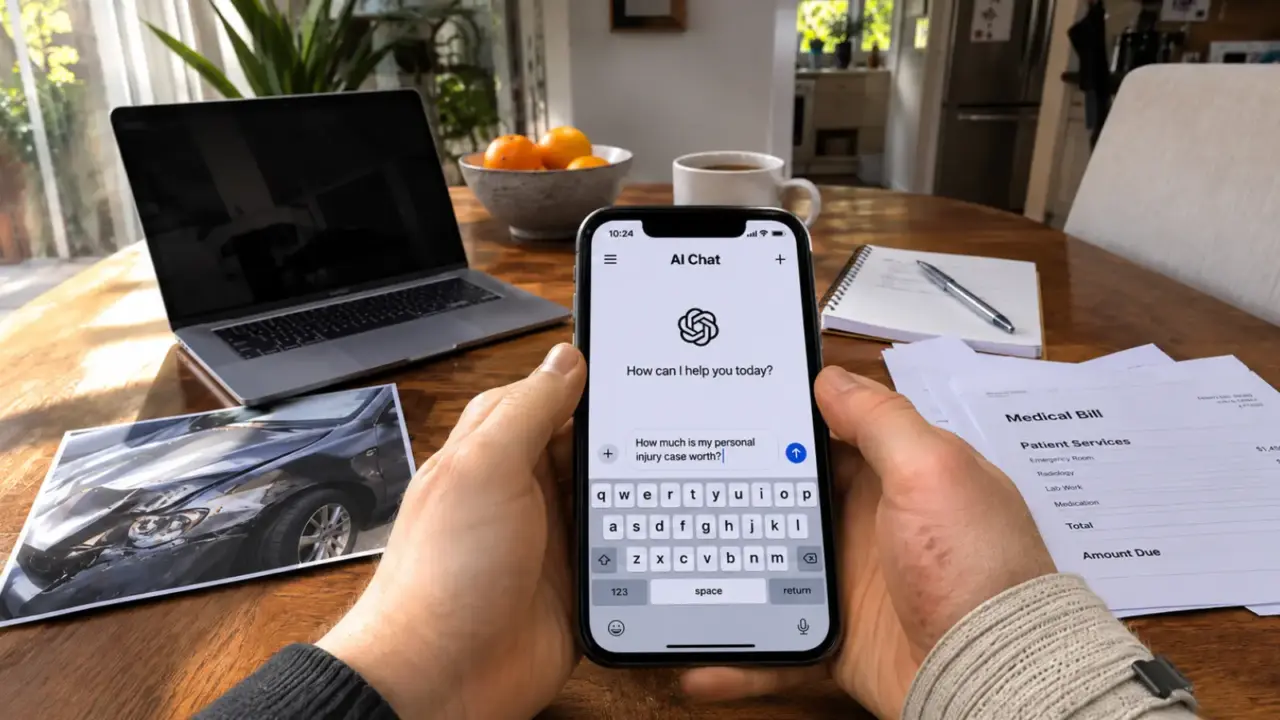
As more people turn to AI tools for information, ChatGPT has often become something that people turn to in order to research legal questions after an accident. Inquiries, such as “Can ChatGPT estimate a personal injury settlement?” often involve understanding medical expenses, pain and suffering, lost wages, or how much a personal injury claim may be worth.
Although ChatGPT can explain general legal concepts, any dollar figure it generates is hypothetical rather than getting a proper case evaluation. Understanding these limitations and consulting with an experienced personal injury attorney can help injured victims better assess their claims and legal options.
Can ChatGPT Tell You How Much Your Personal Injury Case Is Worth?
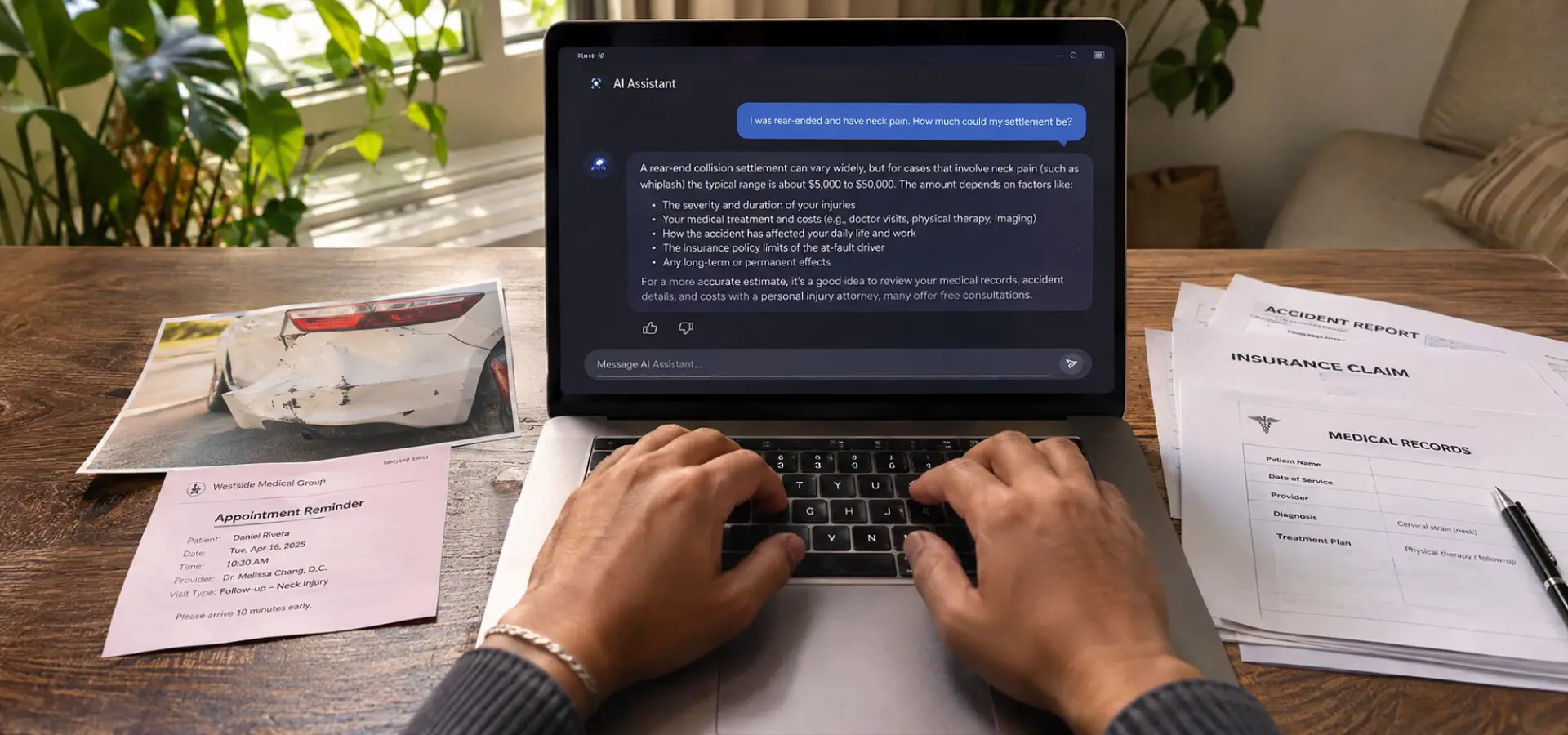
ChatGPT can provide general information about potential damages and certain factors that may affect a personal injury case value. However, the answer it provides is completely dependent on whether users provides them accurate data such as receipts of property damage, medical bills, insurance info, etc.
As a result, any estimate ChatGPT provides is entirely hypothetical and is not a guaranteed recovery because there are many factors that influence the final sum a person can recover in an accident. AI tools are informational resources and cannot serve as a substitute for legal advice and if injury victims wish to learn more about their legal options, a personal injury lawyer can provide a thorough evaluation based on evidence and experience.
Why Does ChatGPT Give You an Unrealistic Settlement Estimate?
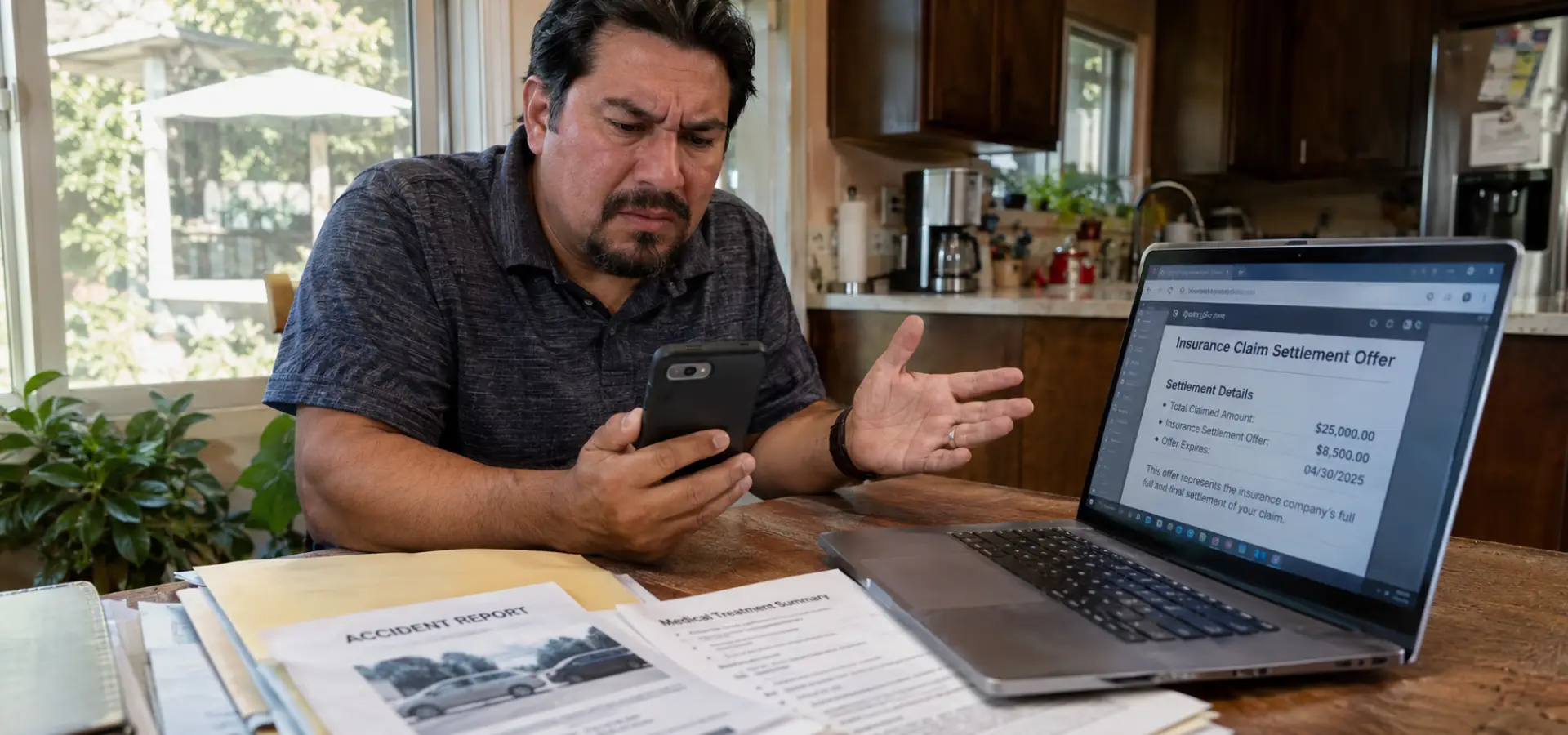
ChatGPT and other AI tools may generate unrealistic settlement estimates because they cannot verify every detail of a claim or evaluate the entire case. Relying on an unsupported estimate can be extremely risky because it could end up creating unrealistic expectations about recovering compensation and users should be aware why AI search engines can be unrealistic estimates.
AI May Not Have All the Information About Your Accident
An AI-generated estimate may be inaccurate if it does not account for all the important details surrounding an accident. Missing police reports, witness statements, insurance information, or other evidence can prevent AI from evaluating the specific facts of a claim.
Furthermore, details about the other driver’s actions, medical evidence, and patient reports can influence liability and damages. Without complete documentation, an estimate may not reflect the actual circumstances of the accident or the extent of an injured person’s losses.
ChatGPT May Rely on General Settlement Examples
Publicly reported verdicts, settlement averages, and high-profile cases do not necessarily reflect what someone may recover with their own claim. Even cases that appear to be similar can lead to different outcomes depending on the evidence available, severity of injuries, insurance coverage, and applicable local laws. Real settlements are based on the individual circumstances of each case, not just from previously reported results.
AI May Oversimplify Pain and Suffering Damages
AI tools may oversimplify pain and suffering damages by relying on multipliers or generalized calculations that do not properly reflect how states assesses non-economic losses. For example, under CACI No. 3905A, there is no fixed monetary standard for determining compensation for physical pain, mental suffering, or emotional distress.
Additionally, a serious injury such as a traumatic brain injury, spinal cord injury, or a herniated disc, may affect someone differently. Because of this, compensation depends on the individual’s personal circumstances and evidence rather than a predetermined formula.
AI May Not Account for Insurance Coverage Limitations
AI tools may overestimate compensation if they do not consider insurance coverage. Even when an injured person has significant financial losses, the amount they can actually recover may depend on the at fault party’s policy limits. Reviewing the insurance declarations page can help identify available liability coverage, including whether an umbrella policy provides additional protection.
Other options, such as uninsured or underinsured motorist coverage, may also affect recovery. And when it comes to accidents that involve a commercial truck, additional insurance policies may be available, but coverage will be based on the parties involved and applicable policies.
What Factors Actually Determine the Value of a Personal Injury Claim?

Severity of the Injury and Medical Treatment
The nature and severity of an injury can significantly influence a claim’s value, because an attorney typically considers the diagnosis, medical treatment, recovery period, and any potentially permanent limitations when calculating a settlement.
A personal injury lawyer would also take into account of any expected future medical care may also affect compensation, particularly when an injured person requires ongoing treatment or rehabilitation.
Medical Expenses, Lost Income, and Future Financial Losses
Documented economic damages such as medical bills, rehabilitation expenses, and lost wages resulting from time away from work help reveal the financial impact of an accident. This is particularly important especially if an injury affects someone’s ability to return to their previous occupation or earn income in the future.
Pain, Suffering, and Changes to Daily Life
Personal injury claims may include non-economic damages for physical pain, emotional distress, and reduced quality of life. Since these experiences differ on a case-by-case basis, non-economic losses require an individualized evaluation rather than a generalized calculation, because a personal injury settlement will need to take into account how an injury affects daily activities, relationships, independence, and overall well-being.
Liability and Comparative Negligence
Determining who was responsible for an accident is another important factor to consider, because depending on where the accident happened it can potentially affect how much liability is issued especially in complex accidents with multiple at-fault parties.
For example, under California’s pure comparative negligence system, an injured person’s compensation may be lessened based on their percentage of responsibility for the incident. However, under Nevada’s modified comparative negligence system, if an injured person’s fault goes beyond 51%, they won’t be able to recover any compensation for their damages.
Insurance Coverage and Other Sources of Recovery
Even when documented losses appear to be substantial, insurance coverage can affect how much compensation a person may actually recover. A legal expert can review which policy limits apply, potential additional coverage, and whether other parties may share fault. In some cases, multiple insurance policies or other sources of financial recovery may be available to pursue.
When it comes to wrongful death claims, additional considerations may be implemented such as the losses experienced by the surviving family members and the damages permitted under state laws. Like other personal injury-related matters, their value depends on the specific evidence presented along with the overall circumstances surrounding the case.
Why Might Two People With Similar Injuries Receive Different Settlements?

Two people with similar injuries might receive different settlement valuations and outcomes because the factors surrounding their claims vary heavily. For instance, one individual may have a documented injury, consistent treatment records, evidence demonstrating the defendant was at fault, and substantial available insurance coverage. Meanwhile, another person’s claim is met with disputed liability, uncertain causation, inconsistent medical documentation, or more limited insurance coverage available, all of which can drastically impact a claim’s outcome.
With that said, sharing a diagnosis does not necessarily mean two injured people will have equal damage or the same amount of financial recovery, because each case depends on its supporting evidence, liability issues, individual losses, and whether a deadline to file is missed.
Can AI Settlement Calculators Accurately Predict Pain and Suffering?
AI settlement calculators can provide a general estimate of pain and suffering damages, but it cannot reliably predict an individual’s compensation. Such calculators may use injury severity categories, predetermined multipliers, user-selected fault percentages, and assumed policy limits to generate an estimated value.
However, these calculations may look past sensitive details, individual recovery experiences, and patient reports that influence how an injury affects someone’s daily life. Without receiving oversight by a legal expert, a calculator may fail to properly consider disputed liability, incomplete medical documentation, or other circumstances that require individualized legal analysis.
To help provide a general starting point, our personal injury settlement calculator offers an estimate based on the information and assumptions provided. However, its results are hypothetical and should not be interpreted as legal advice, an insurer’s offer, or a guarantee of compensation.
What Can ChatGPT Actually Help You Understand About a Personal Injury Claim?

ChatGPT can serve as a research tool for learning about personal injury claims and looking into available legal options. It can provide general information to help injured people better understand the claims process, including:
- Learning basic legal terminology
- Identifying questions to ask an attorney
- Understanding the difference between economic and noneconomic damages
- Organizing a general accident timeline
- Learning how insurance policies and contingency-fees typically operate
Before using ChatGPT to go over a personal injury claim, avoid sharing sensitive medical records, personal identifiers, or confidential communications unless you understand how that information may be collected, stored, and used.
What Should You Do if ChatGPT Estimates Your Settlement Higher Than Your Insurance Offer?
If ChatGPT estimates that your personal injury claim is worth more than what the insurance company offers, you should not automatically assume that the insurer is undervaluing your case. Before accepting or rejecting a settlement offer, consider taking the following steps:
- Review the AI Estimate: Determine what information ChatGPT used to calculate the amount and whether it relied on assumptions or incomplete details about your injuries.
- Compare Your Actual Damages: Review medical bills, lost wages, future treatment expenses, and other documented losses to determine whether the insurance offer adequately addresses them.
- Check Available Insurance Coverage: Policy limits may affect how much compensation can be recovered, even when the total damages exceed the available coverage.
- Request an Explanation From the Insurer: Ask the insurance adjuster how the offer was calculated and whether any injuries, expenses, or liability issues were disputed.
- Consult a Personal Injury Attorney: An attorney can evaluate the available evidence, review the settlement offer, and help determine whether further negotiations or legal action may be appropriate.
Although ChatGPT can provide general information about personal injury settlements, its estimates should not be treated as a guaranteed case value. Before signing a settlement agreement or final release, injured victims should understand whether the proposed amount accounts for their current losses and reasonably anticipated future expenses.
Get an Accurate Personal Injury Case Evaluation Today

While ChatGPT can provide general settlement estimates, they cannot fully evaluate the evidence, legal issues, or circumstances that influence your claim. At West Coast Trial Lawyers, our experienced personal injury attorneys can assess your medical documentation, liability, and insurance coverage to determine what compensation you may be entitled to pursue. Our law firm runs on a contingency-fee basis, meaning you owe us nothing unless we settle your case.
Book a FREE consultation today by calling (213) 927-3700 or filling out our quick online contact form.
Frequently Asked Questions About ChatGPT Estimations
Why Is My Attorney’s Settlement Estimate Different From ChatGPT’s?
An experienced attorney may provide a different settlement estimate because they can evaluate case-specific evidence that ChatGPT cannot verify or fully assess. This may include medical documentation, disputed liability, future treatment costs, applicable state laws, and insurance coverage. As a result, their estimate may be substantially different from ChatGPT’s analysis and injury victims should manage their expectations when discussing their claim to an attorney.
Are AI Settlement Calculators Legally Accurate?
AI personal injury settlement calculators can provide general estimates, however, they do not establish the legally recoverable value of a personal injury claim. Their calculations may overlook disputed liability, applicable state laws, insurance limitations, and case-specific evidence. A licensed attorney can evaluate these factors to provide a more individualized assessment of compensation you may be entitled to.
Can I Use ChatGPT to Negotiate With an Insurance Company?
ChatGPT can help you understand the insurance negotiation process, share relevant claim information, and prepare questions or draft responses to an insurance adjuster. However, AI cannot negotiate with insurance companies on your behalf, evaluate settlement offers with the same judgment as an experienced attorney, or represent your legal interests. An attorney can negotiate with the insurer, address disputes, and help you evaluate settlement options, ensuring you receive fair results.
Should I Trust an Online Settlement Estimate Before Signing a Release?
An online ChatGPT car accident settlement estimate should not be treated as something reliable when it comes to accepting an insurance offer or signing a release. Before agreeing to a final settlement, consider consulting a personal injury attorney who can review the proposed terms, explain their consequences, and help you understand what factors influence your claim.
Establishing an attorney-client relationship can also provide an opportunity to receive updates on your case, understand how legal decisions are made, and stay informed about the evidence, negotiations, and other developments affecting your recovery. Unlike an online calculator or AI tool, an attorney can offer professional guidance based on the specific factors surrounding your claim.