Arizona does not have a single Good Samaritan law, but instead has a network of them. Where most states pack everything into one statute, Arizona spreads its civil and criminal protections across a handful of separate laws covering different scenarios from general emergency aid to even breaking into a hot car to rescue a child or a pet.
The result is that Arizona has one of the most broad Good Samaritan frameworks in the country, but it also means that whether you are protected when you step in to help depends on what kind of help you are giving.
The Core Statute: ARS 32-1471
The most general Arizona Good Samaritan law is found in ARS 32-1471, tucked into the title that governs professions and occupations. The statute outlines that anyone who renders emergency care at a public gathering or at the scene of an emergency, gratuitously and in good faith, cannot be held liable for civil damages from acts or omissions during that aid, unless they are guilty of gross negligence.
The law was written this way deliberately in order to remove the legal hesitation that might keep someone from acting in the seconds that often determine whether a person survives. However, there are a few elements that have to be present for that protection to apply:
- The person rendered care at a public gathering or at the scene of an emergency
- The aid was gratuitous, meaning no payment, fee, or expectation of compensation
- The aid was given in good faith
- The person did not act with gross negligence
The Difference Between Ordinary and Gross Negligence
Every Arizona Good Samaritan statute draws the same line between negligence and gross negligence. That distinction matters between a good-faith effort that goes wrong and reckless conduct that makes things worse.
Ordinary negligence is the kind of thing that happens during real-world rescues like cracking a rib during chest compressions or causing additional bruising while moving someone who needed to be moved. These are mistakes a reasonable person might make under emergency pressure, and Arizona law protects them.
On the other hand, gross negligence is something more serious where a person was injured due to a conscious or reckless disregard for the person’s safety. For example, performing an invasive procedure you have no training for when help is on the way or trying to assist someone while drunk or impaired. These are the kinds of choices that a court might decide to cross the line from good-faith aid into liability.
Automated External Defibrillator (AED) Use: ARS 36-2263
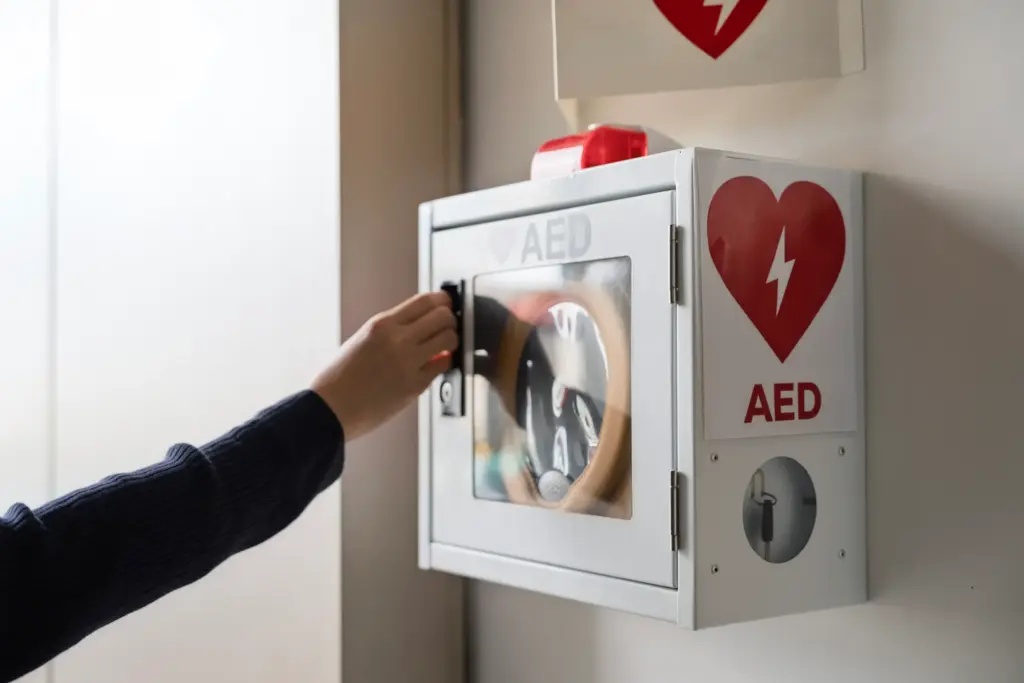
Arizona has a separate Good Samaritan statute specifically for automated external defibrillators which is codified under ARS 36-2263. The statute extends civil immunity to anyone who uses an AED in good faith to render emergency care, as well as to a longer list of related parties:
- The physician who provides medical oversight for the AED program
- The person or entity that trains people in CPR and AED use
- The person or entity that acquired the AED
- The owner of the property or facility where the AED is located
- Any nonprofit intermediary that helped place the device
This creates a layered legal shield around AED usage in Arizona, because if an AED is installed at a Tucson shopping mall, a Phoenix airport gate, or a Scottsdale hotel lobby, and a bystander grabs it to revive someone in cardiac arrest, every one of those parties is generally protected from civil liability, as long as nobody acted with willful misconduct or gross negligence.
However, there is one important exception built into the statute where manufacturer product liability is not covered. So if the AED itself was defectively designed or manufactured, the manufacturer can still be sued.
The Drug Overdose Good Samaritan Law

Arizona’s drug overdose Good Samaritan law is one of the state’s most important protections for people who call for emergency help during an overdose. Under ARS 13-3423, a person who seeks medical assistance in good faith for someone experiencing a drug-related overdose may be protected from certain drug-related charges if the evidence was discovered because of the emergency call.
For example, if someone calls 911 because a friend overdosed, both individuals may be protected from prosecution for certain personal-use drug offenses discovered as a result of that call. However, it is important to note that this protection is limited because it does not provide immunity for drug distribution, weapons offenses, outstanding warrants, or unrelated crimes. It also does not stop law enforcement from seizing contraband or making an arrest for another offense.
Why This Law Matters
The purpose of Arizona’s overdose Good Samaritan law is to remove the fear that calling 911 will automatically lead to criminal charges. The Arizona Department of Health Services continues to provide public health resources on opioid prevention and overdose-related issues, showing why quick emergency response remains a major public health priority in the state.
Arizona’s overdose Good Samaritan protections were originally set to expire, but lawmakers extended them through HB 2168. According to the Arizona Legislature’s summary of HB 2168, the bill continued the state’s legal protections for people who seek emergency medical help during a drug-related overdose.
In April 2023, KJZZ reported that Governor Katie Hobbs signed the bill, extending the law through June 2028. Local reporting from Today’s News-Herald also described the extension as a five-year continuation of Arizona’s overdose Good Samaritan protections.
What If Multiple Statutes Apply at the Same Time?
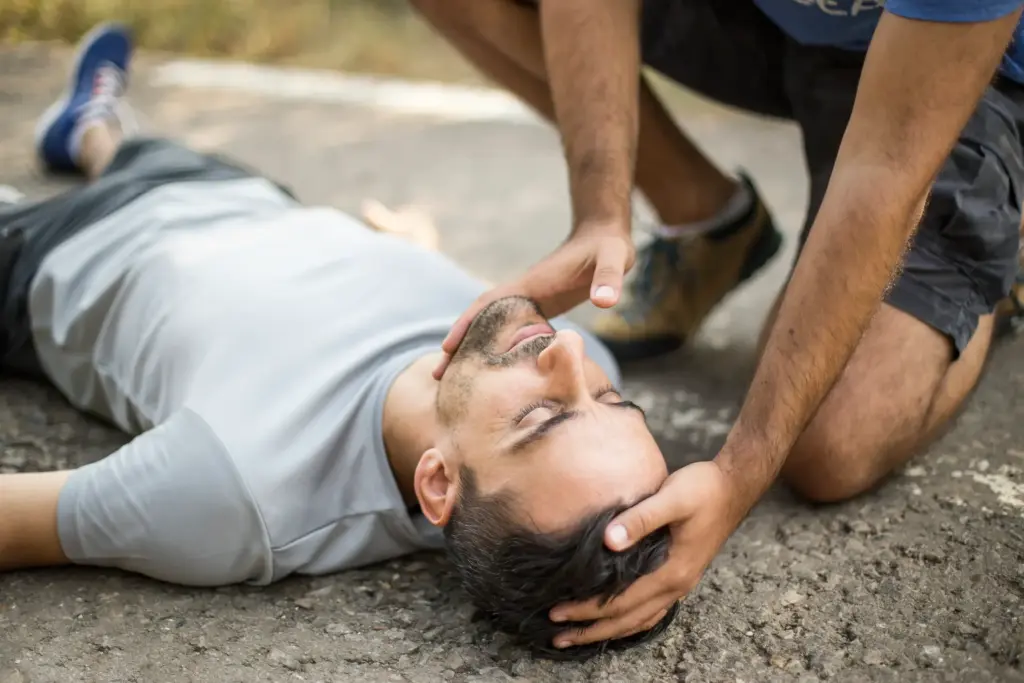
This is one of Arizona’s more interesting Good Samaritan quirks. A single rescue attempt can trigger more than one statute simultaneously. Consider a scenario where someone overdoses at a public event and a bystander uses an AED while another bystander calls 911. In that single moment:
- The AED user is protected by ARS 36-2263
- The 911 caller is protected from drug possession charges by ARS 13-3423
- Both bystanders, plus any medical professional who happens to be present, are also protected by the general emergency aid statute ARS 32-1471
- The owner of the venue (a stadium, airport, or shopping center) where the AED was installed has its own immunity under ARS 36-2263
The layering is not redundant. Each statute protects a slightly different actor or behavior, and the combined effect is to lower the legal stakes for anyone who steps in during a real emergency.
Other Arizona Good Samaritan Protections Worth Knowing

Arizona has continued expanding its Good Samaritan framework over the years. A few additional protections that fly under the radar:
- Vehicle rescue of children and pets- Arizona law protects people from civil liability when they use reasonable force to break into a locked, unattended vehicle to rescue a minor child or a confined domesticated animal. Given how fast Arizona vehicles heat up in the summer, this protection is far from theoretical
- Donated food- Under ARS 36-916, good-faith donors of “apparently wholesome” food, including food they grew or harvested themselves, are shielded from liability for injuries caused by the donated food, with exceptions for intentional misconduct or gross negligence
- Healthcare providers giving emergency instructions- Under ARS 36-2206, doctors who give emergency instructions to EMTs at the scene are protected, as are EMS providers who provide pre-arrival instructions
- Free clinic and homeless shelter providers- Under ARS 12-571, healthcare professionals providing services at no cost at non-profit clinics, homeless shelters, and similar settings have qualified immunity from malpractice claims absent gross negligence
Each of these statutes was passed in response to specific Arizona policy concerns, from heat safety to food security to access to healthcare for unhoused populations.
What About a Duty to Help?
Arizona, like most states, does not impose a general legal duty to rescue on ordinary bystanders. You are not legally required to stop at the scene of an accident, to call 911, nor required to know CPR. The exceptions are narrow but people who have a legal duty to act include:
- On-duty first responders (police officers, firefighters, paramedics) acting within their roles
- Medical professionals working in clinical settings
- Parents and legal guardians toward their minor children
- People who caused the emergency in the first place, who generally have a duty to render reasonable aid
- Certain caretakers, including nursing home staff and licensed daycare workers
For everyone else in Arizona, helping is a choice. The Good Samaritan statutes exist to make that choice easier, not to force it.
When a Good Samaritan Causes Harm
The flip side of these statutes is that they only protect helpers who act in good faith and within reasonable limits. When a person attempting to help actually causes additional harm through reckless or grossly negligent behavior, Arizona law does allow injured parties to pursue civil claims.
If you were injured by someone who claimed to be acting as a Good Samaritan, or if you were hurt in an accident and someone’s botched rescue attempt made your injuries worse, that situation may involve Arizona’s car accident laws, Arizona’s comparative negligence framework, or both, depending on how the injury actually happened.
Injured While Being A Good Samaritan? Talk to an Attorney

If you have been injured in an Arizona accident and have questions about how the Good Samaritan laws affect your situation, our team at West Coast Trial Lawyers handles these cases throughout Arizona. We are based in Phoenix and represent clients across the state, including Tucson, Mesa, Scottsdale, and Tempe.
Reach our Arizona team at (213) 927-3700 or send a message online to talk through what happened.