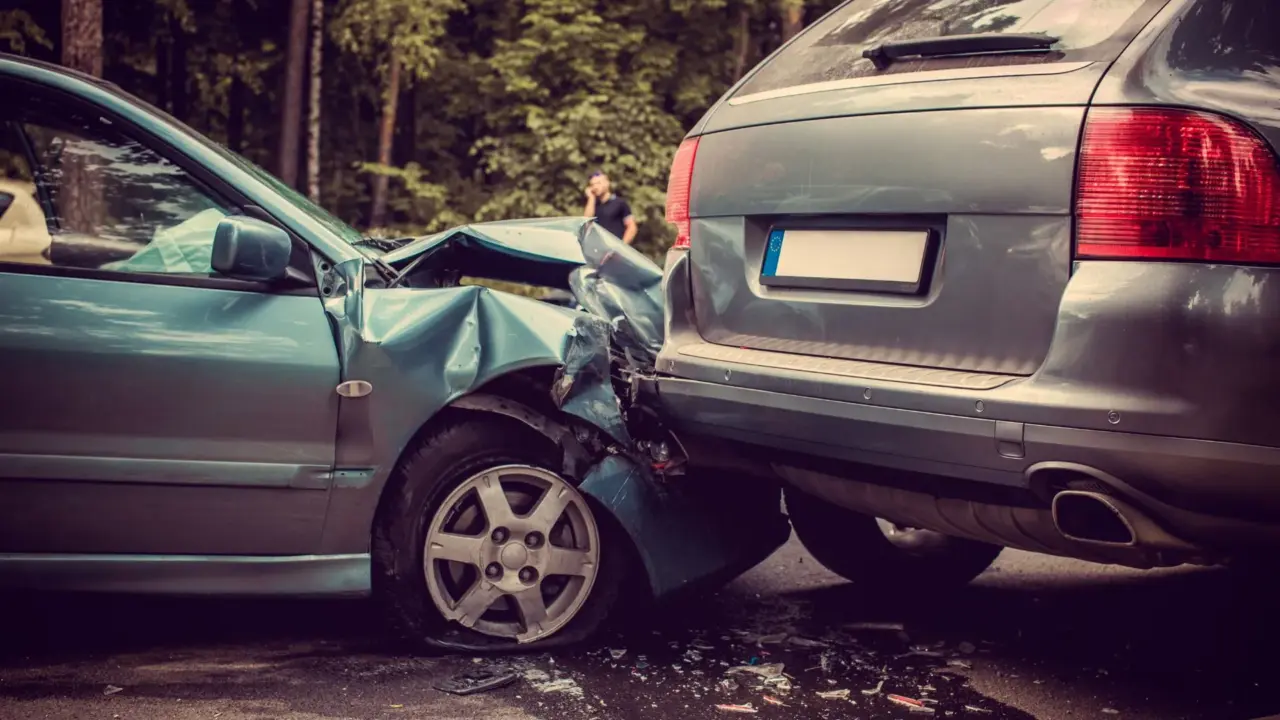
Determining fault when two cars merge into the same lane depends on right-of-way rules, the timing of each driver’s lane change, and the specific actions each driver took before the merging collision occurred. These merging accidents happen frequently on highways and it is, without a doubt, one of the most common and most disputed types of traffic accidents. Whether you’re filing a merging accident claim or simply trying to understand your rights, this guide will cover who is at fault and what you can do to legally protect yourself.
Quick Answer: Fault Can Be Split Equally If Both Drivers Merge at the Exact Same Time
In these instances, the merging driver who failed to yield right of way or ensure the lane was clear before changing lanes bears primary fault. For example, if the other driver was speeding into a lane change, they can be held liable for the merging accident. However, if both drivers merge into the same lane at the exact same time liability can be shared as per their state’s comparative negligence policy.
Understanding Merging Accident Liability
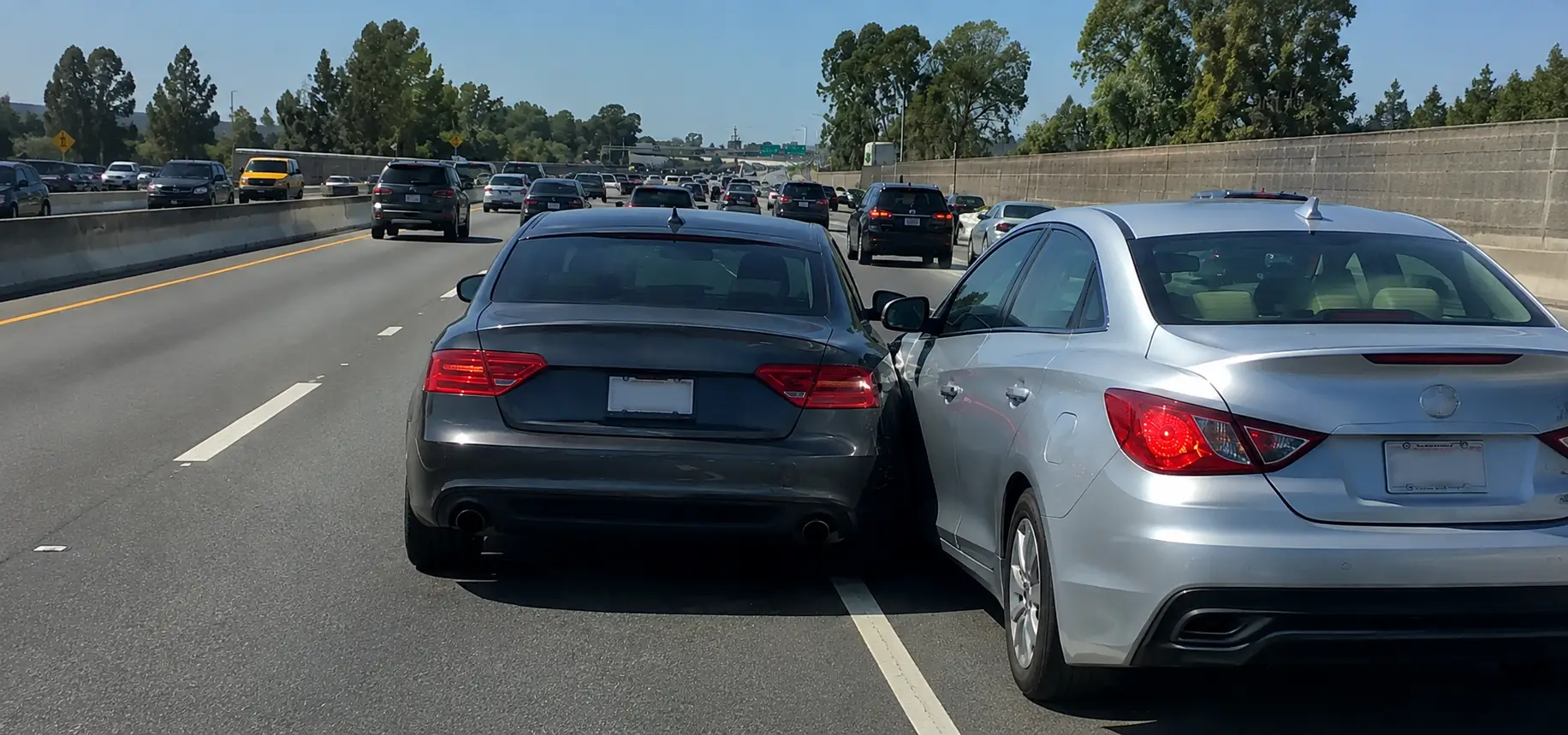
A merging accident occurs when two vehicles collide as one or both attempt to enter or change to the same lane simultaneously. These crashes produce sideswipe damage, angle impacts, or rear-quarter contact depending on relative speeds and trajectories. As merging accidents often result in sideswipe collisions on highways, they can cause serious injuries and potentially cause a chain reaction of incidents that can result in a multi-vehicle accident, ultimately leaving those involved wondering who is at-fault.
Basic Fault Determination Principles
Negligence in merging accidents means a driver failed to exercise reasonable care while changing lanes. This includes failing to signal, neglecting to check blind spots, misjudging the gap in traffic, or forcing the other vehicle to brake or swerve. Drivers have a legal duty to check their blind spots before merging, as a result, any breach of this duty is often the foundation of most merging accident liability.
Right-of-Way Rules in Merging Scenarios
The established lane doctrine gives priority to drivers already occupying a lane, meaning the merging driver must yield to vehicles already in the lane. Additionally, the merging driver has a duty to yield and ensure a safe gap before entering an occupied lane and failing to yield can make the merging driver liable for accidents.
This means the merging vehicle must match traffic speed, check mirrors and blind spots, signal properly, and confirm that such movement can be made safely, without forcing oncoming traffic in the target lane to alter speed or direction. Understanding these principles is essential before examining how fault plays out in specific collision scenarios.
Common Merging Accident Scenarios
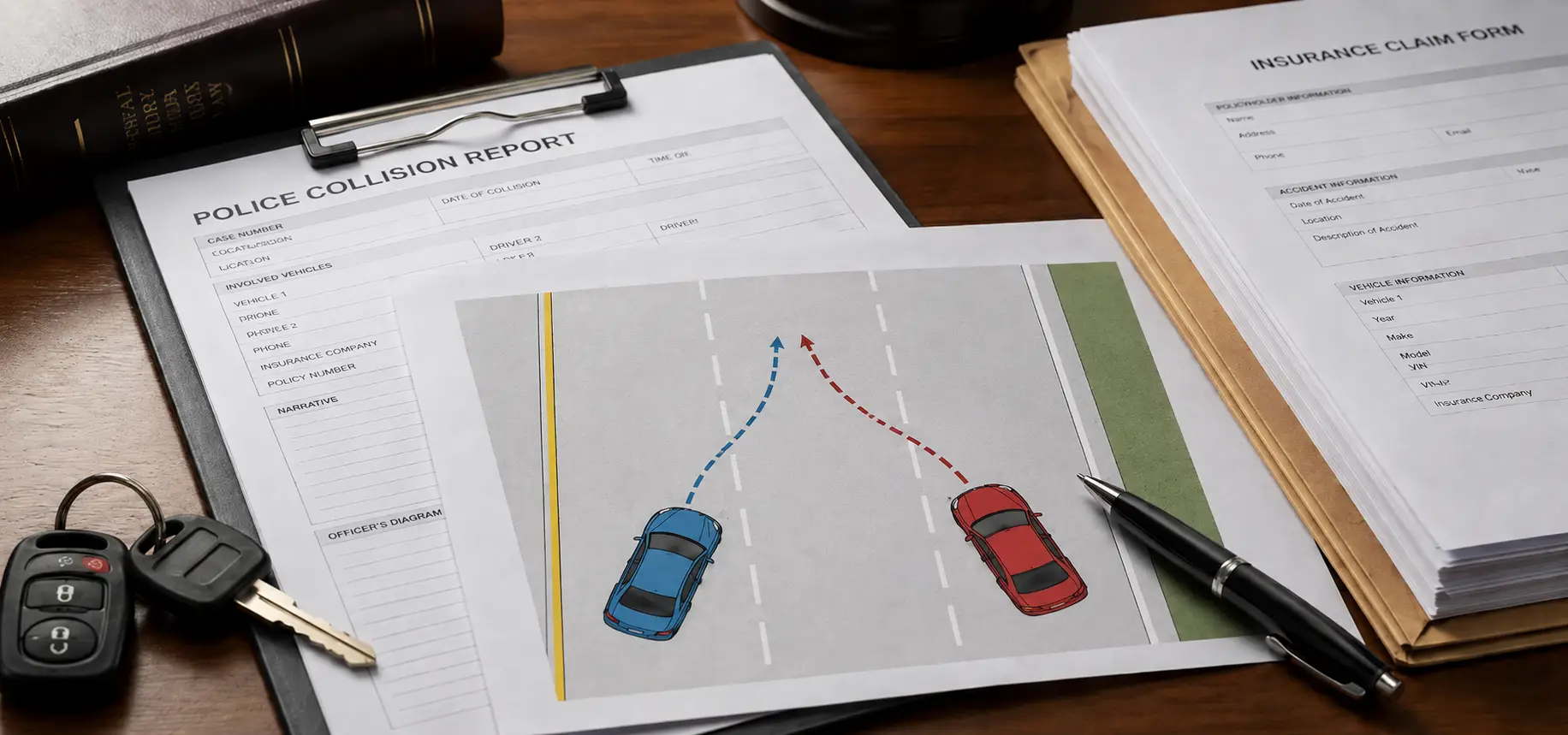
With the basic fault determination principles established, the critical question becomes how liability shifts depending on the specific circumstances of the crash. Different merging scenarios produce different fault outcomes, even when the same traffic rules apply.
Two Cars Merging From Opposite Directions
The most contentious merging accidents happen when two cars merge into the same lane from opposite sides, creating what’s sometimes called a “phantom middle lane” situation. Both drivers see an open center lane or middle lane and move toward it simultaneously. When two vehicles attempt to enter the lane simultaneously, neither driver may have been fully established before the merging crash occurs.
In these cases, both drivers can share fault if they merge simultaneously, but courts and insurance adjusters examine which driver signaled first, which had greater encroachment into the target lane, and whether one driver was closer to being fully established.
If one driver started merging earlier and was partially in the lane, the other driver bears more fault for failing to recognize the lane was already being occupied. In such scenarios, physical evidence like vehicle damage location, paint transfer analysis, and traffic camera footage becomes decisive.
Highway On-Ramp Merging Collisions
When a car enters the highway from an acceleration lane or on-ramp, liability falls heavily on that driver in the event of a merging accident, because merging drivers must yield to vehicles already in the lane. The lane driver is not legally obligated to slow down or move over to accommodate the merging vehicle, though courtesy and safety may suggest doing so.
If the merging vehicle’s front fender strikes the rear quarter of the other car, the damage pattern strongly suggests the merging driver failed to yield. However, if the lane driver was traveling at an unsafe speed or drifted into the acceleration lane, some liability can shift. Research from the U.S. Department of Transportation shows the merging vehicle is the striking party in approximately 75–80% of all angle or sideswipe merging collisions, reinforcing the presumption against the driver who initiates the lane change.
Do Other States Handle Merging Accidents Differently?
The basic lane-change rule is similar in many states where a driver should not move from one lane to another until it is safe. The more significant difference is usually how each state handles shared fault after the crash.
So, the lane-change rule itself is not dramatically different across these states. The bigger difference is the recovery threshold.
What Should You Do After a Merging Accident?
Scenario analysis only matters if you can support your version of events with documentation. The outcome of a merging accident claim depends almost entirely on the quality of evidence gathered at or near the time the accident occurred.
Critical Evidence to Gather Immediately
Evidence collected in the first minutes and hours after a merging collision prevents insurance disputes and strengthens your ability to prove fault or seek compensation for medical expenses, lost wages, and vehicle repairs.
- Photograph vehicle damage from multiple angles showing the point of contact, scrape marks, and paint transfer. Paint transfer analysis shows the exact point of impact and helps establish which driver was ahead.
- Obtain witness contact information and statements– neutral bystanders who saw whether a driver signaled, the lane position of each vehicle, or whether distracted driving played a role. Witness statements can confirm right-of-way violations and are among the most persuasive forms of evidence.
- Document road conditions and traffic control devices– photograph lane markings, traffic signs (merge, yield, lane closure), road surface conditions, and visibility.
- Request the police report– officers typically create scene diagrams, issue citations (e.g., unsafe lane change, failure to yield), and record a preliminary fault assessment. A police report with a citation weighs heavily in insurance and legal proceedings, though it is not a final legal determination.
- Preserve dashcam and video footage– dashcam footage and witness statements influence liability decisions. If public traffic cameras captured the crash, a preservation letter may be needed to prevent footage from being overwritten. Video footage can provide clear evidence of merging accidents and often resolves disputed liability instantly.
How Damage Analysis and Accident Reconstruction Plays a Role
Different damage patterns tell different stories about how a merging accident occurred. Physical evidence like skid marks indicates vehicle speed and impact direction, while damage patterns on vehicles help determine which driver was ahead.
Accident reconstruction experts may use event data recorders (EDRs), video, and trajectory modeling to build a precise timeline. This analysis helps establish liability by quantifying what percentage of fault each driver bears, which directly affects how much compensation you can recover.
Call West Coast Trial Lawyers If You Have Been Injured in a Merging Accident
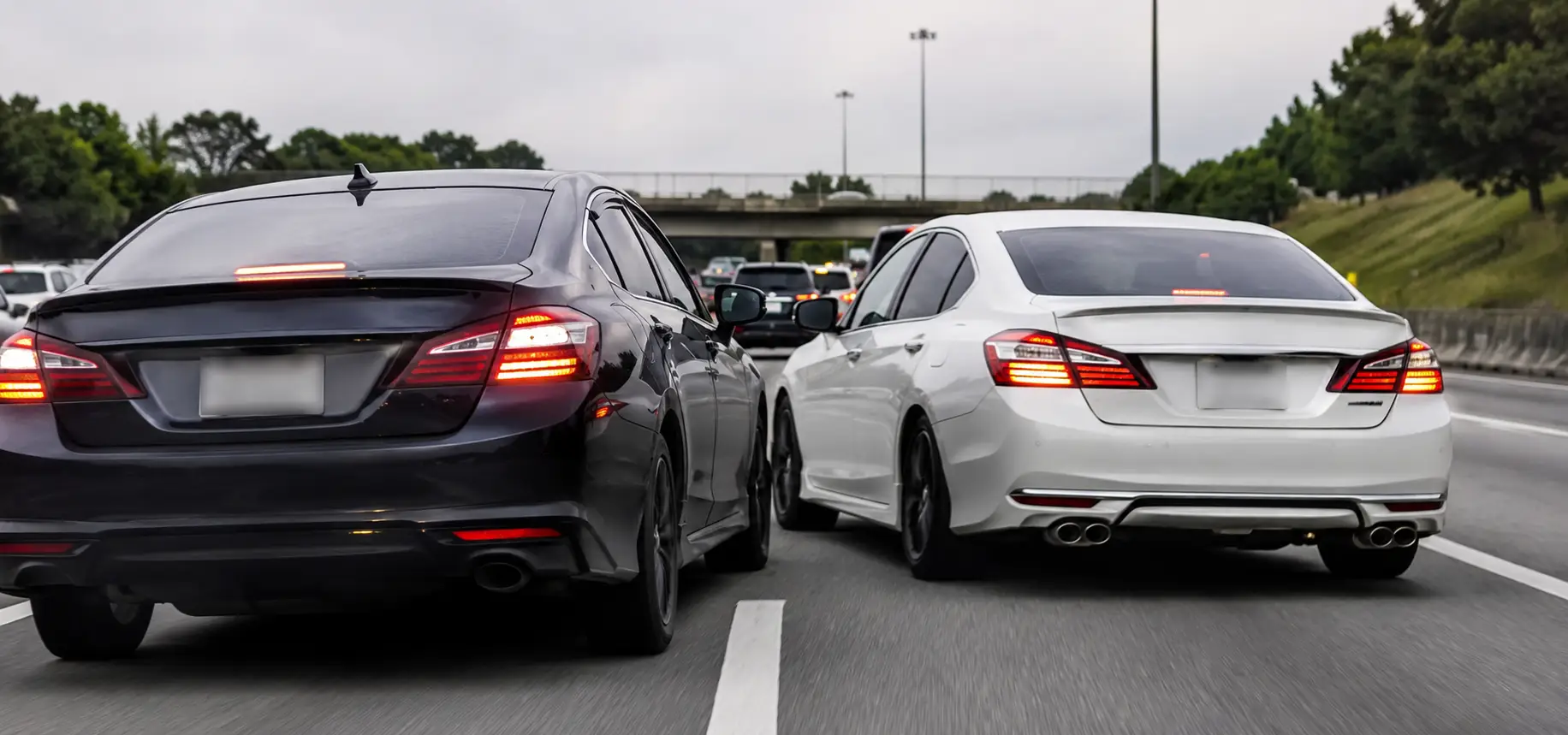
Merging accident claims can become frustrating when both drivers blame each other. Insurance companies may use that uncertainty to delay the claim, split fault unfairly, or pressure you into accepting less than your case is worth. Should that happens, contacting an attorney can help speed up the legal process and ensure your rights are protected.
At West Coast Trial Lawyers, our skilled team of attorneys can investigate the crash, gather evidence, challenge unfair fault assignments, and pursue compensation for any out-of-pocket damages you have suffered as a result of the accident.
Call (213) 927-3700 or use our online contact form to speak with our team today. Your consultation is free, and you owe us nothing unless we recover compensation for you.