
Seattle is a city where dogs are part of everyday life. Residents take dogs through dense apartment communities, outdoor patios, parks, trails, waterfront areas, farmers markets, and high-foot-traffic neighborhoods. However, a dog-friendly culture does not excuse irresponsible ownership and if a person has been injured by a dog with a negligent dog owner, you may be eligible for compensation.
At West Coast Trial Lawyers, our Seattle dog bite lawyers help injured victims understand their rights after a serious dog attack and are committed to guide them through the legal process. With over 25 years of experience fighting for people’s rights, our legal team understands the state’s specific dog bite laws and will watch out for their client’s best interests at heart.
Call us today at (213) 927-3700 or fill out our online contact form for a free consultation today!
Why Choose a Seattle Dog Bite Lawyer From WCTL?

Dog bite victims often feel pressure to minimize what happened, especially if the dog belonged to a neighbor, friend, landlord’s tenant, relative, coworker, or someone in the community. But dog bite injuries can become expensive and emotionally difficult. Medical bills, scarring, time away from work, anxiety, and long-term treatment can create a burden the victim should not have to carry alone.
A Seattle dog bite lawyer from West Coast Trial Lawyers can help by investigating the attack, preserving local evidence, reviewing animal control records, handling communications with insurance adjusters, calculating damages, and pushing back against unfair blame. Our goal is not only to prove that a bite occurred, but to show how the injury has affected the victim’s health, finances, work, and future. Considering how impactful dog bite injuries can be, we understand how these physical injuries can affect a person’s quality of life.
Why Dog Bite Cases in Seattle Require Local Legal Knowledge
Dog bite claims in Seattle often involve more than the bite itself. A dog owner may argue that the victim startled the dog, entered private property without permission, ignored a warning, or even provoked the animal. In other cases, the owner may leave the scene before the victim gets the dog’s vaccination records, license information, or insurance details.
Additionally, the local context matters because a bite at Magnuson Park, Golden Gardens, or Discovery Park may raise questions about whether the dog was properly restrained, whether the attack happened inside or outside and whether there were witnesses who saw the dog behave aggressively before the bite.
As Seattle has specific public-space rules that can matter when investigating a dog bite, it is vital to hire a dog bite injury lawyer who understands the rules Seattle Parks outlines, the local court system and judges, and how impactful a claim can be if the dog is unleashed or not.
Seattle Laws that Can Impact a Dog Bite Incident

Washington’s Dog Bite Law: Strict Liability for Dog Owners
Washington does not follow a traditional “one bite rule” for dog bite cases. Under RCW 16.08.040, the owner of a dog that bites someone is liable for damages if the person was in a public place or was lawfully on private property, regardless of whether the dog had shown prior viciousness or not.
In practical terms, this means a Seattle dog bite victim generally does not have to prove that the dog had bitten someone before. Instead, they must prove whether the bite had occurred, where it occurred, and how much damages the dog owner owes them for the severity of the bite. This definition has a profound effect on all dog owners, because they need to be more attentive in Seattle than other states that follow a one bite rule.
What Does “Lawfully on Private Property” Mean?
Many Seattle dog bites happen on private property, including homes, apartment buildings, duplexes, townhomes, Airbnbs, condos, and businesses. In many dog bite injury claims, the dog owner would try to excuse the bite that the injured party entered their private property and got hurt as a result. However, according to RCW 16.08.050, if a person is invited to be on the dog owner’s property, or if the circumstances show implied permission, the dog owner may still be liable if a dog bite has occurred.
This is especially relevant to food delivery drivers, postal workers, maintenance workers, rideshare passengers, and Airbnb guests, because a person does not lose their legal protection simply because the bite happened on the dog owner’s property.
Provocation Can Be a Defense in Washington Dog Bite Cases
Washington law gives dog owners a potential defense if the injured person provoked the attack. RCW 16.08.060 states that proof of provocation by the injured person is an acceptable form of defense to a dog bite injury claim. Because provocation can become a major issue, victims should be careful about how they describe the incident to the dog owner, insurance adjusters, animal control, or anyone else investigating the bite.
A dog owner may claim that the victim provoked the dog by petting it, stepping too close, touching its food, approaching its owner, or interacting with its puppies. But not every interaction is legal provocation. The specific facts matter, including the victim’s age, whether the dog was restrained, whether there were warnings, encouraged interaction, or any realistic chance the injured party had to avoid the attack.
Seattle Leash Laws and Dog Owner Responsibility
Seattle’s leash and park rules can help establish whether a dog owner acted responsibly before a bite. According to Seattle Parks, Animal Control officers enforce leash, scoop, and licensing laws in Seattle parks, and fines for violations can range from $50 to $150, with higher fines at beaches.
Seattle Parks also states that dogs are not allowed at organized athletic fields, beaches, or children’s play areas, and that dogs must be on leash outside off-leash areas, remain in control of their dogs, and muzzle dogs that exhibit dangerous or aggressive behavior.
These rules may become important after an attack because if a dog was roaming off leash near a playground or running loose on a beach, those facts may support the victim’s claim. Even inside a designated off-leash area, a dog owner may still be expected to maintain control and prevent foreseeable harm.
Common Places Dog Bites Happen in Seattle
Dog bites in Seattle can happen almost anywhere, but certain environments create higher risks because dogs and people are forced into close contact. Dense neighborhoods like First Hill, the University District, and Lower Queen Anne have crowded sidewalks, narrow hallways, and shared lobby spaces. In these settings, a dog may bite a neighbor, a delivery driver, or a child before they have time to react.
Park-related dog bite cases are also common because Seattle residents frequently take dogs to public outdoor spaces. A bite may happen when a dog slips its leash and charges at a jogger or another dog. Whether the bite happened at a person’s home, in a retail store, or at a dog-friendly brewery, every dog bite claim will be dependent on the details of the incident.
What to Do After a Dog Bite in Seattle
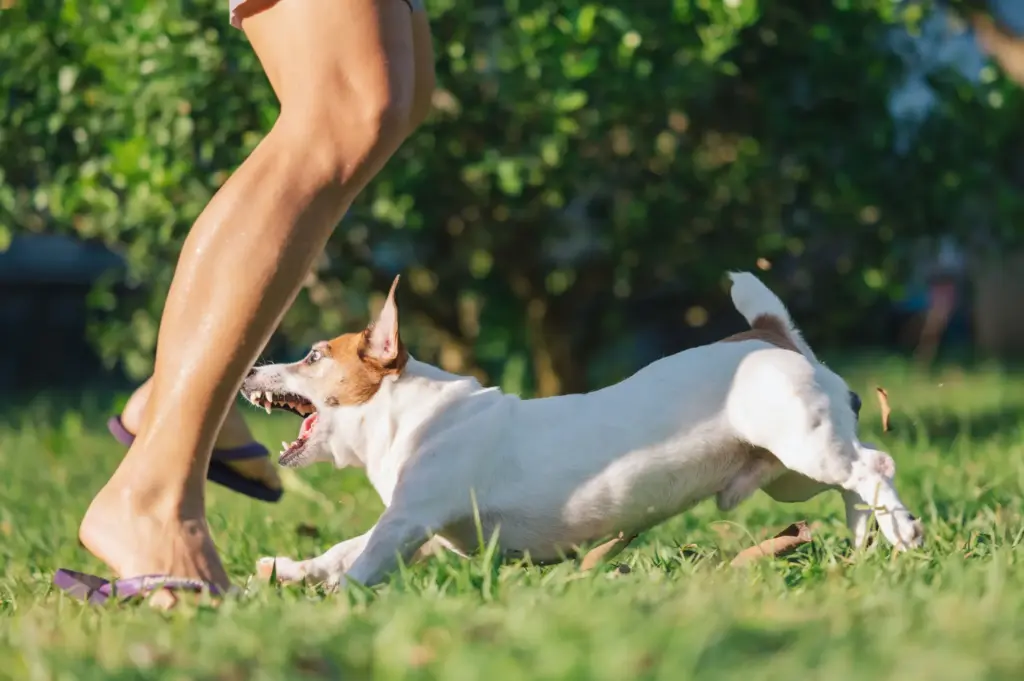
After suffering a dog bite, the first priority is safety and medical care. The Center for Disease Control warns people that dog bites can spread germs that cause infection, and nearly 1 in 5 people bitten by a dog requires medical attention. With that in mind, if the wound is deep and bleeding heavily, medical care should be prioritized urgently.
Injury victims should also report the bite to Animal Control at 206-386-7387 and provide them as much information as possible such as date, time, location, etc. By doing so, immediate medical action can be prepared and implemented in the event the dog has rabies or other infectious diseases. Lastly, should injury victims wish to file a personal injury lawsuit, they should gather evidence to support their claim, because it will ultimately decide whether an injury victim gets compensation for their injuries.
Evidence That Can Strengthen a Seattle Dog Bite Claim
A strong dog bite claim often depends on the type of evidence collected. With that in mind, it is vital to take photos and videos of the bite, the dog that did it, and gather other critical evidence like medical reports and police reports. Other important evidence may also include the following:
- Surveillance footage
- Animal control reports
- Medical records
- Vaccination records
- Prior complaints about the dog
- Pet records
- Text messages with the dog owner
- Insurance information
Depending on the location of the incident, victims should also keep an eye out for location-specific evidence and keep a recovery journal. By keeping a recovery journal, it can document pain levels, missed work, fear of dogs, trouble using the injured hand, limitations in daily activities and the emotional toll of the attack. That way, a skilled personal injury lawyer can gather the facts and use that information to get you the compensation you need to make a proper recovery.
Who Can Be Held Responsible for a Dog Bite in Seattle?
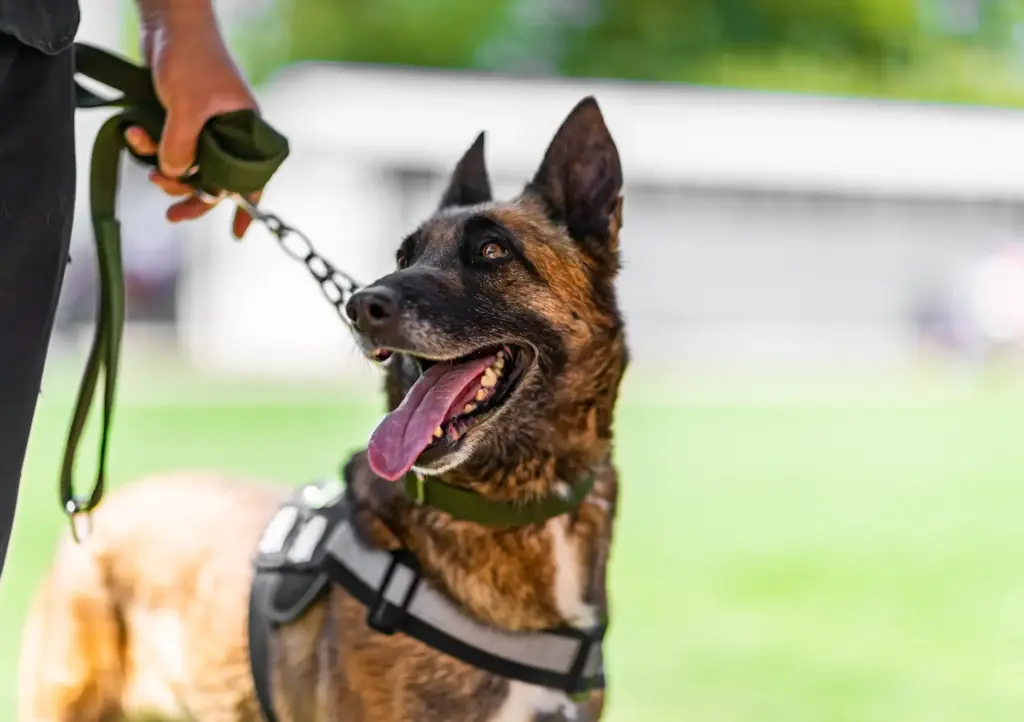
The dog owner is usually the primary responsible party under Washington’s dog bite statute, especially when a dog bites someone who is in a public place or lawfully on private property. However, when it comes to police dogs, the rule is applied differently.
Under RCW 4.24.410, police dogs are immune to dog bite injury claims if they were used as a means that require police action. Which means if a police dog has acted in a way to conduct police action, then any personal injury claims against them are null and void because they were performing their duty to apprehend criminals.
Compensation Available After a Seattle Dog Bite
A Seattle dog bite victim may be able to recover compensation for both financial and non-financial losses. Financial losses can include emergency room bills, surgery, prescription medication, physical therapy, lost wages, and other out-of-pocket expenses.
Meanwhile, non-financial losses may include pain, emotional distress, disfigurement, scarring, loss of enjoyment of life, and the trauma of being attacked. These damages can be especially important when the bite causes visible scarring, facial injuries, hand injuries, or lasting psychological harm. A dog bite lawyer can help identify available insurance coverage, properly file a claim, and guide you through the legal process to ensure all relevant damages are accounted for.
Dog Bites Involving Children in Seattle

The CDC states that children are more likely than adults to be bitten by dogs and that their injuries tend to be more severe. This is especially important for Seattle families because many bites happen in familiar environments, not just from unknown dogs.
When a child is bitten, the case should account for future damages. A scar that seems manageable today may require revision surgery later. A traumatic bite may cause fear, nightmares, anxiety around animals, or distress in public spaces. Children may also need long-term care if the bite affects growth plates, mobility, hand function, or facial appearance.
How Long Do You Have to File a Dog Bite Lawsuit in Washington?

Washington generally gives injury victims three years to file an action for injury to the person or rights of another under RCW 4.16.080. Although three years may sound like a long time, dog bite cases should be investigated as soon as possible, because if accident victims go past the three year deadline, the state’s statute of limitations takes into effect and bars them from filing a claim and recovering compensation.
Additionally, taking actions as soon as possible is generally recommended for practical reasons such as evidence gathering because surveillance footage can be erased, animal control records may need to be requested, and the dog owner’s insurance information may not be immediately available.
What If You Were Partly at Fault?
Some dog bite cases involve disputed facts because the dog owner may claim the victim ignored warnings, entered a gated area, or contributed to the incident in some other way. Washington’s comparative fault statute does also allow victims who were partially at-fault to still recover compensation, however, a percentage of their total awarded sum will be subtracted to take account of their degree of fault.
Dog bite cases can involve both strict liability and fault-based arguments, so it is important to separate issues carefully. Provocation may be asserted as a complete defense in a statutory dog bite claim, while comparative fault may become relevant to other negligence-based theories or disputed conduct. A lawyer can evaluate how these defenses apply to the specific facts of the attack.
Contact a Seattle Dog Bite Lawyer From WCTL Today

If you or your child was bitten by a dog in Seattle, you should not have to navigate the legal and insurance process alone. Washington law gives dog bite victims important protections, but insurance companies may still look for ways to reduce or deny payment. The sooner you speak with an attorney from West Coast Trial Lawyers, the sooner evidence can be preserved and your claim can be evaluated.
Contact our firm today at (213) 927-3700 or fill out our online contact form to schedule a free consultation with a Seattle dog bite lawyer. Our team can review what happened, explain your legal options, and help you understand the next steps after a serious dog attack.