
Seattle is one of the most active bicycling cities in the Pacific Northwest, but riding through the city is not without risk. Whether you are biking in Ballard, Fremont, Capitol Hill, or Beacon Hill as part of your daily commute or for fun, if a driver hits you as a result of their negligence, you may be owed compensation for your injuries.
Whether your accident happened near Pike Place Market, along the Burke-Gilman Trail, or on a neighborhood street where drivers routinely cut through residential blocks, West Coast Trial Lawyers can help you build a claim based on evidence, Washington law, and the real impact the crash has had on your life to get you the compensation you deserve.
Contact our experienced legal team today at (213) 927-3700 or through our online contact form.
Why Choose West Coast Trial Lawyers For Your Bike Accident Case
Choosing the right lawyer after a bicycle accident can make a meaningful difference in how your claim is handled. As bicycle accident victims are often unfairly blamed or ignored, they are pressured into signing off on quick settlements before they understand the full extent of their injuries. At West Coast Trial Lawyers, our team approaches bicycle accident cases with the care and attention they deserve.
We understand that a cyclist may be facing months or years of treatment, time away from work, emotional trauma, and the loss of a major form of transportation. That time away from work along with medical bills can place people in financially straining situations and drastically affect their quality of life.
Which is why, our team is committed to provide expert and top-tier legal representation for your case, no matter how complex it may be. Our team of attorneys understands that Seattle bicycle cases require local knowledge of Washington law, Seattle street design, and how insurers attempt to dispute cyclist injury claims. When you work with our firm, we focus on building a case that is supported by facts, medical evidence, and the full story of how the accident changed your life.
Why Bicycle Accident Cases in Seattle Are Different
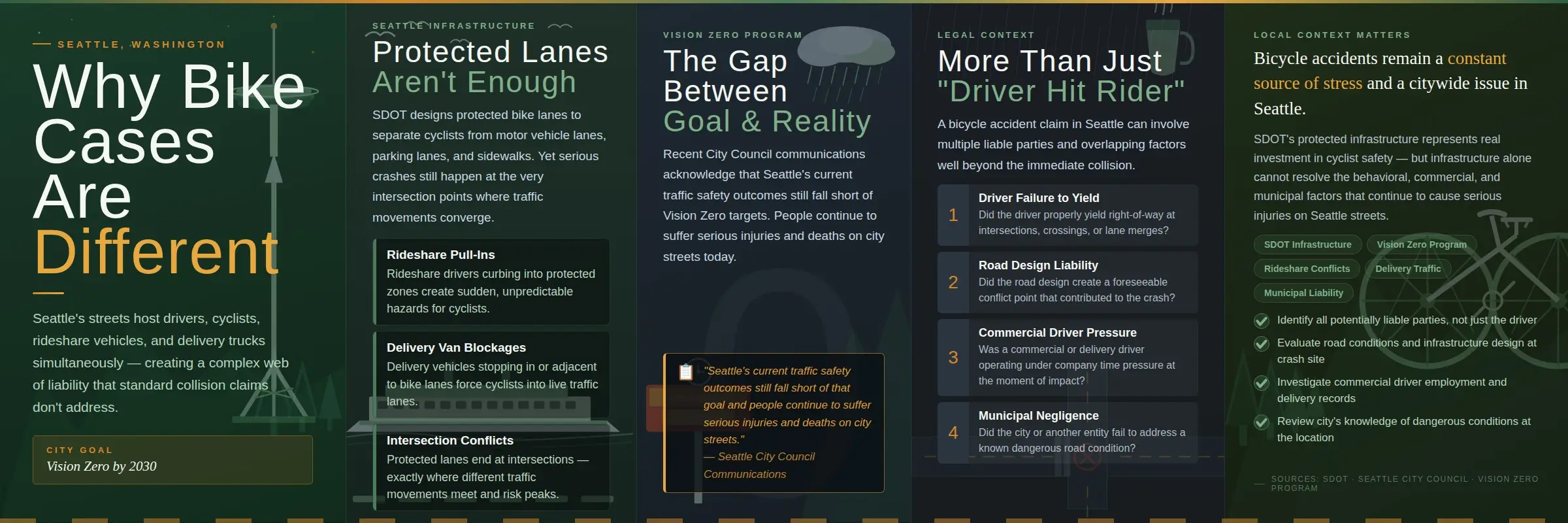
Seattle bicycle accident cases are often more complex than standard vehicle collision claims because the city’s streets are used by many different types of road users at once. While Seattle has invested in protected bike lanes and bicycle infrastructure, it does not completely eliminate risk.
In fact, according to the Seattle Department of Transportation (SDOT), protected bike lanes are designed to separate bicycle traffic from motor vehicle lanes, parking lanes, and sidewalks, but many serious bicycle crashes happen exactly where different traffic movements intersect. Whether it is a rideshare driver pulling into a curb space, or delivery van blocking the lane, bicycle accidents can still occur at a moment’s notice and when it’s least expected.
Are Seattle Bicycle Accidents a Major Issue?
Seattle’s own Vision Zero program recognizes the city’s goal of ending traffic deaths and serious injuries on city streets by 2030. Yet recent City Council communications acknowledge that Seattle’s current traffic safety outcomes still fall short of that goal and that people continue to suffer serious injuries and deaths on city streets.
For an injured cyclist, this local context matters, because a bicycle accident claim is not just about whether a driver hit a rider. It may also involve whether the driver failed to yield, whether the road design created a predictable conflict point, whether a commercial driver was operating under delivery pressure, and whether the city or another entity failed to address a dangerous condition. As a result, bicycle accidents remain a constant source of stress and a city wide issue.
Common Causes of Bicycle Accidents in Seattle
Bicycle accidents in Seattle often happen because a driver, company, property owner, or government entity failed to act with reasonable care. In many cases, the cyclist is blamed immediately, even when the facts show the driver failed to see what should have been visible. Some of the most common causes of Seattle bicycle accidents include:
- Drivers Turning Across Bike Lanes– Common in dense areas like Downtown Seattle, South Lake Union, and the Waterfront, drivers may not expect bicycle traffic to continue through an intersection.
- Distracted Driving- As a bicycle has a smaller visual profile than a motor vehicle, drivers checking their phone, adjusting navigation, looking for parking, or scanning for a delivery address may fail to see a cyclist until it is too late.
- Dooring Accidents- Common in areas with street parking, restaurants, and drop-off areas, a dooring accident happens when a driver or passenger opens a car door into the path of a cyclist and causes them to swerve into traffic, fall into the roadway, or be struck by another vehicle after losing control.
- Unsafe Passing-Dangerous on Seattle streets with narrow lanes, hills, or limited shoulder space, a driver who tries to squeeze past a cyclist on a narrow road may force the rider into a curb, parked car, pothole, drainage grate, or traffic lane.
- Speeding and Aggressive Driving-For cyclists, even a relatively low-speed collision can cause serious harm because there is no vehicle frame, airbag, or seatbelt protecting the rider.
- Poor Road Conditions-Seattle’s rain, hills, construction activity, and aging road surfaces can create hazards for cyclists and make them lose control. In some cases, a personal injury claim may involve a government entity if the dangerous condition was known, should have been addressed, or was created by poor maintenance or construction.
- Commercial Vehicle and Delivery Driver Accidents- Seattle’s streets are heavily used by delivery vans, rideshare vehicles, freight trucks, buses, and gig economy drivers and they may stop suddenly, block bike lanes, or make wide turns without properly checking for cyclists.
Washington Bicycle Laws That May Affect Your Seattle Accident Claim
Washington law gives bicyclists important rights, but insurance companies may still try to misrepresent those rights after a crash. Understanding the basic legal framework helps explain why a driver may be responsible even if the insurer tries to blame the cyclist.
Bicyclists Have the Same Rights and Duties as Drivers on the Road

Under RCW 46.61.755, a person riding a bicycle on a roadway is granted the same rights and is subject to the same duties as the driver of a vehicle, except where bicycle-specific rules apply or where a rule cannot logically apply to bicycles. The same statute also says that a cyclist riding on a sidewalk or crosswalk has the rights and duties of a pedestrian.
This is one of the most important legal points in a Seattle bicycle accident case, because a cyclist is not automatically “in the way” simply due to the fact they are riding on the road. Washington law recognizes bicycles as lawful road users and are held to the same standards as other road users.
Cyclists May Choose the Safest Place to Ride
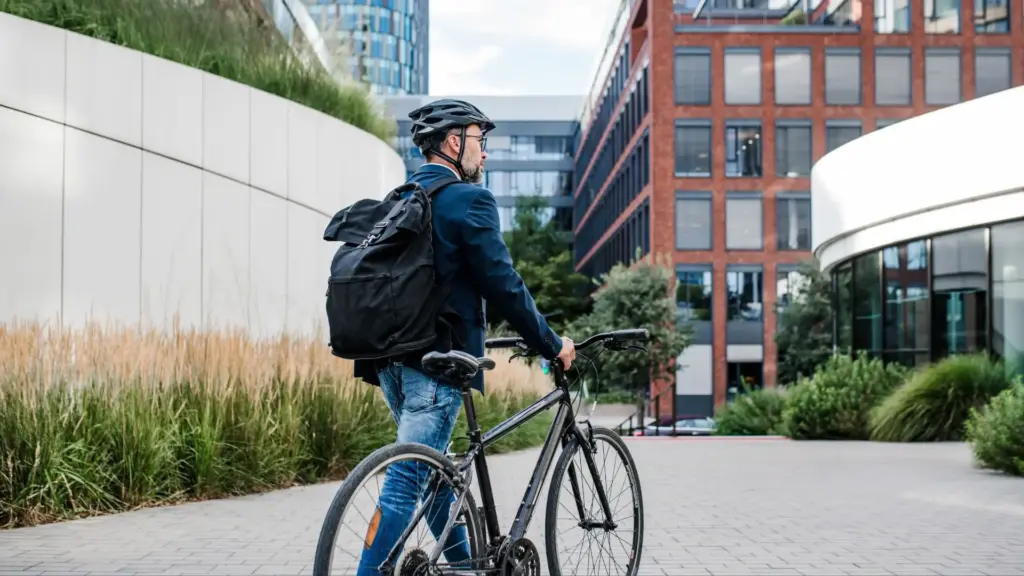
According to WSDOT and RCW 46.61.770, cyclists do not always have to ride at the far right if certain conditions make it unsafe, which means bicyclists may choose to ride on a path, bike lane, shoulder, or travel lane as their safety needs require.
This is important because insurance adjusters sometimes argue that a cyclist should have been “closer to the curb” or “in the bike lane” without considering whether the bike lane was blocked, unsafe, filled with debris, interrupted by construction, or positioned in a door zone.
Washington Allows Cyclists to Treat Some Stop Signs as Yield Signs
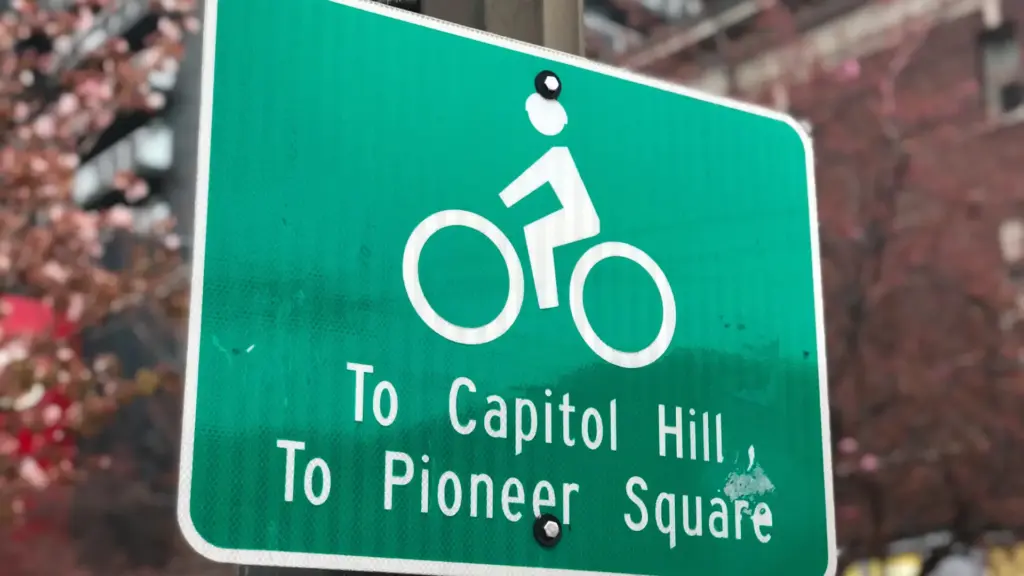
Washington law allows a bicyclist approaching a stop sign to either stop as a driver would or treat the stop sign as a yield sign, with exceptions for railroad crossings and school bus stop signals.
This matters because a driver, police report, or insurance adjuster may wrongly assume that a cyclist violated the law simply because the cyclist did not come to a complete stop at every stop sign. The actual legal question is more specific: whether the cyclist slowed, yielded when required, and proceeded safely under the circumstances.
Drivers Must Pass Cyclists Safely
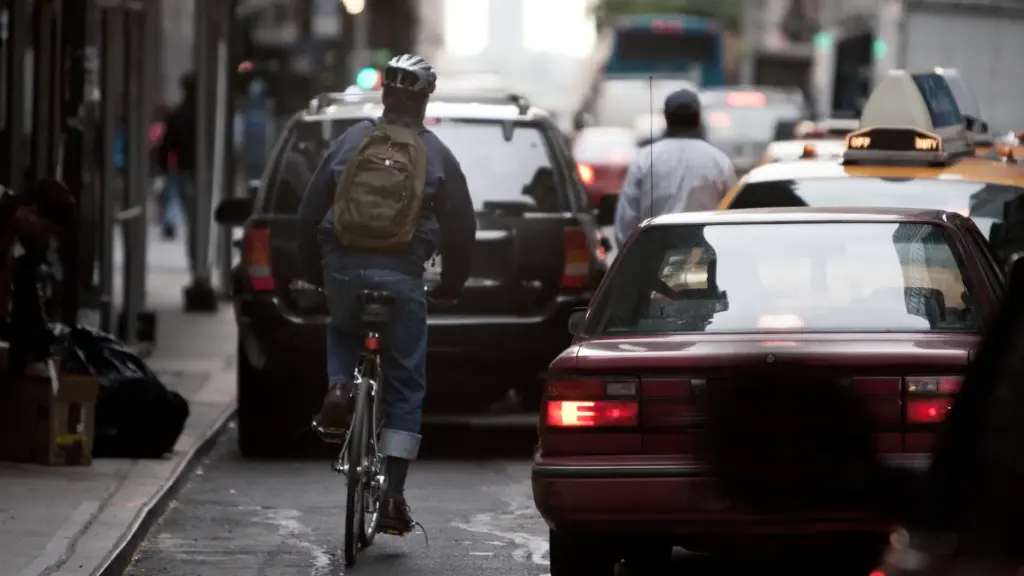
Washington’s safe passing law is especially relevant in bicycle accident cases involving sideswipes, shoulder collisions, and narrow-lane crashes, because RCW 46.61.110 requires drivers to change lanes when safe on multi-lane roads or reduce speed and pass at a safe distance.
A driver who passes too closely may be liable if the unsafe pass caused the cyclist to crash, lose control, hit a curb, or collide with another object.
Helmet Use Is Strongly Recommended, But King County Repealed Its Helmet Law

Helmet use can reduce the risk of serious head injury, and Public Health, Seattle & King County continues to strongly encourage riders to wear properly fitted helmets. However, the King County Board of Health repealed the county bike helmet law in 2022 while continuing to emphasize helmet safety and access to low-cost helmets.
This is important for a personal injury lawsuit, because if an injured bicyclist was not wearing a helmet, the insurance company may try to use that fact against them. But lack of helmet use does not automatically prevent a bike crash claim, and it does not excuse a negligent driver for causing a crash.
Who May Be Liable for a Seattle Bicycle Accident?
Liability depends on the facts of the crash. In some cases, one driver is clearly responsible. In others, multiple parties may share fault. Potentially liable parties may include:
- Negligent Driver– A driver may be liable if they were speeding, distracted, impaired, turning without yielding, passing too closely, failing to check blind spots, or violating Washington traffic laws.
- Rideshare or Delivery Drivers-If an Uber, Lyft, Amazon, DoorDash, Instacart, FedEx, UPS, or other delivery driver caused the crash while working, the claim may involve additional insurance coverage and questions about employment status, app activity, or commercial liability.
- Trucking Companies– A truck accident involving a cyclist may require investigation into the driver, employer, cargo company, maintenance provider, and safety practices.
- Government Entities– If a dangerous road condition contributed to the crash (unsafe roadway design, missing signage, poor maintenance) a claim may involve the City of Seattle, King County, the State of Washington, or another public entity. Examples may include dangerous construction zones, or known hazards that were not fixed.
- Property Owners or Businesses-A private property owner may be responsible if a dangerous driveway, parking lot, loading zone, construction entrance, or poorly maintained premises contributed to the cyclist’s injuries.
- Bicycle or Equipment Manufacturers– If a defective bicycle, e-bike, helmet, brake system, tire, light, or component contributed to the crash or worsened the injury, a product liability claim may be possible.
What If You Were Partially at Fault?

If you were partially at fault for causing the accident scene, do not assume you have no case just because the driver, police report, or insurance company says so. Under Washington State law, the state does not automatically bar recovery because it follows a comparative fault system which reduces an injured person’s amount of compensation by their percentage of fault.
For example, if your total damages were valued at $100,000 and you were found 20% at fault, your recovery could be reduced by 20%. Due to this model, the claim will turn into a fault allocation issue as insurance companies may try to argue that the cyclist was riding too fast, should have been in a bike lane, was not wearing a helmet, or “came out of nowhere.”
What Compensation Can You Recover After a Bicycle Accident?
The value of a Seattle bicycle accident claim will depend on the injury severity, liability evidence, available insurance, medical treatment, long-term prognosis, and how the crash affects your life. While every case is different, there are several types of compensation bike riders can recover under Washington state law, as such they may be able to recover compensation for:
- Medical Expenses– This may include ambulance transport, emergency room care, hospital stays, surgery, diagnostic imaging, follow-up visits, specialist care, medication, physical therapy, occupational therapy, chiropractic care, mental health treatment, and future medical needs.
- Lost Income– If your injuries forced you to miss work, reduce your hours, use sick leave, or lose freelance or contract opportunities, you may be able to pursue lost wages.
- Loss of Earning Capacity– Some injuries affect your ability to return to the same job or earn the same income long term. This may be especially important for cyclists with physically demanding jobs or anyone whose work requires mobility, concentration, or stamina.
- Pain and Suffering- Pain and suffering damages address the physical pain, inconvenience, discomfort, and disruption caused by the accident.
- Emotional Distress– A serious bicycle accident can affect your mental health, confidence, sleep, relationships, and ability to enjoy daily life.
- Bike and Property Damage– You may be able to recover the cost to repair or replace your bicycle, e-bike, helmet, phone, clothing, backpack, cycling gear, child seat, cargo attachments, or other damaged property.
- Loss of Enjoyment of Life– For many Seattle residents, cycling is not just transportation. It is recreation, exercise, community, and independence. If your injuries prevent you from riding, exercising, commuting, or participating in normal activities, that loss should be considered in your claim.
Common Injuries in Seattle Bicycle Accidents
Bicycle accident injuries are often severe because the rider absorbs the impact directly. Even when a cyclist is wearing a helmet and following the law, a collision with a passenger vehicle, SUV, bus, delivery van, or truck can result in long-term physical and financial consequences. Common injuries include the following:
Traumatic Brain Injuries
One of the most severe types of injuries, a cyclist can suffer a traumatic brain injury even with a helmet on and have it ultimately affect their cognitive and physical ability. TBIs may involve concussions, brain bleeding, skull fractures, cognitive impairment, memory problems, headaches, mood changes, dizziness, sleep disruption, and difficulty returning to work.
Spinal Cord and Back Injuries
By far, an impactful type of injury, a bicycle collision can cause herniated discs, fractured vertebrae, nerve damage, chronic back pain, or spinal cord trauma. These injuries may require imaging, injections, physical therapy, surgery, or long-term pain management.
Broken Bones
Cyclists often suffer fractures to the wrists, arms, collarbone, ribs, hips, pelvis, legs, ankles, or facial bones. A cyclist may instinctively brace for impact, causing serious upper-extremity fractures.
Road Rash and Soft Tissue Damage
Road rash is not just a scrape, but are severe abrasions that can involve embedded debris, infection, nerve damage, scarring, and painful wound care. Soft tissue injuries may also include torn ligaments, sprains, bruising, and muscle damage.
Internal Injuries
A cyclist struck by a vehicle may suffer internal bleeding, organ damage, abdominal trauma, or chest injuries. These injuries may not be immediately obvious at the crash scene, which is why medical evaluation is important after any significant collision.
Psychological Trauma
Bicycle accidents can also cause anxiety, depression, post-traumatic stress, sleep problems, and fear of riding again. For many Seattle cyclists, biking is part of daily life. Losing that independence can be emotionally devastating.
How Long Do You Have to File a Bicycle Accident Claim in Washington?

Most Washington personal injury claims must be filed within three years as per RCW 4.16.080. However, you should not wait three years to speak with a lawyer, because evidence in a bicycle accident can disappear quickly, be overwritten, and insurance companies may begin building their defense immediately.
If your claim involves a government entity, additional claim procedures and timing rules may apply. Under RCW 4.96.020, claims against local governmental entities must be presented properly, and a lawsuit generally cannot begin until 60 calendar days after the claim is presented. With these things in mind, it is vital to seek legal representation and have experienced bike accident attorneys help you with your case before the statute of limitations takes into effect.
What to Do After a Bicycle Accident in Seattle
After a bicycle accident, your health and safety should come first. But if you are physically able, the following steps you take after the crash can help protect your claim.
- Call 911-Request police and emergency medical assistance. A police report can help document the crash, driver information, witness statements, and initial facts.
- Get Medical Treatment-Do not assume you are fine because adrenaline is masking your symptoms. Head injuries, internal injuries, fractures, and soft tissue injuries may worsen after the crash.
- Take Photos and Videos-Document the vehicle, bicycle, intersection, traffic signals, bike lane, road surface, skid marks, debris, weather conditions, injuries, and any visible property damage.
- Get Witness Information– Witnesses may leave quickly, especially in busy areas like Downtown, Capitol Hill, South Lake Union, or the University District. If possible, collect names and phone numbers.
- Preserve Your Bicycle and Gear– Do not repair or throw away your bicycle, helmet, lights, clothing, shoes, backpack, or damaged equipment. These items may become evidence.
- Do Not Give a Recorded Statement Too Early– Insurance adjusters may sound friendly, but their job is to limit the company’s exposure. A recorded statement can be used to minimize your injuries or shift blame.
- Speak With a Seattle Bicycle Accident Lawyer– An attorney can help preserve evidence, identify insurance coverage, communicate with adjusters, and determine whether other parties may be liable.
Why Choose West Coast Trial Lawyers for a Seattle Bicycle Accident Case?
Choosing the right lawyer after a bicycle accident can make a meaningful difference in how your claim is handled. Bicycle accident victims are often unfairly blamed, ignored, or pressured into quick settlements before they understand the full extent of their injuries. At West Coast Trial Lawyers, our team of accident attorneys know all too well how complex these cases can be and are here to help you understand your legal options.
How Our Seattle Bicycle Accident Lawyers Can Help
A strong bicycle accident claim requires more than submitting medical bills to an insurance company. It requires proving how the crash happened, why the other party was responsible, and how the injuries affected your life. Our team can help by:
- Investigating the Crash Scene
- Gathering Evidence
- Identifying All Liable Parties
- Handling Insurance Companies
- Calculating the Full Value of Your Damages
- Preparing for Litigation When Necessary
When you work with our firm, we focus on building a case that is supported by facts, medical evidence, and the full story of how the accident changed your life. On top of it all, we operate on a contingency fee basis, meaning you do not pay any legal fees until you win.
Call (213) 927-3700 or fill out our online contact form for a fast, free case evaluation.