Riding in Washington means dealing with conditions that punish any equipment shortcut: rain-slick roads, low light half the year, and heavy traffic through the Puget Sound corridor. It also means riding in a state with some of the most precisely written motorcycle-equipment rules in the country.
Where some states say handlebars cannot rise “above your shoulders,” or define what is considered as “excessive noise” from a motorcycle, Washington State gives you an exact number. That precision tells you exactly what is legal, and it also means a lot of popular modifications are clearly, measurably over the line. If installed it can not only lead to fines but in the event of a motorcycle accident, it can impact your claim and your chances of recovery.
1. Amplified or Modified Exhaust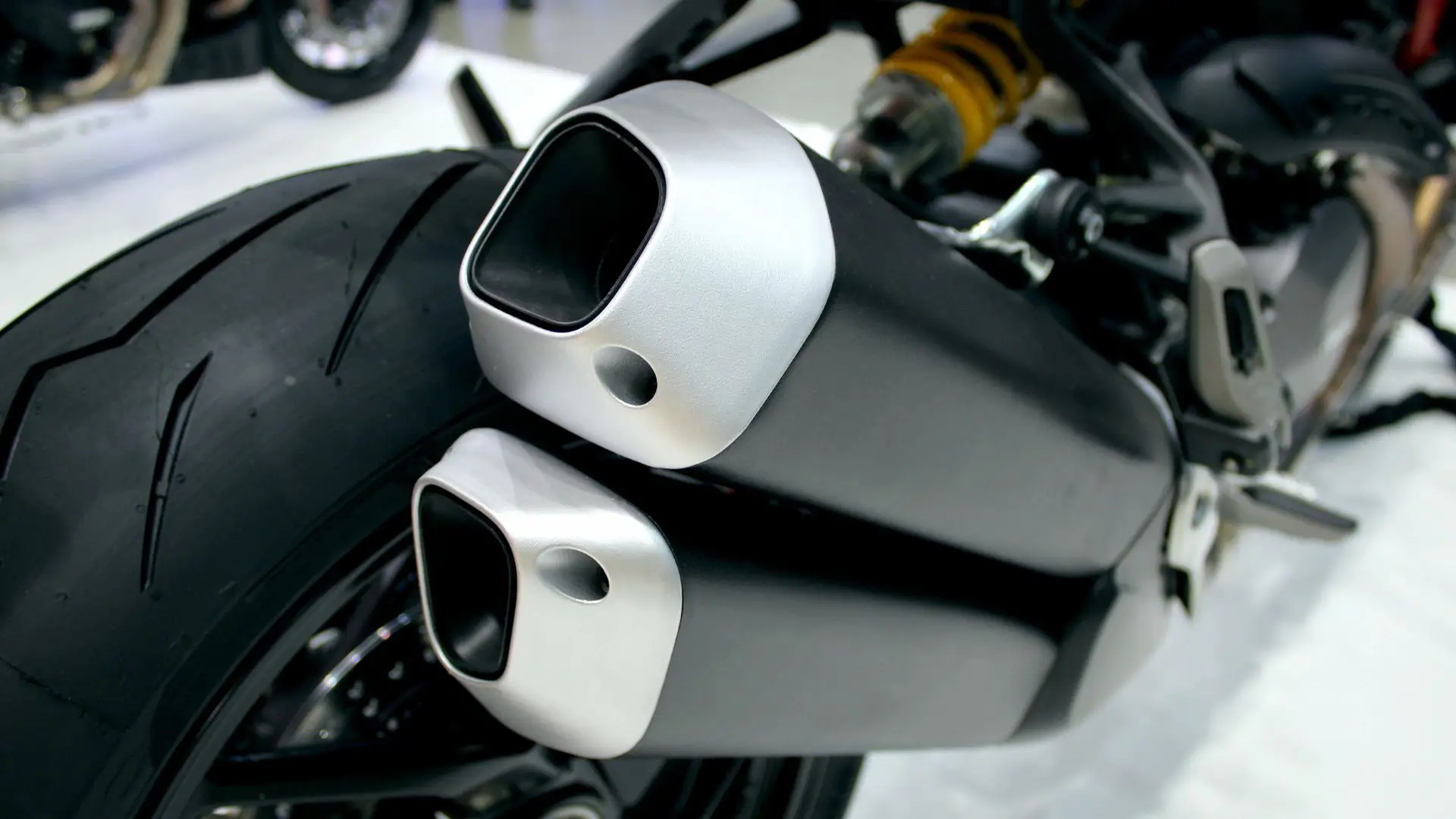
Under RCW 46.37.537, it is illegal to modify a motorcycle’s exhaust in a way that amplifies or increases the noise above what the originally installed muffler produced. The companion general statute, RCW 46.37.390, sets a hard ceiling where an exhaust that exceeds 95 decibels under the SAE J1169 test procedure is deemed unlawful.
The statute provides that a violation is not established unless proper authorities prove the noise exceeds 95 decibels under that specific test, and a court may dismiss the infraction if there are reasonable grounds to believe the bike was not operated in violation. Separately, Washington’s administrative code (WAC 173-62-030) caps motorcycle noise at 78 dB at speeds of 45 mph or less. Bikes made before 1986 are exempt from that administrative limit.
The danger behind the rule is straightforward: straight pipes and cutouts can mask the traffic sounds a rider depends on, and Washington takes neighborhood noise complaints seriously. The practical reality, as many riders know, is that almost any aftermarket pipe increases volume over stock, which is what makes this the most commonly cited motorcycle mod in the state.
2. Handlebars More Than 30 Inches Above the Seat
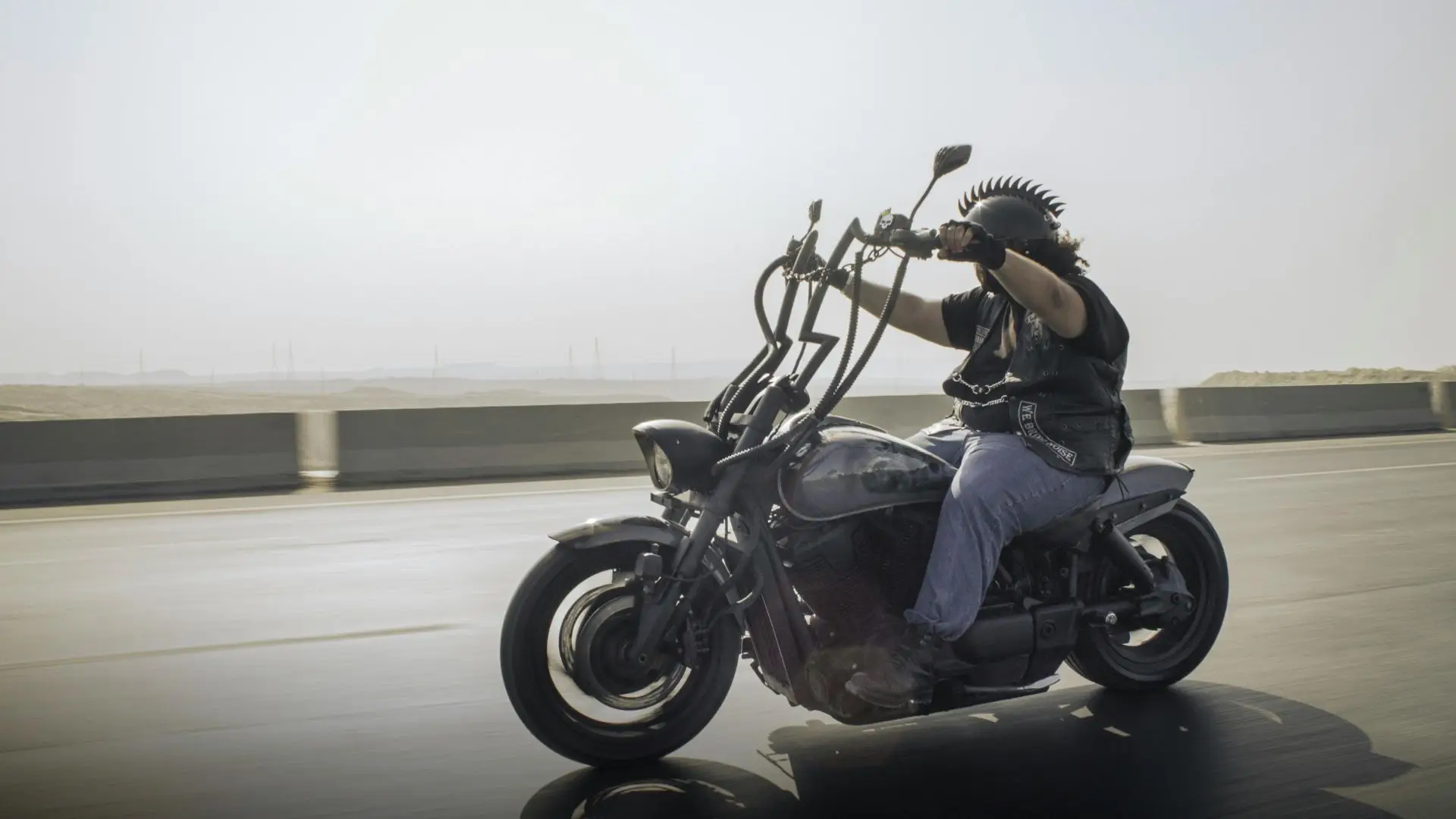
Washington does not use a vague “shoulder height” rule for motorcycle handlebars. Under RCW 46.61.611, a rider may not operate a motorcycle on a public highway if the handlebars or grips are more than 30 inches higher than the operator’s seat or saddle.
This rule is aimed at control, because extremely tall handlebars can place the rider’s arms in a stretched position, reduce steering leverage, and make it harder to react quickly in traffic. That can matter in Washington riding conditions, especially in rain, heavy traffic, or sudden stop-and-go situations on I-5, I-90, SR 520, and other busy corridors.
If a rider with illegal handlebars is involved in a crash, the defense may try to argue that the handlebars made the motorcycle harder to maneuver, even if another driver caused the collision.
3. Removing Either Mirror
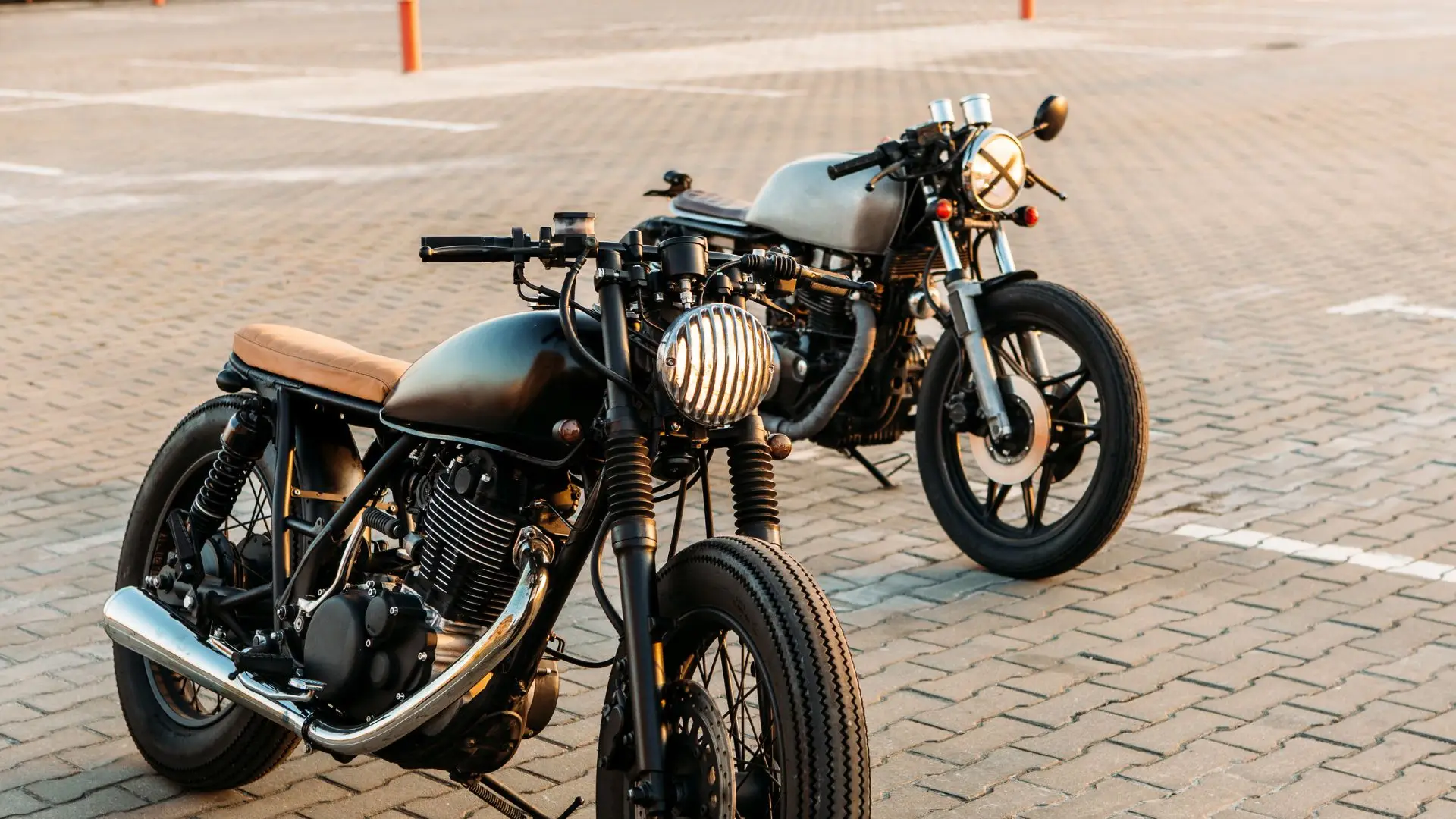
Some riders remove mirrors for a cleaner look, but Washington requires motorcycles to have mirrors on both sides. Under RCW 46.37.530, motorcycles, mopeds, and motor-driven cycles must have mirrors on the left and right sides, located to give the rider a complete view of the highway for at least 200 feet to the rear.
There are limited exceptions for certain antique motorcycles, but for most modern street motorcycles, one mirror is not enough. This is one of the easiest equipment violations for an insurance company to use after a crash. If the collision involved a lane change, merging vehicle, rear-end impact, or side-swipe, the defense may argue that a missing mirror reduced the rider’s ability to see surrounding traffic.
4. Illegal Lighting Changes
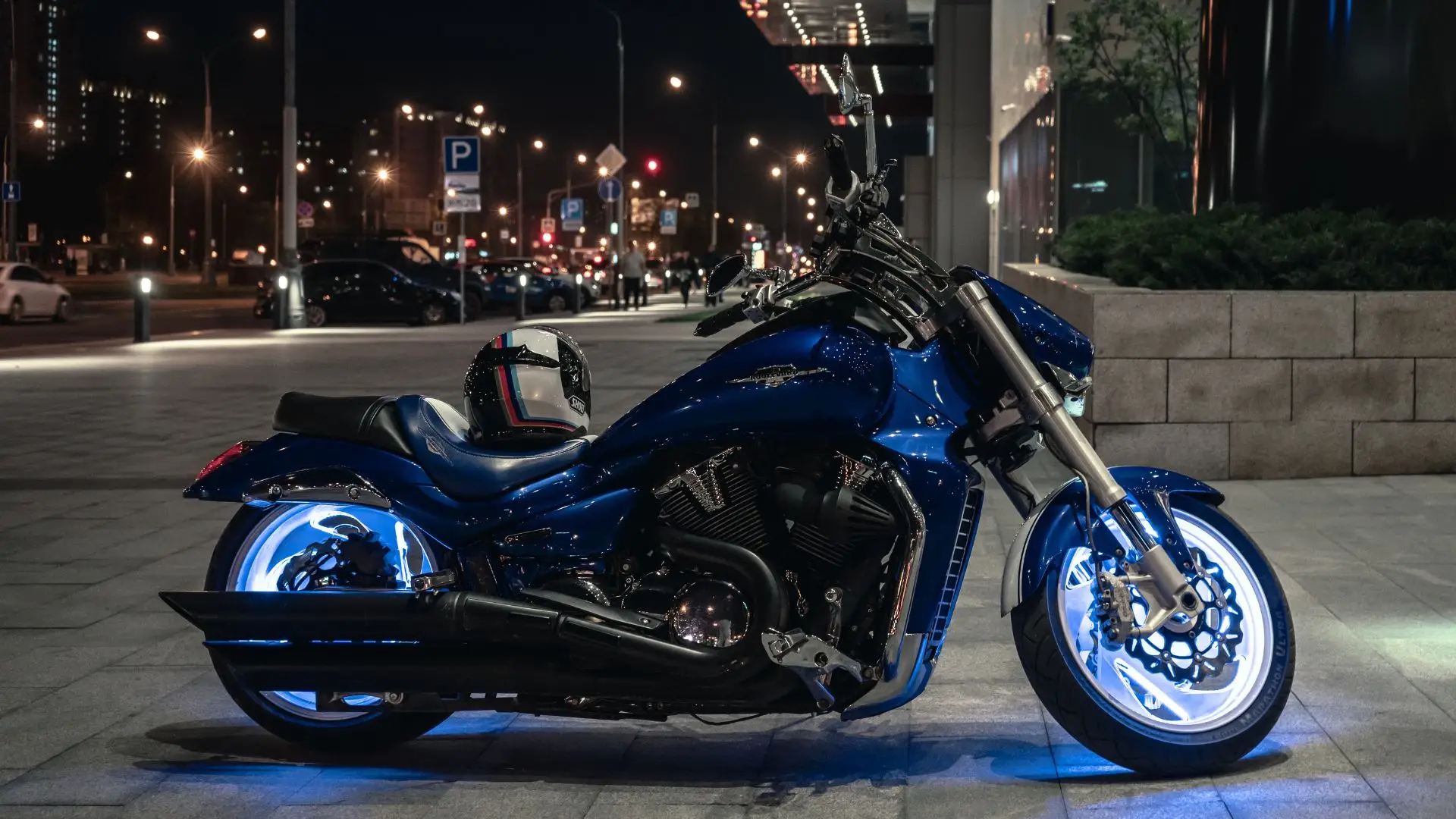
Lighting modifications can create problems when they remove required lights, reduce visibility, or imitate emergency vehicles. Motorcycles must have required lighting equipment, including headlamps, tail lamps, reflectors, and stop lamps. Under RCW 46.37.522, a motorcycle’s headlamps and tail lamps must be lighted whenever the motorcycle is in motion on a highway and RCW 46.37.525 also requires motorcycle tail lamps, reflectors, and stop lamps.
Washington also restricts certain lighting displays because RCW 46.37.280 outlines how red lights visible from the front are generally prohibited except as allowed by law, and flashing lights are prohibited except in specific situations.
This means riders should be cautious with tinted tail lights, darkened lenses, underglow kits, forward-facing red lights, flashing lights, or blue lights that could be confused with law enforcement. In a motorcycle accident case, poor lighting can become a major issue if the driver claims they “never saw the rider.”
5. Disabling or Removing Turn Signals
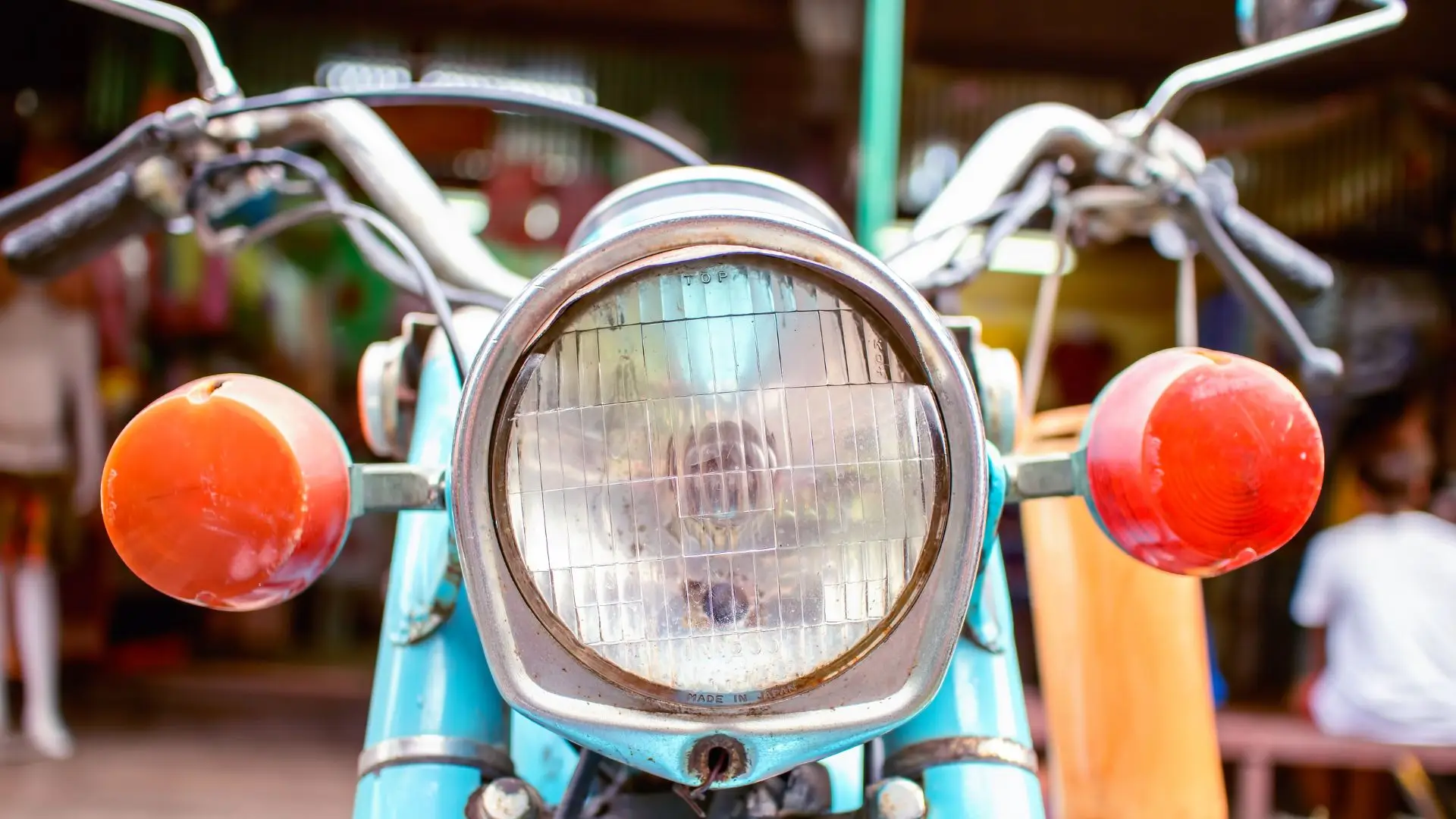
Washington’s turn signal requirements are addressed under RCW 46.37.200. Turn signals must show the rider’s intent to turn by flashing to the front and rear and must be visible from the required distance.
Removing factory-installed turn signals, installing signals that are too dim, or using aftermarket signals that are hard to see can create legal and safety problems. Hand signals may help in some situations, but they are not a substitute for legally required equipment on a motorcycle that must have functioning turn signals.
6. Removing or Over-Amplifying the Horn
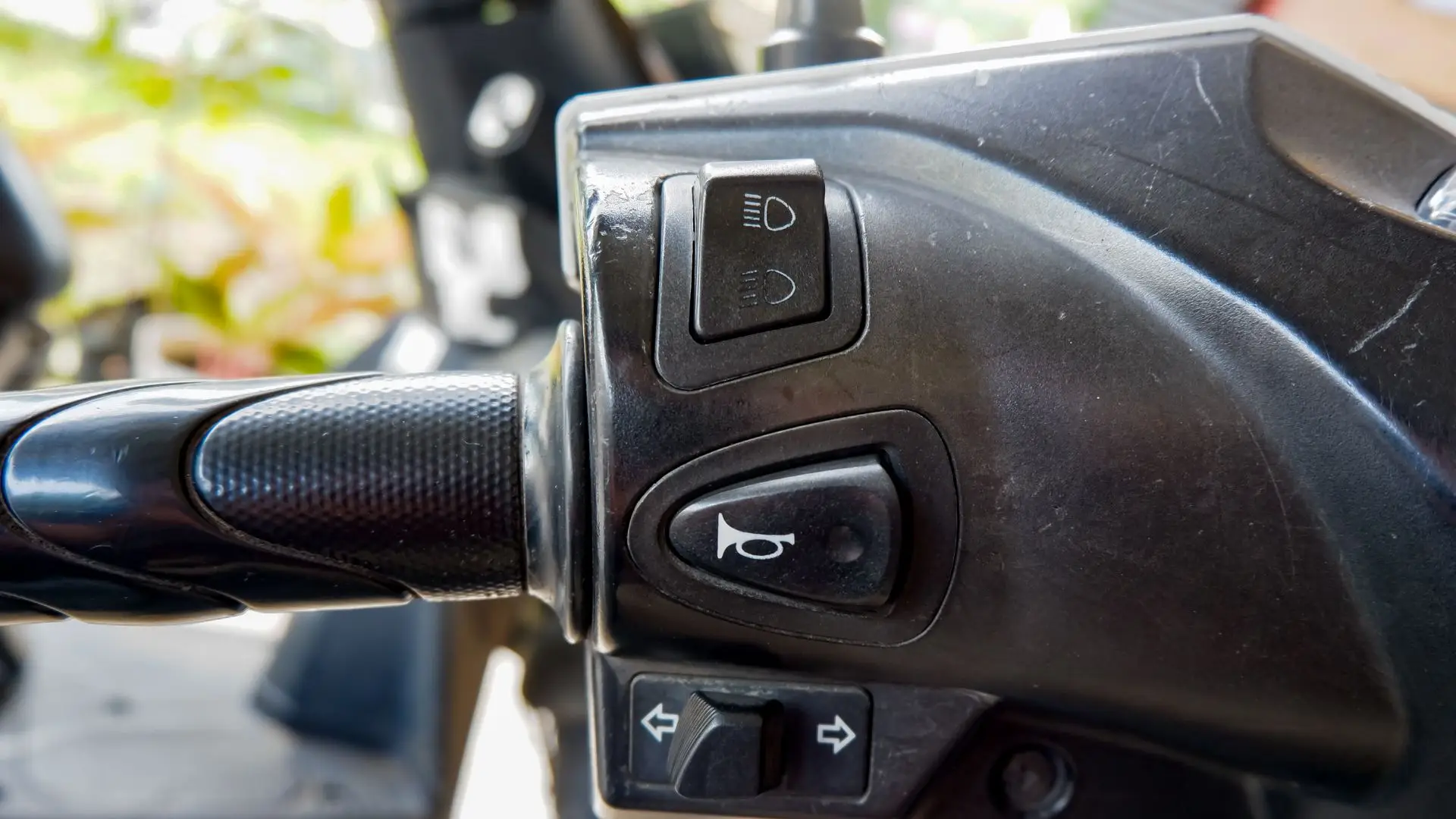
Washington law requires a working horn, but it also limits how that horn can sound. Under RCW 46.37.380, every motor vehicle operated on a highway must have a horn in good working order that can be heard from at least 200 feet under normal conditions. But the same law says a horn or warning device cannot emit an unreasonably loud or harsh sound or whistle.
That means both extremes can be a problem because removing the horn for a minimalist build may violate the law, but so can installing an aftermarket horn that is unnecessarily harsh, startling, or closer to an emergency-style warning device. A horn issue may not decide a crash claim by itself, but it can become relevant if the rider needed to warn another driver before impact.
7. Inadequate or Removed Fenders
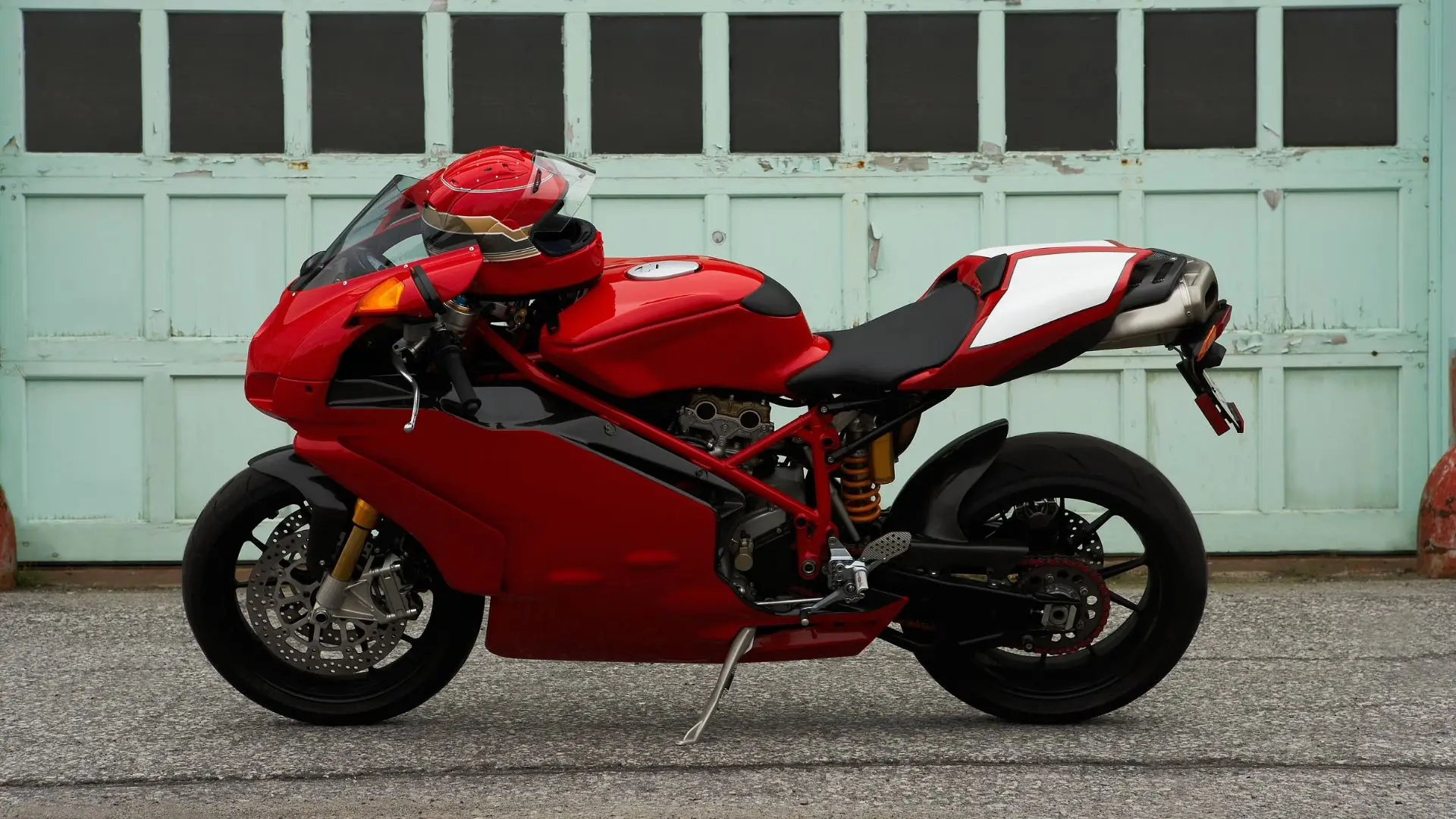
Washington requires vehicles to have fenders or splash protection that help control water, mud, and road spray. Under RCW 46.37.500, vehicles generally must have fenders, covers, flaps, or splash aprons adequate to minimize spray or splash from the roadway to the rear.
The devices must be as wide as the tires behind which they are mounted and extend downward at least to the center of the axle. For certain off-road motorcycles operated on public roads, RCW 46.61.705 also requires fenders adequate to minimize spray or splash of water, rocks, or mud.
This matters in Washington because wet road conditions are common. A shaved or removed fender may look clean, but it can increase spray, throw debris, and create visibility or control issues. After a crash, the defense may argue that missing fenders contributed to poor visibility, loss of control, or road-spray hazards.
8. Illegally Mounted or Tucked License Plates
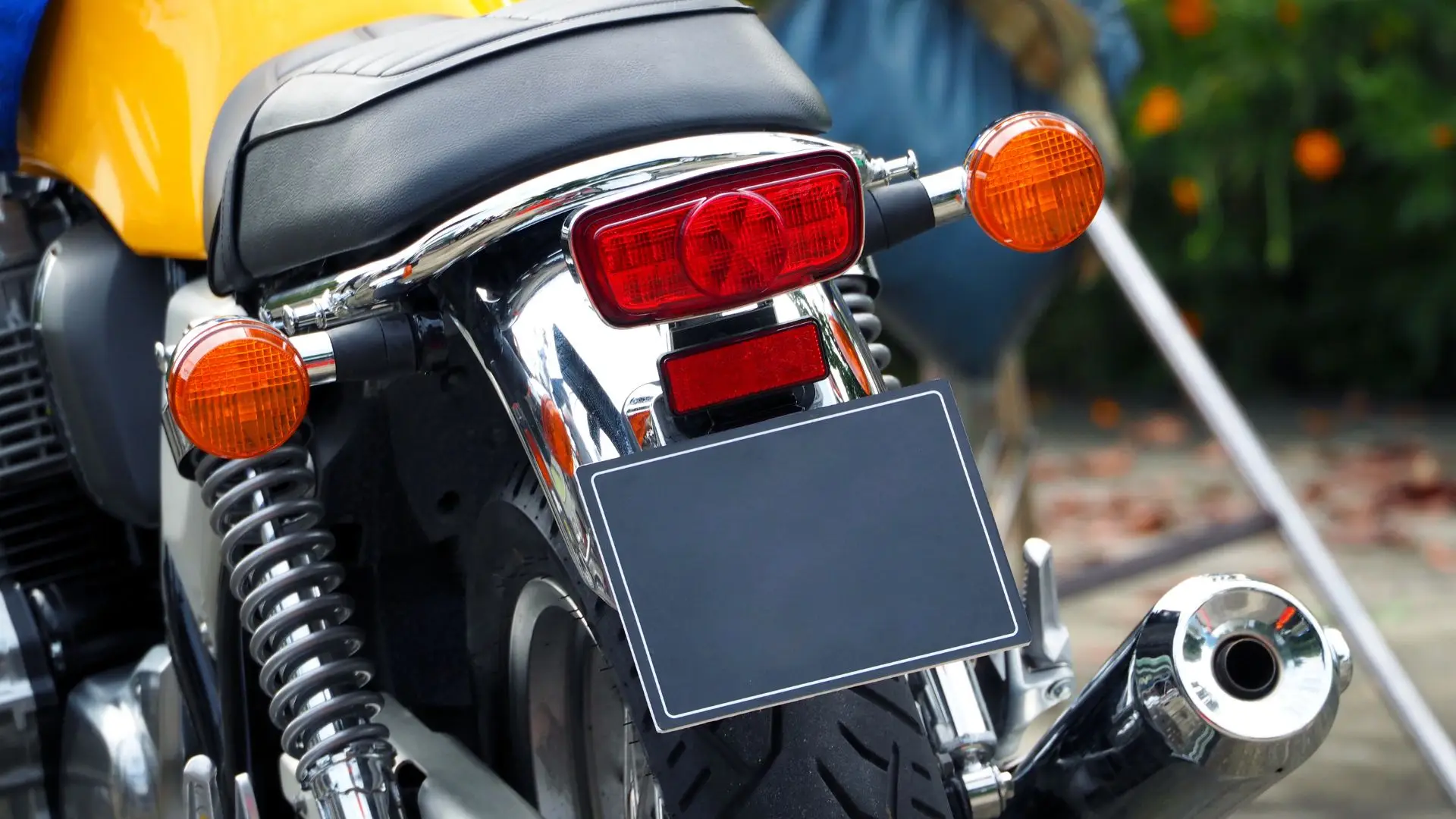
A tucked or angled license plate may look like a minor cosmetic change, but Washington law requires plates to be clearly visible and properly mounted. Under RCW 46.16A.200, motorcycles are generally issued one license plate, and that plate must be attached to the rear of the vehicle. License plates must be kept clean and uncovered, plainly seen and read at all times, and attached in a horizontal position.
That can make certain vertical plates, tucked plates, extreme plate angles, dark plate covers, or obstructed frames illegal. A plate violation may not cause a crash, but it can create problems after one, especially if a rider is involved in a hit-and-run, disputed crash, or police investigation.
What an Illegal Mod Really Costs You After a Crash
Most riders assume the downside of an illegal mod is a traffic infraction and a fine, but the far bigger exposure comes if you are injured in an accident. Washington follows pure comparative negligence under RCW 4.22.005 which means an injured rider can recover even if largely at fault, but the recovery is reduced by the rider’s own percentage of fault.
While an illegal modification rarely bars your claim outright, but it gives the at-fault driver’s insurer a ready-made argument to shift blame onto you, and every point of fault they pin on your bike directly shrinks your payout.
When that happens, the bike itself becomes evidence and any photos of an illegal exhaust, a missing mirror, or disabled lighting let the defense argue your modification contributed to the crash or worsened your injuries. Because Washington requires two mirrors and strictly regulates lighting, a removed mirror or dark tail lamp is an especially easy fault-shifting argument here.
Hurt on a Modified Bike? The Defense Doesn’t Get the Last Word

The thing insurance companies count on is an injured rider with an aftermarket pipe or a tucked plate who won’t assume the modification makes their claim a lost cause and quietly accept a lowball offer. It does not and while a ticket-level equipment issue is a long way from being the cause of a collision someone else created, that distinction is exactly what a good attorney protects.
West Coast Trial Lawyers has secured more than $1 billion for injured clients, with courtroom-tested attorneys including former federal prosecutor Neama Rahmani. Our Washington motorcycle accident attorneys know how the defense tries to turn a rider’s customizations into a discount on their injuries, and we know how to shut that down and keep the focus on the driver who actually caused the harm.
Call (213) 927-3700 or fill out our online contact form for a free case review. On top of it all, we operate on a contingency fee basis, meaning you owe us nothing unless we recover for you.