Knowing how to file a car accident claim in California can help you protect your rights and seek financial recovery after a crash. While insurance claims are negotiated directly with the insurance company, a lawsuit is only filed if a formal legal dispute goes to court.
The car accident claim process generally requires reporting the crash, identifying available insurance policies, gathering evidence, and negotiating a settlement, but understanding the following steps and the strict state deadlines ensures you do not accidentally hurt your chances to collect damages.
1. Complete Any Required California Accident Reports
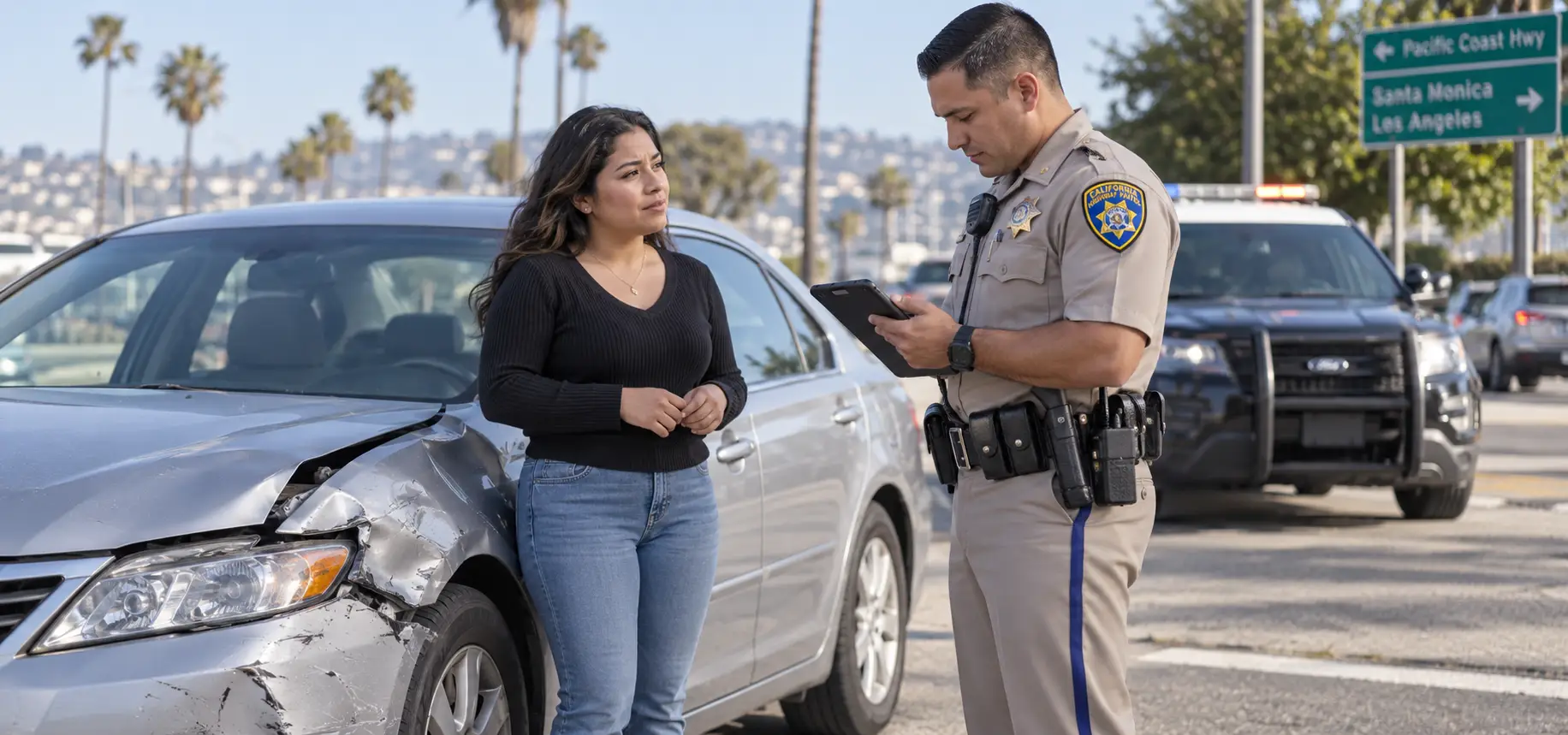
When considering how to file a car accident claim, California drivers should know that a collision may require law enforcement involvement and DMV reporting. Under California Vehicle Code § 20008, a driver who gets into an accident that results in an injury or death is required to report it in writing to the California Highway Patrol (CHP) or local police department within 24 hours. For property damage, you must notify the appropriate police department or CHP without unnecessary delay as per California Vehicle Code § 20002.
Drivers may also need to file a SR-1 (that is separate from a CHP or police report) with the California DMV within 10 days if the incident involved injury or death or led to more than $1,000 in property damage. When filing, you should have information included about the drivers involved, driver’s license numbers, vehicle registration, insurance, and the motor vehicles at the scene.
2. Identify Every Insurance Policy That May Apply
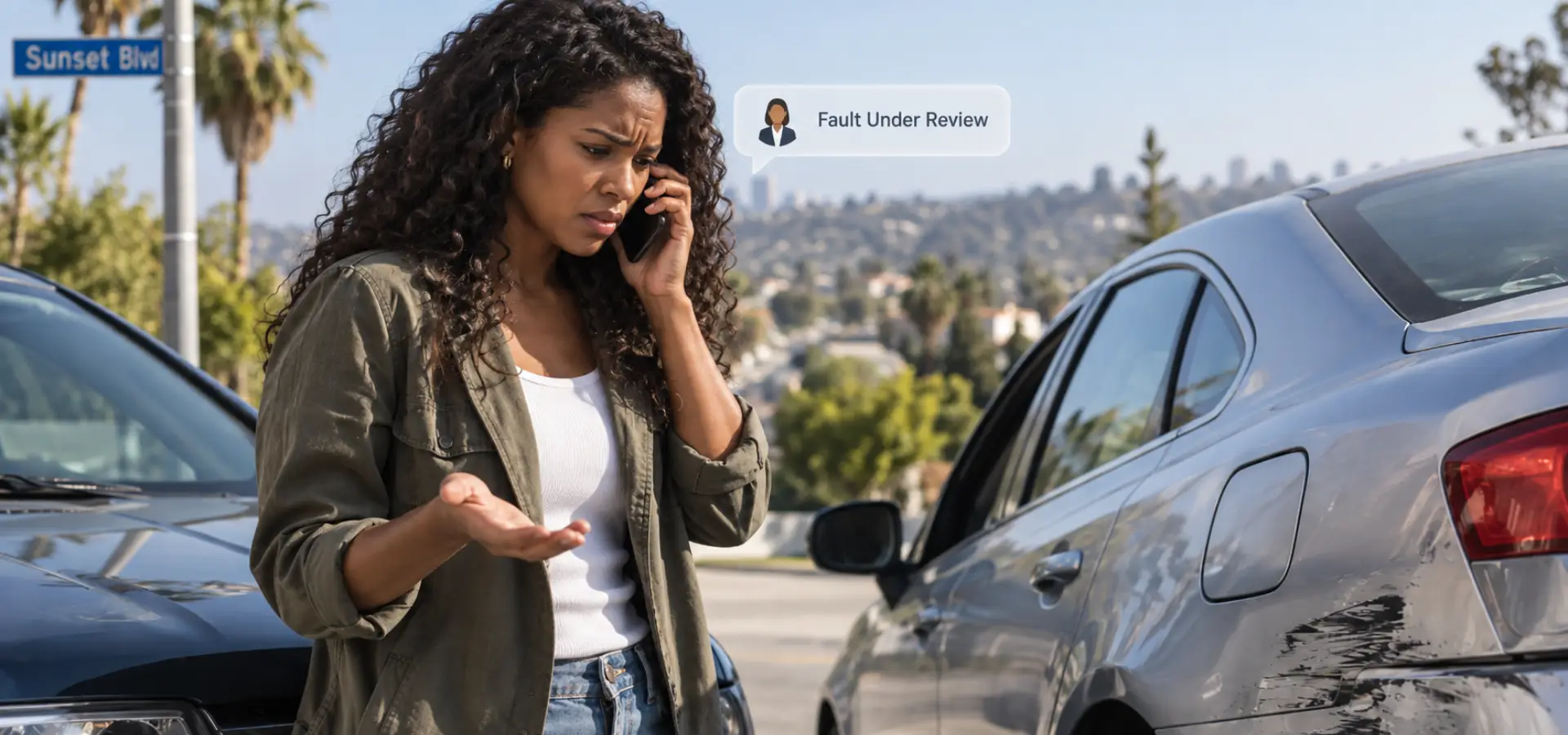
When preparing a car insurance claim, identify every policy that could potentially cover your injuries and the losses you incurred. This includes the insurance carrier, policy number, and contact information for the insurance agent (if available). The at fault driver’s policy may provide coverage for your damages, so be sure to acquire these details as soon as possible.
Review your own auto insurance policy for certain benefits, such as medical payments coverage and uninsured or underinsured motorist (UM/UIM) coverage. This may also be available through a commercial policy, rideshare policy, employer’s insurance, or vehicle owner’s policy.
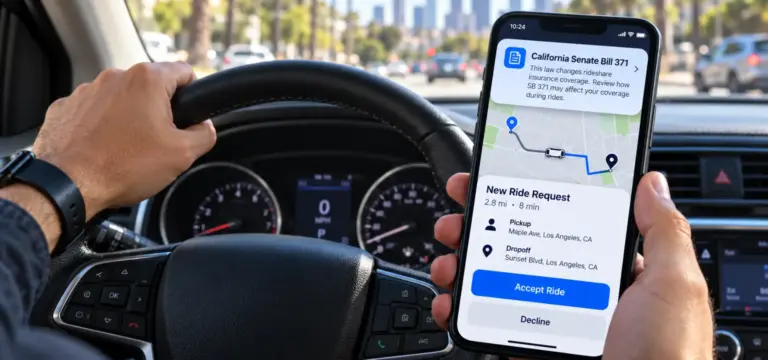
For instance, an accident involving a rideshare driver, company vehicle, or employee fulfilling work-related tasks may involve coverage that goes beyond the driver’s personal policy.
3. Notify the Appropriate Insurance Company
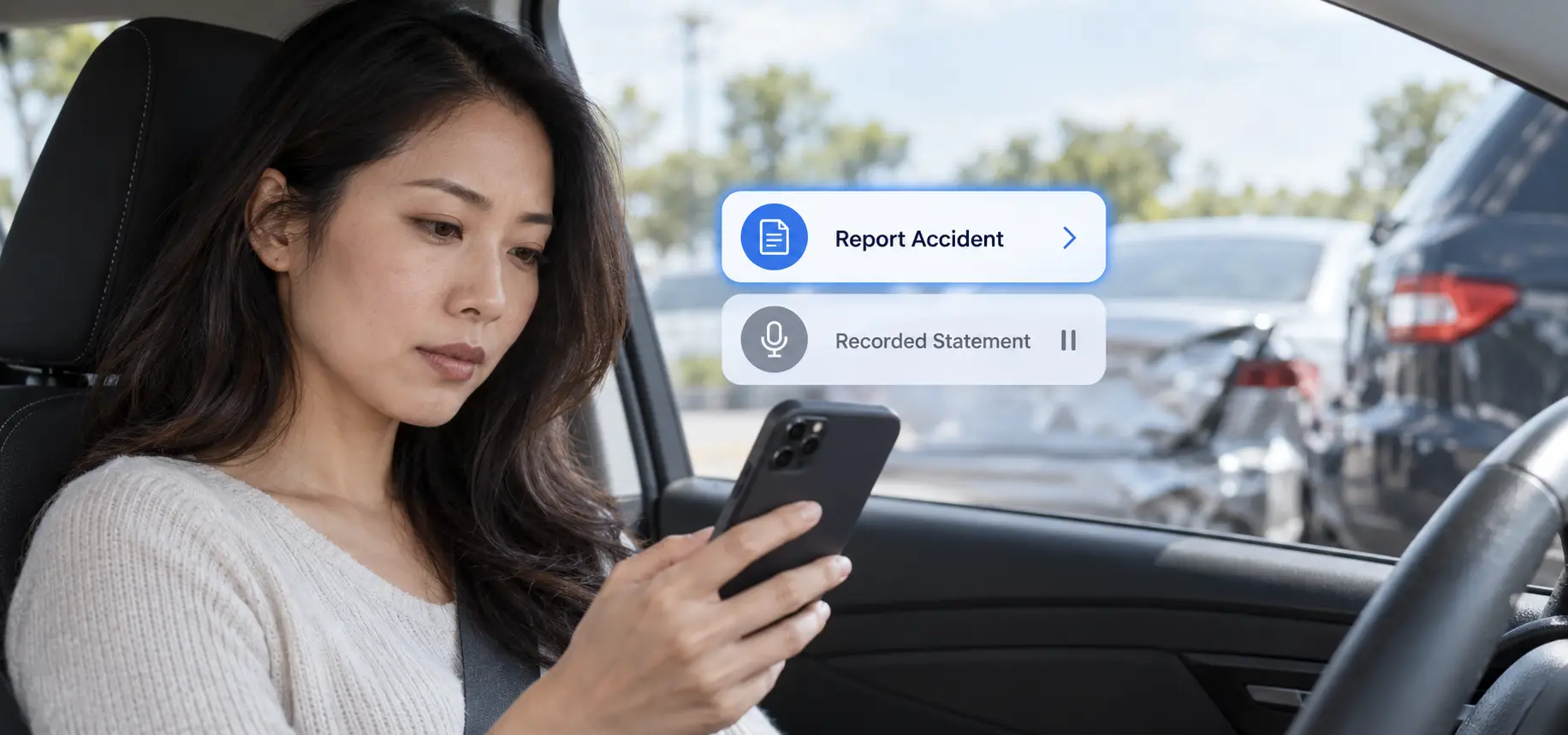
After a car accident, notify the appropriate insurance company immediately to start the claims process. Based on the factors involved and the coverage available, this may mean contacting your own insurance company, the other party’s insurance company, or both. Prompt notice can help develop a claim number and provide a starting point for filing insurance claims.
Keep in mind that letting an insurer know about the situation is different from giving a recorded statement. A notice usually involves reporting that the accident occurred and providing basic details that are needed to essentially open a claim, but a recorded statement consists of answering questions surrounding the incident, the harm you suffered, and other details pertaining to the crash.
4. Preserve Evidence Before It Disappears
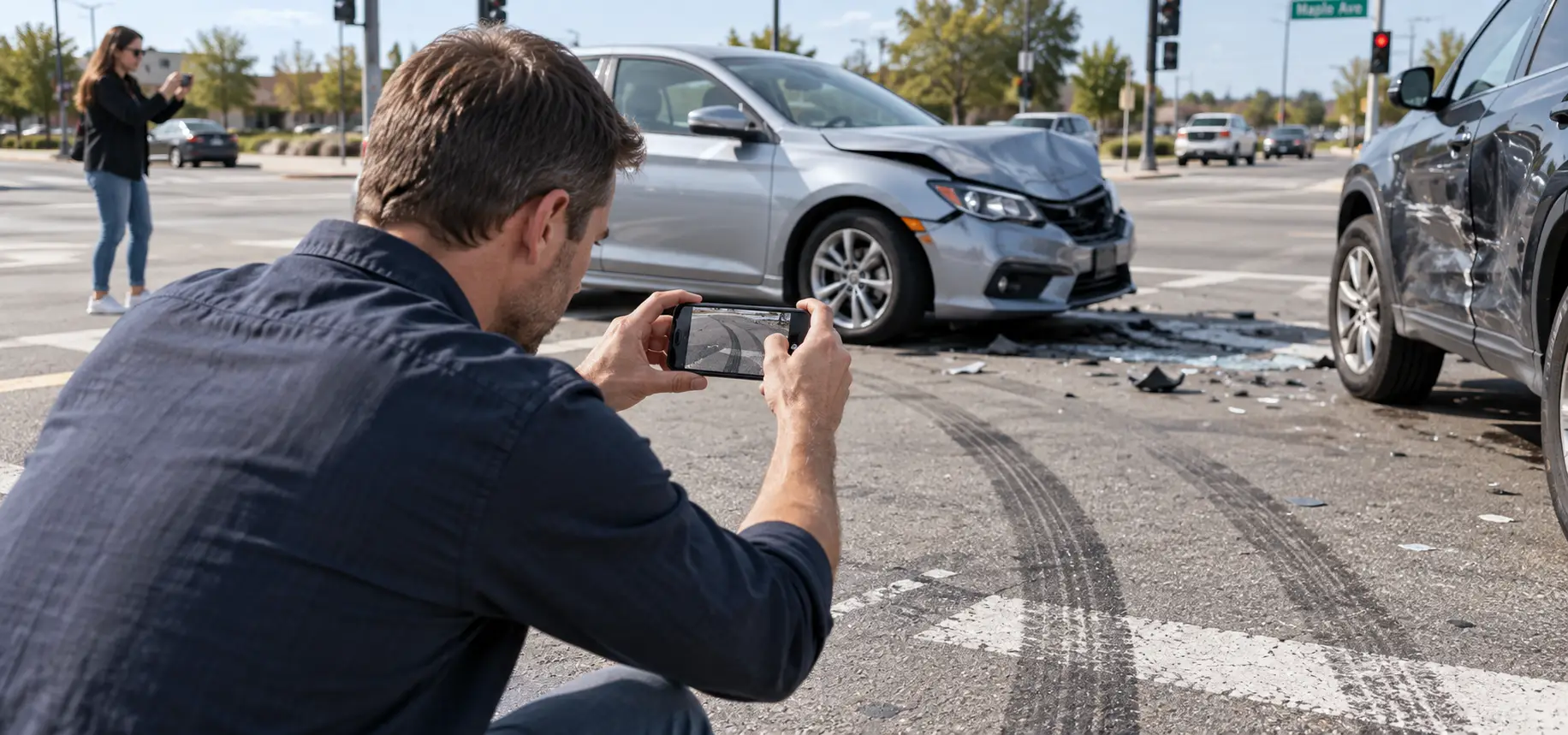
Evidence can become more difficult to obtain as time passes, which is why it is important to preserve information from the accident scene as soon as possible. Be sure to:
- Take photographs or video footage of your injuries, surrounding conditions, debris, and vehicle damage.
- Obtain contact information from witnesses and physical evidence that shows how the collision occurred (if possible)
- Acquire a copy of your medical records to connect your injury to the car accident
- Details about the other driver and copies of the official police report should be kept for future reference as they provide a neutral account of the accident.
Try to acquire other records of what happened, such as available dashcam or surveillance footage, vehicle data, and rideshare or delivery app records if an Uber or Lyft driver was involved. Such records can help establish the vehicle’s movements, timing, or other critical details.
5. Document Your Injuries and Financial Losses

Document the losses caused by the car accident so you can establish both economic and non-economic damages. Economic damages are financial losses you suffered, such as medical expenses (including emergency medical services), wage loss and earning impact, medical treatment, and other out-of-pocket costs. For car accident victims, this would mean acquiring repair costs, estimates, invoices, rental expenses, and other fees associated with vehicle repairs can also support property damage claims.
Meanwhile, non-economic damages address the personal impact of an injury that may not come with a specific bill or receipt. This may include emotional distress, loss of enjoyment of life, and pain and suffering. Documenting these changes can help demonstrate the intangible losses stemming from the accident.
6. Investigate Fault and Comparative Negligence

Under California state law, liability in an auto accident may be divided among all parties involved. The state follows a system of pure comparative negligence (Li v. Yellow Cab Co.), which means that a person can still recover compensation, however, it can be reduced by their percentage of accountability.
Before you admit fault, consider the available evidence, such as the circumstances surrounding the accident, witness accounts, vehicle damage, and reports documenting the incident.
7. Present a Supported Demand or Claim Package
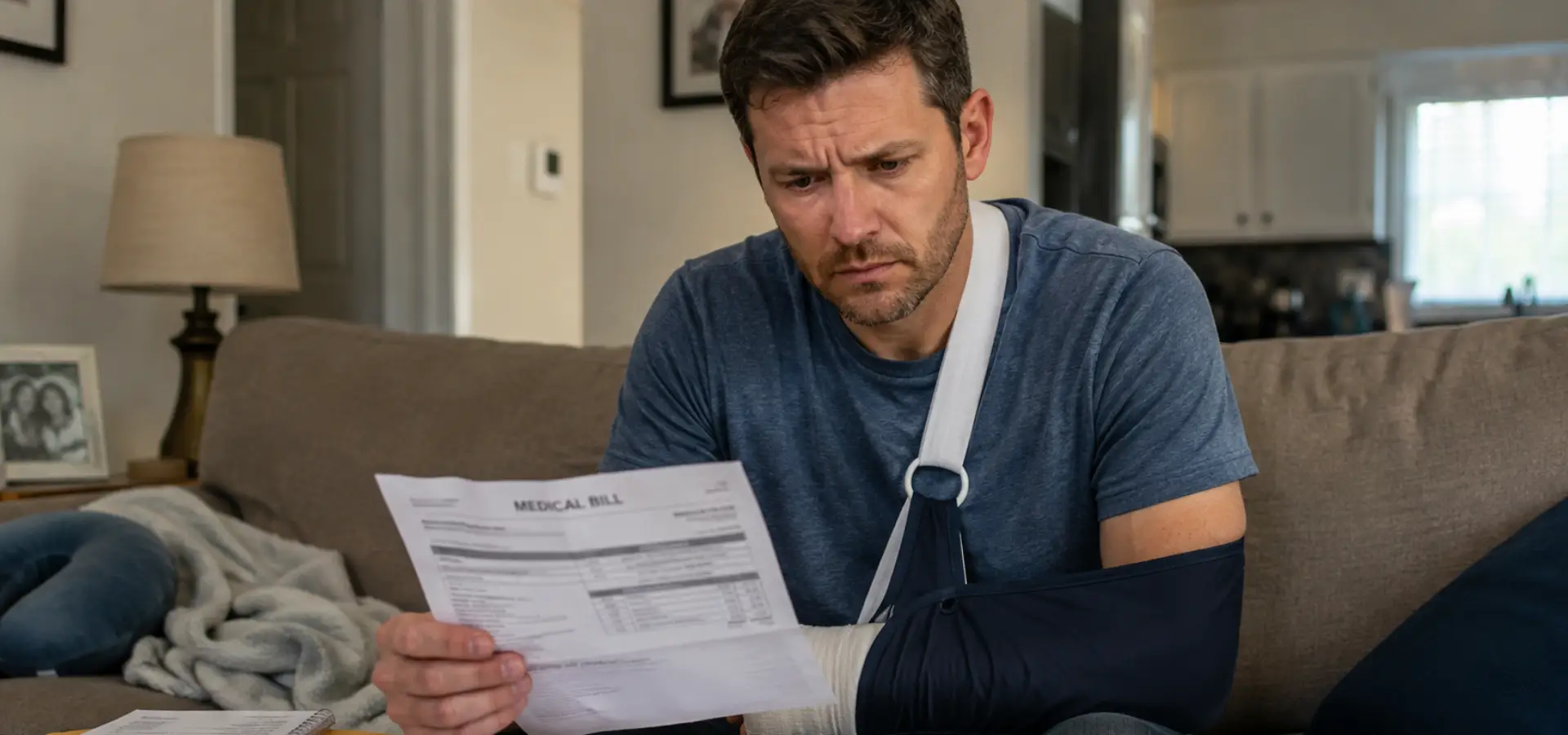
A demand or claim package should present a clear, organized explanation of the losses for which you are seeking financial compensation. Supporting information may include:
- Medical bills and records
- Treatment history
- Documentation of lost income
- Property damage estimates
- Repair invoices
- Photographs
- Witness information
The package should connect the evidence to the losses being claimed and explain the basis for the requested compensation. Factors, including the nature and severity of the injuries, extent of treatment, financial losses, property damage, and impact on daily life may all affect the amount being pursued.
8. Evaluate the Insurance Company’s Response
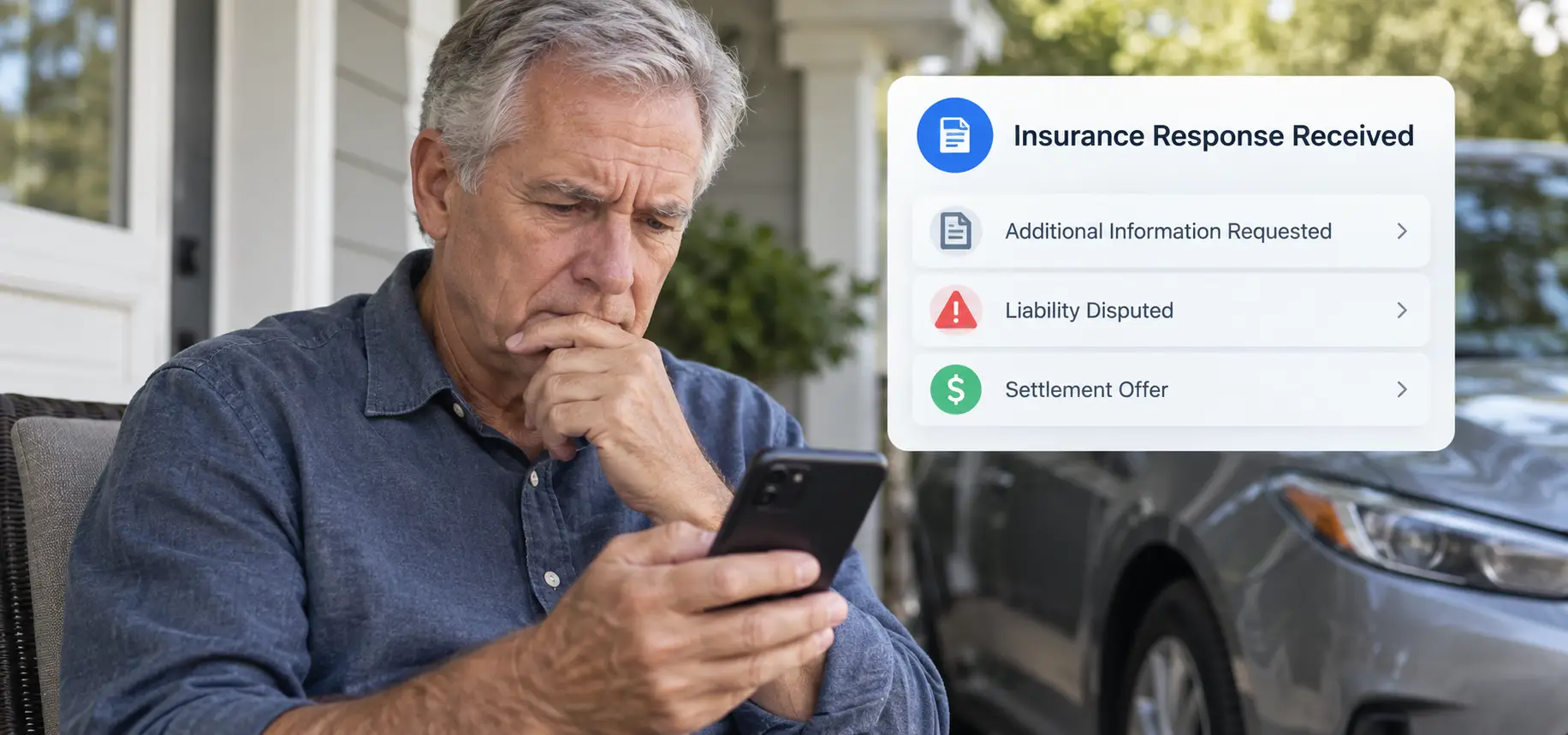
After submitting a claim, insurance adjusters may request additional information, question liability, or make an offer based on their evaluation of the evidence provided. Review any requests for more information thoroughly and determine whether the insurer is seeking records or other details that are reasonably needed to properly evaluate the car accident case.
The response may also involve a liability dispute, specifically if the insurer argues that its policyholder was not fully liable for the incident. An insurer may also make a low or partial offer that does not fully account for the documented losses. Compare the insurer’s position with the evidence provided, such as medical records, financial losses, property damage, and details surrounding fault, before you decide how to respond.
9. Negotiate or Consider Other Claim Options

Communicating with an insurer may consist of responding to a settlement offer or providing more evidence to support your losses. A California car accident lawyer can help negotiate with the opposing side on your behalf and evaluate whether an offer fairly reflects your damages.
If the at fault party’s insurance is insufficient, you may have other options available, including uninsured or underinsured motorist coverage. More than one insurer may also be involved, such as an employer, rideshare company, or commercial insurer depending on the factors surrounding the situation.
10. Be Aware of the Deadline to File a Lawsuit
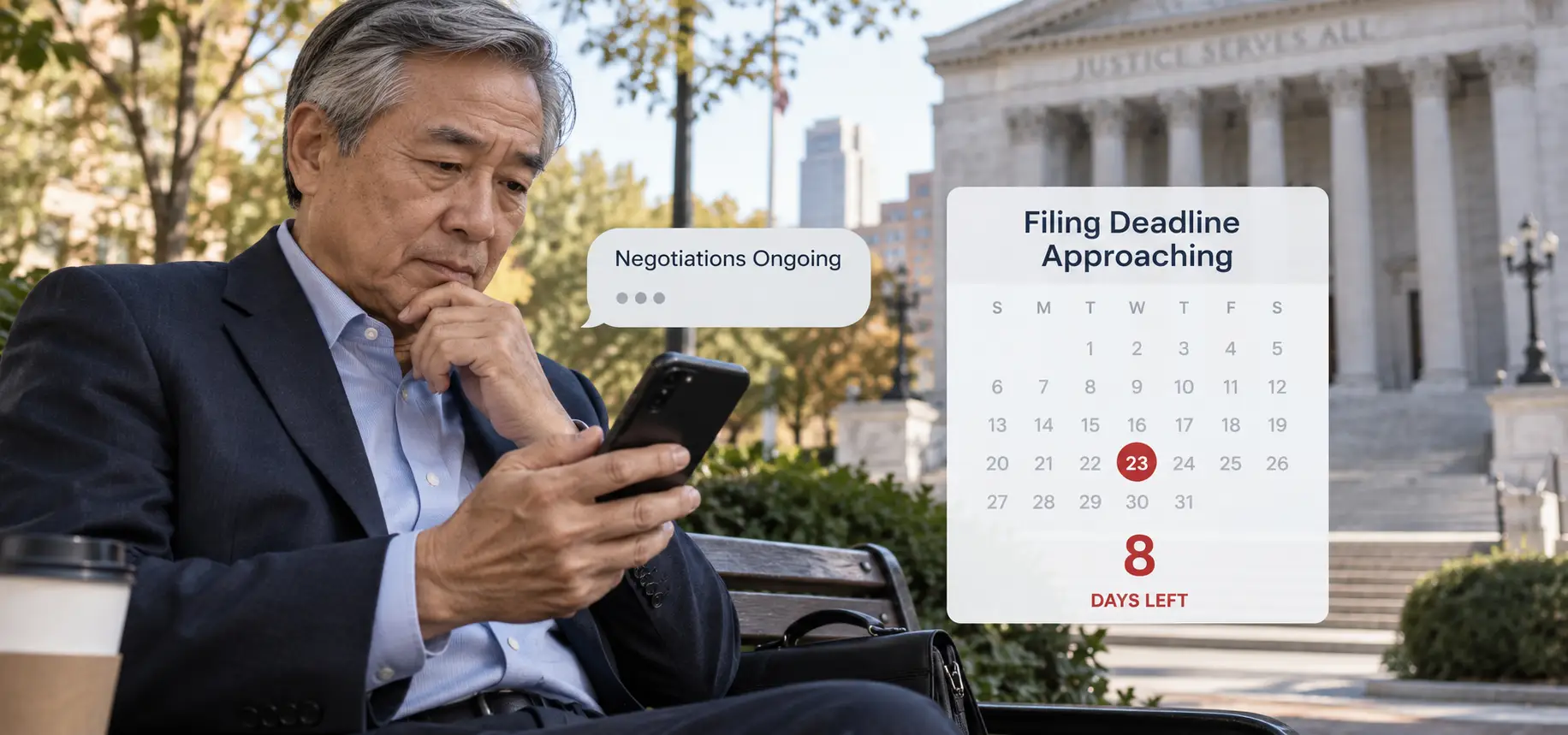
Insurance negotiations do not automatically pause or extend the deadline for filing a personal injury lawsuit. While California law establishes time limits for bringing a claim, the applicable deadline will depend on what type of case is being pursued and the factors surrounding it.
Under California Code of Civil Procedure § 335.1, claims involving personal injury must be filed within two years from the date of the incident. Under CCP § 338, claims solely involving property damage must be filed within three years.
However, according to California Government Code § 911.2, a claim against a public entity must be presented within six months after the cause of action accrues. If the entity rejects the claim in writing, Government Code § 945.6 requires a lawsuit to be filed within six months of the date the rejection notice is personally delivered or mailed.
If the public entity fails to respond within 45 days, the claim is deemed rejected (Government Code § 912.4), and the deadline to file a lawsuit extends to two years from the date the cause of action accrued (Government Code § 945.6(a)(2)). If you miss the deadline while waiting to hear back from the other party, you will unfortunately lose your right to sue.
When Does an Insurance Claim Turn Into a Lawsuit?

The car accident claim process typically starts with an insurance claim and may involve investigation, negotiations, and settlement discussions. A claim may move toward a lawsuit when the parties cannot reach an agreement on liability or the amount of compensation owed. Filing a lawsuit allows the dispute to be addressed through the court system rather than continuing negotiations with the auto insurance company.
If the insurer denies your claim, disputes fault, or will not offer a reasonable amount to have the matter resolved, it may be worth reviewing your legal options. Backed by more than 25 years of combined practice and a track record of securing over $2 billion for personal injury victims, our experienced attorneys at West Coast Trial Lawyers can evaluate your evidence, assess your potential damages, and analyze key deadlines to help determine whether filing a lawsuit is the right choice for your case.
To schedule a FREE consultation, we invite you to contact us by calling (213) 927-3700 or completing our easy online contact form.