
Dogs are known as loyal companions, forming trusting bonds with people around them. But, certain circumstances can result in unexpected behavior. When a dog is not properly trained, inadequately restrained, or is placed in a stressful environment, it may start to react aggressively and attack. These situations tend to be preventable, yet they can lead to serious physical and emotional trauma.
Dog bite laws are made to identify the responsible party and provide a legal path for victims to move forward. If you have been hurt by a dog as a result of the owner’s negligence, you may be given the right to recover compensation for losses you suffered. Filing a personal injury claim will ensure your rights are protected and that the full impact of the injury will be properly addressed.
At West Coast Trial Lawyers, we have over 20 years of experience managing personal injury cases and more than $1.7 billion in settlements recovered on behalf of our clients. Our team is readily available to listen to your story, explain your options, and guide you through the legal process to hold the negligent party accountable.
We work on a contingency-fee basis, meaning there are no fees unless we recover compensation for you. To book a FREE consultation, you can reach out to us by calling (213) 927-3700 or filling out our quick online contact form.
Why Hire Us for Your Dog Bite Claim?
For dog bite victims, hiring the right legal representation is important. At West Coast Trial Lawyers, you will work directly with in-person attorneys who are top-level educated and nationally recognized legal analysts. Our team has a strong understanding of local ordinances, allowing us to manage dog bite claims with confidence and precision.

We do not outsource cases, raise fees mid-case, or include hidden costs. With a proven track record of delivering client satisfaction, we bring the trial experience and expertise needed to secure the compensation you deserve.
What Is Defined as a Dog Bite?

A dog bite is defined as any situation in which the animal uses its teeth to break a person’s skin or inflict bodily harm. Under most circumstances, owners are held automatically liable for injuries caused by their pet, especially if strict liability laws are enforced. This means that the victim does not have to prove the owner was negligent, only that the bite happened.
But, there are some factors that can still be considered when determining responsibility. Violations of leash laws, for instance, may strengthen a claim if the dog was not properly restrained while on public property. Similarly, inadequate training or failing to control a dog that is known to have aggressive behavior can further support liability.
Simply put, a dog bite is not just the physical act of penetrating the skin. It also carries legal implications that are connected to pet ownership responsibilities and public safety regulations.
What Is Negligence in a Dog Bite Case?

Negligence in a dog bite case refers to a situation in which a dog owner, or even other parties, failed to act with reasonable care to prevent an attack from occurring. This involves letting a dog roam freely, ignoring leash requirements, or failing to restrain a dog who has a history of aggression.
In many states, dog bite cases are governed by strict liability. This means that you are usually not required to prove negligence. Instead, you will only have to show that the bite happened and that you were lawfully present at the location where the incident occurred. But, negligence can still be relevant in certain scenarios.
For example, if the injury did not involve an actual bite or if other parties, like property owners, may share responsibility, then you will need to prove negligence by showing how they failed to act responsibly. In addition, even in strict liability cases, fault can still affect how much compensation you are given. If the defense argues that you contributed to the conflict (ex: provoking or teasing the animal), your compensation may be reduced under state negligence rules:
- Pure comparative negligence: You can acquire damages even if you are 99% responsible for the incident. Compensation will be reduced based on your percentage of fault.
- Modified comparative negligence: You may be able to recover damages if fault is below a specific threshold (50% or 51%), with compensation adjusted accordingly.
- Contributory negligence: Even if you are slightly responsible, you will be barred from securing compensation.
While many dog bite laws allow victims to recover without the need to prove negligence, those principles can still play an important role with more complicated circumstances and can impact your ability to acquire fair compensation.
How Often Do Dog Bites Happen?
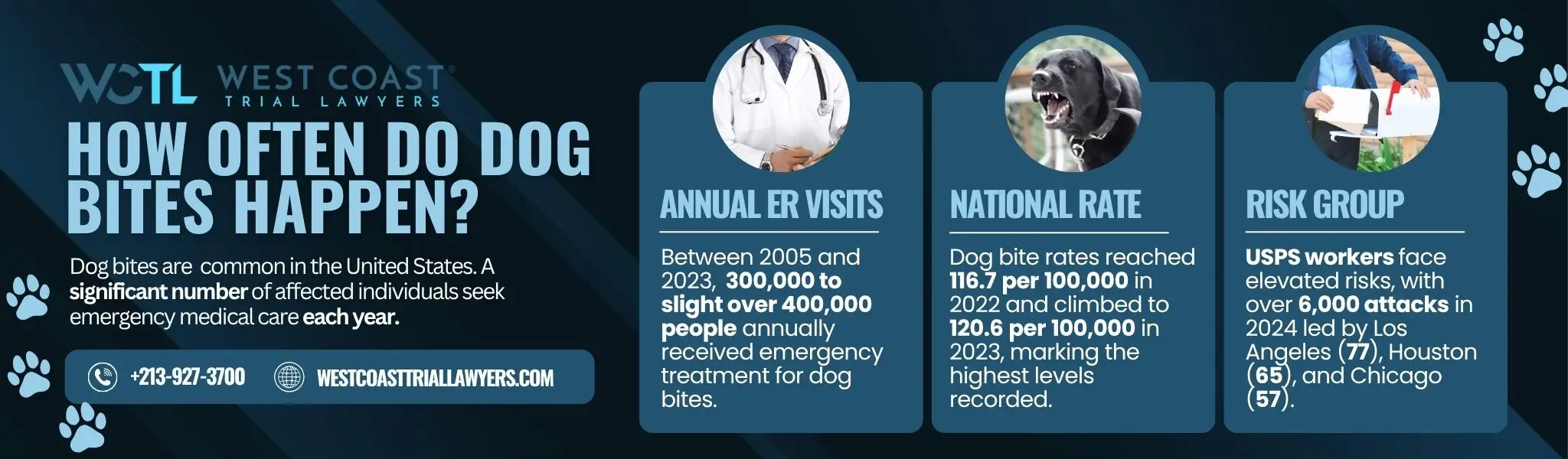
Dog bites are common in the United States. Hundreds of thousands of affected individuals seek emergency medical care each year. According to DogsBite, annual visits for treatment range between 300,000 and slightly over 400,000 cases.
While there was a temporary decline in 2020, rates reached 116.7 per 100,000 in 2022 and increased to 120.6 per 100,000 in 2023, leading to record highs. The presented data indicates that dog bites are a common occurrence and an ongoing public safety concern.
Certain workers are met with higher risks, specifically those who encounter dogs on a daily basis. For instance, U.S. Postal Service employees are met with thousands of aggressive encounters with dogs each year. More than 6,000 reported incidents occurred in 2024 alone. The highest number of attacks were reported in Los Angeles (77), Houston (65), and Chicago (57).
What Happens if My Dog Bites Someone?

If your dog bites someone, what happens next depends on your state’s laws and the details of the incident. In many places, a strict liability statute will be effective. As previously stated, this means the dog owner is responsible for injuries caused by the animal regardless of whether past aggression has been demonstrated. The injured party only has to prove that the incident occurred and that it caused harm while lawfully on public or private property.
However, some states follow the one bite rule, which gives owners more legal protection. Under this regulation, liability will depend on whether the owner was aware of or should have been aware of the dog having dangerous tendencies. A claim can still move forward if there is evidence of the owner’s negligence, such as failing to maintain control over the dog or ignoring safety precautions.
Certain defenses can limit or prevent liability. For instance, if the victim provoked the dog attack, the owner’s responsibility will either be reduced or removed. Courts look at how the incident occurred, including the behavior of the animal in addition to the injured person to determine liability.
What Are the 6 Levels of Dog Bites?
Dog bites can range from minor to serious harm. Knowing how severity is measured can help put these situations into perspective. The level of injuries caused will determine the medical response and legal implications. Below is a list of recognized levels of dog bites and what each one means according to the Dunbar bite scale:
- Level 1: The dog is presenting aggressive behavior, like growling or snapping, but there is no skin contact and no injuries caused.
- Level 2: The dog’s teeth makes direct contact with the skin, but does not puncture it. The injuries caused are minor, and the affected area will have light redness and superficial marks.
- Level 3: The dog delivers a single bite with shallow puncture wounds, which is less than half the length of the canine teeth. Injuries caused include small cuts or slight tearing.
- Level 4: The dog bite results in deeper puncture wounds, specifically more than half the length of the canine teeth. Bruising or lacerations may appear. These are deemed as serious injuries and may require medical treatment.
- Level 5: The dog inflicts multiple bites in one incident or throughout separate occasions. Serious injuries may arise and will require urgent care.
- Level 6: The dog bite leads to death, making this the most severe outcome and the highest level of bodily harm.
The Importance of Finding a Local Dog Bite Lawyer
When you have suffered a dog bite injury, hiring a local attorney can significantly impact how your case is handled. They will understand the specific laws, regulations, and court systems in your area, and can give you an edge when it comes to building a strong case. In addition to their legal knowledge, local attorneys will have connections with nearby experts, investigators, and resources that can be crucial to your claim.
Here are some other benefits you can get of working with attorneys in your area:
- In-depth knowledge of local laws: Each state has its own nuances when it comes to handling dog bites.
- Familiarity with local courts and judges: A regional attorney knows the preferences and tendencies of judges and other legal professionals in the area.
- Accessibility and personalized service: Meeting your attorney in person can provide peace of mind and foster clear communication throughout the process.
If you are looking for an experienced dog bite lawyer, we proudly serve clients in the following states:




What Is Considered Serious Injury From a Dog Bite?
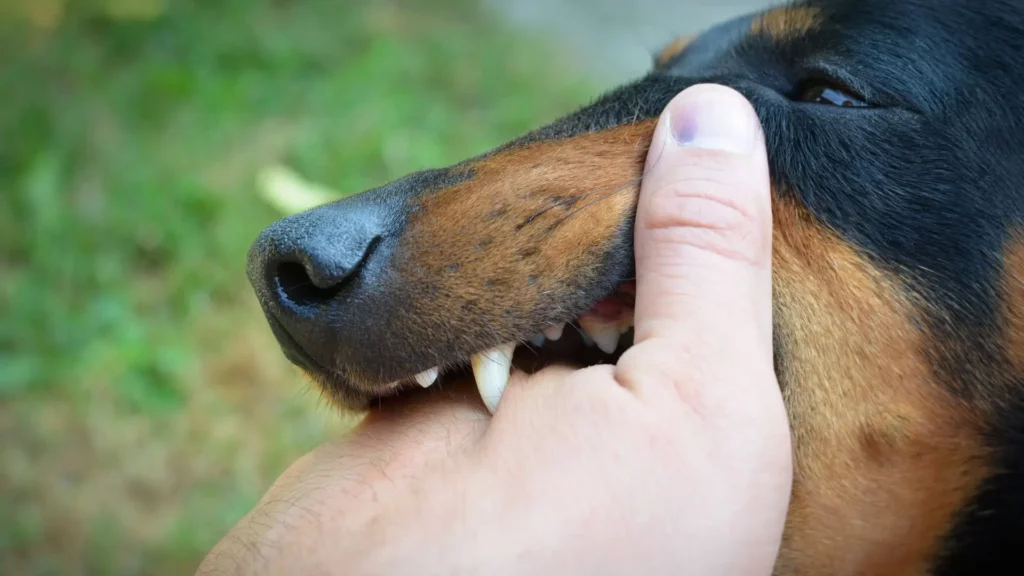
A serious injury from a dog bite usually involves harm that extends further than minor cuts or bruises. Such circumstances may require medical treatment, ongoing care, and long-lasting consequences. Common forms of bodily harm may include:
- Deep wounds
- Infections
- Nerve damage
- Permanent scarring
For instance, facial injuries are considered serious because of the risk of disfigurement and the need for reconstructive procedures. Furthermore, significant physical injuries, like torn tissue or muscle or nerve damage, can contribute to long-term health complications. Substantial physical pain can tamper with daily activities, require surgical procedures, or result in temporary or permanent impairment.
Other than visible harm, dog bite victims may also suffer psychological injuries. This can include post-traumatic stress disorder (PTSD) or fear of animals. In such cases, it is encouraged for affected victims to seek therapy or other forms of ongoing care to improve quality of life.
How Do I Know if I Have an Infection From a Dog Bite?
The best way to know if a dog bite is infected is to look out for how the wound is changing within the first day or two after the attack. While some redness or soreness may appear at first (which is normal), an infection is more likely if symptoms continue or worsen over time. Common signs include:
- Swelling
- Redness
- Persistent pain
- Warmth surrounding the wound
- Drainage or fluid oozing out
Another indicator is how the injury affects movement. If you are experiencing difficulty moving the affected area, that may suggest the infection is getting worse or is spreading deeper into the tissue. Be sure to pay attention to your whole body to look out for symptoms since infection can spread beyond the wound. Certain warning signs, like fever, shaking, or night sweats can indicate more serious reactions that may require immediate medical attention. If the infection is left untreated, it can lead to complications, such as tetanus or even sepsis.
What to Do After Your Dog Bites You?
After a dog bite, completing the following steps can help prevent infection and protect your rights:
- Clean the wound: Wash the bite with soap and warm water for several minutes to minimize the risk of infection. After you are done cleaning the affected area, apply an antiseptic and have it covered with a bandage.
- Control the bleeding: If the wound is bleeding, apply gentle pressure to the bitten area with a clean cloth or gauze until it has either slowed down or stopped.
- Seek medical attention: Get assessed by a healthcare provider, especially if you have a deep wound on the hands, face, or near a joint. You may be told to take antibiotics, a tetanus short, or get evaluated for rabies.
- Watch out for signs of infection: Look for redness, swelling, pain, or pus. You should also pay attention to any fevers or chills you experience as this could show a more serious form of an infection.
- Report the situation to animal control: Be sure to get in touch with animal control to have the bite reported, specifically if the animal is unfamiliar or if you are unaware of its vaccination status. This will help document the dog bite and protect others from experiencing a similar encounter.
- Gather information: If possible, try to get the owner’s contact information, the dog’s vaccination records, and witness details. This is important for medical follow-ups and legal purposes.
- Document your injury: Maintain a record of the wound, the symptoms you are experiencing, and the medical treatment you received or are currently being given. Photos can help track your recovery process and be used as evidence, if needed.
- Reach out to a personal injury law firm: If the bite caused you to experience a pileup of medical bills, missed work, or you are met with lasting injuries, speaking with an experienced dog bite lawyer can help you understand your legal options and whether you may be entitled to recover compensation for the losses you incurred.
Can You Get Compensation if a Dog Bites You?
You can seek compensation if a dog bites you, especially if the incident caused measurable harm. In most cases, dog owners are legally responsible for injuries caused by their pets, specifically under strict liability laws. This means that you will not be required to prove that the owner was negligent, only that the bite actually happened and it caused damages. Compensation will be divided into economic and non-economic categories.
Economic damages are financial expenses you incurred as a result of the dog bite. This includes medical expenses for ER visits, treatment, and medications. Ongoing treatment is also considered, such as physical therapy. In addition, if the incident prevented you from attending work, you may also be entitled to lost wages.
Non-economic damages, on the other hand, refer to intangible losses that are difficult to measure in monetary terms, such as:
- Emotional distress
- Loss of enjoyment of life
- Pain and suffering
Simply put, if a dog bite causes you to sustain financial losses and personal harm, you may be given the right to seek compensation for both economic and non-economic damages. A legal professional can step in to evaluate the full value of your claim and ensure all aspects of your injury are properly addressed.
How Much Should I Settle for a Dog Bite?
There is no fixed amount you should settle for after a dog bite. Your case value will depend on:
- The extent of harm endured
- Medical costs
- How the incident impacted your daily life
When evaluating a settlement, you should consider economic damages (medical bills and lost income) in addition to non-economic damages (emotional trauma and pain and suffering). More serious cases, like permanent damage, may result in higher settlement amounts.
Keep in mind that accepting the first offer is not usually the best idea. Insurance companies will want to start with a lower amount. To avoid falling into their tactics, it is best to review your legal options with an experienced dog bite lawyer to determine whether to negotiate or pursue further action. Settling too early may exclude future medical expenses or long-term effects that have not been fully developed yet.
A fair settlement should cover all current and future losses, and it should accurately reflect the full extent of your injury. Speaking with a dog bite attorney can help you understand your legal options and determine whether the offer you are presented with truly meets your needs.
Can I Sue if Another Dog Bites My Dog?

You can sue if another dog bites your dog. This especially applies if they failed to properly restrain their pet. Owners are given the responsibility of ensuring their pet(s) do not harm others. If they were careless, like going against leash laws or allowing a known aggressive dog to freely roam, they may not be able to avoid liability. Assigning fault in such cases will depend on the factors surrounding the situation.
For instance, if your dog was properly restrained and the other person’s dog was on the loose and attacked, fault would typically be assigned to that owner. In that particular scenario, their failure to control their dog would make them responsible for the injuries caused.
But, if both owners acted negligently, like having the animals off-leash or not properly supervised, fault may be distributed between both sides. How responsibility is divided will fall on the negligence laws of the state in which the altercation occurred.
Nonetheless, if your dog was injured as a result of another owner’s negligence, you may be eligible to recover economic damages for surgery costs, medication, and ongoing treatment. Since pets are legally considered personal property in most states, recovery is usually limited to financial losses, and non-economic damages are generally not available.
How Long Do I Have to Sue for a Dog Bite?
The amount of time you have to file a dog bite lawsuit will depend on your state’s statute of limitations. Many places will enforce a two-year time limit from the initiate date in which the dog bite incident occurred to file a personal injury claim. It is important to act as soon as possible. If you miss the deadline, you will be barred from recovering compensation no matter how strong your case is. To learn what timeline your state enforces, you can reach out to a local dog bite attorney for guidance early on in the legal process. They will help you file your claim in a prompt manner and ensure all requirements are met.
Is It Worth It to Sue for a Dog Bite?

You would have to consider many factors to determine whether it is worth it to sue for a dog bite. For example, you sustained serious injuries and financial and emotional losses. Under most circumstances, dog bites fall under personal injury matters, meaning you may be eligible to receive financial compensation if someone else’s negligence caused the dog attack.
If the animal is considered a dangerous dog or has a known history of demonstrating aggressive behavior, that can strengthen your case. Keep in mind, however, that liability is not just primarily limited to the dog owner. In certain situations, a property owner may also be held liable if they allowed a dangerous dog to remain on their premises despite knowing the risks involved. For instance, if a landlord or homeowner was aware of a tenant’s aggressive dog and failed to take reasonable safety measures to address the danger, they will share liability.
Personal injury lawyers can look into your case and guide you through available options, while a trial attorney will step in if the matter proceeds to court. If your injuries appear to be significant and one or more parties can be held liable, taking legal action may be an effective way to recover damages.
Suffered a Dog Bite Injury? West Coast Trial Lawyers Is Here to Help

If you have been injured in a dog attack, taking the right steps early on will make a big difference in your recovery. Such cases can involve complicated liability issues, and establishing fault is important to develop a strong claim. Seeking guidance from a legal professional will help ensure your rights are protected and that all aspects of your damages are accurately evaluated.
At West Coast Trial Lawyers, our personal injury attorneys will help you navigate through these challenges with confidence. We will take the time to understand your situation, get the necessary evidence needed to prove fault, and advocate on your behalf to secure full financial recovery. With a client-focused approach and extensive experience managing personal injury matters, we are here to provide support every step of the way.
To schedule a FREE case evaluation, you can connect with us by calling (213) 927-3700 or completing our easy online contact form.
Frequently Questions About Dog Bites
Are All Dog Bites Rabies?
Not all dog bites involve rabies. There is usually no rabies transmitted, especially if they are vaccinated. Rabies is commonly carried by other animals, like bats, skunks, or raccoons. But, you should still get tested if you don’t know the dog’s vaccination status and the behavior seems unusual to you.
How Soon After a Dog Bite Do I Need Tetanus?
You should address tetanus as soon as possible after a dog bite, particularly within 24 hours. Whether you need to get a shot depends on your vaccination history. If your last tetanus shot was more than 5 years ago, a booster is usually suggested when it comes to animal bites. If you are not up-to-date or are uncertain of your vaccination status, a doctor may recommend a booster promptly to prevent the possibility of infection.
When to Worry About a Dog Bite?
You should worry about a dog bite if symptoms start to go further than mild irritation or get worse instead of better. You should seek medical attention if you suffer a deep wound or it won’t stop bleeding. You should be concerned if you notice signs of infection, like redness, swelling, or pus. It is especially important to act quickly if you experience fevers or chills as this could turn out to be a more serious infection. In addition, if the dog’s vaccination status is not known, the bite was unprovoked, or if the animal appeared to be acting strangely, you should get yourself evaluated for possible rabies exposure.
How Many Bites Before a Dog Is Put Down?
There’s not a set number of bites that automatically means a dog will be put down. Each case is evaluated individually based on the severity of the situation and the dog’s history. A dog is more likely to be euthanized if it is classified as dangerous, causes serious injuries, or has a pattern of repeated attacks. A single severe bite can be enough, and multiple minor bites may also lead to action if such behavior persists. Local laws and animal control authorities determine the outcome, and certain factors will be considered in the process, such as:
- Prior incidents
- The circumstances of the attack
- Whether the animal poses as an ongoing risk to the public
How Long Do Dog Bites Take to Heal?
Dog bite healing time varies based on how severe the injury is. Minor bites or shallow wounds can take anywhere within 7 to 10 days to heal whereas deeper wounds will take several weeks for a full recovery. More serious cases, like tissue damage or infections, will require ongoing treatment and could take longer to heal. Factors, such as the location of the bite and your overall health, will also play a role. It is important to manage your wounded area properly by cleaning it and keeping an eye out for any signs of infection.
How to Treat a Dog Bite on a Dog?
To treat a dog bite on a dog, act quickly to prevent infection and check how serious it is. Start by gently cleaning the wound with lukewarm water. If bleeding is present, try to apply light pressure with a cloth or gauze until the bleeding stops. You can then apply a pet-safe antiseptic and keep the affected area as clean as possible. Monitor the condition and contact the vet if the bite is deep or showing signs of infection.
Is It True That Dog Bites Are Painful But Rarely Fatal?
Dog bites are painful, but are rarely fatal. Most cases result in puncture wounds, infections, or scarring rather than life-threatening harm. But, in severe situations where major blood loss is present, the situation can become deadly. If the victim dies as a result of the attack, the surviving family members may be entitled to file a wrongful death claim against the at fault party.
Does Home Insurance Cover Dog Bites?
Homeowners insurance usually covers dog bites, but it depends on the specific terms in your policy. Many policies include liability coverage that can cover medical expenses, damages, or legal costs if your dog injures someone. But, coverage is not guaranteed. Some insurers will exclude certain breeds, deny claims if the animal has a known history of aggression, or require specific conditions to be met. To be sure, you should review your insurance policy or reach out to your provider to know what your exact coverage is.