If someone hits you in California and you were not at fault, your insurance company generally should not raise your premium just because of that accident. However, that does not mean your total premium can never change after a collision.
Depending on the nature of the accident, your rate may still increase at renewal for reasons unrelated to fault, such as statewide rate changes, a vehicle change, coverage changes, annual mileage, your driving record, or the loss of a discount that is not directly tied to the not-at-fault accident.
How Car Insurance Works in California
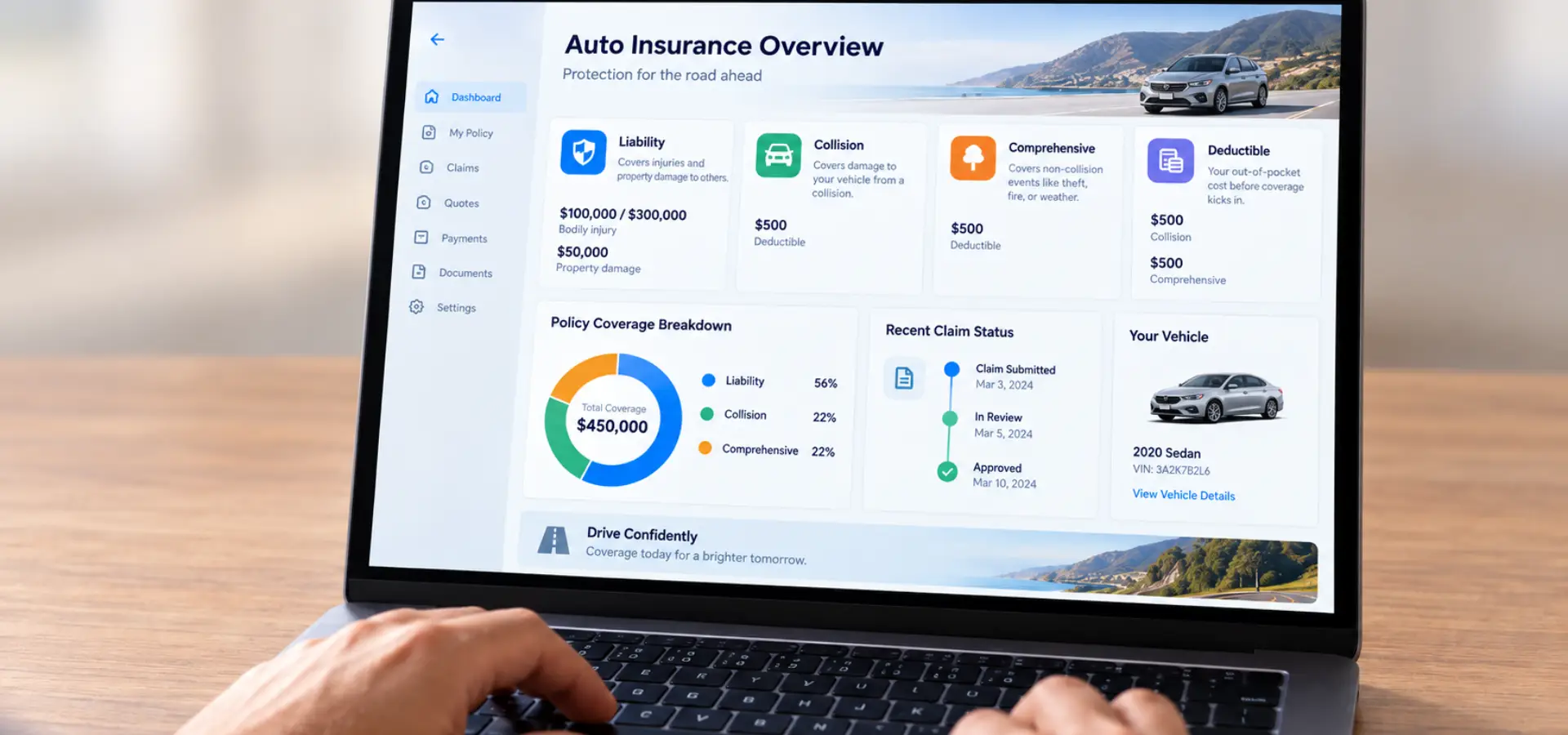
California is an at-fault state and this means the driver who causes a crash is generally responsible for paying for the damage through their insurance policy. For example, if another driver rear-ends you, runs a red light, or causes a crash because they were distracted, their liability insurance should usually be the first source of payment for your losses like vehicle repairs and medical bills.
Furthermore, California recently updated its minimum car insurance limits from 15/30/5 policy to a 30/60/15 policy, and while it may cover most minor accident, but in serious crashes, they may not be enough to cover the full value of the claim. For a broader explanation of how crash claims work statewide, review our guide to California car accident laws.
Can Your Insurance Go Up After a Not-at-Fault Accident?
In California, an insurer should not surcharge your policy solely because another driver hit you and you were not at fault. California’s insurance-rating rules are shaped by Proposition 103 and the state’s Insurance Code and outlines how insurance premiums must be primarily based on factors such as driving safety record, annual mileage, and years of driving experience and restricts premium increases based on accidents where the insured was not at fault.
However, drivers can still see their total premium change after a crash for other reasons. For example, your insurer may have an approved statewide rate increase, you may add a new vehicle, change coverage limits, move to a different ZIP code, drive more miles, or lose a separate discount for reasons not directly based on the accident.
That is why you should look closely at the reason given for any increase, because a higher bill after renewal does not automatically mean the insurer illegally raised your rate because of the crash, but it is worth questioning if the timing and explanation seem suspicious.
Quick Answer: What Can Affect Your Premium?
What Does “Principally at Fault” Mean?
Insurance companies do not simply get to decide fault however they want, because in California, fault must be investigated and supported by evidence. A driver may be treated as principally at fault when their actions or omissions were at least 51% of the legal cause of the accident, subject to the applicable insurance regulations.
This matters because a principally at-fault finding can affect how the accident appears on your insurance record and whether it can be used in rating decisions. In many cases, fault is usually determined by reviewing crucial evidence such as police reports, photos and videos, surveillance footage, etc.
If fault is shared, California’s comparative negligence rules may also affect the value of your injury claim. For example, if you are found 20 percent responsible for the crash, your recovery may be reduced by 20 percent.
What If the Other Driver’s Insurance Blames You?

Even when the facts seem obvious, the other driver’s insurance company is typically not on your side and the adjuster may look for ways to shift partial blame, minimize your injuries, or reduce the payout.
In fact, some of the most common tactics they use includes arguing that you stopped too suddenly, failed to avoid the crash, had pre-existing injuries, waited too long to get medical care, or exaggerated the damage. This is why you should avoid guessing, apologizing, or giving broad recorded statements before understanding your rights and how how insurance companies devalue car accident claims.
What If the At-Fault Driver Is Uninsured or Underinsured?
If the driver who hit you has no insurance, does not have enough insurance, or leaves the scene, your own policy may become more important. Uninsured motorist coverage may apply when the at-fault driver has no insurance or cannot be identified after a hit-and-run.
Furthermore, underinsured motorist coverage may apply when the at-fault driver has insurance, but their limits are too low to cover your damages. These are first-party claims, meaning you are making the claim through your own insurer, but even then, your insurer may still investigate fault, question your injuries, and dispute the value of the claim.
Should You File a Police Report?
No matter what kind of accident you have been involved in, it is always recommended to get a copy of a police report, especially if anyone was injured, the crash caused significant property damage, fault is disputed, or the other driver refuses to cooperate.
In California, a crash involving injury or death must be reported to law enforcement within 24 hours. Separately, an SR-1 report must be filed with the DMV within 10 days if anyone was injured or killed, or if property damage exceeded $1,000. While a police report does not automatically decide your claim, it can be important evidence when the insurer investigates fault.
Will You Have to Pay a Deductible if You Were Not at Fault?
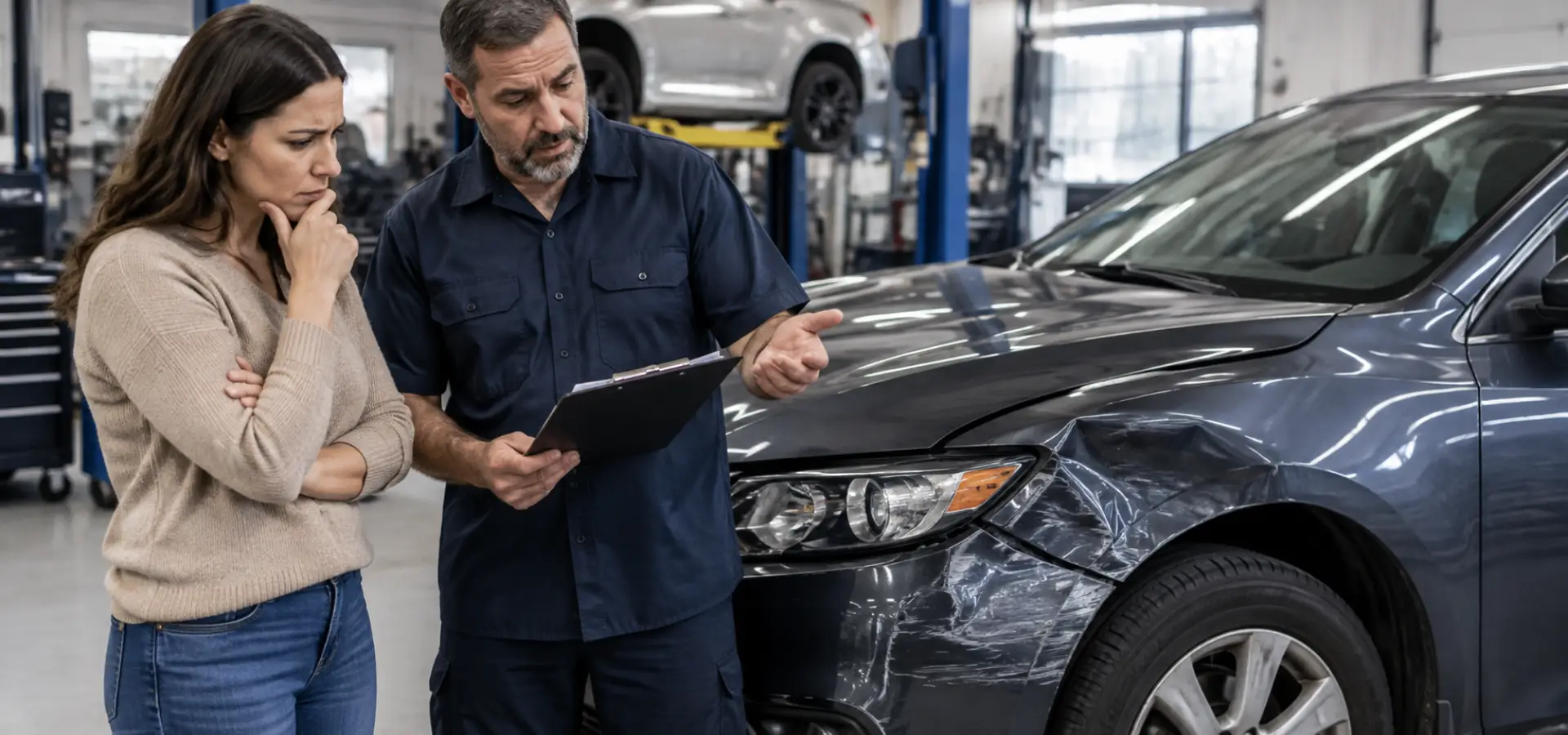
You may have to pay your deductible if you use your own collision coverage to repair your vehicle. This often happens when the other driver’s insurer is taking too long, fault is disputed, the other driver is uninsured, or you need repairs immediately.
Your insurer may later try to recover what it paid from the at-fault driver’s insurance company through a subrogation claim and if it is successful, you may be reimbursed for your deductible. But reimbursement is not always immediate, and it is not guaranteed in every case.
Should You File a Claim or Pay Out of Pocket?
If someone else hit you, you should be cautious about paying out of pocket just to avoid involving insurance, because some damage is not visible right away and some injuries appear days after the crash.
Paying out of pocket may be reasonable only when there are no injuries, no delayed symptoms, no disputed facts, and the damage is extremely minor. Even then, you should document the accident and avoid signing anything without understanding what rights you may be giving up or else you may be making a crucial mistake that can cost you.
How to Dispute an Incorrect Fault Decision
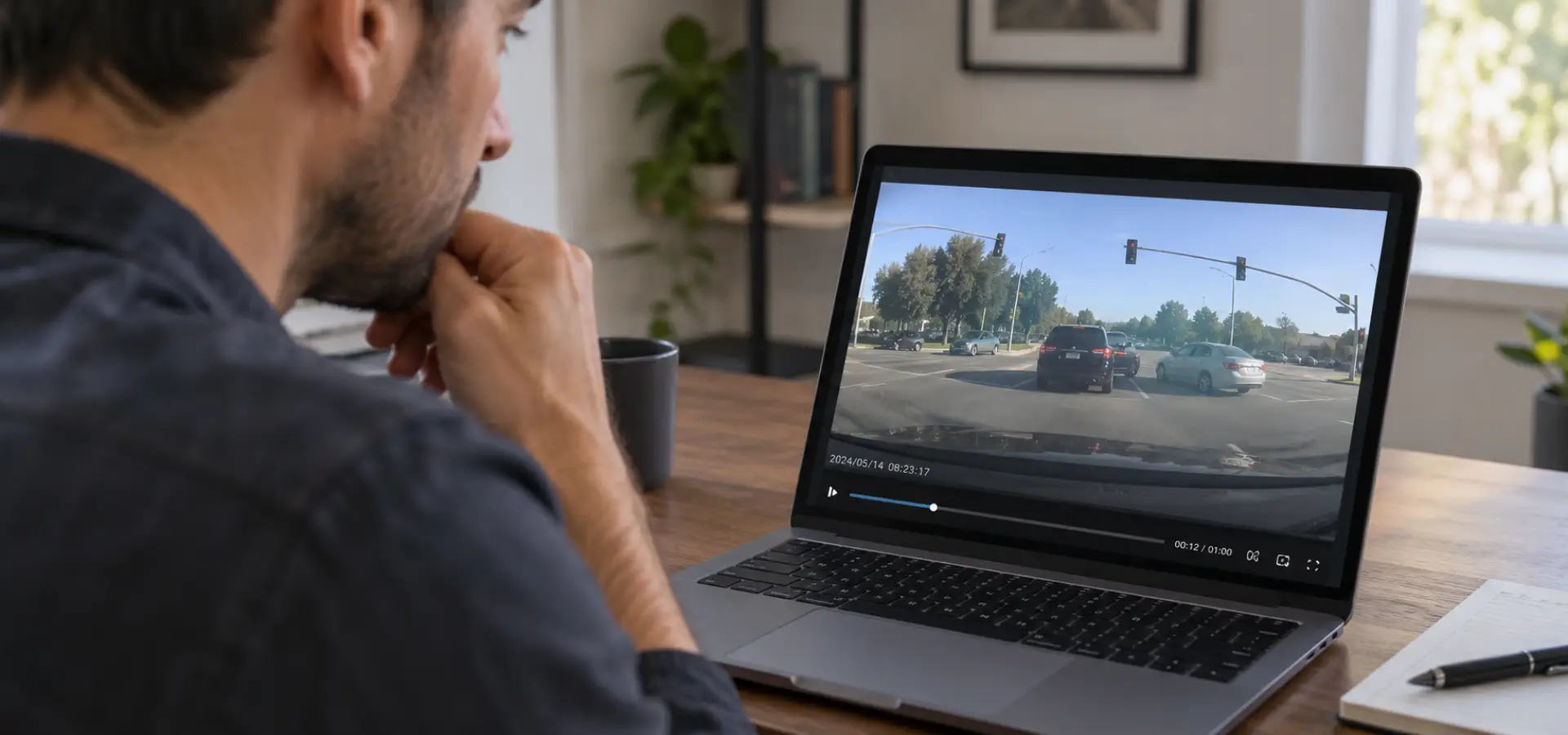
If your insurer or the other driver’s insurer wrongly blames you for the crash, do not ignore it. A fault determination can affect your claim, your record, and your premium and you can dispute the decision by:
- Asking for the basis of the fault determination in writing.
- Requesting the claim file or relevant explanation from the insurer.
- Submitting photos, videos, witness statements, and the police report.
- Correcting inaccurate statements or missing facts.
- Asking the insurer to reopen or reconsider the decision.
- Escalating the issue to a supervisor.
- Filing a complaint with the California Department of Insurance if necessary.
- Speaking with a car accident attorney if the dispute affects your recovery.
If you already have a lawyer and feel your case is not being handled properly, our guide on when it is too late to change lawyers explains what to consider before making a switch.
Can a Not-at-Fault Accident Still Appear on Your Record?
A not-at-fault accident may still appear in insurance claim databases or on reports used by insurers, but appearing on a record is not the same as being legally surchargeable. Your insurer may know that a claim occurred, especially if you used your own coverage. The issue is whether the accident can lawfully be used to increase your premium as an at-fault event.
If your premium increases after a not-at-fault crash, ask the insurer to explain the reason in writing. You want to know whether the increase is tied to the accident, a general rate change, discount removal, mileage change, coverage adjustment, or another factor.
How a Lawyer Can Help With Insurance Problems After a Crash
While it is not mandatory to hire a lawyer, but by hiring one, a car accident lawyer can help when fault is disputed, the insurer is undervaluing your claim, your premium increased unfairly, or the other driver’s insurance company is pressuring you to settle.
As insurance companies handles car accident claims every and having legal support can help level the playing field, especially when the insurer is using fault, medical gaps, or claim history to reduce what it owes. Furthermore, an attorney can take additional steps to ensure your chances of recovering the compensation you deserve in accident such as gathering evidence, challenging improper fault findings, calculating damages, negotiating a settlement, and filing a lawsuit if necessary.
Speak With a California Car Accident Lawyer at WCTL Today

If someone hit you and you are now dealing with medical bills, property damage, fault disputes, or an insurance rate increase, you do not have to handle the claim alone.
West Coast Trial Lawyers can investigate the accident, gather evidence, deal with the insurance companies, and help protect you from unfair blame. If your insurer or the other driver’s insurer is trying to minimize your claim, our team can explain your legal options and fight for the compensation you deserve.
Call (213) 927-3700 or contact us online for a free consultation. You pay nothing unless we win.