Getting into a motor vehicle accident with a driver who has little to no insurance coverage available to pay for damages can lead to additional challenges when seeking compensation after a crash. If the accident was caused by a driver who did not carry liability insurance at the time of the collision, or by an underinsured driver in Colorado whose policy limits are not enough to cover your losses, you may need to explore other options for recovering compensation.
Although Colorado requires motorists to carry minimum auto insurance coverage, not every person follows these requirements. If you were hit by uninsured driver in Colorado, it is important to know how to move forward and understand how your insurance coverage may apply.
What Is Uninsured/Underinsured Motorist (UM/UIM) Coverage and How Does It Work?
Uninsured and underinsured motorist (UM/UIM) coverage helps protect drivers who are involved in a crash with either an uninsured or underinsured driver. Under Colorado Revised Statute § 10-4-609, Colorado insurers are required to offer this coverage to protect policyholders from losses caused by drivers who lack sufficient liability insurance.
Uninsured motorist coverage applies when the responsible party has no liability insurance at all whereas underinsured motorist coverage applies when the driver has insurance but their policy limits are not enough to cover the full extent of the losses incurred. This UM protection helps injured parties recover compensation for serious injuries, medical bills, and other compensable damages after a car accident.
An individual hurt in a crash with an uninsured or underinsured driver may be able to pursue compensation through a personal injury claim. If the at fault driver does not have enough insurance coverage to pay for the full extent of the damages, the injured party could also seek benefits through their own UM/UIM coverage. Under Colorado law, insured drivers may access UM/UIM benefits when the available coverage from the at fault party is not enough to fully compensate for their losses.
What Other Insurance Can Help Cover Your Losses?
Other types of car insurance can help cover losses after a crash with an uninsured or underinsured driver. Based on the available insurance coverage, you may be presented with more options for recovering compensation, such as:
- Medical payments coverage (MedPay): Covers medical expenses after a collision regardless of fault
- Collision coverage: Helps with vehicle repairs and property damage when the at fault driver does not have enough insurance or is unable to provide compensation
Reviewing your insurance policy will provide insight into what benefits you have available and determine your options for collecting payment after a motor vehicle accident.
What Should You Do Immediately After Being Hit by an Uninsured Driver?
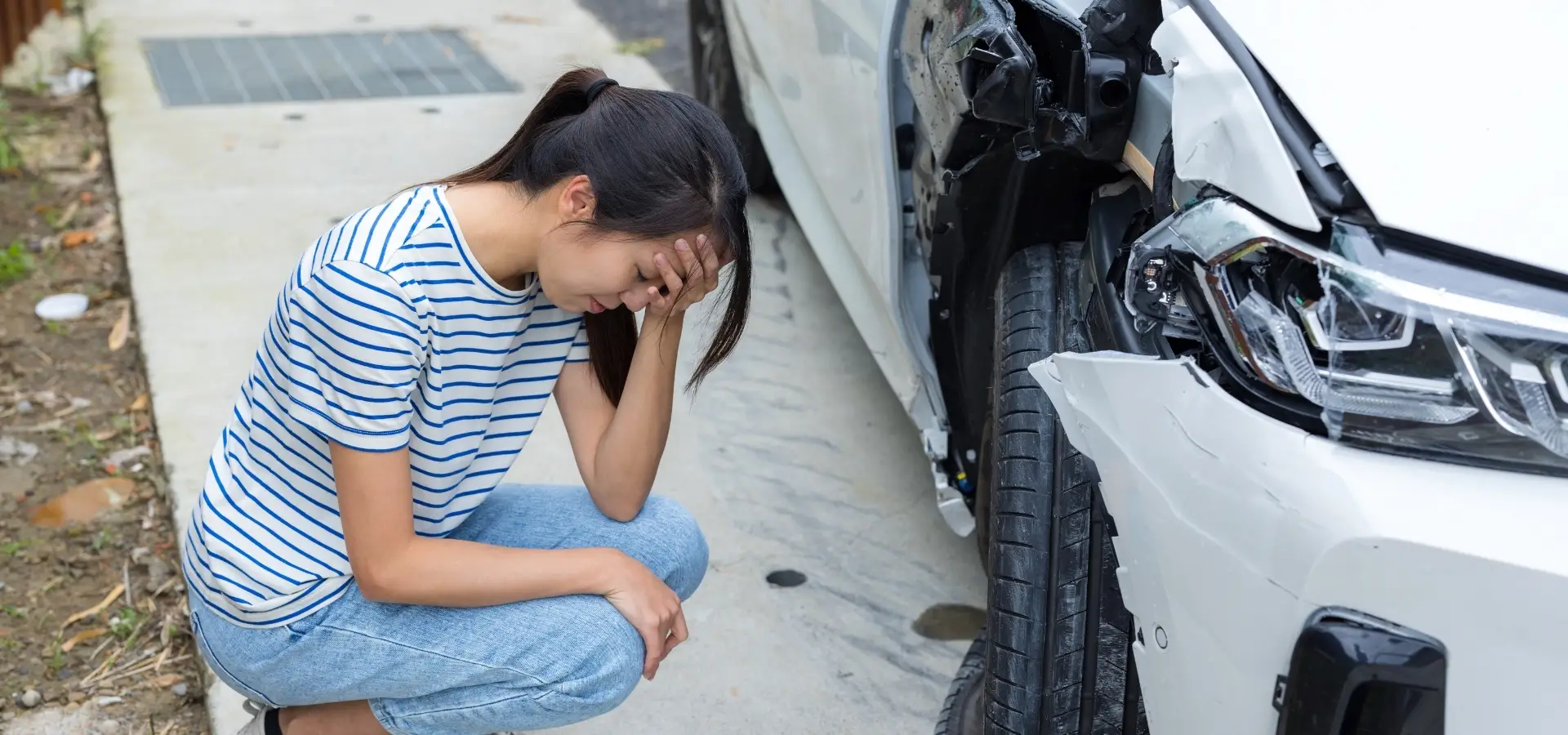
Being in an accident with an uninsured driver can make the recovery process more difficult. Taking the right steps, however, can help preserve important evidence and strengthen your ability to pursue compensation. After an uninsured driver accident, you should:
- Call the police: Contact the local law enforcement agency and ask for an official accident report. Depending on where the incident happened, this can include the following agencies: Denver Police Department (DPD), Aurora Police Department (APD), or the Colorado State Patrol (CSP).
- Gather evidence: If possible, try to gather evidence by taking photos or videos of the vehicles, property damage, and any notable injuries you suffered. You should also acquire contact information from witnesses who may have seen how the accident happened.
- Collect information: Exchange insurance information and contact details with the other drivers involved, even if they do not have active coverage.
- Seek medical attention: If you or anyone in your passenger vehicle sustained injuries, seek medical care as soon as possible. Colorado accident victims may get treated at local facilities, such as UCHealth University of Colorado Hospital, Denver Health Medical Center, or other nearby emergency departments depending on where the incident took place. Medical records can help document bodily harm pertaining to the crash and also demonstrate how you needed to receive care for recovery.
- Consult with a Colorado personal injury lawyer: A legal representative can assess the details of the crash, discuss your legal options, and help determine whether you may be entitled to pursue compensation through available insurance coverage. An attorney can also help look into damages, like medical bills, property damage, lost wages, pain and suffering, and other injuries related to the accident.
How Common Is It to Be Hit by an Uninsured Driver in Colorado?
Being involved in a crash with an uninsured driver is more common than many drivers expect. According to the Insurance Research Council (IRC), roughly 19.7% of Colorado motorists were uninsured in 2023, ranking among the highest percentages of uninsured motorists in the U.S., compared to the national average of 15.4% during the same year. This basically means that nearly one out of five drivers may have been operating a vehicle without having proper auto insurance coverage.
Even though Colorado law enforces drivers to have automobile liability insurance, some will still drive without having required coverage. The Colorado Division of Insurance (CDI) estimates that 15% to 20% of drivers in the state are uninsured, showing that there is a possible risk for motorists to be involved in a crash with a driver who cannot provide liability insurance coverage.
What Are Colorado’s Minimum Auto Insurance Requirements?
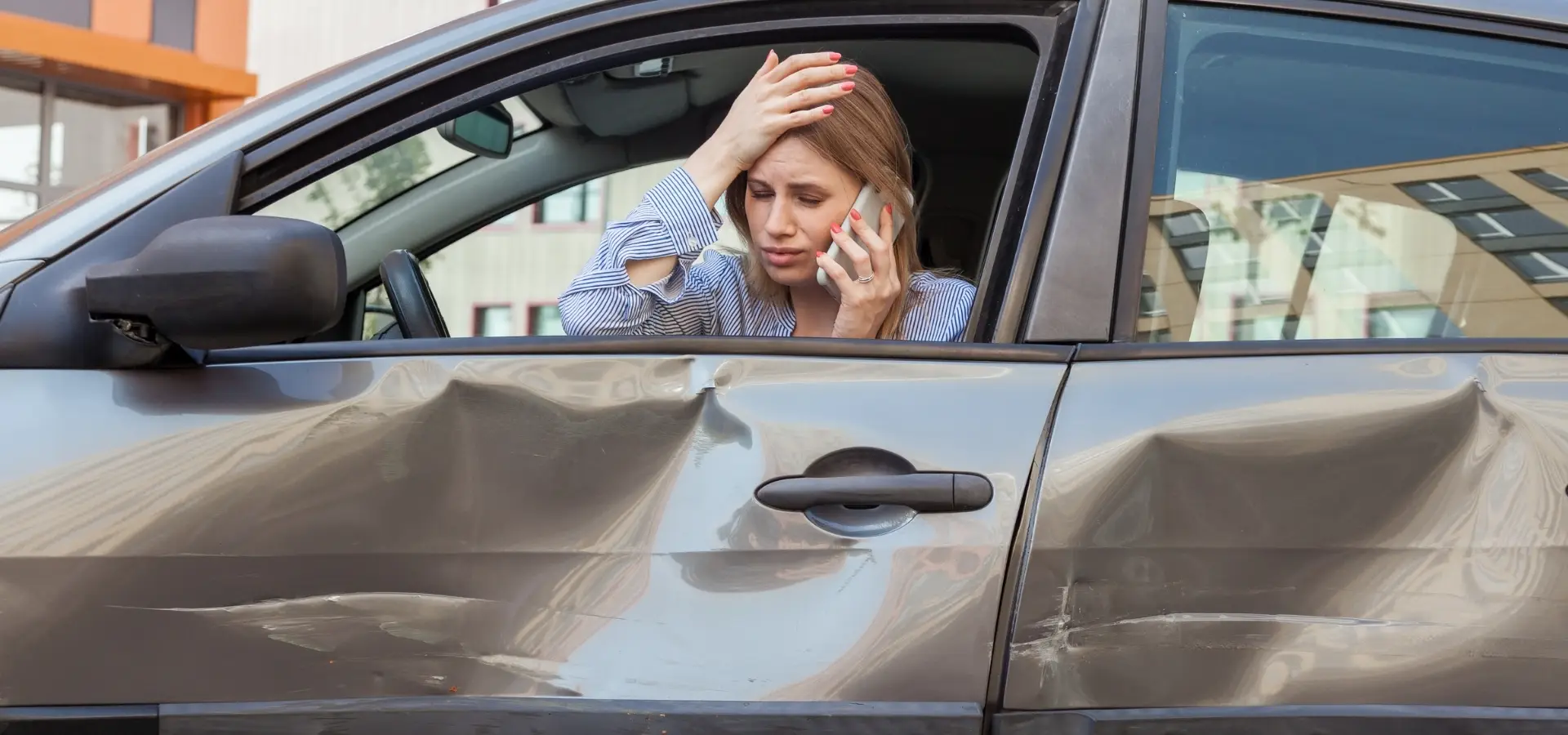
Under Colorado law, drivers must carry minimum liability insurance coverage to legally operate a vehicle. A standard automobile insurance policy should include liability coverage that covers bodily injury or property damage caused to others when the insured driver is found at fault for a crash. These minimum liability limits are outlined under C.R.S. § 10-4-620. This rule requires drivers to carry at least:
- $25,000 in bodily injury or death coverage per person
- $50,000 in bodily injury or death coverage per accident
- $15,000 in property damage coverage
Although these limits satisfy the state’s minimum insurance requirements, they may not always pay off the entire cost of a serious accident. When the victim’s damages go over the at fault driver’s available liability coverage, more options, like UM/UIM coverage may help provide compensation for any remaining losses.
What Are the Penalties for Driving Without Insurance in Colorado?
Colorado drivers who are caught driving without the required insurance may be met with penalties, including a Class 1 misdemeanor traffic offense (C.R.S. § 42-4-1409). A first violation will carry a minimum mandatory fine of $500 (plus 4 points added to your driving record), and a second or subsequent violation within five years will be a mandatory fine of $1,000.
Motorists may also be given a suspension of their driving privileges if they do not show proof of insurance when required. A driver’s license may remain suspended for four to eight months for repeat offenses, or until the motorist fulfills the state’s reinstatement requirements.
How Is Fault Determined After a Crash With an Uninsured Driver?
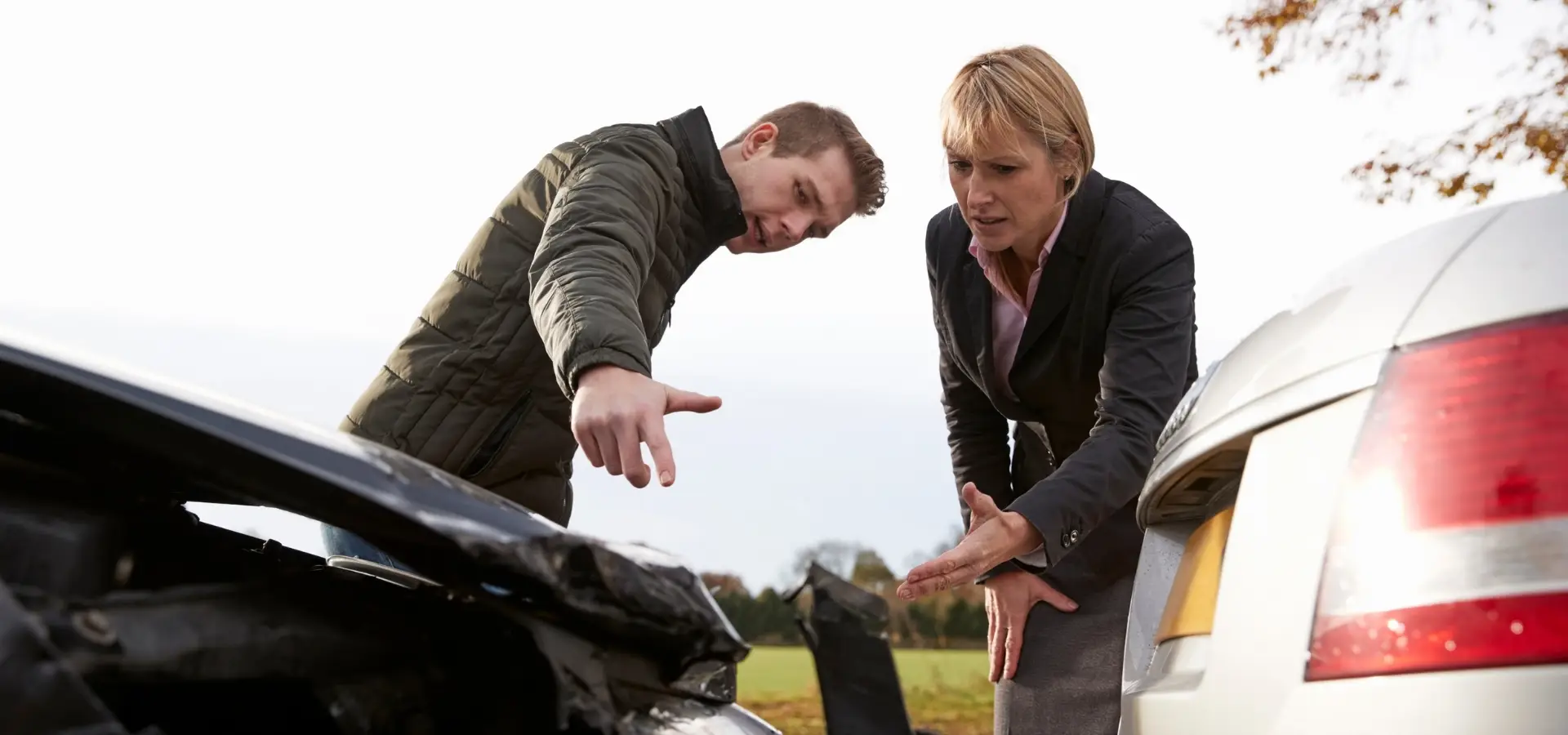
Fault after a crash with an uninsured driver is determined similarly as other motor vehicle accidents in Colorado. The fact that a driver does not have insurance does not necessarily mean that they will be legally responsible for the incident. Liability, instead, will be based on whether the driver acted negligently and if their actions contributed to the accident.
Under Colorado’s modified comparative negligence system (C.R.S. § 13-21-111), injured victims may be entitled to recover compensation if they are found 50% or less at fault. But, the amount of compensation provided may be lessened based on their percentage of fault.
The evidence presented will be used to determine the at fault party. This includes police reports, witness statements, and photos or videos of the accident scene. If the uninsured driver is found accountable, they may still be held liable for damages you suffered even if they do not have insurance coverage available.
How Do You File a UM Claim With Your Own Insurance Company?
If you are injured in a car accident by an uninsured driver, you may be able to file a claim with your own insurance company through your UM coverage. To start the process, let your insurer know about the situation and give them supporting documentation, like an accident report, medical records, and evidence of bodily injury or damages.
After the claim is submitted, your insurance company will investigate the situation, review the evidence presented, and evaluate whether your damages are covered under your policy. If the at fault driver has insurance but their coverage is not enough to pay for your losses, you may first need to seek compensation through the other driver’s insurer before pursuing an underinsured motorist claim.
Since insurance companies may try to dispute the value of a claim or limit the benefits they are willing to give you, a Colorado personal injury lawyer can help manage insurance-related matters, negotiate with insurers on your behalf, look into the settlement offers presented, and advocate for compensation that covers the losses you suffered.
Can You Sue an Uninsured Driver Directly in Colorado?

You can sue an uninsured driver directly in Colorado. If they are responsible for the motor vehicle accident, you may file a claim to recover damages. Even if a driver is considered uninsured, they may still be held liable for the harm they caused as a result of their negligence.
However, acquiring a court judgement does not necessarily guarantee that you will receive compensation. Many uninsured drivers have limited financial resources, which can make it difficult to collect payment even if you happen to win your case. Prior to filing a lawsuit, it is important to look into all available legal options, such as your own uninsured motorist coverage.
What Happens If the Uninsured Driver Flees the Scene?
If the at fault driver is uninsured and flees the scene, recovering compensation can become even more difficult. A hit-and-run driver may be tough to identify, limiting your ability to pursue a claim directly against the responsible party. Under C.R.S. §§ 42-4-1601 and 42-4-1603, drivers involved in an accident that results in injury or death must stop at the scene, stay there, and give identifying and insurance information to the other parties involved. Failing to do so may result in criminal penalties, including driver’s license revocation in certain cases.
If the driver cannot be located or identified, a Colorado personal injury lawyer can investigate the situation, preserve evidence, work alongside law enforcement and insurance companies, and look into all available sources of compensation, including uninsured motorist coverage (when applicable).
How Long Do You Have to File a Claim After an Uninsured Motorist Accident?
The deadline to file an uninsured or underinsured motorist claim in Colorado will depend on the type of claim and when it arises. Under C.R.S. § 13-80-107.5, an uninsured or underinsured claim must be filed within three years after the cause of action accrues. This is applicable to claims that are made under C.R.S. § 10-4-609.
For underinsured motorist claims, Colorado law may provide more time to file. If you receive a settlement or judgment from the at fault driver’s liability insurer, the deadline to file your underinsured motorist claim may be extended to two years from the date of that settlement or judgment (if that date occurs after the standard three-year filing period).
Since these claims are also subject to the terms of your own insurance policy, it is critical to let your insurance company know about the situation shortly after the accident. Waiting too long to report the incident or starting the claims process late could cause issues when it comes to recovering benefits. A Colorado personal injury lawyer can step in to review your policy, determine what deadline applies in your situation, reach out to insurers, and help with each stage of the claims process to protect your right to pursue compensation.
Do You Need a Lawyer for an Uninsured Motorist Claim in Colorado?
While you are not necessarily required to hire a lawyer to file an uninsured motorist claim, having legal representation can help you go through the process with a better understanding of what to expect in addition to having someone protect your rights. A Colorado personal injury attorney can assess your uninsured motorist insurance policy and address disputes that may arise.
Insurance companies will try to evaluate insurance claims based on their own assessments of liability, damages, and available coverage. An excellent lawyer can help gather evidence, review settlement offers, and seek compensation on your behalf. Working with someone who has knowledge and experience in handling similar cases can be especially beneficial when an uninsured or underinsured driver triggers serious injuries, when liability is being questioned, or when available insurance coverage does not fully cover your losses.
Get Legal Help After Being Hit by an Uninsured Driver in Colorado

For those in Colorado Springs, Denver, Fort Collins, Aurora, and surrounding communities, managing an uninsured or underinsured motorist claim may involve many steps that can be challenging to manage all on your own. At West Coast Trial Lawyers, our Colorado personal injury attorneys can help review the details of your situation, explain your legal rights, and discuss the potential options available to you.
With more than 25 years of experience and over $2 billion recovered in settlements and verdicts, our team understands what complications may arise in car accident cases involving uninsured or underinsured drivers, and has the resources to help affected individuals get the compensation they deserve.
To schedule a FREE consultation, we welcome you to connect with us by calling (213) 927-3700 or filling out our easy online contact form.