


A serious injury can disrupt every part of your life at once. Medical bills start piling up, missed work puts pressure on your finances, and the pain can make it harder to care for yourself and the people who depend on you. While you are trying to recover, the insurance company is already working to protect its bottom line.
At West Coast Trial Lawyers, our Oregon personal injury lawyers stand up for injured people and grieving families when negligence turns their lives upside down. Whether your case involves a car accident, catastrophic injury, unsafe property, or the loss of a loved one, we investigate what happened, identify every responsible party, and fight for the full compensation you are entitled to under the law. Your consultation is free, and you pay nothing unless we win your case.
What Is Personal Injury Law in Oregon?

Personal injury law, also called tort law, allows a person harmed by someone else’s negligence to recover financial compensation for the resulting losses. “Negligence” is simply the legal word for carelessness: when a driver, property owner, business, or other party fails to act with reasonable care and someone is hurt as a result, the law holds them responsible for the damage they cause.
Most Oregon injury claims come down to proving four things: that the at-fault party owed you a duty of care, that they breached it, that the breach caused your injury, and that you suffered real damages as a result. That can sound straightforward, but insurers fight hard on each element, especially causation and the value of your damages. Building the evidence to prove all four is the heart of what a personal injury attorney does.
Personal Injury Cases We Handle in Oregon

Personal injury is a broad field, and each type of case has its own rules, deadlines, and strategy. West Coast Trial Lawyers handles the full range of serious injury and wrongful death claims across Oregon:
- Car accidents: the most common injury claim, shaped heavily by Oregon’s insurance rules
- Truck accidents: governed by federal safety regulations and far larger insurance policies
- Motorcycle accidents: where riders face serious injuries and built-in insurer bias
- Pedestrian accidents: often catastrophic, with important right-of-way protections
- Bicycle accidents: with specific rights Oregon law grants cyclists
- E-scooter accidents: a newer area with a tangle of potentially responsible parties
- Uber and Lyft accidents: where coverage turns on the rideshare app’s status
- Bus and public transit accidents: with shortened deadlines when a public agency like TriMet is involved
- Premises liability: slip-and-falls and other injuries on unsafe property
- Dog bites: under Oregon’s specific two-tier liability rules
- Traumatic brain injuries: catastrophic, often-invisible injuries requiring specialized proof
- Spinal cord injuries: measured in lifetime cost, not just current bills
- Burn injuries: where the cause determines who is liable
- Sexual assault and abuse: civil claims survivors can bring separately from any criminal case
If your situation isn’t listed here, it’s still worth asking. The common thread is the same: if someone else’s negligence caused you harm, Oregon law may give you a path to recovery.
Key Oregon Laws Every Injury Victim Should Know

A few rules shape nearly every Oregon injury claim, and knowing them early can protect your case.
You Have a Limited Time to File
Oregon’s statute of limitations gives you generally two years from the date of injury to file most personal injury lawsuits under ORS 12.110, and three years for wrongful death under ORS 30.020. Critically, if a public body is involved, such as a city, a public school, or TriMet, you must give formal tort claim notice within just 180 days under ORS 30.275. Miss the applicable deadline and even the strongest claim can be dismissed.
Being Partly at Fault Doesn’t Bar You, Up to a Point
Oregon follows a modified comparative negligence system under ORS 31.600. You can still recover as long as you are 50% or less at fault, though your compensation is reduced by your percentage of responsibility. At 51% or more, recovery is barred. This rule is why insurers work so hard to shift blame onto injured people.
Oregon Does Not Cap Your Compensation for Serious Harm
For years, Oregon limited noneconomic damages (pain, suffering, disability) to $500,000. In 2020, the Oregon Supreme Court struck that cap down for injured survivors in Busch v. McInnis Waste Systems, meaning that for most claims against private defendants, your recovery for how profoundly an injury has changed your life is not artificially limited. (Different limits still apply to claims against public bodies.)
Insurance Rules Shape What You Can Recover
Oregon is a fault state that also requires no-fault Personal Injury Protection. Minimum liability coverage is low (25/50/20), so the at-fault party’s policy often falls short of a serious injury’s true cost. That makes your own PIP and uninsured/underinsured motorist coverage central to many claims, an area insurers rarely explain and where significant compensation is often won or lost.
Compensation Available in an Oregon Injury Claim

A successful personal injury claim can recover compensation for the full scope of what an injury costs you, both the measurable expenses and the human losses. Depending on your case, damages may include:
- Medical expenses, current and future, including surgery, rehabilitation, and long-term care
- Lost income and reduced earning capacity when injuries keep you from working
- Pain and suffering, for physical pain and emotional distress
- Disability and disfigurement, for permanent or lasting harm
- Loss of enjoyment of life, for the activities and independence an injury takes
- Property damage, for belongings lost or damaged
- Punitive damages, in cases of especially reckless or egregious conduct
- Wrongful death damages, for families who have lost a loved one, including funeral costs, lost financial support, and loss of companionship
Correctly valuing a claim, especially future medical needs and long-term losses, is one of the most important and most easily underestimated parts of a case. If you are curious how much your claim is, you can input your information in our personal injury settlement calculator for a rough estimate, however, it is highly recommended to consult your case with an attorney to get a better understanding of your claim.
How the Injury Claim Process Works
Every case is different, but most follow a similar path. It begins with a free consultation, where we learn what happened and explain your options. If we take your case, we launch a thorough investigation, gathering evidence, police and medical records, witness accounts, and expert input where needed.
As you complete treatment, we document the full extent of your injuries and losses, then prepare and present a demand to the insurer. Many cases settle at that stage, but if the insurance company won’t offer what your claim is truly worth, we’re prepared to file suit and take the case to trial. Throughout, you focus on recovering while we handle the legal work, the paperwork, and the pressure.
Injured in Oregon? Get a Free Case Review Today!
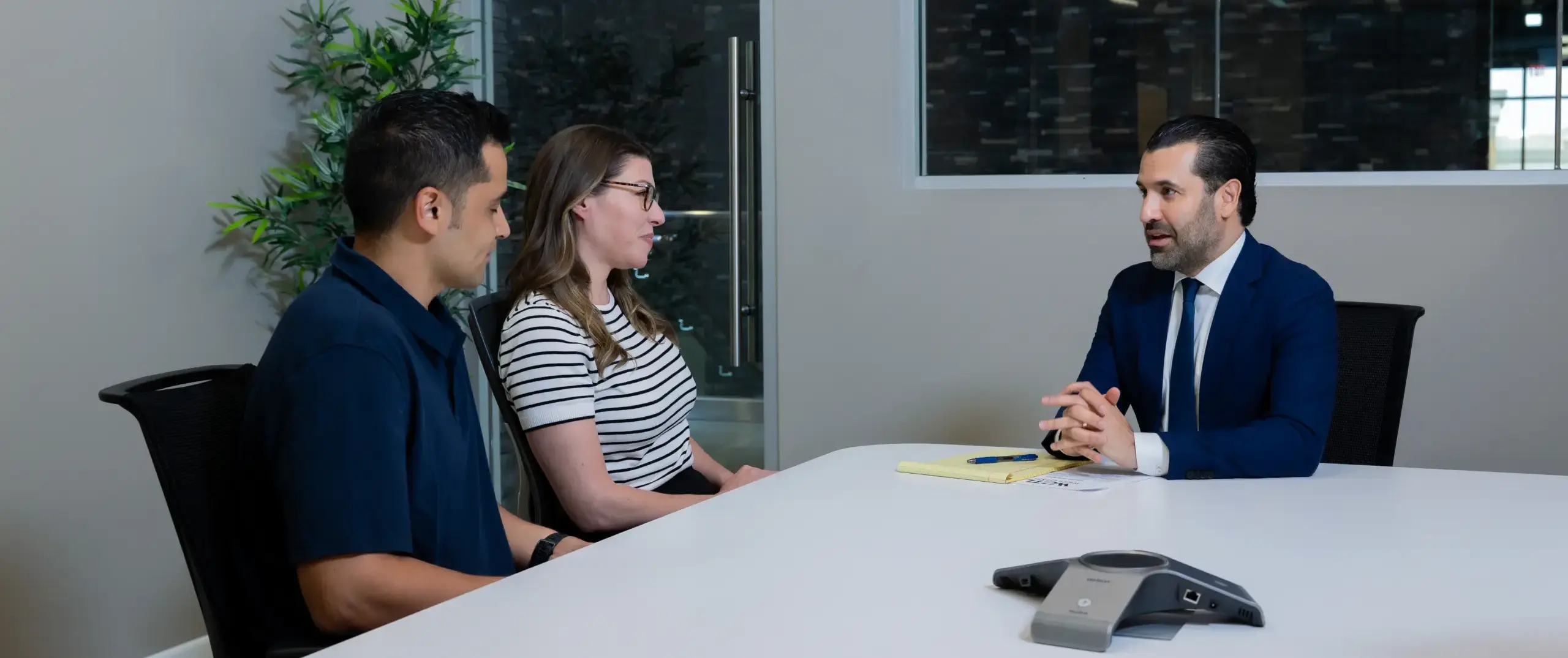
You didn’t choose to be hurt, but you can choose who stands with you now. Contact West Coast Trial Lawyers for a free, confidential case review, and we’ll give you a straight assessment of where you stand, what your claim may involve, and what it could be worth. There’s no obligation and no cost to find out. If you’re ready, we’re ready to help.
The WCTL Difference
Choosing the right firm matters, and not all personal injury firms are the same. Here is what sets West Coast Trial Lawyers apart:
- A real trial firm, not a referral service: Some “firms” are marketing operations that sign clients and refer the work out, or trade on the name of a retired lawyer. We are a genuine law firm with experienced attorneys you can actually meet and speak with, more than 20 lawyers and over 100 staff working in-house, not outsourced overseas.
- Nationally recognized credentials: Our team is led by Neama Rahmani, a former federal prosecutor and Harvard Law graduate. Our attorneys are internationally recognized legal experts who appear regularly on national news, and our partners have decades of trial experience, including representing major institutions.
- Legal guidance from the first phone call: Our intake team includes attorneys, so you get real answers from the start, not a call-center script.
- We prepare every case for trial: Insurance companies keep track of which firms actually go to court, and that reputation becomes leverage that often produces stronger settlements without one.
- Free property damage help and client-first fees: We handle your property damage claim from A to Z at no extra charge, work on contingency with nothing upfront, and only seek reimbursement for hard costs actually paid to third parties like court fees. If we don’t win, you owe us no attorney fee.
Call us today at (213) 927-3700 or through our online contact form for a free case review!
Frequently Asked Questions About Oregon Personal Injury Claims
How Long Do I Have to File a Personal Injury Claim in Oregon?
Generally two years from the date of injury under ORS 12.110, and three years for wrongful death. If a public body like a city or TriMet is involved, you may have as little as 180 days to give formal notice, so acting quickly is essential.
What Is My Injury Case Worth?
It depends on the severity of your injuries, your economic losses, and the long-term impact on your life. Be wary of any quick estimate, a real valuation accounts for future medical needs and lost earning capacity, not just current bills.
What if I Was Partly at Fault for Causing an Accident?
You can still recover as long as you were 50% or less at fault under Oregon’s modified comparative negligence rule, with your compensation reduced by your share.
Do I Have to Go to Court?
Usually not, most cases settle. But the cases that settle for full value are the ones prepared for trial from the start, which is exactly how we build them.