Scottsdale may not have the same crash volume as Phoenix intersections, but several intersections still see collision rates well above the citywide average. While some locations are not always dangerous for the same reason, others are a constant source of car accidents due to their design and surroundings.
As such, the most dangerous Scottsdale intersections are based on the city’s 2024 Traffic Volume and Collision Report and the report compares intersections by collision rate, which considers both the number of crashes and the volume of traffic entering each location.
This matters because the “most dangerous” intersection is not always the busiest. A location with fewer total vehicles can still be risky if crashes happen there unusually often. For this article, “most dangerous” refers to Scottsdale intersections with the highest collision rates, not necessarily the intersections with the most fatal or severe crashes.
1. Loop 101 and Frank Lloyd Wright Boulevard
The Loop 101 and Frank Lloyd Wright Boulevard interchange had Scottsdale’s highest intersection collision rate, because it recorded 106 crashes over the two-year reporting period, more than any other location on the list.
This is not a conventional four-way intersection because drivers leaving the freeway must transition from highway speeds into ramp signals, turning lanes, and surface-street traffic within a relatively short distance. Meanwhile drivers entering Loop 101 must make the opposite adjustment while selecting the correct ramp and watching for vehicles changing lanes.
The interchange also serves the Greater Scottsdale Airpark, a major employment and commercial district that carries traffic toward businesses, restaurants, Scottsdale Airport, Ice Den Scottsdale, and nearby residential communities.
The Arizona Department of Transportation recently widened this section of Loop 101 and modified several interchanges to improve traffic flow. Construction, shifting lane patterns, ramp congestion, and the concentration of destinations around the Airpark can all make an already complicated interchange more difficult to navigate.
2. Hayden Road and Northsight Boulevard
Hayden Road and Northsight Boulevard is different from every other location on this list because it is a multilane roundabout rather than a signal-controlled intersection. Scottsdale describes it as the busiest roundabout in the city, handling approximately 35,000 vehicles per day.
It was constructed to help drivers bypass congestion around Hayden Road and Frank Lloyd Wright Boulevard, because the surrounding Scottsdale Airpark area includes offices, apartment communities, restaurants, service businesses, and a heavily visited Costco warehouse on Hayden Road.
While the roundabout has reduced injury crashes compared with the former signalized design, but its size and volume can still create frequent lower-severity collisions. Drivers unfamiliar with multilane roundabouts may:
- Enter without yielding
- Choose the wrong approach lane
- Change lanes inside the circle
- Stop unexpectedly
- Fail to yield at a crosswalk
- Exit from the inside lane without checking beside them
This explains why an intersection can have a high collision rate even though its current design has reduced the likelihood of the most serious crashes.
3. Drinkwater Boulevard and Osborn Road
Drinkwater Boulevard and Osborn Road handled fewer vehicles and recorded fewer total crashes than Scottsdale’s freeway interchanges. Its collision rate was nevertheless the third highest in the city.
The intersection sits between two major destinations, with Scottsdale Stadium occupies the southeast corner, while the HonorHealth Scottsdale Osborn Medical Center campus is directly across Osborn Road. The stadium hosts San Francisco Giants spring training and other events, while the hospital generates around-the-clock traffic from patients, visitors, employees, ambulances, and emergency vehicles.
During stadium events, drivers may be looking for parking, watching pedestrians, or making unfamiliar turns. At other times, hospital traffic may include people rushing to an appointment or navigating the area under stressful circumstances.
Drinkwater also carries traffic around the eastern side of Old Town and the Scottsdale Civic Center. The combination of event surges, hospital access, pedestrians, parking movements, and ordinary through traffic creates conflicts that are not reflected by traffic volume alone.
4. Scottsdale Road and Loop 101
Scottsdale Road and Loop 101 had the second-highest total number of crashes among the five intersections, recording 73 collisions. The interchange connects a wide arterial road with one of the Valley’s busiest freeways. Multiple ramp terminals, turn lanes, frontage-road movements, and traffic signals are concentrated within the interchange area.
Drivers may need to cross several lanes quickly after exiting the freeway or move toward a ramp while surrounded by vehicles continuing north or south on Scottsdale Road.The interchange also provides access to the Greater Airpark, Scottsdale Promenade, offices, hotels, restaurants, and rapidly developing property near the freeway.
Scottsdale planning documents have identified circulation and access problems in the Airpark area, while traffic studies have projected strained operations at the Loop 101 ramps as surrounding development continues. The most significant danger is weaving, as drivers entering from a ramp, turning into nearby development, or trying to reach another lane may have limited distance to complete the maneuver.
5. Scottsdale Road and Osborn Road
Scottsdale Road and Osborn Road marks an important transition into southern Old Town. It carries regional traffic on Scottsdale Road while also serving nearby medical offices, businesses, residential properties, and the HonorHealth Osborn campus.
The intersection’s relatively high collision rate is notable because it handles much less traffic than Scottsdale Road intersections farther north. Drivers must manage through traffic, left-turn movements, pedestrians, and vehicles entering nearby properties within a compact urban environment.
The medical campus adds drivers searching for entrances and parking, while Old Town brings visitors who may be unfamiliar with Scottsdale’s street pattern. Development documents for the area have also discussed enhancements to the Scottsdale Road and Osborn intersection as properties around the medical district and southern Old Town continue to change.
What Should You Do After a Scottsdale Intersection Crash?
After a Scottsdale intersection crash, evidence can disappear quickly. This is especially true near freeway interchanges, hospitals, retail centers, stadiums, and Old Town businesses where multiple cameras may exist but recordings may be overwritten. As such, having a sense urgency and taking proactive action is vital to protecting your rights.
In fact, if you are physically able to, try to call 911 when someone is injured, move out of traffic when it is safe, and photograph the vehicle positions, signals, lane markings, damage, skid marks, crosswalks, and surrounding businesses.
Scottsdale’s records portal also notes that traffic management camera recordings depend on the intersection and have a 14-day retention period. That makes quick action important, because if camera footage may show the crash, an attorney may need to request or preserve it before it is deleted. Delaying treatment, losing photographs, or giving an insurer an unnecessary recorded statement are among the car accident mistakes that can weaken a claim.
Who Pays for an Intersection Accident in Arizona?
Arizona is an at-fault state, meaning the driver who caused the crash is generally responsible for the resulting injuries and property damage. The evidence may show that a driver ran a red light, failed to yield, followed too closely, made an unsafe lane change, or entered a roundabout improperly.
However, depending on the nature of the crash, more than one person can share responsibility. Under Arizona comparative negligence, an injured person’s compensation is reduced according to their percentage of fault rather than automatically eliminated.
A broader explanation of insurance requirements, liability, and compensation is available in our guide to Arizona car accident laws. Injured people should also remember that the Arizona statute of limitations places a deadline on filing most personal injury lawsuits.
Let Us Investigate What Happened at the Intersection
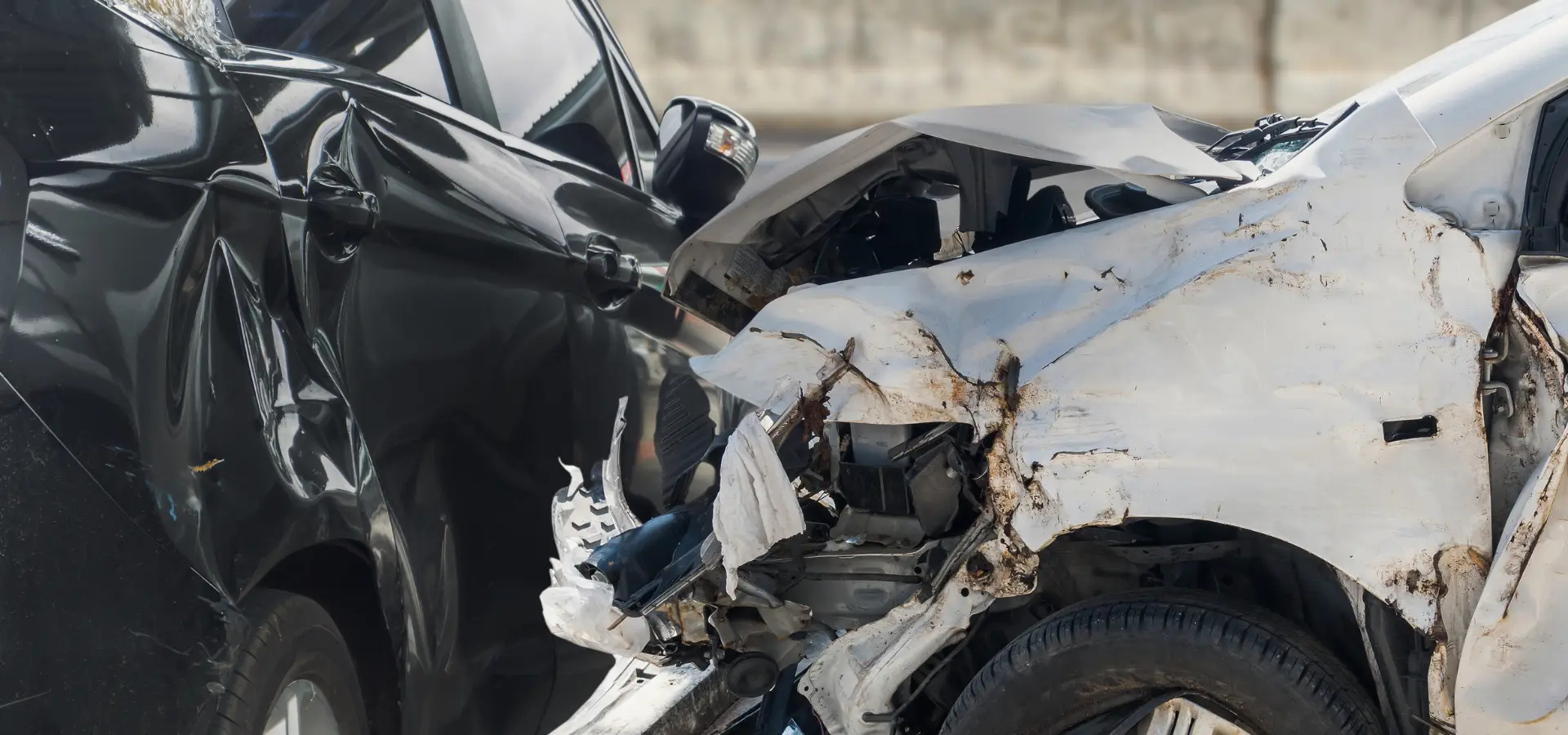
A dangerous intersection can explain why crashes happen there, but it does not prove who was responsible for your specific accident. The key is evidence.
West Coast Trial Lawyers can investigate the crash, request available video footage, interview witnesses, examine roadway and signal conditions, review the police report, and push back if an insurance company tries to shift blame onto you.
Contact our legal team today call (213) 927-3700 or fill out our online contact form for a free case consultation and let us protect your right to compensation.